Can F1 Teams Copy Each Other?
Have you ever wondered about the “Copycat Culture” in Formula 1? Is it legal for F1 teams to mimic each other’s designs?
The FIA’s stance on copying in F1 may surprise you. From front and rear wings to brake ducts, suspension systems, and floor designs, certain components are commonly copied in the sport.
Discover how teams imitate each other, and the risks and benefits associated with this practice as we explore the world of copying in F1.
Key Takeaways:
What is the ‘Copycat Culture’ in F1?
The Copycat Culture in F1 refers to the practice of teams closely replicating or mimicking the designs and concepts of rival teams, often sparking controversy and intellectual property disputes.
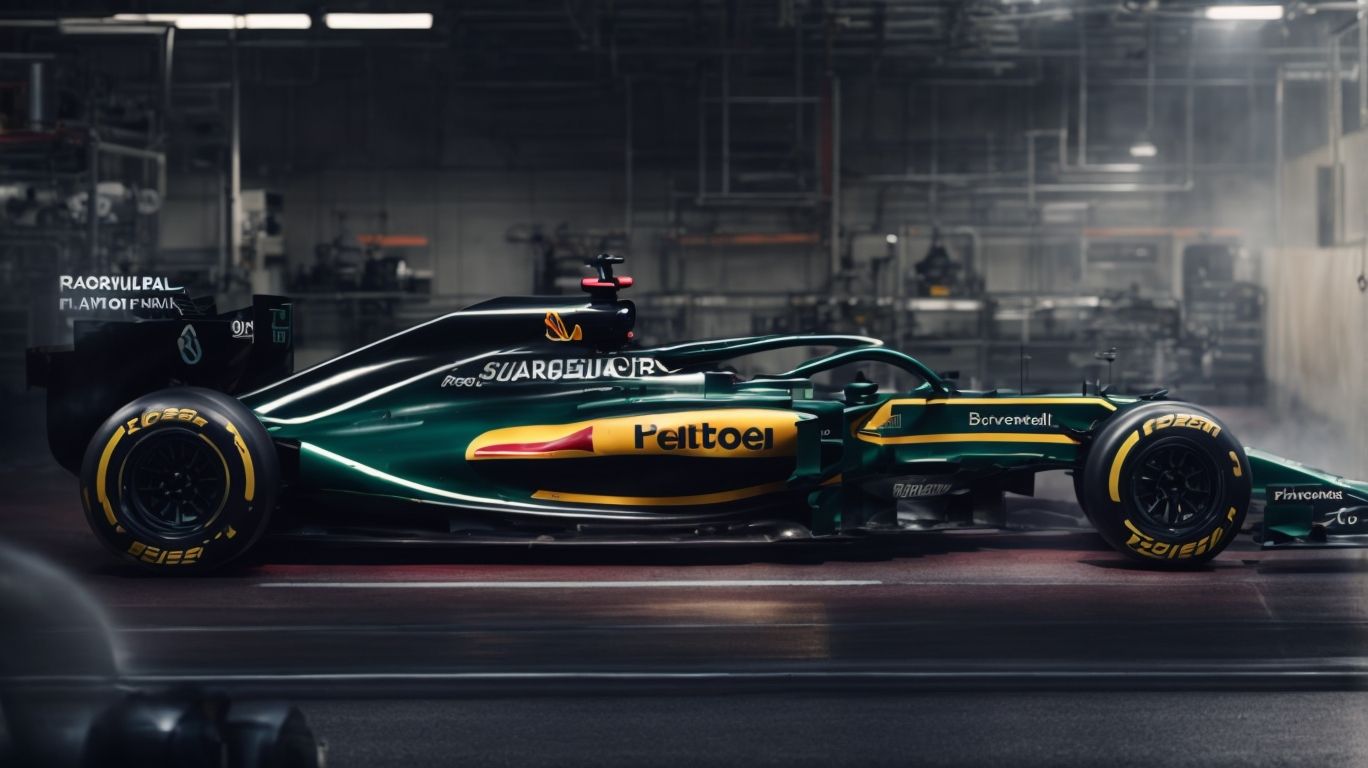
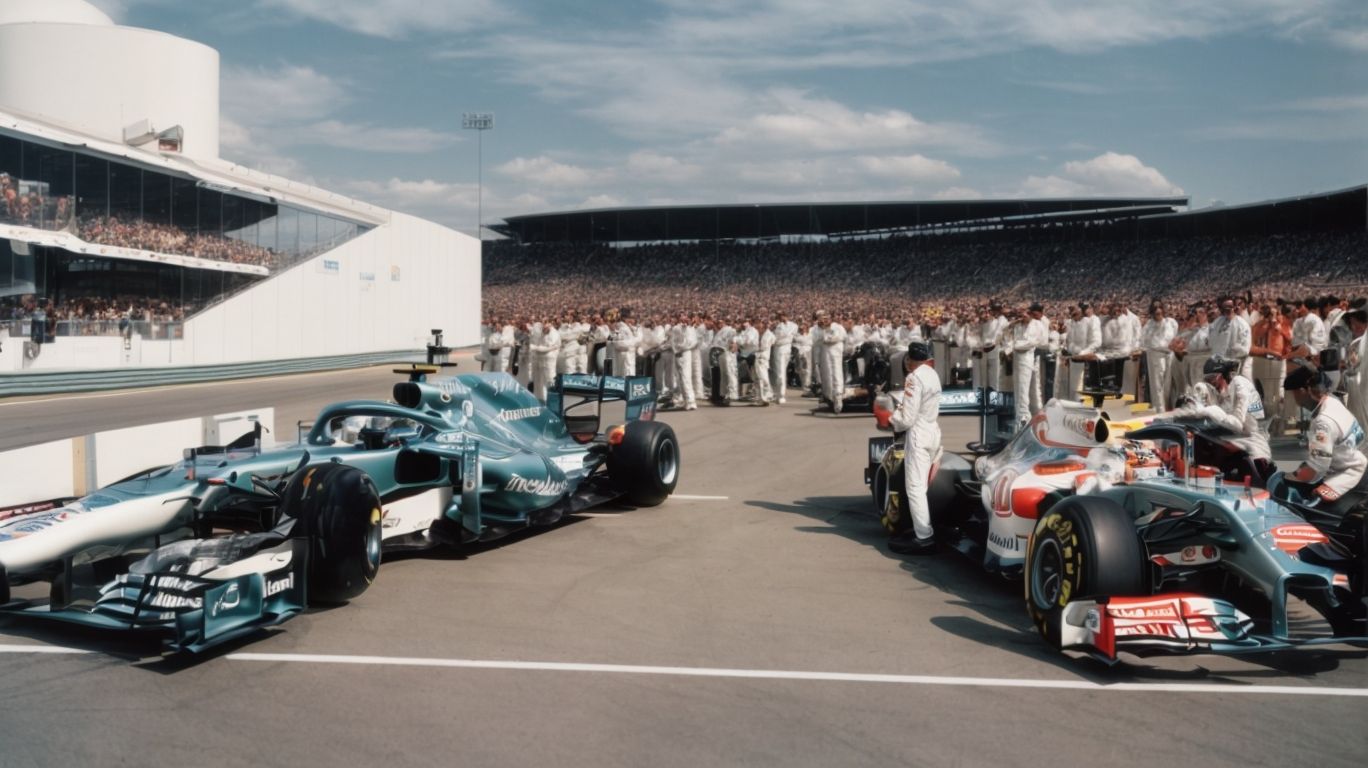
One prominent instance of this culture was seen when Racing Point, now Aston Martin, introduced a car that bore striking resemblance to Mercedes’ championship-winning 2019 car, leading to accusations of copying. The contentious issue revolved around the extent to which reverse engineering was allowed in the sport.
Regulations and technology play a significant role in shaping the practice of copycatting in F1. While regulations aim to prevent cloning of designs, loopholes and ambiguities allow teams to push the boundaries of interpretation. The evolution of technology has made it easier for teams to analyze and replicate intricate design features.
Is it Legal for F1 Teams to Copy Each Other?
The legality of F1 teams copying each other is a complex issue influenced by the sport’s regulations, intellectual property rights, and the specific circumstances of each case.
Design replication in Formula 1 comes under strict scrutiny to maintain fairness and uphold the integrity of the sport. The FIA, as the governing body, plays a crucial role in investigating allegations of team copying to ensure compliance with established rules. When suspicions arise, teams may face inquiries and potential penalties if found guilty of unauthorized design replication. These measures are in place to safeguard innovation within the sport and prevent an unfair advantage that could undermine competition on the track.
What is the FIA’s Stance on Copying in F1?
The FIA’s stance on copying in F1 is crucial, as it sets the tone for how teams navigate the boundaries of design replication, intellectual property protection, and technological innovation within the sport.
By actively monitoring and regulating copying practices, the FIA aims to maintain a level playing field among teams while encouraging originality and creativity. One prominent case that exemplifies the FIA’s intervention in copying issues is the controversy surrounding Racing Point’s ‘Pink Mercedes’ in 2020.
This incident raised questions about the extent to which a team can replicate another’s design components legally. The FIA’s ruling on the matter not only impacted Racing Point’s standings in the championship but also sparked conversations about the balance between imitation and innovation in F1.
What Are The Most Commonly Copied Components in F1?
In F1, certain components are frequently copied due to their impact on performance and the challenges associated with creating unique designs, with brake ducts being one of the most contentious areas of replication.
Teams often look to replicate successful designs to enhance their own competitiveness without reinventing the wheel. The intricate nature of brake ducts, responsible for cooling and aerodynamic performance, makes them a prime target for imitation. Controversies arise when the originality of a design is questioned, leading to heated debates and even legal actions among teams and manufacturers. Such disputes can influence the sport’s dynamics, affecting team standings, technological advancements, and the overall excitement of F1 races.
Front and Rear Wings
Front and rear wings in F1 are critical aerodynamic components that teams continuously innovate on to improve downforce, airflow management, and overall performance.
These wings are strategically designed to generate downforce, which enhances grip and helps the cars maintain high speeds through corners. The front wing is crucial for managing the airflow over and around the vehicle, optimizing handling and stability.
Teams like Mercedes and Red Bull have showcased remarkable innovation in their wing designs, utilizing advanced materials and intricate geometries to maximize aerodynamic efficiency. Their cutting-edge technologies push the boundaries of what is possible within the strict regulations of F1.
Replicating these designs presents significant challenges for other teams due to the complex interplay of factors such as aerodynamics, structural integrity, and overall vehicle balance.
Brake Ducts
Brake ducts have been a focal point of controversy in F1, especially with the ‘Pink Mercedes’ saga involving Racing Point and the similarities to components from Mercedes’ W10, raising questions about intellectual property and exclusivity.
These aerodynamic components play a crucial role in managing the airflow around the wheels, impacting the car’s performance and handling. In the case of Racing Point, the team found itself under scrutiny for allegedly replicating Mercedes’ design through detailed photos and data acquired legally. This incident sparked debates on where the line blurs between inspiration and imitation in Formula 1.
This controversy opens up discussions regarding the protection of intellectual property rights in the sport. Teams invest significant resources into research and development, aiming to gain a competitive edge. The blurred lines in the Racing Point case raise questions about the boundaries of what can be considered fair game in a high-stakes, technology-driven sport like F1.
Suspension Systems
Suspension systems in F1 are key components that impact handling, aerodynamics, and overall performance, with teams like Haas collaborating with Dallara and leveraging advanced technologies like 3D modeling for design development.
Suspension systems play a critical role in an F1 car’s performance, as they are responsible for maintaining contact between the tires and the track surface, ensuring optimal grip and stability. The design considerations for these systems are multifaceted, involving complex calculations for balancing performance with regulatory constraints such as weight limits and material restrictions set by the FIA.
Technological advancements have revolutionized suspension design in F1, with teams employing cutting-edge tools like computer simulations and wind tunnel testing to refine the geometry and characteristics of their systems. For instance, the collaboration between Haas and Dallara exemplifies how expertise from different domains can be combined to achieve innovative solutions in suspension technology.
Floor Designs
The floor designs in F1 play a vital role in managing airflow, optimizing downforce, and enhancing overall performance, with Racing Point’s developments in Barcelona highlighting the importance of innovation in this area.
F1 teams meticulously design their floors to exploit aerodynamic advantages, channeling airflow to maximize grip and stability. The intricate grooves, ridges, and cuts in the floor surface are strategically placed to improve the car’s cornering abilities and balance.
Understanding the complexities of airflow dynamics underneath the cars is crucial for engineers to fine-tune the aerodynamics for optimal performance on different tracks.
Racing Point’s advancements in Barcelona exemplify the team’s commitment to pushing the boundaries of floor design, resulting in improved cornering speeds and lap times.
How Do F1 Teams Copy Each Other?
F1 teams employ various techniques for copying each other, including reverse engineering of components, analyzing photographs and videos for design insights, and utilizing wind tunnel testing to validate aerodynamic performance.
Regarding reverse engineering in Formula 1, teams carefully dissect competitors’ components to understand their design principles and manufacturing techniques. This process involves detailed analysis of not just the external appearance but also the internal structures and materials used.
- Visual information sources, such as photographs taken during races or testing sessions, play a crucial role in providing teams with valuable insights into the intricate details of their rivals’ cars.
- Wind tunnel testing serves as a vital tool for teams to replicate real-world conditions and validate the aerodynamic efficiency of their own designs against those of their competitors.
Reverse Engineering
Reverse engineering is a common practice in F1, involving the disassembly and analysis of components to understand their design principles, materials, and manufacturing processes, with figures like Toto Wolff advocating for ethical and legal boundaries in this area.
This process is crucial in Formula 1 as teams strive to gain a competitive edge. By reverse engineering components from rival teams or dissecting their own parts, engineers can uncover innovative solutions, uncovering performance secrets that may not be evident through traditional means. The technological implications are vast, with advancements in materials science and aerodynamics being key areas of focus.
Photographs and Videos
F1 teams leverage advanced technologies like scanning and high-speed cameras to capture detailed images and videos of competitor cars during events and tests, providing valuable insights for design emulation and performance benchmarking, as endorsed by figures like Andrew Shovlin.
These photographs and videos serve as crucial assets for engineers and designers in the understanding and reverse-engineering of innovative features implemented by rival teams.
By meticulously analyzing the captured visual data, F1 teams can decipher aerodynamic setups, suspension characteristics, and even specific material choices used in competitor vehicles.
The utilization of cutting-edge scanning devices and ultra-high-resolution cameras guarantees that every minute detail is documented, aiding in the reproduction of intricate design elements such as chassis structures, wing configurations, and exhaust layouts.
Wind Tunnel Testing
Wind tunnel testing is a sophisticated practice in F1, involving the simulation of aerodynamic flow structures and performance metrics to refine designs, with experts and media outlets like Sky covering the advancements made by aerodynamicists in this field.
This method allows F1 teams to assess the aerodynamic efficiency of their cars in a controlled environment, helping them fine-tune aspects such as downforce, drag, and overall performance.
Aerodynamicists play a crucial role in interpreting wind tunnel data, enabling them to make strategic design decisions and enhance the vehicle’s competitive edge on the track.
The accuracy of wind tunnel testing is paramount, with advanced techniques like Particle Image Velocimetry (PIV) and pressure-sensitive paint being employed to capture intricate flow patterns and pressure differentials.
What Are The Risks of Copying in F1?
Copying in F1 poses various risks, including legal challenges, breaches of regulations, and the need for expert consultancy to navigate the boundaries of design imitation within the sport.
When considering the legal implications of copying in F1, teams must be cautious of potential copyright infringement and intellectual property violations. The intricate nature of F1 technology and design makes it crucial to understand the regulatory constraints that govern the sport to avoid penalties or disqualifications.
Seeking expert advice can help teams interpret the fine line between inspiration and replication in car design, ensuring compliance with the rules while striving for innovation within the competitive landscape.
Legal Challenges
Legal challenges in F1 copying involve intricate laws, investigative methodologies, and the assessment of commercially available components to determine breaches of intellectual property or regulatory constraints.
One of the main legal hurdles faced by Formula 1 teams engaging in copying practices is the enforcement of stringent intellectual property laws. These laws are designed to protect the unique design elements, innovations, and technologies developed by each team, ensuring fair competition and rewarding creativity. Enforcement of intellectual property laws involves pursuing legal action against those who infringe upon patented or copyrighted materials, from entire car designs to intricate components.
Investigative methodologies employed in F1 copying cases are sophisticated and detailed. Teams may utilize forensic analysis, reverse engineering techniques, and expert testimonies to gather evidence and substantiate their claims of intellectual property infringement. These investigations delve deep into the intricacies of the copied components, identifying similarities and discrepancies to establish a strong case.
When evaluating commercially available solutions to address potential breaches, F1 teams must diligently scrutinize the sources and authenticity of these components. The assessment involves cross-referencing original design specifications, conducting performance tests, and seeking expert advice to ensure compliance with intellectual property laws and regulations. By carefully navigating these legal complexities and investigative processes, F1 teams strive to uphold the integrity of the sport and protect their intellectual property rights.
Loss of Innovation and Creativity
The risk of copying in F1 extends beyond legalities, potentially leading to a loss of innovation, creativity, and the foundational concepts that drive technological advancements in the sport, raising concerns about breaching established norms set by the FIA.
When teams resort to simply replicating successful designs from their competitors rather than investing in research and development, the essence of competition is at stake. This practice not only hampers the pursuit of excellence but also stifles the ingenuity that has historically defined F1. Originality becomes compromised, hindering the continuous evolution of car designs, engineering techniques, and racing strategies.
The sport’s integrity is at risk when regulations are circumvented, eroding the foundation of fair play. The FIA plays a crucial role in maintaining a level playing field and fostering a culture where innovation thrives within the boundaries of established rules and guidelines.
Thus, the implications of unchecked copying transcend mere legality, influencing the very fabric of F1’s competitive landscape and the trajectory of technological progress in the sport.
Negative Impact on Smaller Teams
Copying practices in F1 can disproportionately affect smaller teams, limiting their ability to establish unique design concepts, implement advanced technologies, and push the boundaries of innovation within the sport.
These challenges pose significant hurdles for smaller F1 teams striving to compete against larger, more resourceful counterparts. With limited budgets and personnel, these teams often struggle to keep up with the rapidly evolving technological landscape.
Stricter adherence to design boundaries, influenced by copying practices, can stifle the creativity and variety of approaches that smaller teams bring to the table. This not only impacts their competitiveness but also hampers the overall diversity and ingenuity that could flourish in the sport.
What Are The Benefits of Copying in F1?
Copying in F1 can offer benefits such as accelerated development pace, access to proven upgrades, and the opportunity to stay competitive within the regulatory framework established by the FIA.
Teams like Racing Point have strategically utilized the concept of reverse engineering and replication to leverage the expertise and innovation of leading competitors. By integrating successful design elements from other teams, they can enhance their own performance and bridge the gap with the top contenders.
- This practice accelerates the learning curve for newer teams entering the sport, allowing them to quickly grasp the intricacies of aerodynamics, powertrains, and overall vehicle dynamics.
- Through effective copying, teams can focus their resources on refining existing designs rather than starting from scratch, leading to more efficient utilization of time and budget.
- By staying abreast of technological advancements within the sport, teams can ensure that they remain relevant and competitive without compromising on innovation and creativity.
Cost Savings
Cost savings are a significant benefit of copying in F1, allowing teams to leverage existing designs, collaborate with strategic associates, and allocate resources to other aspects like R&D and championship pursuits.
By sharing designs, Formula 1 teams can streamline their production processes, thus reducing costs associated with designing vehicles from scratch. This not only saves time but also enables teams to reallocate financial resources strategically. Forming partnerships with key associates allows teams to access specialized expertise and resources that may not be readily available in-house. Such collaborations enhance technical capabilities and foster innovation, ultimately boosting a team’s competitiveness on the track.
Improved Performance
Improved performance through copying in F1 can lead to enhanced grid positions, competitive advantages across the season, and the replication of successful design elements without resorting to plagiarism.
In Formula One, the concept of reverse engineering and emulation allows teams to quickly adopt efficient solutions seen in other cars, which can catapult them ahead on the grid.
- By mimicking innovations like aerodynamic packages or suspension setups, teams can optimize their own vehicles for better performance outcomes.
- This strategic copying not only impacts a team’s race day success but also influences their overall standings in the championship.
The ethical boundary, however, lies in distinguishing between legitimate inspiration and unethical plagiarism that infringes on intellectual property or design rights.
Level Playing Field
Creating a level playing field through copying in F1 promotes fair competition, encourages dynamic upgrades in performance, and aligns teams’ pace of development with the regulatory standards set by the FIA.
When teams are allowed to learn from, emulate, and draw inspiration from the technological innovations of others, it sparks a cycle of innovation and improvement across the grid. This system of copying acts as a catalyst for performance parity, as teams are constantly striving to outdo one another through incremental upgrades and refinements.
In essence, the process of copying spurs healthy competition, pushing teams to explore new avenues of development and experiment with novel technologies to gain a competitive edge. It incentivizes timely upgrades and enhancements, as falling behind in the arms race of technological advancements can quickly relegate a team to the back of the grid.
By adhering to the FIA regulations regarding intellectual property rights and design originality, teams can ensure a level playing field where integrity and fairness are upheld. It fosters an environment where success is determined by skill, strategy, and execution rather than pure financial might or resource advantage.
Frequently Asked Questions
Can F1 Teams Copy Each Other?
No, F1 teams are not allowed to copy each other’s designs or technology.
What is the purpose of the rule against copying in F1?
The rule against copying is in place to promote innovation and competition within the sport.
Are there any exceptions to the rule against copying in F1?
Yes, F1 teams are allowed to share certain components, such as engines, but they must still design their own chassis and aerodynamic parts.
How does F1 regulate and enforce the rule against copying?
F1 has a technical department that closely monitors the designs and technology used by each team to ensure compliance with the rules.
Have there been any controversies surrounding teams copying each other in F1?
Yes, there have been several instances where teams have been accused of copying each other’s designs, leading to disputes and investigations by F1 officials.
Can teams collaborate or share ideas in F1 without violating the rule against copying?
Yes, teams are allowed to collaborate and share ideas, but they must still design and develop their own unique components and technology.