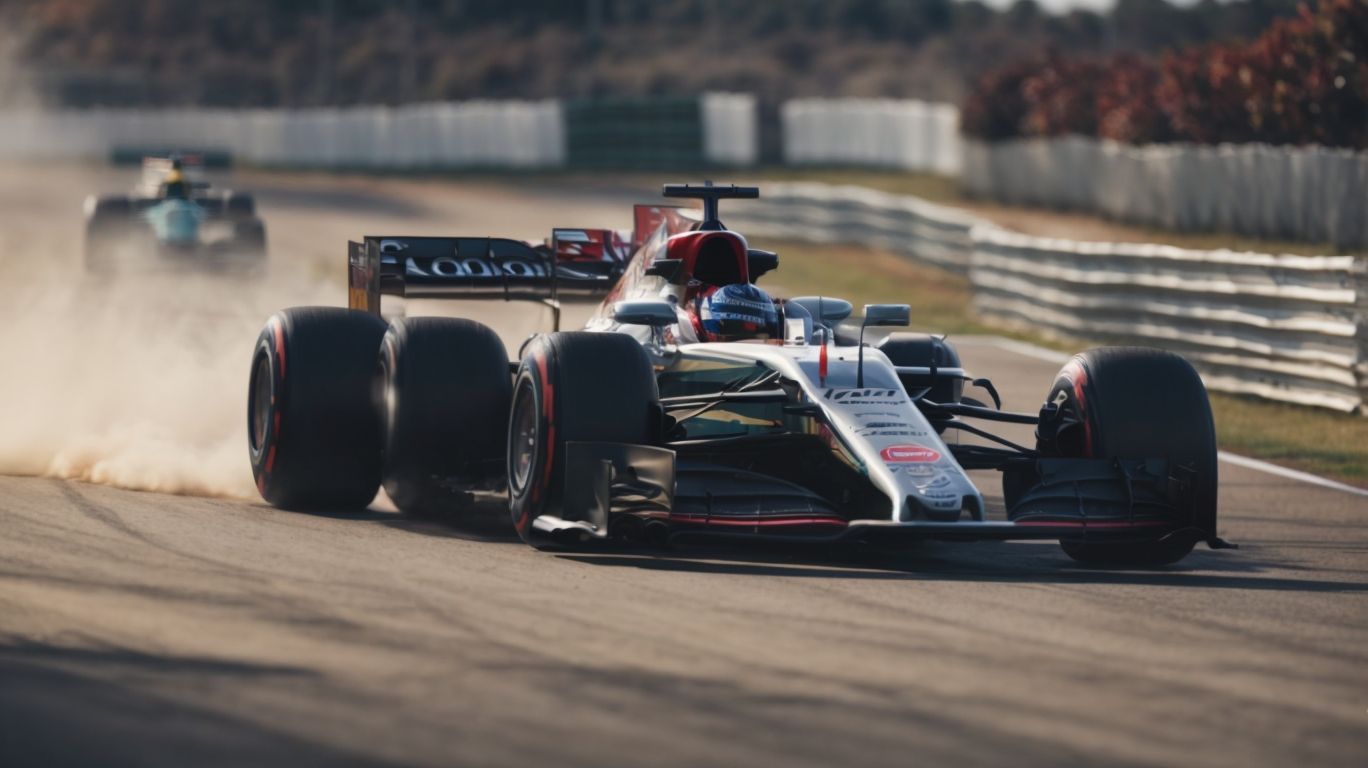
Can F1 Teams Use Old Cars?
Have you ever wondered if Formula 1 teams can use old cars?
We delve into the rules and regulations surrounding the use of old F1 cars, including the FIA Technical and Sporting Regulations.
Discover what defines an “old” F1 car and the restrictions that come with using them, such as testing and race limitations.
Explore the reasons why a team might choose to use an old car, as well as any exceptions to the restrictions.
Learn about the risks and challenges associated with using old F1 cars.
Key Takeaways:
Can F1 Teams Use Old Cars?
Formula 1 teams face the question of whether they can utilize older cars in their racing endeavors.
While the idea of using older F1 cars may seem appealing due to nostalgia and potential cost savings, it is crucial to consider the regulations that govern such decisions. The governing body of Formula 1, the FIA, has strict rules regarding the technical specifications and safety features of cars that can be used in races. These regulations aim to ensure fair competition and prioritize the safety of drivers and spectators alike.
Despite the limitations imposed by regulations, there are undeniable benefits to utilizing older F1 cars. Teams can benefit from the rich data and insights accumulated over the years of racing these cars, providing valuable knowledge that can be leveraged to enhance performance and efficiency.
What Are the Rules and Regulations Regarding F1 Cars?
The FIA enforces strict rules and regulations governing the design and performance of Formula 1 cars.
“
These regulations cover various aspects such as aerodynamics, safety features, engine specifications, and more, ensuring a level playing field among teams. Compliance with these rules not only determines the legality of the cars but also influences their performance levels on the track. Teams invest significant resources in research and development to maximize their cars’ potential within these regulations, leading to constant innovation in materials, technologies, and strategies. The FIA’s stringent oversight fosters a competitive environment that drives advancements in automotive engineering and pushes the boundaries of what’s possible in Formula 1 racing.
FIA Technical Regulations
The FIA Technical Regulations set standards for aerodynamics, safety, and infrastructure in Formula 1 cars.
These regulations govern the design and construction of the cars, dictating specific dimensions and materials for the chassis, bodywork, and components to ensure both performance and safety. They also delve into the intricate details of aerodynamic elements, such as wings, diffusers, and bargeboards, emphasizing the importance of maintaining proper airflow to enhance downforce and stability on the track.
Safety protocols mandated by the FIA include roll structures, cockpit dimensions, crash tests, and fire safety measures to safeguard the drivers in case of accidents. These stringent regulations aim to minimize risks and maximize driver protection during high-speed races.
FIA Sporting Regulations
The FIA Sporting Regulations govern logistical operations, resource management, and competitive conduct within Formula 1.
These regulations serve as the backbone of Formula 1 races, ensuring fairness, safety, and integrity throughout the competition. From defining rules for team personnel behavior to setting standards for car specifications, the FIA guidelines are meticulously crafted to maintain the sport’s high standards. The regulations also cover crucial aspects like race schedules, track configurations, and pit stop procedures, all aimed at enhancing the overall racing experience.
By meticulously outlining procedures for team operations, driver conduct, and technical specifications, the FIA Sporting Regulations create a level playing field where skill and strategy are the ultimate determinants of success.
What Is the Definition of an ‘Old’ F1 Car?
In the context of Formula 1, the term ‘old‘ car refers to vehicles from previous eras in the sport’s rich history.
These old F1 cars hold a special place in the hearts of racing enthusiasts, showcasing a blend of nostalgia and innovation. As Formula 1 has progressed over the years, with advancements in aerodynamics, engine technology, and safety features, the old cars stand as a testament to the evolution of racing engineering.
The design language of these old cars differs significantly from the sleek and futuristic machines seen on the current F1 grid. From the exposed open wheels to the intricate bodywork, each old car tells a unique story of its era.
What Are the Restrictions on Using Old F1 Cars?
Formula 1 imposes specific limitations on the usage of older cars, encompassing testing and race scenarios.
These restrictions are implemented to ensure fair competition, driver safety, and to prevent teams from gaining undue advantage by using outdated technology. According to the regulations, teams are prohibited from using cars that are more than two years old during official testing sessions and race weekends. There are exceptions granted in certain circumstances, such as promotional events or demonstration runs, where older cars can be showcased to fans.
Compliance with these rules is rigorously monitored by the FIA, the governing body of Formula 1, which conducts thorough audits and inspections to enforce the regulations.
Testing Restrictions
Formula 1 testing restrictions regulate the extent to which teams can utilize older cars for engineering evaluations and performance assessments.
These restrictions pose significant challenges for teams, as they limit the opportunity to gather vital data from previous car models. Engineers often find themselves in a puzzling situation, where they must adapt their testing strategies to work within these constraints.
Operational challenges further exacerbate the situation, as maintaining and calibrating older vehicles to meet current standards can be a daunting task. This struggle impacts the overall performance evaluations, making it harder to gauge the true potential of the cars under limited testing conditions.
Race Restrictions
Formula 1 race restrictions dictate the conditions under which teams can deploy older cars in competitive events, highlighting operational challenges and logistical considerations.
One of the primary constraints faced when using old F1 cars in race settings is the staffing requirements. Teams need to ensure they have experienced mechanics and engineers who are familiar with the specific model of the older car, as maintaining and operating these vehicles can be more complex than modern counterparts. This can put a strain on resources and expertise, potentially impacting the team’s overall performance.
Along with staffing challenges, operational hurdles also play a significant role. Older F1 cars may require more frequent maintenance and tuning to perform at their best, resulting in increased costs and time investments. Ensuring that the vehicle adheres to current safety regulations and technical specifications also adds another layer of complexity to the operational aspect.
Deploying older cars in a competitive racing environment can pose competitive disadvantages. These vehicles may lack the advanced aerodynamics, engine power, and technical features of newer models, putting the team at a disadvantage against competitors with the latest technology. This can impact the team’s ability to compete effectively and achieve desirable results, highlighting the strategic implications of using outdated machinery in modern racing competitions.
Why Would an F1 Team Want to Use an Old Car?
There are several reasons why a Formula 1 team may opt to utilize an older car in their racing activities.
One of the primary motivations behind utilizing older F1 cars is the cost considerations involved. In the realm of competitive motorsport, budgeting plays a significant role, and using an older car can often be a more economical choice compared to investing in the latest models. Older cars provide teams with development opportunities as they can experiment with modifications and setups without risking their primary race cars. This allows teams to innovate and refine their techniques before implementing them in the current-season vehicles.
Driving older F1 cars can also serve as a way to enhance the drivers’ skills and adaptability. These cars often require a different driving style, offering drivers a chance to broaden their experience and improve their mastery on diverse types of machinery.”
Cost Savings
One of the primary incentives for F1 teams to use old cars is the potential cost savings associated with avoiding significant investments in new vehicle designs.
By leveraging existing technologies and chassis, teams can redirect their financial resources towards other crucial aspects, such as aerodynamics, engine optimization, and driver development. This strategic approach not only helps in maintaining a competitive edge on the track but also enhances overall team performance.
Reusing older F1 cars enables teams to allocate their resources more efficiently, focusing on fine-tuning and enhancing the existing vehicle rather than starting from scratch each season. This optimized resource allocation contributes to streamlined operations and improved budget management, which are vital in the highly competitive world of Formula 1 racing.
Familiarity and Reliability
The familiarity and reliability of an old car, such as the Red Bull F1, can provide teams with a sense of comfort and proven performance capabilities.
When a team is working with a car that has a long history of success, like the Red Bull F1, it instills a sense of confidence in the drivers and the entire crew.
The operational reliability of these familiar vehicles means that teams can focus more on fine-tuning performance rather than troubleshooting constant mechanical issues.
The consistent performance demonstrated by well-established cars like the Red Bull F1 allows for more predictable outcomes on the track, enhancing strategic decision-making during races.
Development and Testing
Older F1 cars offer valuable opportunities for development and testing, allowing teams to refine engineering concepts and optimize performance parameters.
By utilizing old F1 cars, engineers can delve deeper into the intricacies of vehicle dynamics, aerodynamics, and mechanical systems, honing their skills in tackling challenging scenarios. These cars serve as a canvas for innovation, where modifications and adjustments can be tested with precision, providing a platform to push the boundaries of technological advancements in motorsport.
The rich history and heritage associated with these iconic vehicles infuse a sense of tradition and craftsmanship into the design process, inspiring engineers to blend the nostalgia of the past with the cutting-edge technologies of the present.
Are There Any Exceptions to the Restrictions on Using Old F1 Cars?
Formula 1 may permit exceptions to the standard restrictions on the usage of older cars in specific scenarios.
One notable circumstance under which exceptions could be granted is during historic events where showcasing classic F1 cars adds a nostalgic touch to the celebration. This not only honors the sport’s rich heritage but also captivates fans by bringing iconic machines back to the track.
Private testing opportunities provide a unique setting for teams or drivers to explore the capabilities of older cars without the competitive pressures of a race weekend. Promotional showcases, such as demo runs and exhibitions, offer an avenue for vintage F1 cars to shine before audiences, contributing to the overall spectacle of the sport.
Historic Events
Historic F1 events, like Ferrari Corse Clienti, provide platforms for showcasing iconic cars and legendary drivers such as Michael Schumacher.
These events not only celebrate the rich heritage of Formula 1 racing but also serve as a testament to the legacy left behind by some of the greatest drivers in the sport’s history.
The gatherings like these offer enthusiasts a rare opportunity to witness classic cars in action, their engines roaring with the nostalgia of a bygone era.
The thrill of seeing these powerful machines driven by skilled hands brings alive the stories and achievements of racing legends who have shaped the sport into what it is today.
Demonstrations and Promotional Events
Formula 1 demonstrations and promotional events, exemplified by teams like Andrea Moda, offer opportunities for showcasing old cars to enthusiasts and fans.
These events play a crucial role in keeping the spirit of historic racing alive, allowing spectators to witness iconic vehicles from the past up close. By featuring classic F1 cars, organizers not only engage the current fan base but also attract new followers who are intrigued by the sport’s rich history. Old F1 cars hold a special place in the hearts of enthusiasts, serving as a reminder of the evolution and technological advancements in the sport over the years.
Private Testing
Private testing sessions with old F1 cars, like the Arrows A23, present unique challenges and opportunities for teams to explore performance capabilities in controlled environments.
One of the primary operational challenges faced during such private testing sessions is maintaining the delicate balance between pushing the car to its limits without risking mechanical failures or accidents. These sessions allow engineers to conduct thorough performance assessments by analyzing data from the car’s behavior on the track, helping them fine-tune aerodynamics, suspension setups, and overall vehicle dynamics.
What Are the Risks and Challenges of Using Old F1 Cars?
While utilizing old F1 cars can offer benefits, there are inherent risks and challenges associated with their operation and performance.
One of the primary safety concerns when using old F1 cars is the lack of modern safety features, such as advanced crash protection systems and driver aids, which are essential in ensuring driver safety.
Technical limitations come into play as these cars may not meet current performance standards due to outdated technology and aerodynamic designs, leading to potential competitive disadvantages on the track.
Managing these risks requires strict adherence to maintenance schedules, thorough inspections, and proper driver training to mitigate the chances of accidents and mechanical failures.
Safety Concerns
Safety concerns surrounding old F1 cars, such as those used by Super Aguri, center on outdated design features and material weaknesses that may compromise driver well-being.
Issues related to the safety of old Formula 1 cars pose significant challenges due to advancements in technology and safety standards over the years. These cars, although marvels of engineering in their time, often lacked modern safety mechanisms and structural integrity that are taken for granted in today’s racing machines.
Specific design flaws, like minimal crumple zones and the absence of impact-absorbing structures, make these vintage F1 cars particularly vulnerable in high-speed crashes. The use of materials that have become obsolete in terms of strength and impact absorption further exacerbates these safety concerns.
Technical Limitations
Old F1 cars, exemplified by the BAR 007, may face technical limitations due to outdated technologies and performance standards that hinder competitive capabilities.
These challenges are notably highlighted in the context of the BAR 007, a car that dates back to the early 2000s, where innovative features like the ‘twin keel’ front suspension system and mid-race refueling were cutting-edge at the time, but have since become obsolete in the rapidly evolving world of Formula 1.
Performance gaps start to emerge when comparing the aerodynamics, power units, and overall chassis design of older models like the BAR 007 against the current generation of hyper-optimized machines that incorporate advanced materials, simulators, and data analytics to constantly push the boundaries of speed and efficiency.
Competitive Disadvantage
Old F1 cars, like those from McLaren, may place teams at a competitive disadvantage due to performance disparities, staffing constraints, and operational inefficiencies.
When teams opt to use older F1 cars, they often face significant challenges in keeping up with the rapidly evolving technology and aerodynamic advancements seen in the sport. The performance gaps between older models and current vehicles can be quite substantial, affecting a team’s ability to compete at the highest level.
Staffing becomes a critical issue as expertise in maintaining and optimizing older machinery may be limited. This can lead to increased downtime, higher maintenance costs, and overall inefficiencies in running the car.
Strategically, relying on outdated F1 cars can hamper a team’s adaptability and responsiveness during races, as the vehicle may lack the agility, speed, and cutting-edge features necessary to outperform competitors.
Conclusion
The utilization of old F1 cars presents a complex interplay of operational challenges, competitive dynamics, and performance considerations for teams in the modern racing landscape.
Operating vintage F1 vehicles involves intricate logistical maneuvers due to the scarcity of spare parts and specialized maintenance skills required for these historic machines. Teams often face the dilemma of balancing the nostalgia and heritage associated with these cars with the need for optimal performance on the track.
Competitive assessments in vintage F1 racing bring forth the juxtaposition of traditional racing techniques with contemporary strategies, testing drivers’ adaptability and expertise across different eras of motorsport.
Frequently Asked Questions
Can F1 Teams Use Old Cars?
Can F1 teams use old cars in races?
No, F1 teams are required to use cars that meet the current regulations and specifications set by the FIA (Federation Internationale de l’Automobile).
Can F1 Teams Use Old Cars?
Can F1 teams use old cars for testing purposes?
Yes, F1 teams are allowed to use older cars for testing, but they must still adhere to certain regulations and limitations set by the FIA.
Can F1 Teams Use Old Cars?
Can F1 teams use old cars in exhibition events?
Yes, F1 teams are sometimes allowed to use older cars for demonstration events or exhibition races, as long as they are not competing against current F1 cars.
Can F1 Teams Use Old Cars?
Can F1 teams use old cars from other teams?
No, F1 teams are not allowed to use cars from other teams, even if they are old or no longer being used in races.
Can F1 Teams Use Old Cars?
Can F1 teams use old cars from previous seasons?
Yes, F1 teams are allowed to use cars from previous seasons, but they must still meet the current regulations and specifications.
Can F1 Teams Use Old Cars?
Can F1 teams use old cars in special circumstances?
Yes, in rare cases, such as extreme weather conditions or unforeseen circumstances, F1 teams may be allowed to use older cars during a race weekend with special permission from the FIA.