Is F1 Harder Than Motogp?
Are you a fan of high-speed racing and adrenaline-fueled competition?
If so, you’ve likely pondered the age-old question: Is Formula 1 harder than MotoGP?
We will delve into the key differences between these two thrilling sports, from vehicle types and track designs to racing strategies and team dynamics.
We will also explore the physical and mental demands of each sport, as well as the level of risk and danger involved.
Get ready to find out which sport reigns supreme in the world of motorsports!
Key Takeaways:
What Makes F1 and MotoGP Different?
The distinction between F1 and MotoGP lies in various aspects such as vehicle type, track design, racing strategy, and team dynamics.
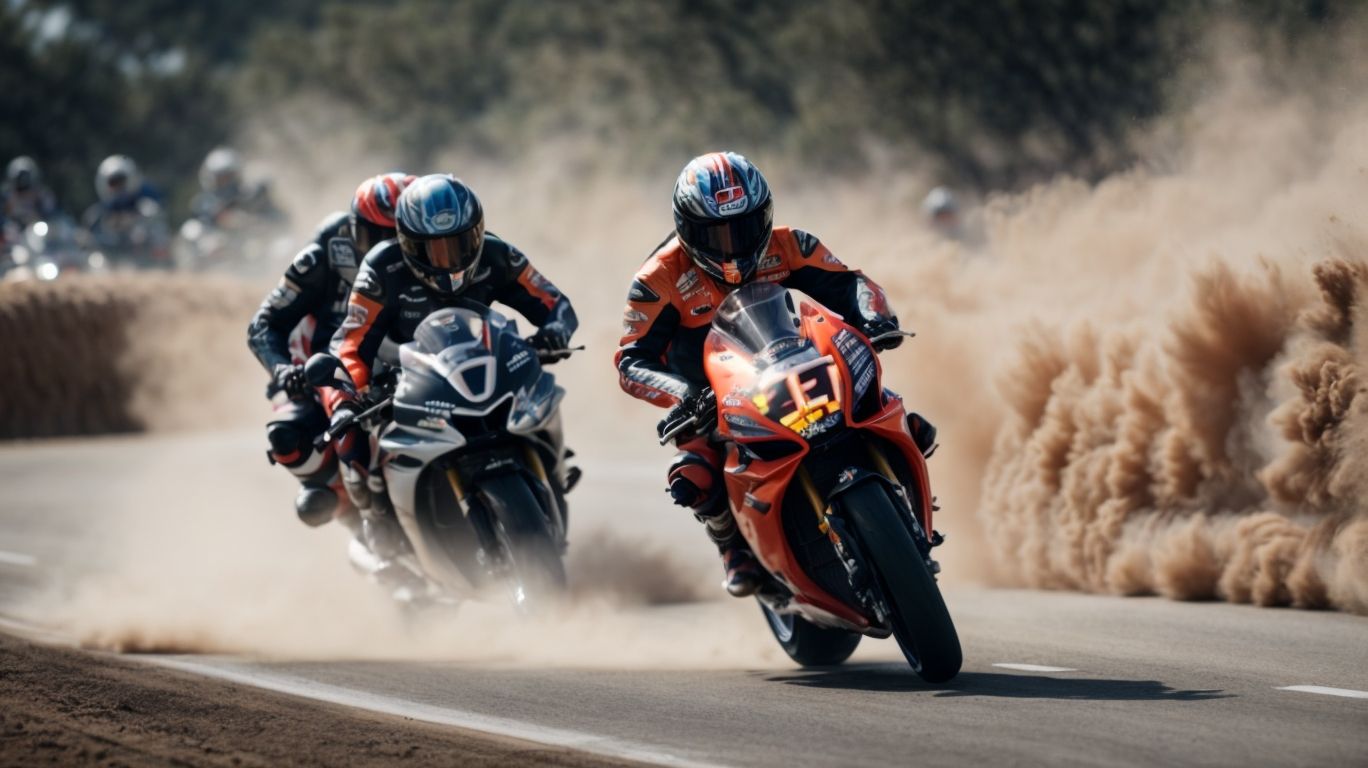
In the world of MotoGP, riders like Marc Márquez and Valentino Rossi dominate the scene with their unparalleled skills and fierce competition. The MotoGP machines, characterized by their lightweight and nimble motorcycles, ride on various track types ranging from traditional circuits to street circuits. The strategic approach in MotoGP centers around tire management, overtaking techniques, and making split-second decisions during races.
On the contrary, F1 cars, designed by teams like Red Bull Racing, are aerodynamically advanced and faster, offering a different racing experience with emphasis on high-speed performance on diverse tracks like the Red Bull Ring in Austria.
Vehicle Type
The vehicle type used in F1 and MotoGP significantly impacts their performance, with cars and bikes showcasing distinct features in terms of acceleration, top speed, downforce, and braking capabilities.
In Formula 1 racing, the cars are known for their lightning-fast acceleration, reaching 0-60 mph in less than 2 seconds, thanks to their powerful hybrid engines and advanced technology.
On the other hand, MotoGP bikes may not match the sheer speed of F1 cars in a straight line, but their agility and cornering capabilities are unmatched due to their lightweight frame and nimble design.
The aerodynamics play a crucial role in both F1 cars and MotoGP bikes, with F1 cars using intricate wings and diffusers to maximize downforce for better grip, while MotoGP bikes rely on their streamlined bodywork to cut through the air efficiently.
Track Design
The track design in F1 and MotoGP plays a crucial role in determining the speed, tire wear, aerodynamic efficiency, and cornering challenges faced by drivers in each race.
For example, the Red Bull Ring in Austria features a unique layout with fast straights and tight corners, demanding a delicate balance between high-speed capabilities and precise cornering skills. This type of track design not only tests a driver’s skill but also places a significant emphasis on managing tire wear over the course of a race.
The way a track is configured affects not only lap times but also the overall strategy for teams and drivers. Faster tracks with long straights favor teams with superior aerodynamic packages, while twisty circuits with numerous corners require a car that excels in cornering prowess.
Racing Strategy
Racing strategy in F1 and MotoGP involves meticulous planning for overtaking opportunities, managing laps effectively, optimizing grid positions, aiming for the podium, and ultimately contending for the championship.
Rule changes play a significant role in shaping the dynamics of races, influencing driver decisions and team strategies. In the pursuit of securing a podium finish, drivers constantly assess their overtaking options, strategizing on when and where to make their moves. Lap management becomes crucial to maintain consistency in performance throughout the race, balancing speed with tire wear and fuel consumption. Grid positioning at the start can often determine the initial momentum of a race, impacting a driver’s ability to gain positions early on and avoid potential incidents.
Team Dynamics
Team dynamics in F1 and MotoGP encompass elements such as prioritizing safety, utilizing advanced electronics, providing entertainment value for fans, engaging with viewership, and leveraging social media for broader reach.
Collaboration within both F1 and MotoGP teams is crucial to ensure that all safety protocols are meticulously followed, especially in high-speed environments where split-second decisions can make a significant impact. The incorporation of cutting-edge electronics has not only enhanced the performance levels but also increased the overall safety standards, making the races more thrilling yet secure.
The emphasis on providing entertainment beyond the races itself, such as through behind-the-scenes access, interactive experiences, and exclusive content, fosters a strong connection with followers, contributing to enhanced fan engagement. This direct involvement in fan experiences not only ensures loyalty but also attracts new followers and sponsors, driving financial growth and boosting event attendance.
Social media platforms act as a powerful tool for teams to interact with their audience, offering a more personalized and interactive approach, which in turn increases visibility and broadens the reach of the sport.
Which Sport Requires More Physical Fitness?
Comparing the physical demands of F1 and MotoGP reveals distinct fitness requirements for drivers in both motorsport categories.
In Formula 1, drivers need to possess exceptional strength, agility, and endurance to withstand the intense G-forces experienced during high-speed corners and rapid accelerations, such as the demanding turns at Monza or the twists and turns of the Monaco street circuit.
On the other hand, MotoGP riders rely heavily on lower body strength and flexibility to maneuver their bikes through sharp corners while maintaining balance at speeds exceeding 200 mph, like the breathtaking corkscrew turn at Laguna Seca.
Physical Demands of F1
F1 imposes rigorous physical demands on drivers, necessitating high endurance levels, muscular strength, and mental resilience to withstand the stresses of high-speed racing.
World Champion drivers like Sebastian Vettel dedicate hours to intense strength training sessions, focusing on core muscles, neck, and overall body conditioning. These athletes must endure races lasting over two hours, where they experience extreme G-forces and temperatures exceeding 50 degrees Celsius within the cockpit.
Competing in top-tier competitions such as the GT World Challenge Europe demands peak physical fitness to maintain optimal performance throughout the season. Drivers need to possess mental fortitude to make split-second decisions during high-pressure scenarios, showcasing their strategic prowess on the track.
Physical Demands of MotoGP
MotoGP demands exceptional physical fitness from riders, emphasizing agility, reflexes, core strength, and cardiovascular endurance for navigating demanding circuits and extreme racing conditions.
One of the crucial aspects of being a MotoGP rider is the need for unparalleled agility, allowing them to maneuver their motorcycles with precision on tracks that require split-second decisions and lightning-quick reflex responses. The intense cornering speeds and rapid acceleration in MotoGP races demand not only physical strength but also core stability, ensuring riders maintain control and balance throughout the grueling contests. The cardiovascular fitness required to withstand the high speeds and G-forces experienced while racing in leather-clad suits further underscores the importance of comprehensive physical conditioning in the world of motorcycle racing.
Which Sport Requires More Mental Strength?
Examining the mental demands of F1 and MotoGP underscores the critical role of mental strength in navigating the challenges of competitive motorsport.
The high-paced and adrenaline-fueled environments of these elite racing circuits require drivers to possess a keen focus that allows them to make split-second decisions under immense pressure. To succeed in these high-stakes competitions, racers must not only have exceptional driving skills and physical fitness but also a remarkably robust psychological fortitude that helps them overcome fear and self-doubt.
The strategic acumen needed in these races goes beyond just speed and precision; it involves understanding complex race tactics, anticipating opponents’ maneuvers, and adapting to unforeseen circumstances on the race track. This ability to think several steps ahead while maintaining extraordinary reflexes is what sets champions apart from the rest of the field.
Mental Demands of F1
F1 drivers face intense mental demands, balancing risk assessment, split-second decision-making, technological adaptability, and intense focus while navigating high-speed circuits.
Their ability to process information rapidly in dynamic situations is a critical skill, especially during decisive moments like overtaking maneuvers or avoiding potential crashes. The constant evolution of racing technology adds another layer of complexity, requiring drivers to quickly adapt to new systems and enhancements.
Managing the adrenaline rush and maintaining unwavering concentration amidst the chaos of the racetrack is a constant challenge. Every lap presents fresh obstacles, demanding precise judgement and flawless execution to minimize risks and bring home the coveted victory.
Mental Demands of MotoGP
MotoGP riders must exhibit exceptional mental resilience, precise throttle control, strategic risk management, and tactical awareness to navigate challenging tracks and fierce competition.
Every twist and turn on the race track presents a mental hurdle. The intense speed and precision required for each corner demand split-second decision-making, where a tiny miscalculation could spell disaster. Riders constantly battle adrenaline-fueled moments while maintaining focus.
The aerodynamics of the bike add another layer of complexity, requiring riders to not only understand but also adapt to the physics at play. This dynamic interplay of skill, courage, and strategy makes MotoGP a mesmerizing spectacle for fans and a proving ground for the riders’ abilities.
Which Sport Has More Competitive Racing?
Analyzing the competitive landscape of F1 and MotoGP unveils the thrilling nature of close finishes and strategic overtaking opportunities that define the essence of both sports.
In these high-octane racing competitions, the battle for track position is not merely about skill; it’s a blend of precision, wit, and the ability to read the race dynamics in real-time. The screeching tires, the roar of powerful engines, and the fierce competition create an electrifying atmosphere that keeps fans on the edge of their seats.
Traction control systems and intricately designed aerodynamics play a pivotal role in enhancing performance, enabling drivers to push the limits of speed and maneuverability. The intricate dance between throttle control and braking can make all the difference in securing a coveted overtake, emphasizing the need for split-second decision-making on the track.
Comparison of Close Finishes
Close finishes in F1 and MotoGP captivate audiences worldwide, adding an element of suspense, unpredictability, and entertainment value that resonates with fans and boosts viewership.
These nail-biting conclusions often lead to social media exploding with discussions, memes, and reactions, further engaging followers and casual viewers alike. The thrill of not knowing the outcome until the very last moment keeps spectators on the edge of their seats, turning each race into a gripping spectacle.
Drama unfolds as drivers or riders push their limits, trading places and strategies, showcasing their skills in maneuvering and tactics. Fans are drawn to the intense battles and adrenaline-pumping showdowns that can determine the championship outcome. The financial stakes are high, with sponsors, teams, and the entire racing industry benefiting from the heightened attention and interest generated by these close finishes.
Comparison of Overtaking Opportunities
The strategic use of overtaking opportunities in F1 and MotoGP races underscores the importance of skillful driving, racecraft mastery, and tactical maneuvers to outmaneuver opponents and gain positions on the track.
In Formula 1, with recent rule changes aimed at enhancing competition and reducing aerodynamic turbulence, drivers have had more chances to engage in thrilling battles for positions. This has not only heightened fan expectations for exciting maneuvers but also put a spotlight on the driver’s ability to capitalize on these overtaking windows. The diverse characteristics of tracks play a crucial role in where and how overtaking opportunities are utilized, as some circuits offer more passing chances due to long straights or tight corners.
Which Sport Has More Risk and Danger?
Evaluating the levels of risk and danger in F1 and MotoGP involves analyzing factors such as average speeds achieved and crash statistics to understand the inherent challenges faced by drivers in both sports.
One of the primary risk factors in these high-speed racing events is the sheer velocity at which drivers navigate the circuits, pushing the limits of their vehicles and their own skills. The combination of precision throttle control and optimal traction on the track is essential to maintaining stability at such intense speeds, underscoring the critical role of safety mechanisms in these high-stakes competitions.
Comparison of Average Speeds
The comparison of average speeds in F1 and MotoGP races underscores the adrenaline-inducing nature of high-speed competitions that carry inherent risks and challenges for drivers and teams.
These racing spectacles go beyond being mere sporting events; they are embodiments of cutting-edge technology, human skill, and the pursuit of speed. The blistering pace at which these machines fly around the tracks leaves spectators mesmerized and drivers on the edge of their seats.
Alongside the thrill of overtaking at breakneck speeds, there looms the constant specter of peril, with the slightest miscalculation resulting in catastrophic crashes. This element of danger adds a layer of complexity and excitement to the sport, separating the extraordinary from the ordinary.
The technical demands placed on drivers and teams are immense, requiring precision, lightning-fast reactions, and a deep understanding of machinery to navigate every twist and turn at unfathomable velocities.
Comparison of Crash Statistics
Examining crash statistics in F1 and MotoGP reveals the inherent dangers and risks drivers face, highlighting the importance of safety measures, protective gear like leather suits, and ongoing efforts to enhance driver security.
One of the critical elements in ensuring driver safety on the grid is the protective equipment they wear. In both F1 and MotoGP, leather suits and helmets play a fundamental role in minimizing the impact of crashes. These specialized gears are designed to shield the drivers from serious injuries during high-speed collisions. They not only protect against abrasions but also help absorb impact forces, reducing the risk of severe injuries. Advancements in technology have led to continuous improvements in the materials and construction of these protective gears, making them more efficient in safeguarding drivers.
Conclusion: Is F1 Harder Than MotoGP?
Reflecting on the physical and mental demands, the competitive nature, and the risk factors in both F1 and MotoGP, determining which sport is harder presents a multifaceted evaluation of the challenges faced by drivers in elite motorsport.
Regarding physical fitness, Formula 1 drivers undergo intense G-forces and higher speeds, requiring exceptional neck and core strength to withstand the forces exerted on their bodies during races. On the other hand, MotoGP riders need a different set of physical attributes, including strong legs and arms to handle the powerful bikes, constant shifting, and leaning into corners at extreme angles.
In terms of mental resilience, F1 drivers must maintain focus for longer durations due to the longer race distances and strategic intricacies, whereas MotoGP riders face split-second decisions in high-speed scenarios and the constantly changing track conditions that demand quick reflexes and adaptability.
The competitive intensity in both F1 and MotoGP is palpable, with drivers and riders constantly pushing the limits of their machines and skills to secure victories in prestigious races, aiming for coveted Championship titles that signify their supremacy in the sport.
Frequently Asked Questions
Is F1 harder than MotoGP?
Yes, F1 is generally considered to be harder than MotoGP due to its more complex and technically advanced cars.
What makes F1 harder than MotoGP?
F1 cars are designed to push the limits of speed and performance, requiring both physical and mental stamina from drivers. MotoGP bikes, while still challenging, are less complex and do not require as much physical strength.
Do F1 and MotoGP have different skill sets?
Yes, while both require high levels of skill and precision, F1 and MotoGP require different skill sets. F1 drivers must have excellent reflexes and physical strength, while MotoGP riders must have superb bike control and balance.
Are there any similarities between F1 and MotoGP?
Both F1 and MotoGP require drivers/riders to have a deep understanding and knowledge of their vehicle’s mechanics and performance. They also both require intense focus and concentration while racing.
Which sport is more physically demanding, F1 or MotoGP?
F1 is generally considered to be more physically demanding than MotoGP. F1 drivers must withstand extreme G-forces and endure high temperatures inside the car, while MotoGP riders also face physical challenges such as maintaining balance and control on the bike during high-speed turns.
Is there a difference in the mental aspect between F1 and MotoGP?
Yes, the mental aspect of F1 and MotoGP is different. F1 requires drivers to make split-second decisions and constantly analyze data while racing, while MotoGP riders must maintain focus and concentration for extended periods of time.