Why F1 is Better Than Nascar?
Are you a fan of motorsports? Do you enjoy watching high-speed races and witnessing the thrill of intense competition? If so, you’ve probably heard of Formula 1 (F1) and Nascar. These two racing series are among the most popular in the world, but what sets them apart?
In this article, we’ll explore the history of F1 and Nascar, the technical differences between their cars, the rules and regulations that govern each series, and the reasons why F1 is often considered superior to Nascar. So buckle up and get ready for a deep dive into the world of motorsports!
Key Takeaways:
What is F1 and Nascar?
NASCAR and Formula 1 (F1) are two of the most prominent motorsport racing series in the world, known for their high-speed races, cutting-edge cars, and passionate fan base.
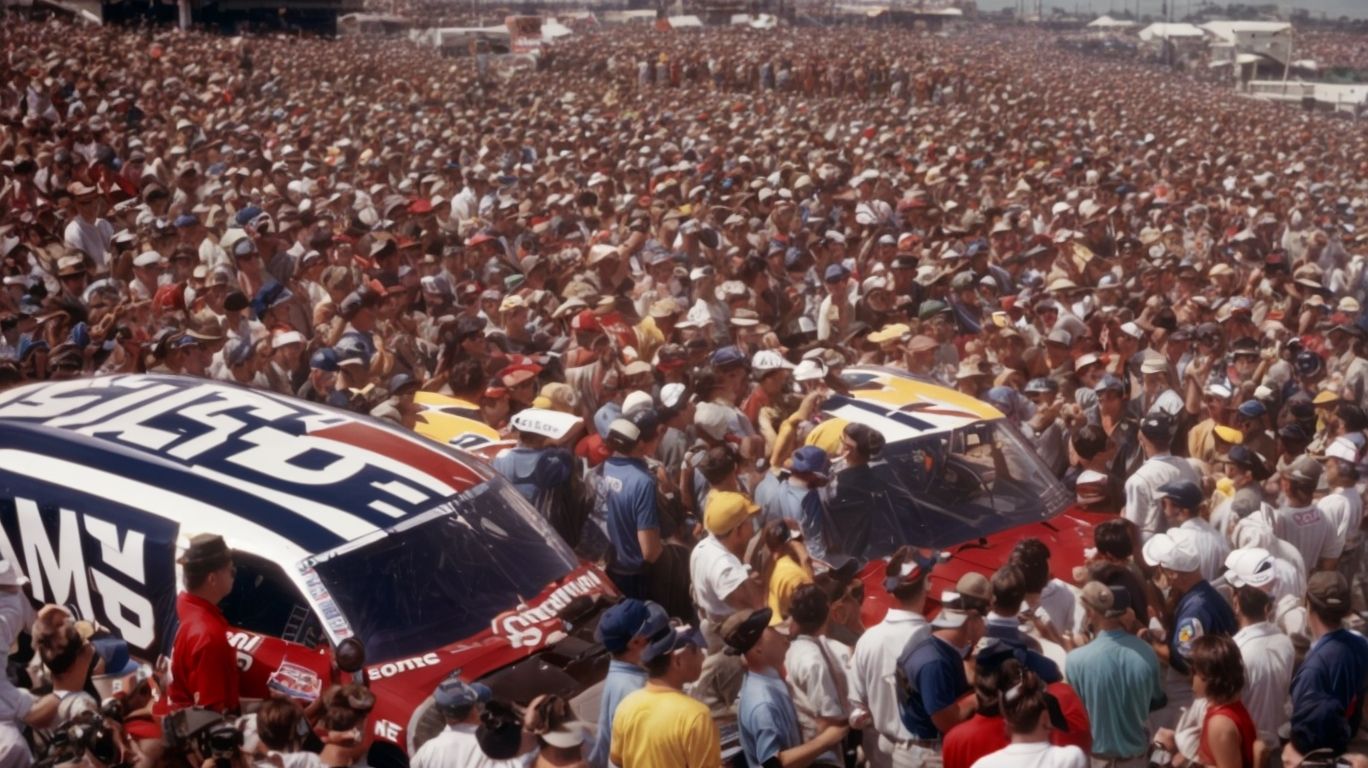
NASCAR, founded in 1948, primarily attracts American audiences with its vibrant race weekends held at various oval tracks across the United States, showcasing stock cars hurtling at incredible speeds.
On the other hand, Formula 1, with its global appeal, features races on diverse international circuits, with cutting-edge technology and elite driver talents vying for the prestigious World Drivers’ and Constructors’ Championships.
The intense competition in both series not only pushes the boundaries of performance but also fosters innovation in engineering, leading to advancements that often trickle down to consumer vehicles.
History of F1 and Nascar
The history of NASCAR and Formula 1 traces back to their origins in the United States and Europe respectively, evolving into globally recognized racing entities with dedicated fan bases and iconic events.
Originally, NASCAR, standing for the National Association for Stock Car Auto Racing, was founded in 1948 in the United States, becoming synonymous with the iconic oval tracks and close-contact racing. In contrast, Formula 1 originated in Europe, its roots dating back to the early 20th century, known for its high-speed, precision driving on diverse tracks across the globe. Both racing disciplines have seen immense growth in fan communities, with dedicated enthusiasts following their favorite drivers and teams religiously, adding to the electrifying atmosphere of race weekends.
How did F1 and Nascar Begin?
The inception of NASCAR can be traced back to the post-World War II era in America when bootleggers transformed their stock cars into race machines, while Formula 1 originated in Europe with a focus on international racing competition.
NASCAR, National Association for Stock Car Auto Racing, emerged from the Southern bootlegging culture, where drivers modified their cars to outrun the police during Prohibition. The first official race was held in 1949 on the sands of Daytona Beach, marking the beginning of a new era for stock car racing.
On the other hand, Formula 1 had a more aristocratic beginning in Europe, with a sophisticated racing environment that attracted wealthy competitors and manufacturers. The first World Championship race took place in Silverstone, UK, in 1950, setting the stage for high-speed international competition.
What are the Major Differences in the History of F1 and Nascar?
The major differences in the history of NASCAR and Formula 1 lie in their cultural backgrounds, with NASCAR gaining popularity among American fans through its emphasis on oval tracks and stock cars, while Formula 1 captivated a global audience with its high-tech open-wheel cars and prestigious events like the Monaco Grand Prix.
These divergent trajectories have shaped the essence of each racing series, with NASCAR embodying a sense of grassroots America and Formula 1 exuding an air of international sophistication. The differences in track types contribute to the distinctiveness of each sport; NASCAR’s circular tracks provide close, intense racing, while Formula 1’s diverse tracks around the world demand technical precision from drivers.
The evolution of car designs in both disciplines reflects their unique identities and fan bases. NASCAR’s regulation of stock car designs maintains a connection to its history and appeals to traditional values, while Formula 1’s constant push for innovation and aerodynamic advancements reflects a desire for cutting-edge technology.
Technical Differences between F1 and Nascar Cars
The technical disparities between NASCAR and Formula 1 cars are evident in their design philosophies, with NASCAR vehicles focusing on robust stock car bodies optimized for oval tracks, while Formula 1 cars showcase sleek aerodynamic open-wheel designs tailored for diverse international circuits.
In the realm of engineering, NASCAR cars are renowned for their durability and ability to withstand high-speed collisions, owing to their heavy construction and solid frames.
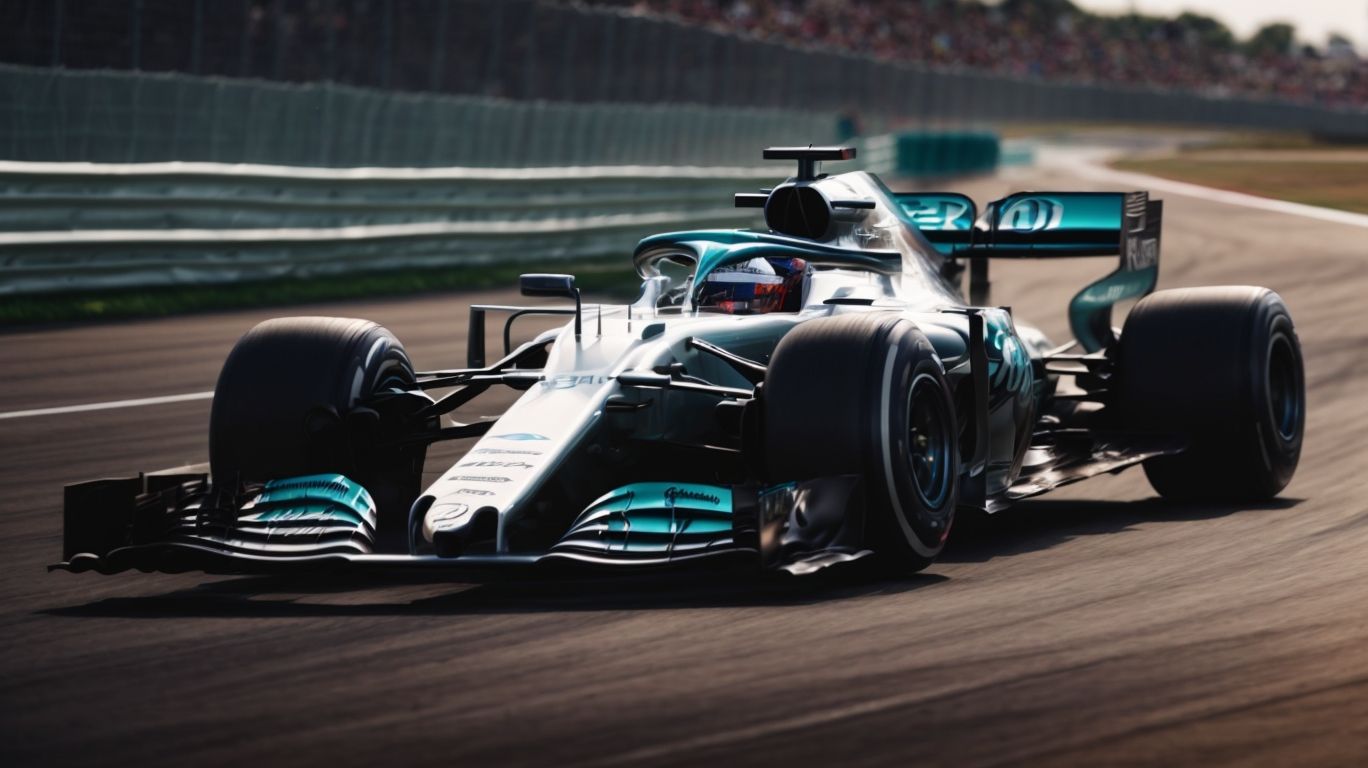
On the other hand, Formula 1 cars prioritize lightweight materials and intricate aerodynamic components to maximize speed and cornering performance on various track configurations.
In terms of aerodynamics, NASCAR cars emphasize minimal downforce to enhance drafting and tight bumper-to-bumper racing on oval tracks, whereas Formula 1 cars utilize complex aerodynamic elements like front wings, diffusers, and DRS systems to generate substantial downforce for improved grip and cornering stability.
What are the Differences in Car Design?
NASCAR car design emphasizes durability and safety, featuring heavy stock car bodies with limited aerodynamic components, whereas Formula 1 cars prioritize speed and agility, sporting lightweight open-wheel designs with intricate aerodynamic elements for enhanced performance.
One of the key distinctions between NASCAR and Formula 1 lies in their engineering focus. NASCAR vehicles are built for endurance, often utilizing robust components due to the demanding nature of oval tracks, requiring sturdier chassis and suspension systems. In contrast, Formula 1 cars are finely tuned for precision and responsiveness, showcasing cutting-edge technologies like active aerodynamics for optimal downforce and drag reduction.
The safety considerations in both racing series differ significantly. NASCAR prioritizes driver protection through reinforced roll cages and cockpit safety features, whereas Formula 1 places a strong emphasis on crash survivability with advanced impact-absorbing materials and energy dissipation mechanisms.
What are the Differences in Engine and Fuel?
The engines and fuel used in NASCAR differ significantly from those in Formula 1, with NASCAR employing large displacement V8 engines running on leaded gasoline for endurance, while Formula 1 utilizes smaller turbocharged V6 hybrid power units fueled by advanced blends of unleaded gasoline and electric energy for efficiency and performance.
In NASCAR, the focus lies on robust power delivery from the V8 engines, designed to endure the demanding race conditions, emphasizing raw power and straight-line performance. Contrarily, Formula 1’s hybrid power units showcase intricate engineering, combining turbocharging and electric energy for exceptional fuel efficiency and on-track agility.
The difference in approach is evident in NASCAR’s pursuit of reliability and consistency through traditional leaded gasoline, while Formula 1 pushes boundaries in engineering innovation to harness maximum power from a limited fuel allocation, aligning with sustainable practices.
What are the Differences in Race Tracks?
The race tracks used in NASCAR and Formula 1 showcase diverse characteristics, with NASCAR favoring oval tracks predominantly in the U.S. while Formula 1 races on challenging road courses across the globe, featuring winding curves, varying lengths, and unique track configurations.
These differences in track types bring about distinct challenges for drivers. While NASCAR’s oval tracks demand high-speed cornering skills and drafting techniques, Formula 1’s winding road courses test drivers’ precision in navigating complex turns and elevation changes.
The geographical preferences also play a role, with NASCAR’s concentration in the U.S. reflecting its roots in American motorsport culture, whereas Formula 1’s global presence showcases a more cosmopolitan appeal, traveling to locations like Canada, Europe, and Asia.
Rules and Regulations of F1 and Nascar
The rules and regulations governing NASCAR and Formula 1 races outline the framework for fair competition, safety standards, and technical specifications, with NASCAR focusing on close wheel-to-wheel racing and spectator engagement, while Formula 1 places an emphasis on cutting-edge technology and global appeal.
In terms of safety protocols, NASCAR mandates the use of restrictor plates on certain tracks to limit speeds and enhance driver safety, while Formula 1 has stringent crash tests and aerodynamic regulations to ensure driver protection.
In terms of technical constraints, NASCAR teams have more leeway in modifying their cars, whereas Formula 1 cars are highly regulated down to the smallest detail, leading to sleek and futuristic designs.
The overall racing philosophy of each series is also reflected in their fan base – with NASCAR deeply ingrained in American culture and Formula 1 enjoying a worldwide following.
What are the Major Differences in Rules and Regulations?
The major disparities in the rules and regulations of NASCAR and Formula 1 revolve around the structures of competition, pit stop protocols, car specifications, and team management, with NASCAR fostering a more team-centric approach while Formula 1 emphasizes individual driver skill and technological innovation.
One of the key differences lies in the pit stop strategies employed by teams in NASCAR versus Formula 1. In NASCAR, pit stops are quicker, focused on fuel and tire changes, with limited adjustments to the car setup. Conversely, in Formula 1, pit stops are more intricate, involving changes to aerodynamic setups, tire compounds, and even mechanical adjustments.
Team dynamics vary significantly between the two series. In NASCAR, teams operate as cohesive units, where crew members work together in synchronized coordination during pit stops and race strategies. In contrast, Formula 1 places a higher emphasis on the role of the individual driver, supported by a team of engineers and managers who fine-tune the car to maximize performance.
How are Points Awarded in F1 and Nascar?
The points systems in NASCAR and Formula 1 differ in their allocation mechanisms, with NASCAR rewarding consistency and playoff performance through stage wins and race placements, while Formula 1 emphasizes race victories and podium finishes as primary criteria for championship contention.
In NASCAR, drivers earn points based on their finishing position in each stage of a race, with additional points awarded for leading laps. These points accumulate throughout the season, leading to standings that determine playoff eligibility and seeding. The playoff format, called the NASCAR Cup Series Playoffs, consists of a series of knockout rounds where drivers compete to advance based on their performance in specific races.
On the other hand, Formula 1 uses a more straightforward points system, with the race winner earning 25 points, followed by 18, 15, and so on for the top ten finishers. Points are awarded for the fastest lap as well. The consistency in scoring ensures that each race result significantly impacts the championship standings.
Popularity and Fan Base of F1 and Nascar
The popularity and fan bases of NASCAR and Formula 1 reflect the unique appeal of each series, with NASCAR drawing a dedicated following in America due to its close racing and accessibility, while Formula 1 commands a global viewership with its blend of elite competition and historic tracks.
In terms of NASCAR, the series has become deeply ingrained in the American cultural fabric, with its races serving as major events that bring communities together. The accessibility of NASCAR, with its races taking place on oval tracks across the country, allows fans to witness the action up close and feel connected to the adrenaline-fueled atmosphere. On the other hand, Formula 1’s allure lies in its prestigious reputation, attracting enthusiasts from all corners of the globe who are captivated by the high-speed thrills and cutting-edge technology on display.
What are the Differences in Popularity and Fan Base?
The differences in the popularity and fan bases of NASCAR and Formula 1 stem from their marketing strategies, driver promotions, event formats, and the generational appeal of young drivers, with NASCAR targeting a core fanbase in America and Formula 1 expanding its reach to a younger, global audience.
NASCAR has long been known for its emphasis on creating a strong sense of community among its fans, often focusing on the cultural significance of stock car racing in the United States. This has allowed NASCAR to build a loyal following that values tradition and heritage.
In contrast, Formula 1 has embraced modernity and global appeal, leveraging social media platforms and innovative technologies to engage with a diverse array of fans worldwide. Their high-tech approach appeals to younger audiences and showcases the glamour and excitement of international racing circuits.
What are the Reasons for the Differences in Popularity?
The divergent popularity levels of NASCAR and Formula 1 can be attributed to factors such as the cultural resonance of stock car racing in America, the global prestige of Formula 1, the role of social media in fan engagement, and the appeal of high-speed competition in urban and rural settings.
When looking into the essence of NASCAR and Formula 1, one cannot overlook the profound influence of societal norms and values ingrained within the American fabric, where NASCAR epitomizes a tradition that aligns closely with the rugged individualism and blue-collar ethos celebrated by many fans.
On the flip side, Formula 1’s allure transcends boundaries, captivating a worldwide audience through its opulent image, glamorous circuits, and a touch of European sophistication.
In today’s digital age, social media acts as a pivotal conduit that amplifies fan interactions, provides real-time updates, and fosters a sense of community among racing enthusiasts across the globe, bridging geographical gaps and highlighting the dynamic nature of motorsport.
Why F1 is Considered Better Than Nascar?
Formula 1 is often regarded as superior to NASCAR due to its emphasis on cutting-edge engineering, prestigious events like the Austin Grand Prix, global fan following, and the backing of Liberty Media, which has elevated the series to new heights of innovation and viewership.
One of the key reasons for Formula 1’s prestigious status is its intense competition at the forefront of automotive engineering. F1 cars are the pinnacle of technological advancement, constantly pushing the boundaries of what is possible in motorsport.
Formula 1 boasts marquee events like the Monaco Grand Prix, which are renowned for their glitz, glamour, and historical significance, drawing in fans from around the world. This combination of cutting-edge technology and iconic races creates a magnetic appeal that sets Formula 1 apart from other racing series.
What are the Key Factors That Make F1 Stand Out?
The key factors that set Formula 1 apart from NASCAR include its global competition featuring top-tier drivers, prestigious events like the Monaco Grand Prix, the aura of technical innovation and engineering excellence surrounding the sport, and the high level of prestige associated with Formula 1 among fans and enthusiasts worldwide.
One of the defining aspects of Formula 1 is the caliber of drivers who compete at the highest level of motorsport, showcasing exceptional skill, precision, and agility behind the wheel. Every race becomes a battle of talent and strategy as these elite drivers push the limits of speed and performance.
The glamorous events hosted by Formula 1, such as the historic Monaco Grand Prix, captivate audiences worldwide with their blend of high-speed excitement and opulent settings, creating an unmatched allure for fans and spectators.
The technological sophistication seen in Formula 1 cars, with constant innovation in aerodynamics, materials, and hybrid power units, represents the pinnacle of engineering excellence in the sport, driving advancements that often influence broader automotive industry trends.
What are the Opinions of Fans and Experts on F1 and Nascar?
The opinions of fans and experts regarding NASCAR and Formula 1 vary widely, with some praising NASCAR for its grassroots appeal, exciting races, and loyal redneck fanbase, while others laud Formula 1 for its global reach, technological prowess, and the influx of young dynamic drivers reshaping the sport.
For many, NASCAR embodies the heart and soul of American racing, with its loud V8 engines thundering around oval tracks, creating an adrenaline-fueled spectacle that attracts a devoted following.
On the other hand, Formula 1 is seen as the pinnacle of motorsport, with cutting-edge technology, glamorous circuits spanning the globe, and a line-up of young drivers like Max Verstappen and Charles Leclerc bringing a fresh energy to the races.
Frequently Asked Questions
What are the main differences between F1 and Nascar?
F1 and Nascar are two of the most popular racing series in the world, but they have several key differences. F1 races take place on purpose-built road courses with intricate turns and elevation changes, while Nascar races take place on oval tracks with high speeds and constant left turns. In terms of cars, F1 cars are much lighter and faster, while Nascar cars are heavier with less advanced technology.
How does the competition level of F1 compare to Nascar?
F1 is widely considered to be the pinnacle of motorsports and attracts the best drivers, teams, and technology in the world. As a result, the competition level in F1 is incredibly high, with races often decided by fractions of a second. Nascar, on the other hand, has a more level playing field with less technological advancements and a larger emphasis on driver skill and strategy.
What makes F1 more challenging for drivers?
F1 is known for its highly technical and challenging tracks, which require drivers to have exceptional skill and precision to navigate. The constant shifting of gears, braking at high speeds, and maintaining control of the car through corners make F1 races physically and mentally demanding for drivers. On the other hand, Nascar races are more physically demanding due to the high G-forces experienced during constant left turns.
Why is the technology in F1 more advanced than Nascar?
F1 cars are built with cutting-edge technology and are constantly evolving as teams compete to gain an advantage on the track. The regulations in F1 allow for more freedom in design and production of the cars, leading to more advanced and innovative technology being incorporated. Nascar, on the other hand, has more strict regulations and limitations on car design, resulting in less advanced technology being used.
How do the viewership and fanbase of F1 compare to Nascar?
F1 has a global audience with races taking place in different countries around the world, making it one of the most watched sporting events. The fanbase of F1 is also diverse, with a large following in Europe, Asia, and South America. Nascar, on the other hand, has a primarily American fanbase with races taking place mostly in the United States.
In terms of prestige and history, which racing series has the upper hand?
F1 has been around since 1950 and has a long history of iconic races, legendary drivers, and technological advancements. The prestige of winning an F1 race or championship is considered to be one of the highest achievements in motorsports. Nascar, on the other hand, has a shorter history, with the first race taking place in 1948, but it has still produced many legendary drivers and memorable races over the years.