Why Are Motogp Bikes So Fast?
If you’ve ever wondered what makes MotoGP bikes so fast, you’re in the right place. In this article, we’ll dive into the history of MotoGP, how these bikes have evolved over time, and the cutting-edge technology that powers them.
We’ll explore what sets MotoGP bikes apart from their street counterparts, from the materials used in construction to the role of aerodynamics. And of course, we’ll take a closer look at the incredible skills and preparation that MotoGP riders need to handle the intense speed of these machines.
Plus, we’ll discuss what the future holds for MotoGP bikes and how their impact is shaping the motorcycle industry. Get ready to rev your engines and discover the thrilling world of MotoGP.
Key Takeaways:
The History of MotoGP
MotoGP, the pinnacle of motorcycle racing, has a rich history marked by legendary race victories and intense battles for the World Title among top manufacturers like Ducati, Honda, and Yamaha.
Since its inception in 1949, MotoGP has undergone significant transformations, adapting to technological advancements and changing racing dynamics. The championship originally known as the FIM Road Racing World Championship Grand Prix has expanded globally, with iconic circuits such as Mugello, Assen, and Phillip Island becoming synonymous with unforgettable races.
The rivalry between legendary riders like Valentino Rossi, Marc Marquez, and Mick Doohan has electrified audiences worldwide, creating unforgettable moments that define the sport. The dominance of major manufacturers like Ducati, Honda, and Yamaha has shaped MotoGP’s evolution, with each brand pushing the boundaries of innovation and engineering excellence.
What is MotoGP?
MotoGP is a premier motorcycle racing championship known for its cutting-edge technology, high-speed races, and the use of advanced V4 engines to push the boundaries of engineering and performance.
With its roots tracing back to the early 20th century, MotoGP has evolved into a global phenomenon that showcases the pinnacle of motorcycle racing. The incorporation of V4 engines has revolutionized the sport, delivering exceptional power and speed on the race track. These engines, characterized by their unique firing intervals, provide riders with unparalleled control and agility in maneuvering through corners.
- The relentless pursuit of innovation in MotoGP has led to the integration of state-of-the-art electronics and aerodynamics, shaping the competitive landscape.
- The combination of precision engineering with rider skill has resulted in thrilling races that captivate audiences worldwide, making MotoGP a must-watch event for motorsport enthusiasts.
How Did MotoGP Evolve?
The evolution of MotoGP has been shaped by intense races, historic victories, and a relentless pursuit of technological advancements to improve aerodynamic performance and overall race efficiency.
Since its inception, MotoGP has seen a monumental shift in competition dynamics, with teams and riders pushing boundaries to gain crucial milliseconds on the track. The introduction of carbon fiber materials revolutionized bike construction, enhancing both speed and maneuverability. Notable races such as the Italian Grand Prix and the Valencia Grand Prix have become iconic showdowns that fans eagerly anticipate each season. The interplay between rider skill, team strategy, and machine capabilities has elevated MotoGP into a thrilling spectacle of speed and precision.
The Technology Behind MotoGP Bikes
The technology behind MotoGP bikes is a marvel of engineering, featuring powerful V4 engines, high horsepower outputs, precision-crafted crankshafts, advanced chassis design, and cutting-edge aerodynamics for unparalleled performance on the track.
These high-performance machines are equipped with V4 engines, known for their optimal balance of power and compactness, delivering remarkable acceleration on straights and agility in corners. The horsepower capabilities of MotoGP bikes can reach up to 260+ horsepower, offering unparalleled speed on the racetrack.
The chassis construction plays a critical role in maintaining stability and control at high speeds, with materials like carbon fiber and aluminum alloy being used to achieve the perfect balance of rigidity and flexibility.
What Makes MotoGP Bikes So Fast?
MotoGP bikes achieve remarkable speed on the track due to their optimized design that minimizes pumping losses, enhances balance for superior handling, and incorporates advanced throttle bodies for precise control over acceleration and speed.
One of the key factors contributing to the speed of MotoGP bikes is the reduction of pumping losses. This is achieved through the efficient design of the engine and intake system, allowing for a more streamlined airflow and combustion process.
To further optimize performance, balance plays a critical role in ensuring that the bike remains stable at high speeds and through cornering maneuvers. By fine-tuning the weight distribution and suspension setup, riders can push the limits with confidence.
The use of advanced throttle body technology enables riders to modulate power delivery with precision, resulting in quick and efficient acceleration when needed. This level of control is essential for navigating the demanding circuits that define MotoGP races.
How Are MotoGP Bikes Different from Street Bikes?
MotoGP bikes differ significantly from street bikes in terms of their advanced technology, optimized performance, and the advantages they offer on the track, although they also come with inherent disadvantages related to their specialized design and limited practicality for everyday use.
One key differentiator between MotoGP bikes and street bikes is the level of engineering precision involved. MotoGP bikes are meticulously crafted machines, fine-tuned to perfection for racing conditions, with lightweight materials and aerodynamic designs that enhance speed and handling.
- These bikes feature cutting-edge electronics, such as traction control systems and advanced data logging capabilities, to provide riders with real-time feedback and optimization tools during races.
- It’s crucial to note that while MotoGP bikes excel on the track, their design can make them uncomfortable and impractical for everyday riding, with aggressive ergonomics and minimal comfort features.
What Materials are Used in MotoGP Bikes?
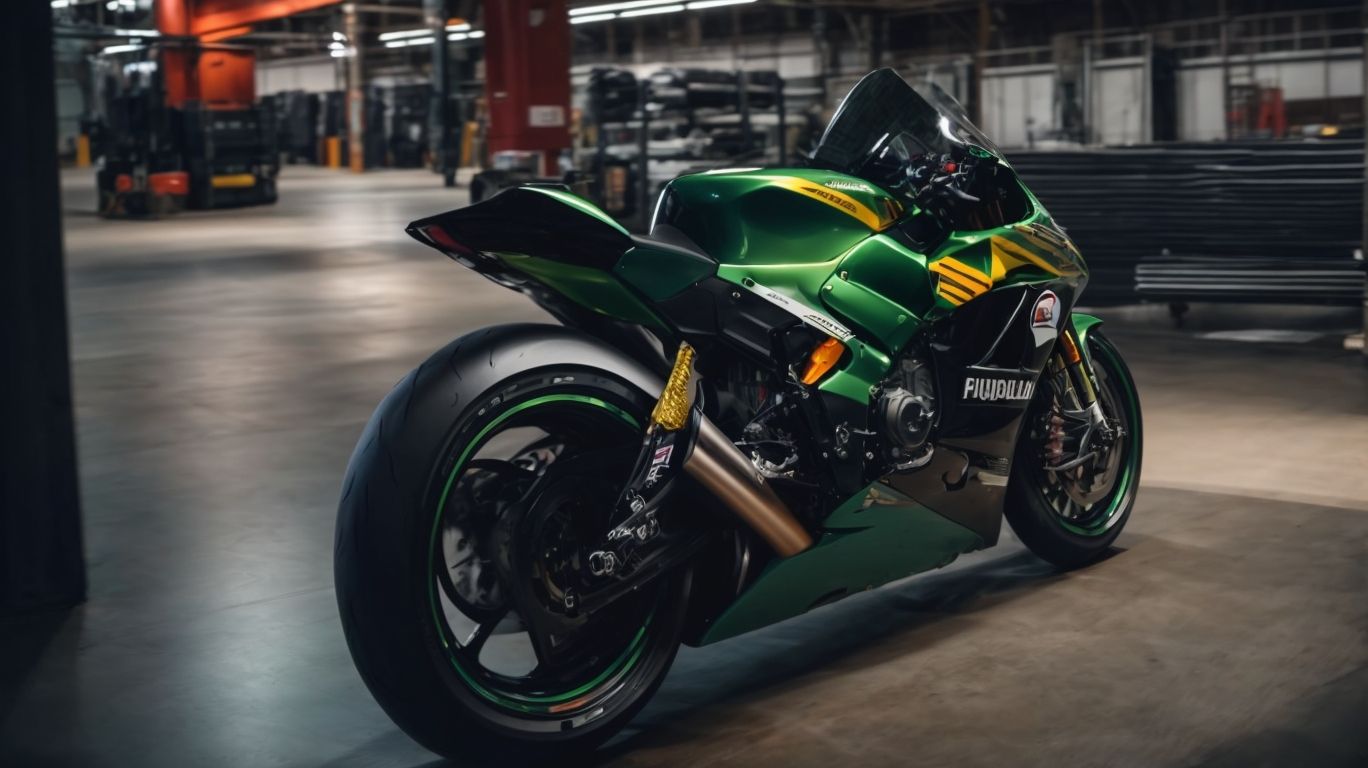
MotoGP bikes incorporate advanced materials such as carbon fiber, titanium, and high-grade alloys to achieve optimal performance, enhance structural integrity, and ensure the utmost precision in chassis design and engineering.
The extensive use of carbon fiber in MotoGP bike construction contributes significantly to the overall lightweight nature of the machines. This material is known for its exceptional strength-to-weight ratio, which is crucial for achieving top speeds and handling precision on the race track.
Titanium, on the other hand, is utilized for specific components requiring excellent corrosion resistance and high-temperature stability, such as exhaust systems and engine components. Specialized alloys are strategically integrated into the frame and critical parts to ensure durability, hardness, and performance optimization.
How is the Engine of a MotoGP Bike Different?
The engine of a MotoGP bike stands out due to its advanced V4 configuration, innovative use of desmodromic valves for optimal performance, and cutting-edge technology that maximizes power output and efficiency on the track.
The V4 architecture, consisting of four cylinders in a V formation, is known for its compactness, high power-to-weight ratio, and smooth power delivery.
The implementation of desmodromic valves ensures precise control over the valve movement, allowing for higher engine speeds, reduced valve float, and increased reliability under extreme racing conditions.
MotoGP bike engines are equipped with advanced electronics, including traction control, engine braking control, and power mapping, all aimed at optimizing performance and enhancing rider control.
What is the Role of Aerodynamics in MotoGP Bikes?
Aerodynamics play a crucial role in optimizing the performance of MotoGP bikes, enhancing speed capabilities, improving cornering stability, and ensuring superior aerodynamic performance for increased efficiency on the track.
One of the key aspects of aerodynamics in MotoGP bike design is the creation of downforce, which is the aerodynamic force pushing the bike onto the track, improving grip and stability in high-speed corners. Streamlined bodywork, winglets, and fairings are meticulously engineered to minimize drag, allowing for higher speeds on straights and ensuring maximum acceleration. The intricate balance between downforce and drag is finely tuned through wind tunnel testing and computer simulations to achieve an optimal aerodynamic setup that complements the bike’s power and handling.
The Role of Riders in MotoGP
In MotoGP, riders are the ultimate maestros who skillfully navigate the track, push the limits of speed and cornering, and compete fiercely for race victories, with notable champions like Marc Márquez and Joan Mir showcasing exceptional talent and determination.
Riders in MotoGP are not only skilled pilots on the track but also strategic thinkers who meticulously plan their moves to gain a competitive edge over their rivals.
Their ability to read the racing conditions, adapt to various challenges, and make split-second decisions differentiate the best from the rest.
Champions like Márquez and Mir possess an innate understanding of their bikes, enabling them to extract maximum performance in high-pressure situations.
Their unwavering focus, physical endurance, and mental fortitude are critical components that contribute to their success in the world’s premier motorcycle racing championship.
How Do Riders Prepare for a Race?
MotoGP riders meticulously prepare for races by focusing on physical fitness, mental acuity, and honing their skills to achieve the perfect balance of speed, precision, and control required for high-stakes competitions on the track.
Physical conditioning is a cornerstone of these riders’ routines, involving rigorous training regimens to build strength, endurance, and flexibility. Their workout plans often include cardio exercises, weight training, and specialized drills to enhance core stability and reflexes.
In parallel, mental readiness is cultivated through meditation, visualization techniques, and psychological coaching to sharpen focus and maintain composure under intense pressure. Skill development encompasses fine-tuning cornering techniques, optimizing bike setup, and studying race strategies to outmaneuver rivals effectively.
What Skills Do MotoGP Riders Need?
MotoGP riders must possess exceptional skills such as precise cornering techniques, expert throttle control, strategic decision-making, and the ability to adapt swiftly to changing race conditions to excel in the competitive world of motorcycle racing.
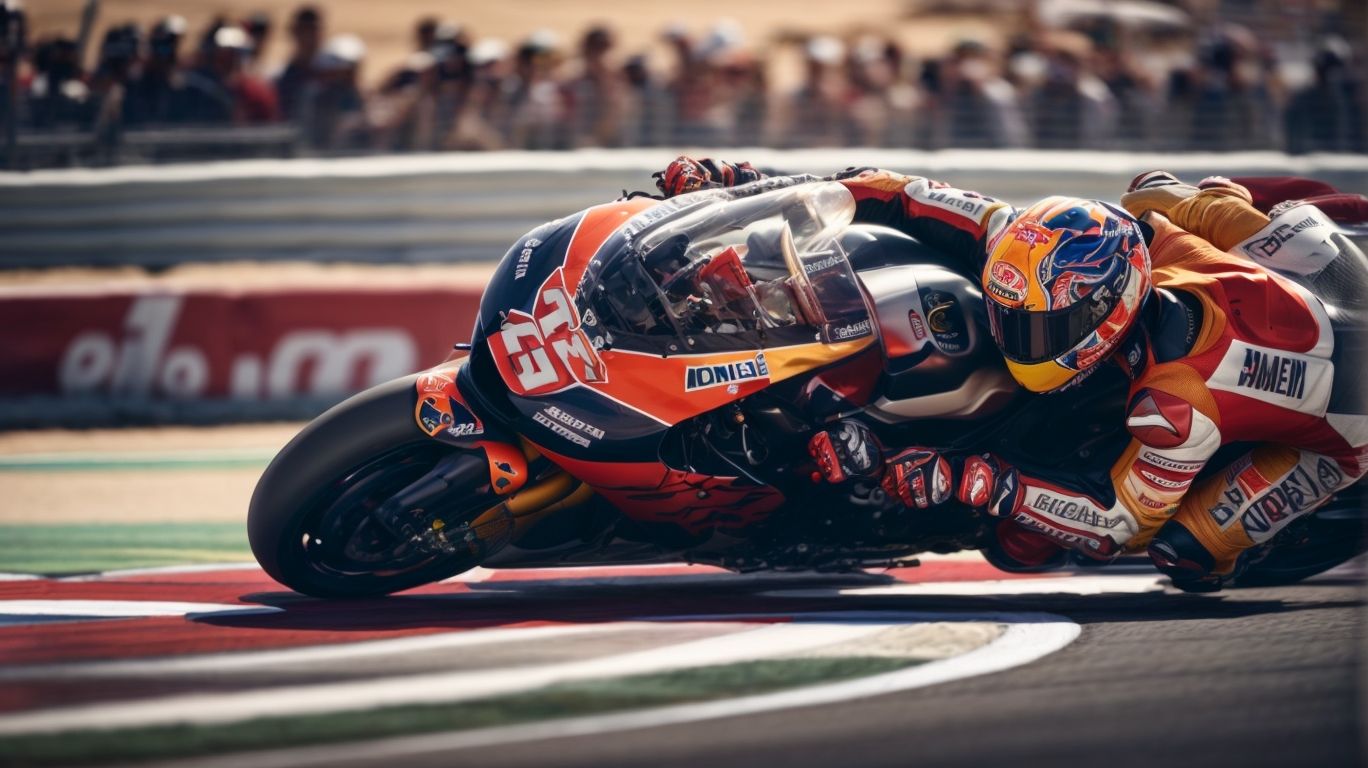
Cornering proficiency is crucial for MotoGP riders, as they navigate high-speed curves, requiring precise body positioning and control to maintain speed and trajectory. Expert throttle management is essential in managing the power delivery of the high-performance bikes, balancing acceleration and traction. Moreover, tactical acumen plays a vital role in race strategies, understanding opponents’ moves, the track layout, and choosing the right moment to overtake or defend position. Additionally, adaptability to dynamic race scenarios, such as weather changes or unexpected incidents, is key to staying competitive and seizing opportunities.”
How Do Riders Handle the Speed of MotoGP Bikes?
MotoGP riders masterfully handle the incredible speed of their bikes through a delicate balance of aerodynamic positioning, precise maneuvers, and expert control techniques, showcasing unparalleled skill and finesse on the racetrack.
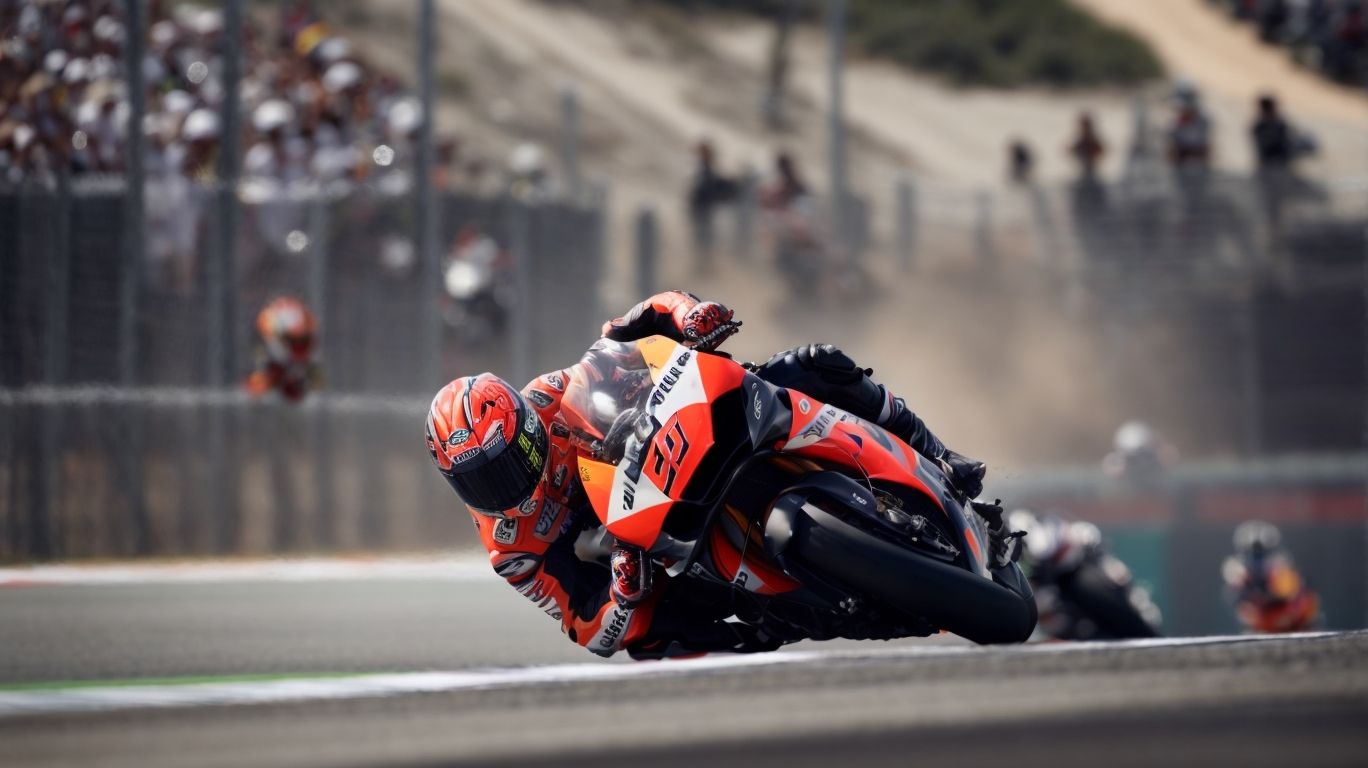
This high level of performance requires a deep understanding of the bike’s aerodynamics and the impact of body positioning on speed and stability. Riders constantly make micro-adjustments to optimize airflow, reduce drag, and increase overall efficiency. Aerodynamic adjustments such as tucking in behind the windshield or extending a leg to counterbalance in a turn are crucial for maintaining maximum speed. Their precise control methods involve using every aspect of their body — from weight shifting to throttle control — to navigate turns and straights with precision.
Achieving the perfect balance on the bike is essential for exploiting its full potential. Balance is not only physical but also mental, requiring riders to anticipate the next move while reacting swiftly to changes in the race dynamics. It’s this combination of technical skill, mental acuity, and sheer bravery that sets MotoGP riders apart as some of the most elite athletes in the world.
The Future of MotoGP
The future of MotoGP promises exciting advancements in technology, unprecedented speeds, and innovative engineering solutions that will redefine the landscape of motorcycle racing, with manufacturers like Yamaha and Suzuki expected to lead the charge in shaping the sport’s evolution.
In the upcoming years, motorcycle racing enthusiasts can anticipate a surge in technological innovations such as advanced aerodynamics, cutting-edge materials, and enhanced electronics. These advancements are set to revolutionize the way riders and teams approach racing strategies, pushing the boundaries of performance and safety.
Speed enhancements are also on the horizon, with ongoing research and development focusing on boosting acceleration, top speeds, and overall agility of the bikes. As manufacturers like Yamaha and Suzuki invest in R&D, we can expect to see record-breaking lap times and thrilling on-track battles that showcase the prowess of these high-performance machines.
What Changes Can We Expect to See in MotoGP Bikes?
The evolution of MotoGP bikes is poised to witness groundbreaking changes driven by technological advancements, innovative engineering solutions, and the pioneering spirit of manufacturers like Yamaha and Suzuki, setting the stage for a new era of high-performance motorcycle racing.
One of the key areas of development in upcoming MotoGP bike designs is the integration of advanced aerodynamics to enhance performance and stability at high speeds. This includes implementing wind tunnel testing for refining bodywork and reducing drag for superior on-track results.
Manufacturers are exploring materials innovation such as carbon fiber and titanium to reduce weight without compromising strength, thereby achieving a perfect balance between speed and durability.
There is a growing emphasis on digital technologies like sensors and telemetry systems to collect real-time data for optimizing bike setup and rider performance on the circuit.
Will MotoGP Bikes Continue to Get Faster?
The quest for speed in MotoGP is relentless, with bikes expected to continue getting faster through enhancements in horsepower, aerodynamics, and overall performance to achieve unprecedented top speeds on the track, pushing the boundaries of racing excellence.
One of the key areas of focus for MotoGP teams and manufacturers is the constant pursuit of more powerful engines, aiming to deliver explosive acceleration and higher top speeds. The evolution of engine technology has seen significant advancements in recent years, with engines becoming more efficient and producing greater horsepower output. This continuous improvement in horsepower not only enhances straight-line speed but also contributes to faster lap times and overall race performance.
What is the Impact of MotoGP on the Motorcycle Industry?
MotoGP’s influence on the motorcycle industry is profound, driving technological innovation, inspiring engineering advancements, and setting new benchmarks for performance and aerodynamic excellence that transcend the world of racing and shape the broader landscape of motorcycling.
The impact of MotoGP goes beyond the racetrack, fueling a competitive environment that not only pushes boundaries within the sport but also filters down to production bikes available to consumers. As manufacturers strive to develop cutting-edge technologies for racing bikes, the knowledge gained is often applied to their commercial models, giving riders access to state-of-the-art features and performance enhancements. The quest for speed and efficiency in MotoGP acts as a catalyst for the broader motorcycle industry, driving forward a wave of innovation that benefits riders of all levels.
Frequently Asked Questions
Why are MotoGP bikes so fast?
MotoGP bikes are designed and developed specifically for high-speed racing on tracks that demand incredible performance. As a result, they have incredibly powerful engines, lightweight frames, and advanced aerodynamics to achieve top speeds of over 220 mph.
What makes MotoGP bikes different from regular motorcycles?
MotoGP bikes are purpose-built racing machines, while regular motorcycles are designed for everyday use. They have much larger engines, advanced suspension systems, and specialized tires to handle the extreme speeds and forces of MotoGP racing.
How do the engines of MotoGP bikes produce so much power?
MotoGP bikes use four-stroke engines with advanced technology, including variable valve timing and pneumatic valves. These features allow the engines to rev higher and produce more power than regular motorcycle engines.
What role do aerodynamics play in the speed of MotoGP bikes?
Aerodynamics are crucial in MotoGP bikes as they help reduce drag and increase stability at high speeds. These bikes have specialized fairings, winglets, and other components that create downforce and improve the overall performance of the bike.
How much does a MotoGP bike cost?
MotoGP bikes are custom-built machines that cost millions of dollars. The exact cost varies depending on the team and manufacturer, but it is estimated that a single bike can cost anywhere from $2-3 million.
How do riders handle the extreme speeds of MotoGP bikes?
MotoGP riders are highly skilled and trained athletes who undergo intense physical and mental training to handle the extreme speeds and forces of MotoGP racing. They also have advanced protective gear and specialized techniques to help them stay safe while pushing the limits of these fast bikes.