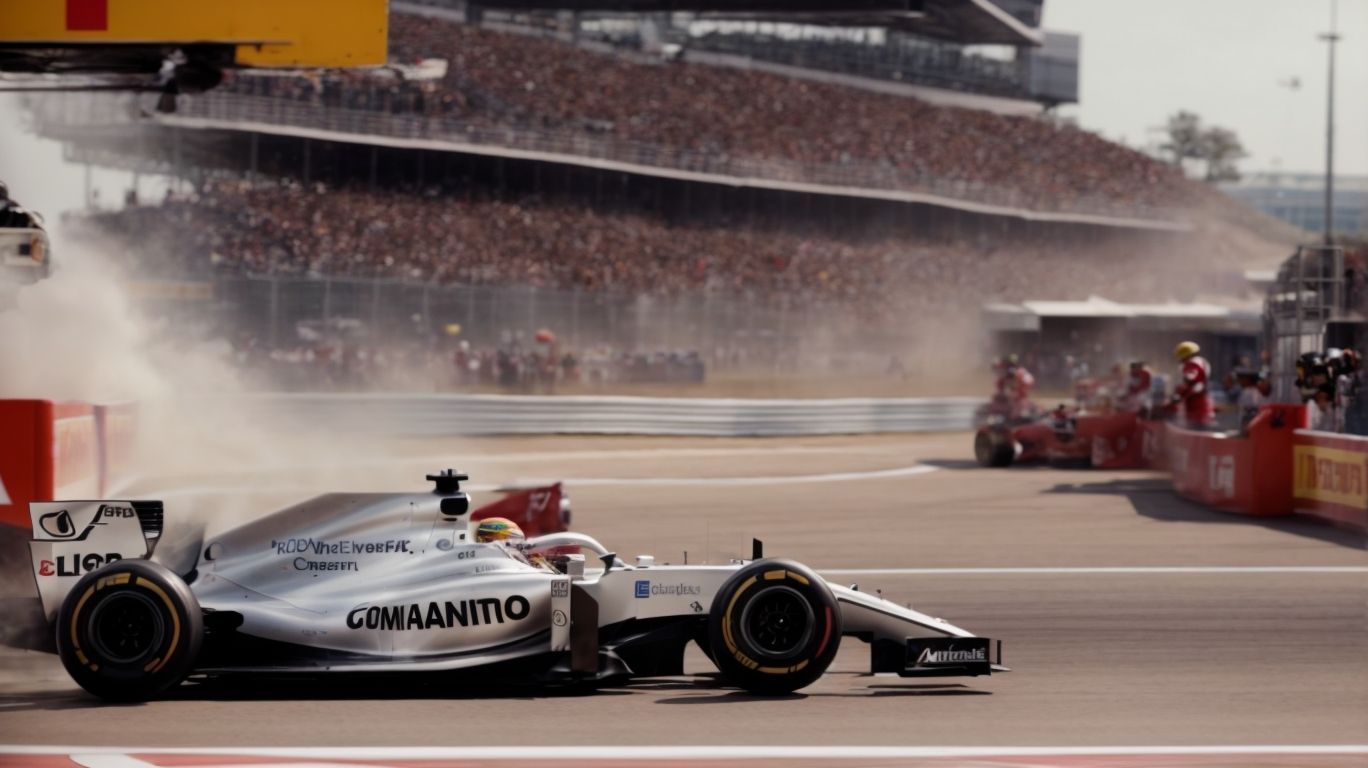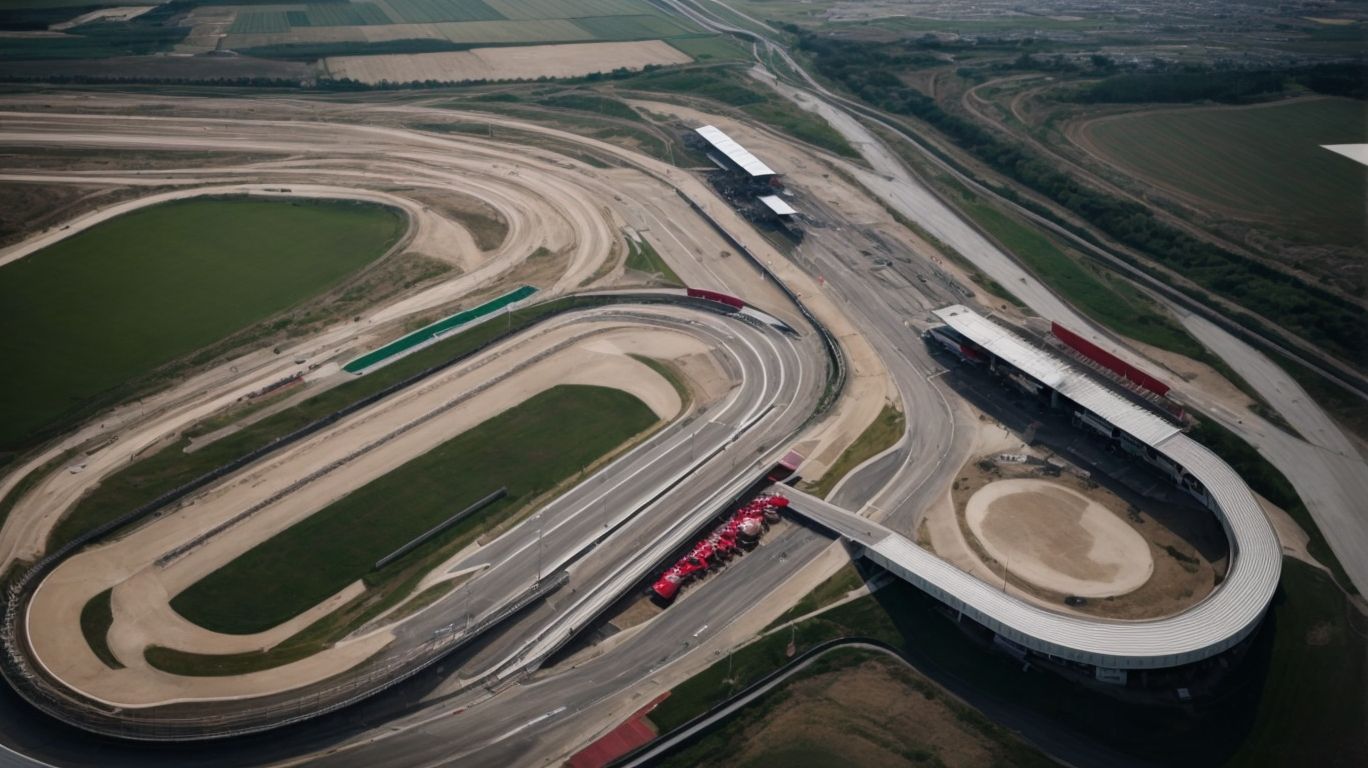
Which F1 Tracks Are High Downforce?
Have you ever wondered what sets certain Formula 1 tracks apart as high downforce circuits?
We will explore the concept of downforce in F1 racing, how it is measured, and the various factors that can affect it.
Discover the top ten F1 tracks known for their high downforce characteristics, analyzing what makes these circuits unique and challenging for drivers.
Join us as we unravel the secrets behind these high-speed, adrenaline-pumping races!
Key Takeaways:
1. High downforce F1 tracks require precise car aerodynamics for optimal performance.
2. Tight corners, low-speed sections, and changes in elevation are key elements that make a track high downforce.
3. Monaco, Singapore, and Suzuka are among the top high downforce F1 tracks due to their unique design and demanding nature.
What Is Downforce in F1?
Downforce in Formula 1 (F1) is a crucial aerodynamic concept that influences the performance of cars on the track.
Without sufficient downforce, an F1 car would struggle to maintain stability and grip, especially at high speeds or while taking sharp corners. The intricate design of the wings and diffusers plays a key role in generating downforce by manipulating the airflow around the car. This force pushes the car down onto the track, increasing tire grip and allowing drivers to navigate corners more aggressively.
Monaco and Monza are two iconic tracks that highlight the importance of downforce in F1. In Monaco’s tight, twisty circuit, cars heavily rely on downforce for traction and cornering precision, while at Monza’s high-speed straights, a careful balance between minimizing drag and maintaining essential downforce is crucial for achieving top speeds.
How Is Downforce Measured in F1?
Downforce in Formula 1 (F1) is measured using the lift coefficient, which quantifies the aerodynamic forces acting on the car.
One of the primary methods used in F1 to enhance downforce is through the implementation of intricate aerodynamic designs on the cars. These designs aim to increase the lift coefficient, thereby generating more downforce to improve traction and cornering abilities.
The lift coefficient, denoted as Cl, plays a crucial role in determining the effectiveness of the aerodynamic package. A higher lift coefficient results in greater downforce, which enhances grip levels, allowing drivers to take corners at higher speeds with better stability.
Technologies like the Energy Recovery System (ERS) and Drag Reduction System (DRS) further interact with the aerodynamic components to optimize downforce levels based on specific track requirements.
What Are the Factors That Affect Downforce in F1?
Various factors impact the downforce in Formula 1 (F1), including track design, weather conditions, and car aerodynamics.
Track layouts play a crucial role in altering how downforce operates on an F1 car. Tight, twisty circuits with numerous slow-speed corners, such as Monaco, demand high downforce levels to aid in cornering grip. On the other hand, tracks with long straights and fast corners, like Monza, require a balance between high speed on the straights and enough downforce to navigate through the corners efficiently.
Weather variations contribute significantly to downforce levels. Changes in temperature, air pressure, and humidity affect how the air flows over the car’s surfaces, impacting overall aerodynamic performance. Rain, for instance, reduces downforce as it disrupts airflow over the wings and other aerodynamic components.
The aerodynamic setup of an F1 car, including the design of the front and rear wings, diffuser, and underbody, determine the downforce level it generates. Teams tweak these components during qualifying sessions to optimize performance based on the specific track characteristics and weather conditions for that session. By adjusting angles of the wings or changing elements in the aerodynamic package, teams can fine-tune the downforce levels to extract maximum grip and speed in different parts of the circuit.
Track Design
The design of F1 tracks plays a pivotal role in determining the levels of downforce required by cars to navigate the circuit efficiently.
High-speed corners, such as those found at tracks like Monza, demand aerodynamic packages that prioritize reduced drag while maintaining stability at high velocities.
On the other hand, circuits like Monaco, with their numerous tight and low-speed corners, necessitate substantial downforce for grip and agility through the twisty sections.
Track designers strategically incorporate various elements like elevation changes, camber angles, and corner profiles to challenge drivers and test the aerodynamic capabilities of F1 cars. These design nuances directly influence teams’ setup decisions, downforce configurations, and overall race strategies.
Weather Conditions
Weather conditions, especially in wet or mixed weather scenarios, can significantly affect the amount of downforce generated by F1 cars.
When rain hits the track, the water droplets create a layer between the tires and the racing surface, reducing grip and causing aerodynamic inefficiencies. This leads to a decrease in downforce, making it challenging for drivers to navigate corners at high speeds. The wet conditions pose a dual challenge, demanding a delicate balance between maintaining control and pushing the limits of adhesion.
In mixed weather situations, where tracks are partially wet and dry, teams face a dilemma in choosing the right tire compounds and car setup to optimize performance. Adjusting aerodynamic settings and tire choices becomes crucial in such dynamic environments to adapt to changing grip levels and enhance race strategies.
Car Aerodynamics
The aerodynamic design of F1 cars, including the wing configurations and ERS integration, plays a crucial role in optimizing downforce levels.
Downforce is essential for maintaining traction at high speeds, allowing drivers to navigate corners more effectively and improve overall performance on the track. One of the key components responsible for generating downforce is the front and rear wings, which are carefully designed to manipulate airflow and create the desired level of pressure differential.
Plus wings, ERS systems, such as the Drag Reduction System (DRS), are used to further enhance aerodynamic efficiency. The DRS, for example, reduces drag on straights to increase top speeds, aiding in overtaking maneuvers.
Regarding racing strategies, teams often tweak their aerodynamic setups to find the right balance between maximizing downforce for cornering and minimizing drag for top speed on straights. Finding the optimal configuration can make a significant difference in the performance of a car, influencing both overtaking opportunities and defensive tactics during races.
Which F1 Tracks Are Considered High Downforce Tracks?
Several F1 tracks are renowned for their high downforce requirements, demanding precision and speed from drivers and cars alike.
In circuits like Monaco, Singapore, and the Circuit de Spa-Francorchamps, the need for high downforce becomes even more pronounced.
The tight corners of Monaco, with its narrow streets and unforgiving barriers, push drivers to the limit as they navigate the circuit at breakneck speeds.
Singapore, with its bumpy and twisty layout under the dazzling city lights, poses a challenge of concentration and consistency, demanding utmost precision.
Meanwhile, Spa-Francorchamps blends high-speed sections like the iconic Eau Rouge with technical corners, requiring a delicate balance between aerodynamics and mechanical grip.
Monaco Grand Prix
The Monaco Grand Prix stands out as a high downforce track where securing track position is paramount due to its narrow and unforgiving layout.
Renowned for its prestigious backdrop and glamorous setting, the Monaco Grand Prix is a jewel in the crown of Formula 1 circuits. The tight and twisty layout of the street circuit demands maximum downforce to navigate the challenging corners and sheer vertical drops. Cars are set up with high downforce configurations to ensure optimal grip and stability through the winding streets of Monte Carlo. The race is not only a test of driver skill but also a strategic battle for track position due to the limited overtaking opportunities. Teams meticulously plan their strategies to gain an edge in this unique and prestigious event.
Singapore Grand Prix
The Singapore Grand Prix challenges cars with its high downforce demands, intricate corners, and a street circuit layout that tests both drivers and teams.
When navigating the twists and turns of the Singapore Street Circuit, drivers must rely heavily on their cars’ downforce capabilities to maintain traction and stability through the tight corners. Cars set up with high downforce levels benefit significantly on this circuit, as the increased downward pressure pushes the tires onto the track, enhancing grip and allowing for higher speeds through the corners.
This emphasis on downforce not only aids in cornering speeds but also plays a crucial role in the cars’ overall performance in Singapore’s challenging conditions. Drivers with cars equipped with high downforce setups can have better control, improved stability, and faster cornering speeds, giving them a competitive edge in the race.
Hungaroring
The Hungaroring circuit’s high downforce nature presents challenges for overtaking but rewards effective defending strategies due to its twisty and narrow layout.
With its tight and twisting corners, the Hungaroring offers limited opportunities for drivers to make successful overtakes. The high downforce setup required for optimum performance on this track allows cars to stick to the corners but compromises straight-line speed.
Defending becomes crucial at the Hungaroring as it can be difficult for a rival to find a space to pass. Drivers must master positioning and strategic braking to fend off competitors without compromising their own lap times.
Teams often face the dilemma of sacrificing straight-line speed for cornering grip when setting up the car. Balancing high downforce for cornering versus low drag for straights is a delicate trade-off that can significantly impact race performance.
Suzuka International Racing Course
The Suzuka International Racing Course combines high downforce requirements with demanding straights, providing a unique blend of technical and speed-oriented challenges.
When drivers navigate through the S Curves and Degner curves of Suzuka, they require a balanced setup that allows for maximum grip in the high-speed corners while maintaining the necessary speed on the straights. The optimized setups play a crucial role in enabling the cars to gain an advantage in both high downforce sections and fast straight-line stretches. Ensuring that the car’s aerodynamics are finely tuned helps in achieving the delicate equilibrium needed to be competitive on every part of the track.
Circuit de Spa-Francorchamps
The Circuit de Spa-Francorchamps demands high downforce setups, especially in mixed weather conditions, challenging teams to balance speed and grip for optimal performance.
Downforce plays a crucial role in generating aerodynamic grip, which is essential to navigate the fast and sweeping corners of Spa-Francorchamps. Without sufficient downforce, cars struggle to maintain control and traction, compromising lap times and overall race pace.
When faced with mixed weather conditions at Spa, teams face a strategic quandary. The ever-changing track surface demands adaptable setups to maximize performance. Optimal downforce levels need to be carefully calibrated to account for varying grip levels on wet and dry patches of the circuit.
Circuit de Barcelona-Catalunya
The Circuit de Barcelona-Catalunya’s high downforce demands showcase varying properties in different scenarios, requiring adaptable car setups for optimal performance.
Drivers and engineers must carefully navigate the intricate balance between maximizing downforce for improved cornering grip and minimizing drag to enhance straight-line speed.
For instance, the track’s fast corners demand a high level of downforce to maintain grip and stability, while the long straights necessitate a compromise to reduce drag and achieve higher top speeds.
Teams approach these challenges by fine-tuning aerodynamic components, such as rear wings and diffusers, to find the optimal setup that delivers the desired performance across the entirety of the circuit.
Silverstone Circuit
The Silverstone Circuit’s high-speed corners demand significant downforce for optimal performance, offering benefits in cornering speed but also posing increased costs in terms of drag.
One key advantage of high downforce setups at Silverstone is the enhanced grip levels it provides, allowing cars to maintain higher speeds through the circuit’s iconic corners such as Copse, Maggots, and Becketts. This increased grip results in improved stability, allowing drivers to push the limits of their cars with confidence.
The trade-off comes in the form of higher drag levels, which can limit straight-line speed, especially on the long straights of the track. Teams face the challenge of finding the optimal balance between maximizing downforce for cornering performance and minimizing drag to maintain competitive top speeds.
Teams often use intricate aerodynamic components such as efficient front and rear wings, diffusers, and bargeboards to tailor their cars specifically for the demands of Silverstone. By fine-tuning these components, teams can optimize their cars to strike the perfect balance between downforce and drag, aiming for the fastest lap times possible while ensuring stability through the high-speed corners.
Circuit Gilles Villeneuve
Circuit Gilles Villeneuve’s high downforce requirements present unique advantages in wet conditions, allowing cars to maintain grip and stability through challenging corners.
In wet weather, the increased downforce generated by the aerodynamics of the cars plays a crucial role in providing enhanced grip levels. This improved grip allows drivers to push the limits of their vehicles with confidence, especially on a demanding track like Gilles Villeneuve. Not only does this help in maintaining high speeds, but it also aids in resisting hydroplaning and maintaining control.
The strategic implications for teams in such variable track conditions are significant. Teams must carefully adjust their setup to optimize downforce levels for the changing weather to maximize performance. Finding the right balance between downforce and drag becomes a critical challenge, as teams strive to extract the best possible results from their cars.
Autodromo Nazionale Monza
Autodromo Nazionale Monza’s historic layout balances high-speed demands with downforce considerations, emphasizing the trade-offs between raw speed and aerodynamic stability.
This delicate balance poses a significant challenge for teams as they strive to optimize their car setups for the unique demands of the Monza circuit. The need to reduce drag while maintaining sufficient downforce levels can be a costly endeavor, requiring intricate adjustments to the car’s aerodynamic elements.
Teams often invest substantial resources in wind tunnel testing and computational fluid dynamics simulations to fine-tune their aerodynamic packages for this high-speed track. Any compromises in downforce can have far-reaching implications on a car’s performance, affecting cornering speeds, braking distances, and overall stability.
Yas Marina Circuit
Yas Marina Circuit’s mix of high-speed straights and technical sections presents diverse downforce scenarios, requiring teams to optimize setups for both speed and cornering performance.
One of the main challenges teams face at Yas Marina is finding the delicate balance between maximizing straight-line speed and maintaining enough downforce for the twisty sections. This means that engineers must carefully adjust wing angles, suspension settings, and tire pressures to achieve the perfect compromise.
During a lap at Yas Marina, drivers encounter a variety of scenarios that test the car’s setup. From the long straight of the backstretch to the tight hairpin at the end of the lap, each corner demands a different aerodynamic approach.
Regarding race strategies, teams must consider factors such as tire degradation, fuel levels, and pit stop timing. Optimal strategic decisions can often make the difference between winning and losing, especially in a circuit as demanding as Yas Marina.
What Makes These Tracks High Downforce?
The designation of certain F1 tracks as high downforce is attributed to their unique features like tight corners, elevation changes, and smooth surfaces that demand precision and technical skill.
These tracks require cars to generate significant downforce to maintain grip through the corners, as the high speeds combined with sharp turns make aerodynamics crucial for stability.
The elevation changes add an extra challenge, with cars experiencing varying levels of load on the suspension, further necessitating aerodynamic efficiency to ensure better handling and control.
The smooth surfaces of high downforce tracks reduce drag, allowing cars to achieve higher speeds, putting an emphasis on the design of aerodynamic elements like wings and diffusers.
Tight Corners and Chicanes
Tracks with tight corners and challenging chicanes demand high downforce levels, offering advantages to teams like Red Bull that excel in precision cornering.
These technical tracks require teams to optimize their aerodynamic setups to generate maximum grip through corners, which is where Red Bull’s expertise shines. By efficiently managing the airflow over the car through intricate aerodynamic designs, Red Bull can extract the most out of their cars in these demanding sections. The ability to swiftly navigate the chicanes, alternating left and right turns, is crucial in maintaining a competitive pace throughout the race, and Red Bull’s mastery in this domain gives them a significant edge over their rivals.
Low-speed Sections
Low-speed sections on high downforce tracks present challenges and opportunities, with teams like Mercedes leveraging aerodynamic advantages to excel in intricate technical zones.
These low-speed sections demand a delicate balance between generating downforce to maintain grip through tight corners and minimizing drag to maximize straight-line speed. Mercedes, known for their expertise in aerodynamics, have fine-tuned their aero package to perfection, allowing their cars to navigate these sections with precision and confidence.
By optimizing the design of their front and rear wings, diffuser, and other aerodynamic components, Mercedes efficiently translates their efforts into tangible on-track performance, granting them a competitive edge in both qualifying and race scenarios.
High-speed Corners
High-speed corners on high downforce tracks test the limits of car aerodynamics, offering benefits to teams like McLaren that prioritize stability and speed in fast-paced sections.
These corners present a unique challenge due to the aerodynamic forces that push the cars towards the outside of the turn, making it crucial for teams to find the right balance between downforce and drag. Achieving optimal downforce levels is key to generating the necessary grip to navigate these corners while maintaining high speeds.
For teams like McLaren, renowned for their focus on aerodynamic efficiency, the high-speed corners provide an opportunity to capitalize on their expertise. McLaren’s ability to fine-tune their car setups to maximize downforce without compromising straight-line speed gives them a competitive edge in these sections.
Strategic considerations come into play as teams analyze data and simulations to determine the most effective setup for these high-speed corners. Adjusting wing angles, suspension settings, and tire pressures are just some of the variables teams must carefully calibrate to strike the perfect balance between stability and performance in these demanding track sections.
Changes in Elevation
Elevation changes on high downforce tracks introduce dynamic scenarios that challenge teams like Ferrari to adapt car setups for varying aerodynamic demands.
One of the key factors impacted by elevation changes in downforce requirements is the aerodynamic efficiency of the car. When a track features significant elevation changes, it alters the airflow over the car, affecting the downforce levels and balance. This variation in downforce can lead to handling challenges, especially in corners where the car needs to maintain grip and stability.
Optimizing downforce distribution becomes crucial in such scenarios to ensure a balance between high-speed stability and cornering grip. Teams like Ferrari invest significant resources in aerodynamic research and development to create setups that can adapt to the changing aerodynamic demands of tracks with diverse elevations.
Smooth Surface
Tracks with smooth surfaces necessitate high downforce configurations to maximize grip and traction, with teams like Alpha Tauri focusing on lap consistency and efficiency.
Smooth track surfaces play a critical role in the overall aerodynamic performance of a Formula 1 car. The smoother the track, the higher the downforce levels required to ensure the tires maintain optimal contact with the ground, allowing the car to generate maximum grip through corners and straight-line speed. Teams, such as Alpha Tauri, meticulously fine-tune their setups to strike a balance between downforce and drag, aiming to achieve the perfect compromise for enhanced lap times.
Frequently Asked Questions
What is considered a high downforce track in F1?
A high downforce track in F1 is a circuit that requires the cars to generate a significant amount of downforce in order to maintain grip and achieve optimum speeds through the corners. These tracks typically have a lot of tight, twisty corners and slower speeds compared to low downforce tracks.
How does downforce affect a car’s performance on a high downforce track?
Downforce is crucial on high downforce tracks as it increases the amount of grip the car has on the track, allowing for higher speeds through corners and better handling overall. Without enough downforce, a car may struggle to keep up with its opponents on these types of circuits.
Which F1 teams excel on high downforce tracks?
Teams that have a strong aerodynamic package and can generate a lot of downforce tend to perform well on high downforce tracks. Some examples of teams that have historically excelled on these circuits include Red Bull Racing, Mercedes, and Ferrari.
Are there any F1 tracks that are exclusively high downforce?
No, there are no tracks on the current F1 calendar that are exclusively high downforce. However, some tracks may have a higher proportion of high downforce corners compared to others, making them more challenging for teams to set up their cars for.
Do F1 cars need to make any adjustments for high downforce tracks?
Yes, F1 cars require different aerodynamic setups for high downforce tracks compared to low downforce tracks. This includes changes to the wings, suspension, and other aerodynamic elements in order to generate the necessary downforce for optimal performance on these circuits.
Which F1 track has the highest downforce requirements?
It is difficult to pinpoint one specific track as having the highest downforce requirements, as it can vary depending on the specific car setups and conditions. However, tracks like Monaco, Singapore, and Hungary are known for being high downforce tracks and require teams to prioritize aerodynamic performance over top speed.