
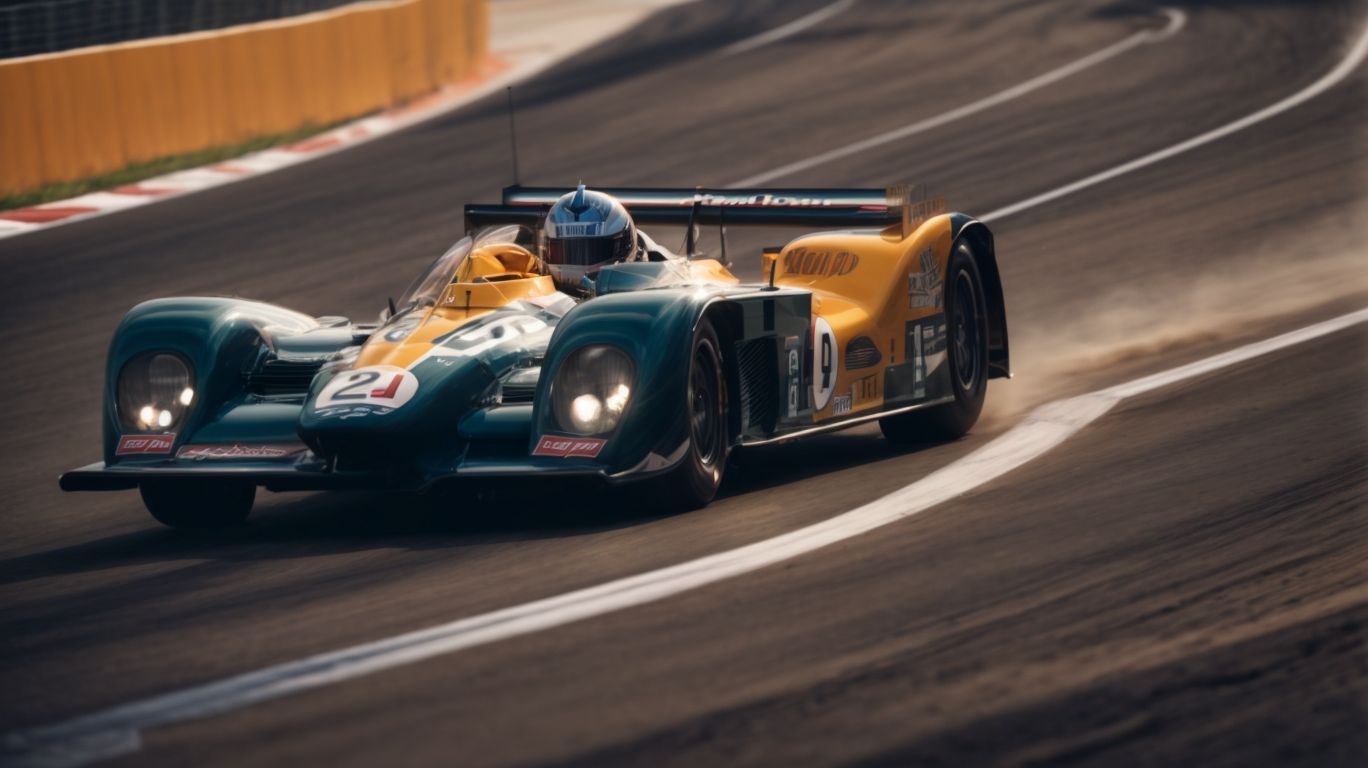
Is Le Mans F1?
Have you ever wondered about the differences and similarities between Le Mans and Formula 1?
These two iconic racing events have captivated audiences around the world with their thrilling competitions and cutting-edge technology.
From the racing formats and types of cars used, to the race tracks and safety measures in place, there is much to explore.
Join us as we dive into the world of Le Mans and F1, and discover what sets these two racing giants apart.
Key Takeaways:
What is Le Mans?
Le Mans is a legendary endurance racing event that takes place annually in France, known for its grueling 24-hour format and challenging circuit.
The history of Le Mans dates back to 1923 when the first race took place, quickly becoming one of the most prestigious events in motorsports. Over the years, Le Mans has seen various classes of cars competing, including prototypes and Grand Touring (GT) cars, each with its own set of regulations and challenges. The race is not only a test of speed but also a test of endurance, as drivers and teams must navigate through day and night, battling fatigue and mechanical issues.
What is F1?
Formula 1, also known as F1, is the pinnacle of single-seater racing, featuring the fastest cars, top drivers, and a series of Grand Prix races held across the globe.
The origins of Formula 1 can be traced back to the European Grand Prix Motor Racing of the 1920s and 1930s. Over the years, the sport evolved into the international phenomenon it is today, with cutting-edge technology driving advancements in the design of F1 cars. These cars are engineering marvels, crafted with lightweight materials, advanced aerodynamics, and hybrid power units, capable of reaching speeds exceeding 200 mph. The competitive nature of Formula 1 fosters intense rivalries among teams and drivers, making each race a spectacle of skill and strategy.
What are the Differences between Le Mans and F1?
Le Mans and Formula 1 represent two distinct branches of motorsport, characterized by their unique formats, car designs, and racing philosophies.
While Formula 1 focuses on sprint-style races lasting around 1-2 hours, Le Mans endurance races can last up to 24 hours, testing the resilience of both drivers and machines over long stretches of time.
In terms of track types, Formula 1 typically races on purpose-built circuits, whereas Le Mans showcases a mix of closed public roads and dedicated sections, adding a different element of challenge to the races.
Car specifications also differ significantly, with Formula 1 cars being high-tech, aerodynamic marvels, and Le Mans cars (especially in the LMH class) featuring hybrid powertrains and emphasis on efficiency.
What are the Racing Formats for Le Mans and F1?
The racing formats for Le Mans and Formula 1 diverge significantly, with Le Mans featuring endurance races lasting 24 hours and Formula 1 focusing on shorter sprint races typically spanning a weekend.
In Le Mans, the challenging 24-hour endurance race tests both the mechanical durability of the cars and the mental and physical stamina of the drivers. Teams must strategize pit stops for refueling, tire changes, and driver swaps to ensure maximum efficiency and consistency throughout the race.
In contrast, Formula 1 races are fast-paced events held over a weekend, typically consisting of practice sessions, qualifying rounds, and the final race on Sunday. Pit stops in Formula 1 are swift, with crews working in synchronized harmony to change tires and make crucial adjustments to keep the cars competitive.
What are the Types of Cars Used in Le Mans and F1?
The types of cars used in Le Mans and Formula 1 differ in design and purpose, with Le Mans featuring prototype endurance machines and Formula 1 showcasing high-performance single-seaters.
Le Mans Hypercar (LMH) vehicles are known for their emphasis on durability and efficiency, incorporating aerodynamic features that increase stability during long-distance races. These cars often have closed cockpits, optimized for driver safety and reduced wind resistance.
On the other hand, Formula 1 cars prioritize speed and agility, utilizing intricate powertrains and cutting-edge technology advancements.
Le Mans technical regulations require cars to comply with specific standards to promote fair competition and safety. In contrast, Formula 1 has its own set of rules governing engine power, weight distribution, and aerodynamics, all geared towards maximizing performance on the track.
What are the Race Tracks for Le Mans and F1?
The race tracks for Le Mans and Formula 1 offer contrasting challenges, with Le Mans utilizing the Circuit de la Sarthe and Formula 1 featuring iconic circuits like Monza.
One of the most distinctive features of the Circuit de la Sarthe at Le Mans is its more than 8-mile-long layout, including long straights that push the cars to their limits, interspersed with technically challenging corners such as the Porsche Curves and the Ford Chicanes. On the other hand, Formula 1 races at Monza’s historic Autodromo Nazionale boast high-speed sweeping corners like the famous Lesmo bends and Parabolica, creating a thrilling experience for drivers and spectators alike.
Is Le Mans Considered F1?
Le Mans is not considered part of Formula 1, as they are separate disciplines within the realm of motorsport, each with its unique rules, objectives, and fan bases.
In Le Mans, endurance racing takes the spotlight, with teams battling it out over a 24-hour race, showcasing not just speed but also durability and efficiency. LMH, or Le Mans Hypercar, is the top class in the Le Mans racing series, featuring top manufacturers like Toyota and Peugeot.
On the other hand, Formula 1 focuses on sprint races, with high-performance single-seater cars racing in circuits worldwide. The history of Le Mans dates back to 1923, while Formula 1 started in 1950, illustrating the different timelines of these prestigious competitions.
What are the Similarities between Le Mans and F1?
Despite their differences, Le Mans and Formula 1 share commonalities in their pursuit of speed, technical excellence, and the thrill of competitive racing.
Both Le Mans and Formula 1 are characterized by their relentless quest for performance optimization. In both motorsports, teams continually push the boundaries of engineering innovation to gain a competitive edge. Whether it’s tweaking aerodynamics or fine-tuning powertrains, the drive for excellence is at the core of both disciplines.
The importance of individual driver skills cannot be underestimated in either Le Mans or Formula 1. Drivers in both competitions showcase remarkable talent, precision, and courage as they navigate challenging tracks and grueling races.
Both Le Mans and Formula 1 enjoy a widespread global appeal. Fans from all corners of the world are captivated by the excitement, drama, and spectacle of these iconic motorsports events, making them truly international phenomena.
What are the Similarities in Racing Strategy?
The racing strategies employed in both Le Mans and Formula 1 revolve around maximizing performance, minimizing pit stops, and adapting to changing track conditions for optimal results.
One crucial aspect of race strategy in both Le Mans and Formula 1 is tire management. Tire wear can significantly affect a car’s performance, leading teams to carefully monitor and adjust tire pressures and compounds throughout the race.
- Plus tires, fuel efficiency plays a key role in determining when to pit and how aggressively drivers can push. Teams strategically plan fuel loads to optimize performance while minimizing time spent refueling during pit stops.
Team tactics are also vital, with engineers and strategists continuously analyzing data and communicating with drivers to make real-time decisions. Whether it’s adjusting the car setup or coordinating pit stops, teamwork is essential for success.
What are the Similarities in Racing Technology?
Both Le Mans and Formula 1 showcase cutting-edge racing technology, with a strong emphasis on aerodynamics, hybrid powertrains, and material science for enhancing car performance.
These two iconic racing series serve as battlegrounds for automotive innovation, driving forward advancements that often trickle down to mainstream vehicles. While Formula 1 focuses on single-seater open-wheel cars with lightweight chassis and powerful engines, Le Mans, especially with the introduction of the new LMH category, encourages manufacturers to push boundaries in endurance racing through optimized aerodynamics and energy recovery systems.
The relentless pursuit of speed in Formula 1 leads to continuous developments in engine technologies, such as hybrid powertrains that blend combustion engines with energy recovery systems for enhanced efficiency. Similarly, at Le Mans, the evolution of engine configurations and fuel efficiency strategies play a crucial role in shaping the future of endurance racing.
What are the Differences in Popularity and Fan Base?
The popularity and fan bases of Le Mans and Formula 1 vary, with F1 enjoying a broader global viewership and fan following compared to the more niche appeal of Le Mans endurance racing.
Formula 1, with its high-speed races and glitzy global circuits, has established itself as one of the most-watched motorsport competitions worldwide. The adrenaline-fueled drama of F1 races, coupled with the star-studded driver line-ups and high-tech engineering, captivates millions of fans across the globe.
On the other hand, Le Mans endurance racing, characterized by its grueling 24-hour format, attracts a dedicated fan base that appreciates the strategic teamwork and endurance aspect of the sport. While Le Mans may not boast the same massive viewership numbers as Formula 1, its loyal followers cherish the history and tradition associated with the legendary race.
What are the Differences in Prize Money and Sponsorship?
The distinctions in prize money and sponsorship between Le Mans and Formula 1 reflect the varying commercial landscapes of endurance and open-wheel racing, with F1 attracting higher investments and financial rewards.
In Formula 1, the prize money allocation is predominantly based on championship standings, with the winning team receiving a significant portion of the total prize fund. Alongside this, F1 teams benefit from lucrative sponsorship deals from global brands seeking exposure on a worldwide stage. These sponsorship agreements are often multi-million dollar contracts, providing teams with essential financial support.
On the other hand, Le Mans relies more on manufacturer backing and endurance racing’s unique appeal to attract funding. While the prize money in Le Mans is substantial, it is distributed amongst a larger pool of participants compared to F1. Sponsorship deals in Le Mans tend to emphasize long-term partnerships and mutual branding opportunities.
What are the Safety Measures for Le Mans and F1?
Safety measures in both Le Mans and Formula 1 prioritize driver protection, track integrity, and emergency response protocols to ensure the well-being of participants and spectators.
These prestigious racing events have made significant advancements in vehicle safety, implementing cutting-edge technologies such as impact-absorbing materials, reinforced cockpits, and improved crash structures.
Circuit design plays a vital role in enhancing safety standards, with strategic barriers, runoff areas, and high-tech barriers strategically placed to minimize the risk of accidents.
State-of-the-art medical facilities and rapid response teams are stationed strategically around the tracks to provide immediate assistance in case of emergencies, underscoring the importance of quick medical intervention in mitigating potential risks.
What are the Future Plans for Le Mans and F1?
The future plans for Le Mans and Formula 1 involve embracing sustainable technologies, expanding fan engagement initiatives, and exploring new markets to ensure the long-term viability and growth of both racing series.
These strategic visions aim to position Le Mans and Formula 1 at the forefront of innovative sustainability practices within the motorsport industry. From enhancing energy-efficient race cars to implementing eco-friendly event management strategies, sustainability is a core focus driving the future development of these prestigious racing championships.
Plus sustainability initiatives, the adoption of cutting-edge digital innovations like augmented reality experiences, interactive fan applications, and real-time data analytics is set to revolutionize the way audiences engage with racing content and live events.
Frequently Asked Questions
Is Le Mans F1?
No, Le Mans is not considered to be a part of the F1 circuit.
Is the Le Mans race the same as a Formula 1 race?
No, the Le Mans race is a separate endurance race that is not part of the Formula 1 circuit.
What is the Le Mans race?
The Le Mans race is a 24-hour endurance race held annually in Le Mans, France for various sports cars and prototypes.
Is Le Mans more challenging than Formula 1?
It is difficult to determine which is more challenging as both Le Mans and Formula 1 races require different skills and strategies.
Do Formula 1 drivers participate in the Le Mans race?
Some Formula 1 drivers have participated in the Le Mans race, but it is not common for them to compete in both circuits at the same time.
Are there any similarities between Le Mans and Formula 1?
Both Le Mans and Formula 1 races involve high-speed, competitive racing, but they have different rules and regulations.


