Do Motogp Bikes Have Gears?
If you’ve ever wondered about the inner workings of MotoGP bikes, particularly when it comes to gears, you’re in the right place.
In this article, we’ll explore the components of a MotoGP bike, including its gearbox and gear ratios, and delve into how gears impact performance on the racetrack.
We’ll cover understanding how MotoGP riders shift gears to the advantages and disadvantages of having gears in MotoGP.
So, buckle up and get ready to rev your engines as we take a deep dive into the world of MotoGP.
Key Takeaways:
What Is MotoGP?
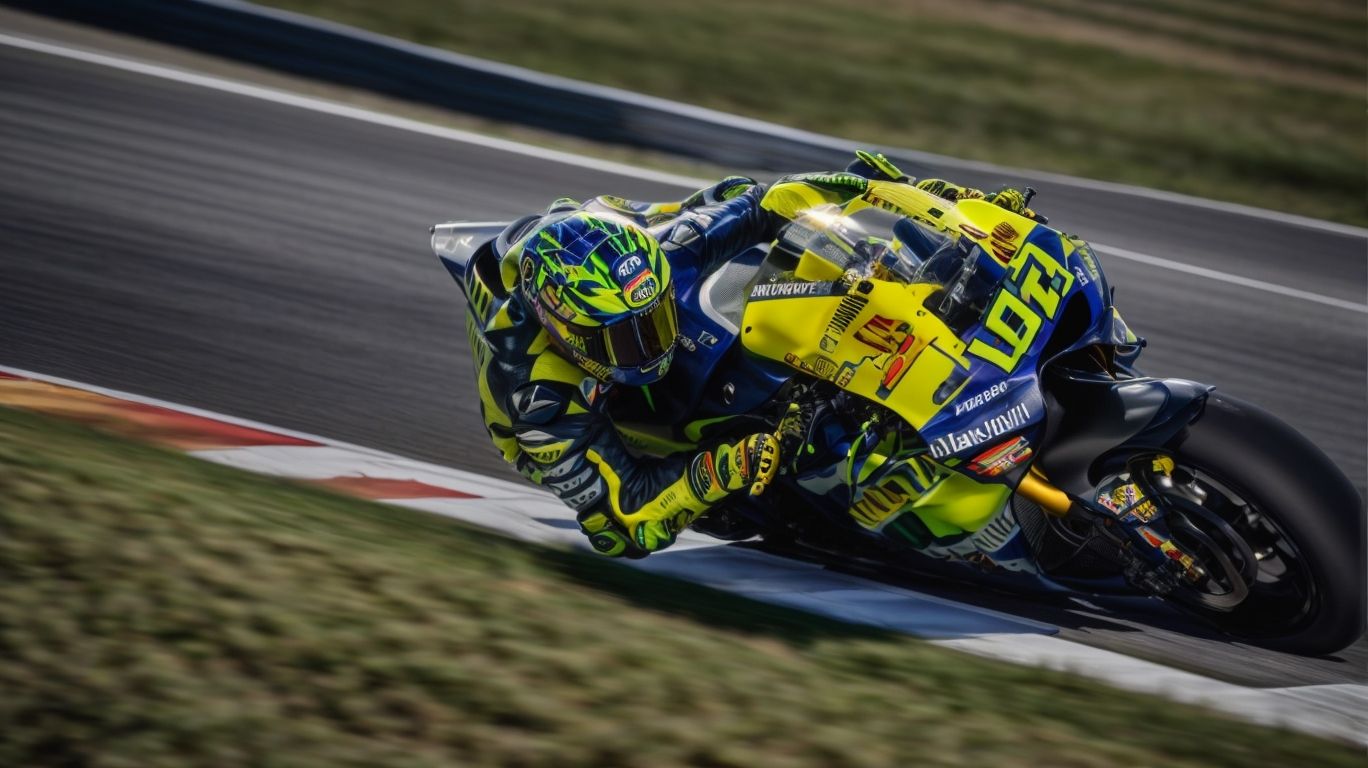
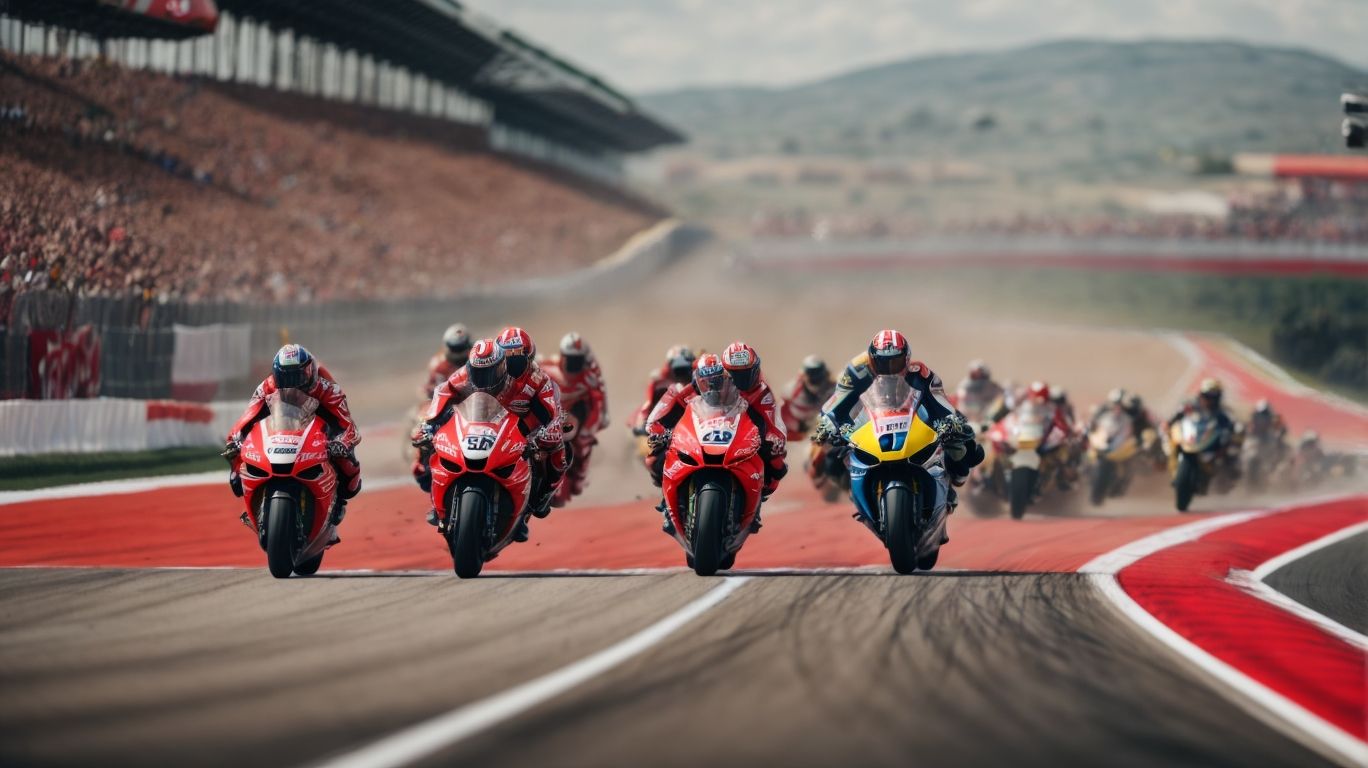
MotoGP is the pinnacle of motorcycle racing, where riders compete at the highest level on specialized bikes across various circuits under different track conditions.
In MotoGP, riders exhibit not only incredible skill and precision but also a deep understanding of the ever-evolving technology that powers their bikes. These cutting-edge machines are equipped with state-of-the-art features, including advanced traction control systems, aerodynamics for better maneuverability, and high-performance engines that push the boundaries of speed.
The competitive nature of MotoGP demands constant adaptation from riders, as they must navigate not only the twists and turns of the track but also adjust their strategies to tackle changing weather conditions, tire grip levels, and track surfaces. Each race becomes a test of endurance, strategy, and split-second decision-making, where the slightest miscalculation can mean the difference between victory and defeat.
What Are the Components of a MotoGP Bike?
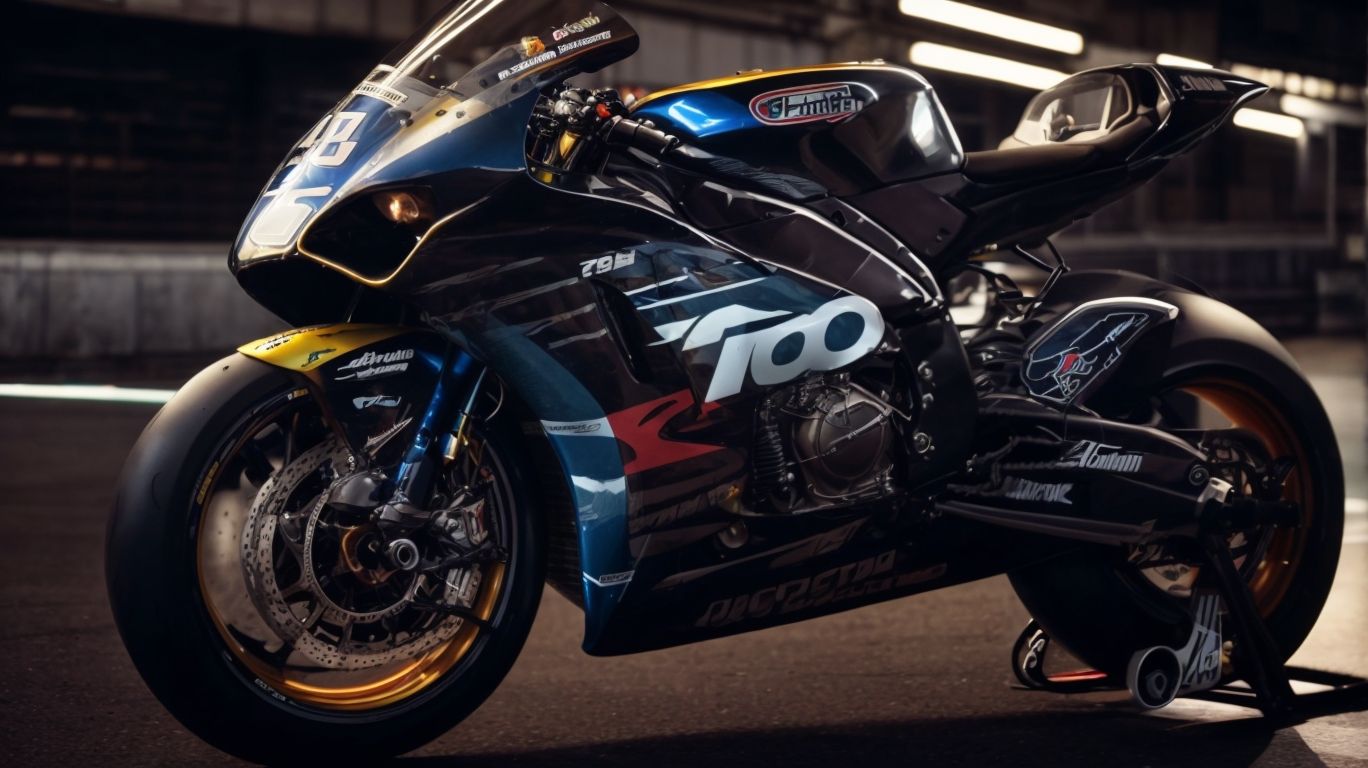
A MotoGP bike comprises advanced components such as the ECU, engine braking map, traction control, and seamless transmissions, all meticulously designed for high-performance racing.
One of the key components in a MotoGP bike is the Electronic Control Unit (ECU). This ECU serves as the brain of the motorcycle, managing various parameters such as fuel injection, ignition timing, and engine performance. The engine braking map, another crucial element, allows riders to adjust how aggressively the engine slows the bike when the throttle is closed, enhancing corner entry speed and stability.
Traction control plays a vital role in optimizing power delivery to the rear wheel, preventing wheel spin and enhancing grip in different riding conditions. Seamless transmissions enable rapid gear shifts without disrupting power delivery, crucial for maintaining acceleration and speed on the track.
Do MotoGP Bikes Have Gears?
Gears play a crucial role in the performance of MotoGP bikes, allowing riders to optimize speed and acceleration during the intense competition of a MotoGP race.
These high-performance motorcycles rely on a complex gear system that enables riders to tailor their speed and torque according to the ever-changing demands of the race track. Each gear ratio corresponds to a specific speed range, requiring precise gear shifting to maintain the ideal balance between power and control. Riders must strategically anticipate the corners, straightaways, and elevation changes to make split-second decisions on when to shift gears to extract maximum performance from the engine.
How Many Gears Do MotoGP Bikes Have?
MotoGP bikes typically have six-speed transmissions, controlled by the rider through the gear lever to adjust gear ratios based on track conditions and performance requirements.
Gear ratios play a crucial role in determining a bike’s speed and acceleration. Lower gears provide quicker acceleration but lower top speed, while higher gears are optimal for reaching top speeds. Riders strategically shift gears using the gear lever to find the right balance between speed and acceleration.
During races, riders must assess the track layout, corners, and straightaways to adjust their gear ratios accordingly. A slight modification in gear ratios can significantly impact a bike’s performance, especially when overtaking opponents or navigating tight turns.
What Type of Gearbox Do MotoGP Bikes Use?
MotoGP bikes utilize a sequential gearbox with a GP shift pattern, unlike conventional transmissions, enabling rapid and precise gear changes for optimal performance on the track.
Traditionally, motorcycles follow a standard shift pattern known as the ‘1 down, 5 up’ sequence, where riders shift gears by pushing the lever down to upshift and up to downshift. In the GP shift configuration, the pattern is reversed. Riders push the lever up to upshift and down to downshift, offering several advantages in high-speed racing scenarios.
This setup allows riders to make quicker gear changes when exiting corners, providing enhanced control over power delivery and traction. By incorporating the GP shift pattern, MotoGP riders can navigate sharp turns more efficiently, thus influencing the bike’s stability and acceleration.
How Do MotoGP Riders Shift Gears?
MotoGP riders shift gears using a combination of manual inputs on the gear lever and electronic assistance to execute seamless gear changes, aligning with their race strategies for optimal performance.
During a race, a rider’s interaction with the gear lever is a crucial element. The gear lever is typically operated by the rider’s left foot, allowing them to upshift or downshift while maintaining control of the bike. Electronic systems such as quick shifters are often employed, enabling riders to shift up or down without using the clutch, enabling smoother transitions and minimizing disruptions in acceleration. By precisely selecting the right gear for each corner and straight, riders can maximize their speed and control, gaining a competitive edge over their opponents.
Is There a Clutch on a MotoGP Bike?
MotoGP bikes are equipped with a semi-automatic clutch system that aids in gear shifting without the need for manual clutch operation, enhancing performance and speed on the track.
This advanced clutch system is designed to seamlessly manage the engagement and disengagement of the clutch, ensuring optimal power delivery to the rear wheel during acceleration and deceleration. By eliminating the need for manual clutch manipulation, riders can focus entirely on throttle control and fine-tuning their racing lines, enabling smoother gear changes and quicker acceleration out of corners.
The semi-automatic clutch mechanism also plays a crucial role in maintaining traction and stability, especially during aggressive maneuvers and rapid downshifting. Its precise operation enhances the overall efficiency of the bike, allowing riders to execute swift gear transitions with minimal disruption to the bike’s balance.
Do MotoGP Bikes Have Quick Shifters?
MotoGP bikes are equipped with quick shifters that enable riders to shift gears rapidly without closing the throttle, enhancing acceleration and maintaining momentum during races.
The quick shifter technology functions by allowing the rider to change gears in milliseconds, facilitating smoother transitions and minimizing power loss between shifts. This seamless gear change is vital in MotoGP races where every split-second counts.
Riders can focus on maneuvering the bike without the distraction of clutch control, leading to quicker acceleration and potentially gaining a competitive edge on the track.
How Do Gears Impact Performance in MotoGP?
Gears significantly influence the performance of MotoGP bikes, affecting acceleration, speed control, and overall handling characteristics crucial for competitive success in MotoGP races.
In terms of MotoGP, the gear selection plays a pivotal role in determining how well a rider can maneuver their bike on the race track. The choice of gears directly impacts not only the acceleration and top speed of the bike but also its agility and stability through corners. Riders constantly assess the track conditions and their competitors’ strategies to fine-tune their gear ratios for optimal performance.
How Do Gears Affect Acceleration?
Gear selection plays a crucial role in acceleration during MotoGP races, with riders adjusting gear ratios and throttle input to optimize speed gains and maintain competitive advantage on the track.
In MotoGP, the relationship between gear ratios and throttle control is a delicate balance that directly impacts acceleration. When a rider shifts to a higher gear, the motorcycle’s speed increases but the torque decreases, requiring precise throttle modulation to maintain momentum.
Throttle control is key to controlling the power delivery and traction, especially when exiting corners where acceleration is crucial. Riders must skillfully manage the throttle to prevent wheel spin and maximize acceleration.
Strategies such as quick upshifting to keep the engine in its power band and understanding the optimal RPM for each gear shift are essential for achieving maximum speed bursts on straights.
How Do Gears Affect Top Speed?
Gears play a critical role in determining the top speed of MotoGP bikes, requiring precise adjustments by riders through the gear lever to achieve maximum velocity on straightaways and long straights.
Riders in the MotoGP championship meticulously analyze the track layout and conditions to devise optimal gear selection strategies. By selecting the right gear ratios, they can harness the engine’s powerband efficiently, ensuring seamless acceleration and sustainable top speeds.
During high-speed sections, such as the famed straights at circuits like Mugello or Le Mans, riders must execute lightning-fast gear changes to maintain momentum and set blistering lap times. The slightest delay in shifting gears can translate to losing precious milliseconds, ultimately impacting their chances of securing pole position or podium finishes.
What Are the Different Gear Ratios Used in MotoGP?
MotoGP teams utilize a range of gear ratios tailored to specific circuits and racing conditions, allowing riders to fine-tune their bikes for optimal performance across diverse track configurations.
These gear ratios play a crucial role in dictating the acceleration, top speed, and overall handling of the bikes on the track. By adjusting the gear ratios, riders can optimize their bikes’ performance in various scenarios. A lower gear ratio, for instance, enhances acceleration, enabling swift bursts of speed out of corners.
Conversely, a higher ratio can boost top speed on long straights, maximizing the bike’s potential velocity. Teams meticulously analyze track layouts and characteristics to determine the most suitable gear setups for each race, taking into account factors like corner types, elevation changes, and straight-line speed requirements.
Why Do MotoGP Bikes Have Different Gear Ratios?
MotoGP bikes feature different gear ratios to adapt to the unique demands of each circuit, enabling riders to optimize performance based on track layouts, corners, and speed requirements.
The strategic customization of gear ratios in MotoGP is crucial in maximizing acceleration, top speed, and overall handling. By adjusting the gearing ratios, riders can fine-tune power delivery to suit the specific characteristics of a circuit. For instance, shorter gear ratios are ideal for tracks with numerous tight corners, providing quicker acceleration out of bends, while longer gear ratios are beneficial on tracks with long straights, allowing for higher top speeds.
What Are the Advantages and Disadvantages of Having Gears in MotoGP?
The utilization of gears in MotoGP offers distinct advantages such as enhanced speed control and acceleration, yet it also presents challenges like gear selection complexities and potential performance constraints for riders.
One of the primary benefits of gears in MotoGP is the ability to fine-tune a bike’s performance to suit different track conditions, providing riders with the necessary tools to optimize their speed and power delivery. This capability allows riders to adapt to varying situations during a race, giving them a competitive edge over their opponents.
The intricacies of gear systems can also pose difficulties for riders, especially when it comes to making split-second decisions on gear changes. The wrong gear selection at a critical moment can lead to loss of momentum and crucial time on the track, impacting the overall race outcome.
Advantages
The advantages of incorporating gears in MotoGP include precise speed adjustments, tailored performance optimization, and strategic transmission strategies that enhance rider control and race outcomes.
One of the key benefits of gear systems in MotoGP is the ability to fine-tune the speed of the motorcycle with utmost precision, allowing riders to navigate various track conditions with ease.
By leveraging seamless transmissions, riders can smoothly shift between gears, ensuring optimal power delivery at crucial moments during a race, thereby gaining a competitive edge over opponents.
The strategic usage of gears enables riders to strategically plan their gear shifts, maximizing acceleration on straights and maintaining stability through corners, ultimately leading to improved performance and consistent lap times.
Disadvantages
Despite their benefits, gears in MotoGP can pose disadvantages such as complexity in gear adjustments, technological limitations, and the need for precise tuning that may impact rider performance and race dynamics.
In terms of MotoGP, the gear systems play a crucial role in determining the performance and efficiency of the bikes on the track. These systems are not without their challenges. One significant drawback is the intricate nature of gear adjustments required to optimize performance. Riders and teams must constantly tweak and fine-tune the gear ratios to suit different track conditions, making it a time-consuming and demanding process.
The technological constraints associated with gear systems can also pose hurdles. The design and implementation of intricate gear mechanisms can sometimes lead to issues like mechanical failures or suboptimal performance, adding an element of unpredictability to races.
Frequently Asked Questions
Do Motogp Bikes Have Gears?
Yes, Motogp bikes do have gears. In fact, they have up to 6 gears which are essential for racing at high speeds on different terrains.
How many gears do Motogp bikes have?
Motogp bikes have up to 6 gears. The exact number may vary depending on the model and manufacturer, but 6 gears is the standard for top-tier racing bikes.
What is the purpose of gears in Motogp bikes?
Gears are crucial for controlling the speed and acceleration of Motogp bikes. They allow the rider to shift to a lower gear for more power or a higher gear for more speed, depending on the track and race conditions.
Are the gears on Motogp bikes manual or automatic?
The gears on Motogp bikes are manual, meaning the rider has to manually shift gears using a gear shift lever. This requires precise timing and skill from the rider.
Can Motogp bikes change gears while in motion?
Yes, Motogp bikes can change gears while in motion. The gear shift lever is designed to be easily accessible and the rider can shift gears quickly and smoothly while riding.
Do Motogp bikes use traditional clutch systems?
No, Motogp bikes do not use traditional clutch systems. Instead, they use a seamless shift gearbox (SSG) which allows for faster and smoother gear changes without the need for a clutch.