How Motogp Bikes Are Made?
Curious about what makes a MotoGP bike stand out from the rest?
Each component, from the engine to the aerodynamics, plays a crucial role in the design and development of these high-performance machines.
Explore the different classes of MotoGP bikes, the key components that make them unique, the materials used in their construction, and the meticulous manufacturing process that goes into creating these racing marvels.
Dive deep into the world of MotoGP and uncover what sets these bikes apart from regular motorcycles.
Key Takeaways:
What Is MotoGP?
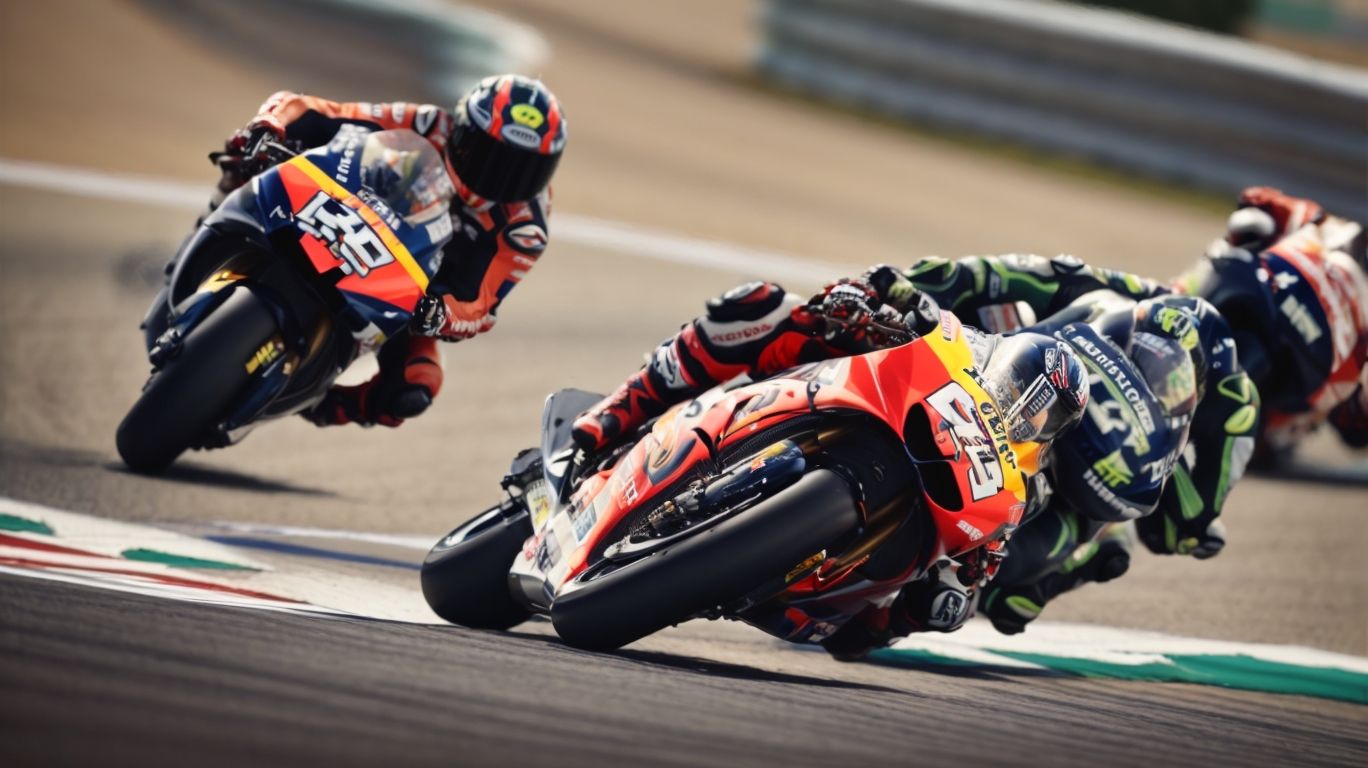
MotoGP is the premier class of motorcycle road racing events, featuring high-performance bikes competing on various international tracks.
Founded in 1949, MotoGP has a rich history that dates back to the FIM Road Racing World Championship Grand Prix. Over the years, it has evolved into one of the most thrilling and prestigious motorcycle racing series in the world. The sport has garnered a massive global following, with races held in iconic locations such as Mugello in Italy, Circuit de Barcelona-Catalunya in Spain, and the legendary Suzuka Circuit in Japan. The intense competition between elite riders like Valentino Rossi, Marc Marquez, and Maverick Vinales, along with the rivalry between manufacturers such as Yamaha, Honda, and Ducati, keeps fans on the edge of their seats season after season.
What Are the Different Classes of MotoGP Bikes?
There are different classes of MotoGP bikes, including prototypes used in the MotoGP class, Moto2 bikes, and Moto3 bikes.
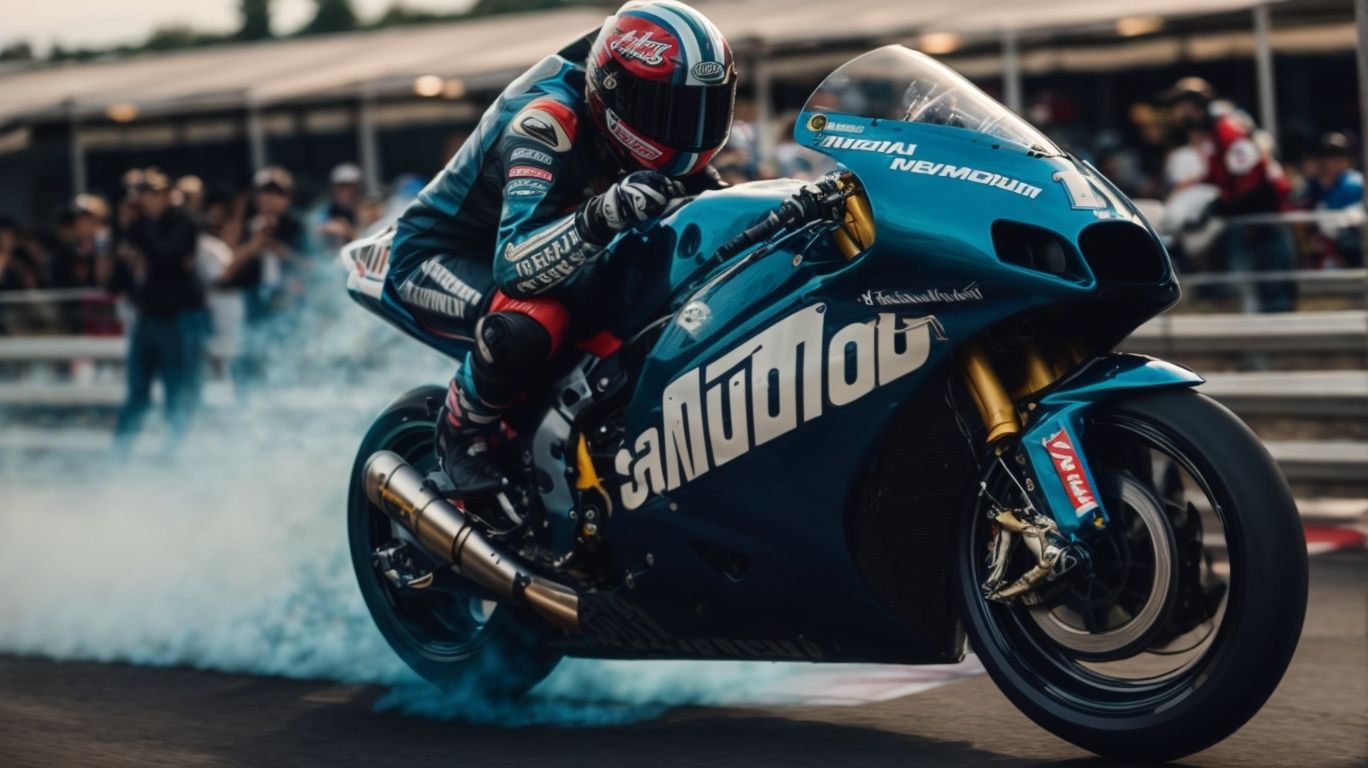
Each class of MotoGP bikes has its distinct characteristics that set them apart in terms of performance and specifications. The MotoGP class features the most advanced bikes, known as prototypes, which are purpose-built racing machines designed specifically for MotoGP competitions. These bikes are equipped with powerful four-stroke engines, cutting-edge electronics, and aerodynamic enhancements to maximize speed and performance on the track.
What Are the Key Components of a MotoGP Bike?
A MotoGP bike comprises essential components such as the high-performance engine, advanced frame, precision suspension system, cutting-edge brakes, specialized wheels and tires, and aerodynamic features for optimal performance.
The high-performance engine is the heart of a MotoGP bike, finely tuned to deliver immense power while being lightweight for maximum speed.
The advanced frame provides stability and agility, allowing riders to navigate corners at high speeds.
The precision suspension system absorbs bumps and maintains traction, crucial for smooth handling.
Cutting-edge brakes offer exceptional stopping power, while specialized wheels and tires provide grip and responsiveness on various track conditions.
Aerodynamic features, such as fairings and winglets, reduce drag and increase downforce, enhancing overall performance.
Engine
The engine is the heart of a MotoGP bike, featuring cutting-edge technology, high power output, and precise tuning for exceptional performance on the track.
One of the key elements that sets MotoGP bike engines apart is their power output. These engines can rev up to an astounding 18,000 RPM, generating over 250 horsepower. This immense power is crucial for the bikes to achieve speeds exceeding 200 mph on straightaways.
The fuel efficiency of these engines is also remarkable, with advanced fuel management systems constantly optimizing the air-fuel mixture to maximize performance while meeting strict fuel consumption regulations. MotoGP engines incorporate state-of-the-art technologies such as pneumatic valves, seamless shift gearbox, and engine braking control to provide riders with unmatched control and acceleration.
Frame
The frame of a MotoGP bike is a lightweight, high-strength structure typically made of materials like aluminium or carbon fiber, providing rigidity and stability for optimal handling.
Plus the material choice, the frame geometry plays a crucial role in the overall performance of a MotoGP bike. The angles, curves, and dimensions of the frame are meticulously designed to ensure a perfect balance between stability and agility.
Engineers focus on achieving the ideal weight distribution and center of gravity to enhance cornering ability and acceleration. The intricate design of the frame determines how the bike responds to rider input, translating their movements into precise actions on the track.
The frame’s structural integrity is paramount to withstanding the immense forces experienced during high-speed maneuvers. A well-constructed frame not only enhances performance but also ensures the safety of the rider in demanding racing conditions.
Suspension
The suspension system of a MotoGP bike consists of advanced components like Pro Link systems, adjustable forks, and rear shocks, crucial for maintaining traction, stability, and rider comfort during high-speed maneuvers.
Pro Link systems are specifically designed to optimize the bike’s handling by controlling the rear suspension movement, ensuring maximum grip and stability through corners. The adjustable forks allow for fine-tuning of the bike’s front suspension, crucial for adapting to different track conditions and rider preferences. Rear shocks play a vital role in absorbing impacts and maintaining contact between the tires and the road surface, enhancing overall performance and rider feedback.
Brakes
The braking system on a MotoGP bike consists of high-performance brake discs, calipers, and brake pads, engineered to provide exceptional stopping power and control under extreme racing conditions.
These components work together seamlessly to handle the immense speeds reached on the race track, ensuring the rider can decelerate swiftly and precisely. The brake discs are often made of carbon composite materials to withstand high temperatures generated during braking.
The calipers grip the discs fiercely, converting kinetic energy into heat, which needs efficient dissipation mechanisms to prevent brake fade or failure. Heat dissipation is crucial in MotoGP braking systems to maintain consistent performance throughout the race.
Wheels and Tires
MotoGP bikes are equipped with specialized wheels and tires designed for optimal grip, traction, and cornering performance on different track surfaces, ensuring stability and control at high speeds.
This high-performance equipment plays a crucial role in the overall performance of the bike and the rider. Tire compounds are carefully selected to provide the right balance between grip and durability, with choices ranging from soft to hard compounds depending on track temperature and surface conditions.
The tire profile is meticulously designed to maximize the contact patch with the ground, enhancing cornering ability and overall handling. The materials used in MotoGP wheels, such as lightweight alloys or carbon fiber, are chosen for their strength, rigidity, and heat dissipation properties to withstand the intense demands of professional racing.
Aerodynamics
Aerodynamic elements such as windscreen, fairing, and bodywork play a crucial role in enhancing the MotoGP bike’s stability, drag reduction, and overall performance by reducing air resistance and improving handling at high speeds.
These components are designed to minimize the drag caused by the motorcycle’s shape, allowing it to cut through the air more efficiently. The fairing, for instance, not only reduces the air drag but also directs the airflow around the bike to create aerodynamic downforce. This downforce enhances the bike’s stability, especially when cornering at high speeds, enabling the rider to maintain control and maneuver with precision.
How Are MotoGP Bikes Designed and Developed?
MotoGP bikes undergo a meticulous design and development process that involves advanced technologies like CAD, wind tunnel testing, and 3D printing to optimize performance and aerodynamics.
One key aspect of designing MotoGP bikes starts with Computer-Aided Design (CAD), where engineers create digital models of the bike and its components, allowing for detailed analysis and optimization before physical production. These CAD models are then subjected to rigorous wind tunnel simulations where the aerodynamic performance of the bike is fine-tuned to enhance speed and stability on the track. Rapid prototyping techniques using 3D printing enable engineers to quickly test and iterate on new designs, pushing the boundaries of innovation in MotoGP bike technology.
Computer-Aided Design (CAD)
Computer-Aided Design (CAD) plays a pivotal role in the development of MotoGP bikes, enabling engineers to create precise digital models, analyze performance parameters, and refine design elements for optimal aerodynamics and structural integrity.
CAD technology in MotoGP goes beyond just visualizing a bike design; it aids in virtual prototyping, allowing engineers to simulate various conditions and test potential modifications before physical production. Through CAD software, complex aerodynamic analysis can be conducted, fine-tuning components such as fairings and exhaust systems to improve speed and stability on the track.
CAD facilitates seamless integration of components within the bike’s frame, ensuring precise fits and reducing the risk of structural weaknesses. This meticulous process enhances overall performance and safety, giving teams a competitive edge in the fast-paced world of MotoGP racing.
Wind Tunnel Testing
Wind tunnel testing is a critical phase in MotoGP bike development, allowing engineers to assess aerodynamic performance, drag coefficients, and airflow patterns to refine the bike’s bodywork and streamline design for maximum speed and stability.
Through wind tunnel testing, engineers can meticulously analyze the intricate aerodynamic features of MotoGP bikes, fine-tuning every aspect to achieve optimal performance on the track. By carefully studying airflow behaviors at varying speeds, angles, and conditions, designers can make precise adjustments to reduce drag and enhance the bike’s stability, ensuring it slices through the air with minimal resistance. These testing sessions provide invaluable insights into how the bike interacts with the airflow, guiding the development of more efficient bodywork designs and innovative aerodynamic solutions.
3D Printing
3D printing technologies are increasingly used in MotoGP bike development to create rapid prototypes, custom components, and lightweight parts that enhance performance, reduce weight, and streamline manufacturing processes for maximum efficiency.
One of the primary benefits of incorporating 3D printing in MotoGP bike manufacturing is the ability to quickly produce prototypes for testing and validation, allowing teams to make swift iterations and improvements. This technology also enables the production of custom components tailored to the specific requirements of riders and their racing style.
3D printing facilitates the design and production of intricate geometries that would be challenging or impossible to achieve with traditional manufacturing methods, contributing to enhanced aerodynamics and overall performance of the bikes on the track.
What Materials Are Used to Make MotoGP Bikes?
MotoGP bikes are crafted using advanced materials such as carbon fiber, titanium, magnesium, and aluminium to achieve lightweight construction, high strength, and superior performance on the racetrack.
Carbon fiber is renowned for its exceptional strength-to-weight ratio, making it perfect for MotoGP bike frames, swingarms, and fairings. It enhances agility and responsiveness while maintaining structural integrity.
Titanium is used for critical components like exhaust systems and fasteners due to its high strength, corrosion resistance, and heat resistance properties, enabling bikes to endure extreme conditions.
Magnesium, with its lightweight composition, is employed for wheels and engine cases to reduce overall bike weight without compromising durability.
Aluminium alloys are favored for their versatility, used in various MotoGP parts including engine components and chassis due to their excellent machinability and strength characteristics.
Carbon Fiber
Carbon fiber is a lightweight and high-strength material commonly used in MotoGP bike components such as the frame, fairing, and bodywork for improved performance, rigidity, and weight reduction.
One of the key advantages of carbon fiber in MotoGP bike manufacturing is its exceptional strength-to-weight ratio, making it significantly lighter yet stronger than traditional materials like steel or aluminum. This weight savings not only enhances the overall performance of the bike but also allows for better handling and maneuverability on the track.
Carbon fiber’s inherent stiffness and rigidity contribute to the structural integrity of MotoGP bikes. The material’s ability to withstand high loads and stresses ensures that the frame maintains its shape and stability during the demanding conditions of professional racing.
Carbon fiber’s versatility enables intricate designs and aerodynamic shapes to be incorporated into the bike’s components, optimizing airflow efficiency and enhancing the overall aerodynamic performance. This advanced aerodynamics play a crucial role in achieving higher speeds and improving stability on straightaways and corners.
Titanium
Titanium is a durable and corrosion-resistant material used in MotoGP bikes for components like exhaust systems, fasteners, and engine parts to withstand high temperatures, reduce weight, and enhance longevity.
One of the key advantages of titanium in MotoGP bike construction is its impressive strength-to-weight ratio, making it ideal for applications where lightweight materials are crucial without compromising on durability and performance. This metal is highly sought after in the racing industry due to its excellent heat resistance, allowing components to operate efficiently under extreme conditions without warping or compromising structural integrity.
Titanium’s excellent fatigue strength and high vibration damping properties contribute to enhanced rider comfort and stability by reducing the transfer of engine vibrations to the chassis. When used in exhaust systems, titanium offers superior corrosion resistance, preventing premature deterioration and maintaining optimal performance over extended periods of use.
Magnesium
Magnesium is a lightweight metal alloy favored in MotoGP bikes for parts like wheels, engine cases, and transmission components due to its strength-to-weight ratio, heat dissipation properties, and machinability for precision engineering.
One of the main benefits of using magnesium alloys in MotoGP bike manufacturing is their exceptional strength-to-weight ratio, offering a perfect balance between durability and lightness, crucial for achieving high performance on the race track. The excellent heat dissipation properties of magnesium alloys help in managing the high temperatures generated by the powerful engines in MotoGP bikes, ensuring optimal performance and reliability.
The machinability of magnesium allows for intricate designs and precise engineering of components, contributing to the intricate aerodynamics and efficient functioning of critical MotoGP parts. These characteristics make magnesium alloys highly coveted in the construction of wheels, engine cases, and transmission components in MotoGP machines, enhancing their overall performance and competitiveness on the race circuit.
Aluminum
Aluminum alloys are widely used in MotoGP bikes for structural components, chassis parts, and bodywork due to their lightweight nature, formability, and excellent mechanical properties that enhance agility and performance on the track.
These alloys play a crucial role in the construction of MotoGP bikes as they offer a unique blend of strength and weight-saving advantages. The use of aluminum alloys allows engineers to build bikes that are not only lightweight but also structurally rigid, ensuring optimal handling and maneuverability at high speeds.
One of the key benefits of using aluminum alloys in MotoGP bike construction is their ability to resist corrosion, which is essential for the harsh racing conditions these bikes endure.
How Are MotoGP Bikes Manufactured?
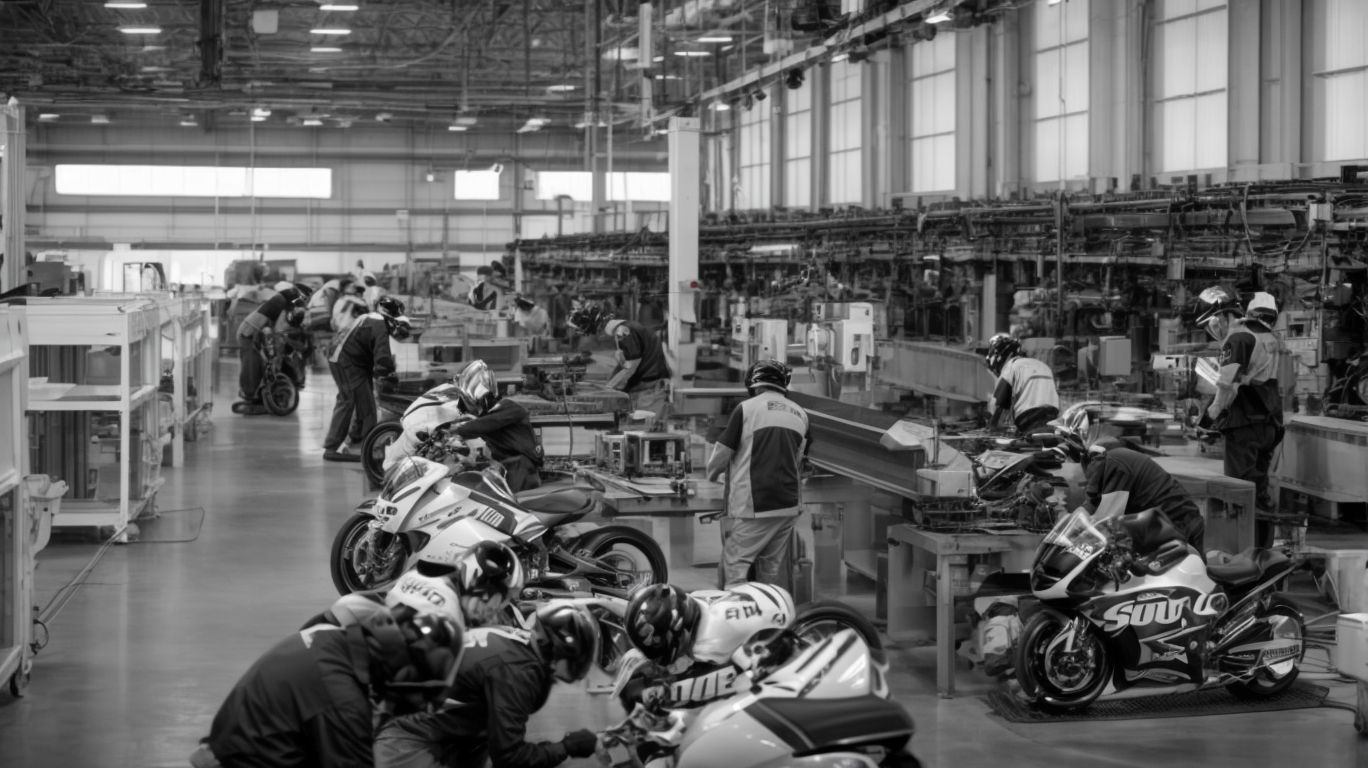
MotoGP bikes are meticulously manufactured through a combination of handmade production techniques, precise assembly processes, and rigorous quality control measures to ensure top performance and safety standards.
Component fabrication for MotoGP bikes involves using advanced materials like carbon fiber and titanium, crafted with utmost care to meet strict weight and strength requirements. These components are meticulously inspected for any imperfections before they undergo precision assembly line procedures, where skilled technicians meticulously put together the intricate parts to form the high-performance machines that dominate the racetrack.
Each MotoGP bike goes through a series of quality assurance protocols, including rigorous testing on specialized equipment to ensure optimal performance and safety. The attention to detail and dedication to perfection in every step of the manufacturing process showcase the impeccable craftsmanship that goes into creating these racing marvels.
Handmade Production
Handmade production methods are employed in crafting MotoGP bikes, where skilled technicians meticulously assemble components, weld frames, and fabricate intricate parts with expert knowledge and precision.
One of the key reasons why handmade production holds such importance in MotoGP bike manufacturing is the unparalleled craftsmanship that it involves. Every step of the process, from shaping the chassis to fitting the suspension components, requires a level of attention to detail that can only be achieved through artisanal techniques. The use of traditional methods mixed with modern technology results in racing machines that are not only fast but also incredibly responsive and finely tuned.
Assembly Process
The assembly process of MotoGP bikes involves meticulous integration of components, precise alignment of systems, and calibration of settings to ensure optimal performance, safety, and reliability on the racetrack.
During the integration stage, the engineers meticulously fit together the chassis, suspension, engine, and specialized MotoGP components. Each element is carefully positioned and secured to the exact specifications to guarantee maximum performance and durability.
- System synchronization is a critical phase where the electronics, hydraulics, and mechanical systems are seamlessly connected and programmed to work in harmony. This intricate process requires a deep understanding of the cutting-edge technology utilized in MotoGP bikes.
- Final tuning involves fine-tuning the bike’s engine mapping, suspension settings, and aerodynamics to optimize performance for different track conditions and rider preferences.
Quality Control
Stringent quality control measures are implemented throughout the manufacturing process of MotoGP bikes, including critical inspections, performance testing, and compliance checks to maintain the highest standards of safety and reliability in competition.
From the initial selection of materials to the final assembly, quality control plays a paramount role in ensuring that every component meets the rigorous requirements set by MotoGP regulations and engineering guidelines. The quality control team meticulously scrutinizes each part for defects, dimensional accuracy, and material integrity. Plus visual inspections, advanced testing techniques such as non-destructive testing methods like ultrasonic testing or eddy current testing are employed to detect any hidden flaws. These stringent procedures are essential to guarantee the flawless performance of the bikes on the track and to uphold the safety of the riders at all times.
What Makes a MotoGP Bike Different from a Regular Motorcycle?
MotoGP bikes differ from regular motorcycles in terms of their cutting-edge technology, high-performance capabilities, advanced materials, and specialized components that are finely tuned for competitive racing at the highest level.
One of the key differences lies in the engine technology. MotoGP bikes are equipped with powerful, finely-tuned engines that produce incredible speeds and acceleration, often reaching over 220 mph on straightaways. These engines undergo meticulous development and testing to optimize performance and reliability under extreme racing conditions.
Additionally, sophisticated electronics systems play a crucial role in MotoGP bikes, offering advanced traction control, launch control, and engine mapping features. These systems help riders maximize their performance and adjust the bike’s behavior in real-time for different track conditions.
Frequently Asked Questions
What materials are used to make Motogp bikes?
The frame of a Motogp bike is typically made of carbon fiber, while the engine components are made of aluminum, titanium, and magnesium.
How are Motogp bikes designed?
Motogp bikes are designed using advanced computer-aided design (CAD) software, which allows engineers to create precise 3D models and simulations before physical prototypes are built.
What makes Motogp bikes so fast?
Motogp bikes are designed to be lightweight and aerodynamic, allowing them to reach speeds of over 200 mph. They also have powerful engines and advanced suspension systems for maximum performance.
How long does it take to build a Motogp bike?
It can take several months to build a Motogp bike, as each component must be carefully manufactured and tested for performance and durability before being assembled into the final bike.
Are Motogp bikes custom-made for each rider?
Yes, each Motogp bike is custom-made for the specific rider’s preferences and body size. This allows for the most comfortable and efficient riding experience.
Why are Motogp bikes so expensive?
Motogp bikes are made with the latest and most advanced materials and technology, making them incredibly expensive to manufacture. The research and development costs also contribute to the high price tag of these high-performance machines.