What Are Motogp Knee Pads Made of?
Motogp knee pads are an essential piece of protective gear for riders, designed to provide both safety and comfort on the track.
In this article, we will explore the materials used in Motogp knee pads, such as carbon fiber, Kevlar, polyurethane, neoprene, and leather, and why these materials are chosen.
We will also discuss how these materials can impact a rider’s performance, as well as the different types of Motogp knee pads available.
Let’s dive in and discover the world of Motogp knee pads!
Key Takeaways:
Intro to MotoGP Knee Pads
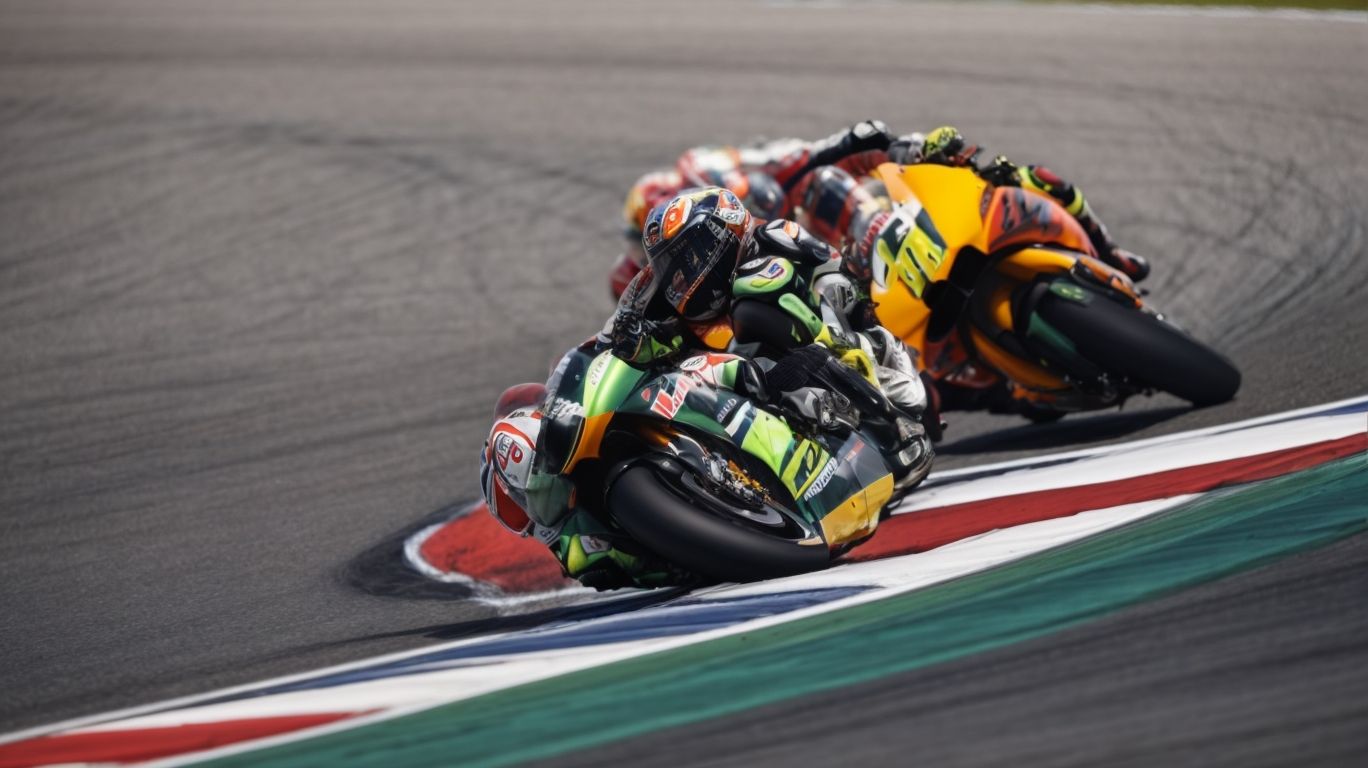
MotoGP knee pads are crucial safety gear worn by MotoGP riders to protect their knees during intense motorcycle racing events.
These knee pads play a vital role in safeguarding the riders from potential injuries and ensuring their overall well-being on the race track. Along with knee pads, MotoGP racers also make use of specialized knee sliders attached to their race suits. The knee sliders serve a dual purpose by not only protecting the knees but also aiding in maneuvering the motorcycle efficiently through corners at high speeds. The combination of knee pads and sliders is essential in enhancing the safety measures for riders, allowing them to push the limits while minimizing the risk of injuries during adrenaline-fueled races.
What Are MotoGP Knee Pads Made of?
MotoGP knee pads are constructed from various high-performance materials designed to enhance safety and protection for riders.
One of the primary materials used in MotoGP knee pads is carbon fiber, known for its exceptional strength and lightness. Carbon fiber provides excellent impact resistance without adding extra weight, crucial for rider agility and comfort.
Kevlar is another key material incorporated in these knee pads due to its high tensile strength and abrasion resistance properties, offering superior durability in case of falls or slides.
Additionally, neoprene is used to enhance flexibility and comfort while ensuring a snug fit for the rider’s knee joint, reducing the risk of injuries.
Carbon Fiber
Carbon fiber is a popular choice for MotoGP knee pads due to its lightweight yet high-strength properties, providing excellent protection for riders.
Carbon fiber is highly valued in MotoGP for its remarkable properties, as it offers outstanding protection without adding unnecessary weight. The use of carbon fiber in knee pads ensures that riders can have optimal mobility while still having a high level of defense against impacts and abrasions. This advanced material also allows for the integration of protective inserts that enhance the overall safety of the knee pads, further reducing the risk of injuries during high-speed races.
Kevlar
Kevlar is a durable material commonly used in MotoGP knee pads to provide abrasion resistance and enhance the longevity of the gear.
Its exceptional strength makes it a crucial component for protecting the knee area of riders during high-speed races. By incorporating Kevlar into the design, manufacturers ensure that the knee pads can withstand intense friction and impact, offering unparalleled safety features for riders. The resilience of Kevlar against tears and punctures gives riders the confidence to push their limits without compromising on protection.
Polyurethane
Polyurethane is utilized in MotoGP knee pads to offer flexibility and comfort to riders, ensuring a snug yet comfortable fit during races.
This material is chosen for its ability to adapt to the rider’s movements on the bike, providing the necessary support without restricting mobility. The unique properties of polyurethane allow for a customized fit that molds to the rider’s knees, enhancing comfort and reducing the risk of injuries.
Along with flexibility, polyurethane also contributes to the durability of knee pads, ensuring they can withstand the rigorous demands of MotoGP races. This advanced material offers a balance of protection and comfort, making it an ideal choice for professional riders seeking optimal performance and safety.
Neoprene
Neoprene is incorporated into MotoGP knee pads for its excellent breathability, ensuring proper airflow and ventilation for rider comfort.
Neoprene, a versatile synthetic rubber material, is a popular choice for MotoGP knee pads due to its unique properties. Its breathability plays a crucial role in enhancing the overall comfort of riders by allowing air to circulate freely, preventing excessive heat buildup. This advanced material helps regulate moisture levels, wicking away sweat to keep the skin dry and reducing the risk of irritation during long rides. As a result, Neoprene contributes significantly to the ventilation system of knee pads, providing riders with a comfortable and enjoyable experience on the track.
Leather
Leather is a premium material choice for MotoGP knee pads, known for its quality, durability, and classic aesthetic appeal.
Leather adds a touch of sophistication to the knee pads, elevating the overall design to exude a timeless elegance. The natural strength and flexibility of Leather make it ideal for intensive use in MotoGP, providing riders with reliable protection during high-speed races. The premium quality of Leather ensures that the knee pads can withstand the rigorous demands of competitive motorcycle racing, offering long-lasting performance that riders can depend on.
Why Are These Materials Used?
These materials are selected for MotoGP knee pads due to their exceptional safety features, durability, and performance benefits for riders.
Advanced synthetic fabrics like Kevlar and carbon fiber are used in MotoGP knee pads to provide unrivaled protection against impact and abrasion, ensuring maximum safety for riders during intense races. The durability of these materials offers long-lasting use, withstanding the high speeds and rough conditions typical in competitive motorcycle racing. The lightweight nature of these materials enhances rider performance by allowing for increased agility and flexibility on the track. The strategic placement of these materials in the knee pads also contributes to optimal shock absorption and energy dissipation, crucial for rider protection in MotoGP competitions.
Protection and Durability
The primary goal of selecting these materials for MotoGP knee pads is to provide superior protection and durability for riders during MotoGP events.
One of the key materials that play a crucial role in enhancing protection and durability in MotoGP knee pads is carbon fiber. This lightweight yet incredibly strong material is known for its ability to withstand high impact forces, making it an ideal choice for safeguarding riders in the fast-paced and intense environment of MotoGP races. Along with carbon fiber, Kevlar is another essential material used in the construction of these knee pads. Its high tensile strength and resistance to abrasion make it a reliable component for ensuring long-lasting protection against potential injuries.
Flexibility and Comfort
The materials used in MotoGP knee pads offer the ideal balance of flexibility and comfort, ensuring riders can maintain agility while wearing race suits.
The design of MotoGP knee pads prioritizes the need for flexibility, a crucial element in the high-speed world of motorcycle racing. These pads are crafted from advanced materials that allow riders to move freely without restrictions, contributing to their overall performance on the track.
Comfort is equally paramount, as riders spend hours pushing their physical limits while navigating challenging circuits. The ergonomic construction of these knee pads ensures a snug fit that minimizes discomfort, enabling riders to focus solely on their technique and speed.
When riders feel at ease in their race suits, they can fully concentrate on the race ahead, making split-second decisions with confidence and precision. The combination of flexibility and comfort provided by MotoGP knee pads ultimately enhances not only rider comfort but also safety and performance on the track.
Lightweight and Breathability
The materials chosen for MotoGP knee pads offer a lightweight design and excellent breathability, integrating advanced technology for enhanced rider comfort.
These innovative materials are carefully selected to ensure the knee pads provide the necessary protection while being incredibly lightweight, allowing riders to move freely and comfortably on the track. Their exceptional breathability allows for proper air circulation, keeping the riders cool and preventing excessive sweating during intense races.
The incorporation of cutting-edge technology not only enhances the overall comfort but also ensures that the knee pads stay in place and conform to the rider’s movements, providing a secure fit without compromising flexibility. This meticulous attention to detail in design ultimately translates to improved performance on the race track.
How Do These Materials Affect Performance?
The use of these advanced materials in MotoGP knee pads directly influences the performance of MotoGP riders, enhancing their capabilities on the track.
These materials are meticulously designed to provide riders with maximum comfort and protection while allowing them to push the limits of speed and agility.
The lightweight yet durable nature of these materials is crucial in ensuring that riders can maneuver through corners with precision and maintain control over their bikes at high speeds.
The impact-resistant properties of these materials play a vital role in safeguarding riders against potential injuries during intense racing scenarios, instilling them with the confidence to push themselves to the edge of performance.
Enhanced Grip and Control
The materials used in MotoGP knee pads contribute to enhanced grip and control for MotoGP riders, ensuring better handling and maneuvering on the track.
These innovative materials are designed to provide superior traction and stability, allowing riders to confidently navigate tight corners and accelerate out of turns with precision. The combination of advanced fabrics and resilient padding minimizes slippage and ensures a firm connection between the rider’s knees and the bike, enhancing their overall performance on the race track.
Increased Range of Motion
By enhancing flexibility, the materials in MotoGP knee pads allow for an increased range of motion, enabling MotoGP riders to execute precise movements with ease.
This improved range of motion is crucial in the fast-paced world of MotoGP racing, where split-second decisions and quick reflexes can make all the difference on the track. With the knee pads providing support without restricting movement, riders experience enhanced maneuverability, allowing them to lean into turns with precision and navigate challenging corners effortlessly.
The advanced materials used in MotoGP knee pads are designed to offer both protection and flexibility, ensuring that riders stay safe while pushing the limits of their physical capabilities. This combination of durability and freedom of movement is paramount in achieving peak performance, as riders need to be able to react swiftly to changes in track conditions while maintaining control over their bikes.
Improved Airflow and Temperature Regulation
The materials in MotoGP knee pads are engineered to provide improved airflow and temperature regulation, essential for maintaining rider comfort and safety, especially when integrated with an airbag system.
Optimizing airflow within the knee pads is crucial as it helps in reducing heat build-up and moisture, preventing discomfort and potential skin irritations. By incorporating advanced textiles that wick away sweat and allow for better ventilation, these knee pads ensure the rider stays cool and dry during intense rides.
The temperature regulation feature plays a key role in adapting to varying environmental conditions, helping the rider stay focused and perform optimally. This becomes even more critical when paired with an airbag system, as proper airflow and temperature control can enhance the overall effectiveness of the safety gear in case of impact.
What Are the Different Types of MotoGP Knee Pads?
There are various types of MotoGP knee pads available, including hard shell, soft shell, and hybrid options, each offering specific advantages for riders.
Hard shell MotoGP knee pads are designed with a durable outer layer that provides excellent abrasion resistance, making them ideal for high-speed tracks and aggressive riding styles. On the other hand, soft shell knee pads offer more flexibility and comfort, suiting riders who prioritize freedom of movement and extended wearability. Hybrid knee pads blend the best of both worlds, combining the protection of hard shell with the comfort of soft shell, making them a versatile choice for various riding conditions.
Hard Shell Knee Pads
Hard shell knee pads in MotoGP provide exceptional protection and impact resistance, ideal for riders seeking maximum safety during races.
These knee pads are designed with a rugged hard shell exterior to shield against high-impact crashes, ensuring the rider’s knees are well-protected in challenging track conditions. The innovative construction and materials used in these protective gears offer a lightweight fit without compromising on durability, allowing riders to move freely while riding. The hard shell design disperses impact forces effectively, reducing the risk of serious injuries during accidents.
Soft Shell Knee Pads
Soft shell knee pads offer enhanced flexibility and comfort for MotoGP riders, allowing for greater agility and movement on the track while maintaining protection.
These innovative knee pads are designed to provide a high level of impact protection without restricting the rider’s mobility. The soft shell material molds to the rider’s knees, offering a customized fit that ensures maximum comfort during long races.
The flexibility of these knee pads is crucial for MotoGP riders who need to quickly shift their body weight and maintain control while navigating tight corners at high speeds. This balance between protection and agility is what sets soft shell knee pads apart from traditional rigid options.
Hybrid Knee Pads
Hybrid knee pads combine the best features of hard and soft shell designs, offering riders a versatile option that balances protection, flexibility, and comfort.
These innovative knee pads in MotoGP are designed to provide optimal protection while allowing racers to move freely and comfortably. The hybrid construction incorporates durable hard shell components to shield against impacts and abrasions, while the soft shell elements offer flexibility for dynamic movement on the track. Versatility is key, as these pads cater to the diverse racing needs of MotoGP professionals, adapting seamlessly to different riding styles and conditions.
Conclusion
MotoGP knee pads play a vital role in enhancing safety and performance for MotoGP riders, with advanced materials and diverse types ensuring optimal protection on the track.
These specially designed knee pads are crafted to provide superior impact protection, reducing the risk of injuries during high-speed races.
Carbon fiber, Kevlar, and high-density foam are some of the advanced materials used in the construction of MotoGP knee pads, offering a perfect blend of strength and flexibility.
From dual strap designs for a secure fit to ventilated panels for breathability, these knee pads are engineered to meet the rigorous demands of professional racing.
Frequently Asked Questions
What Are Motogp Knee Pads Made of?
Motogp knee pads are an essential piece of protective gear for motorcycle riders. Here are some common questions about their materials and construction.
What materials are typically used to make Motogp knee pads?
Motogp knee pads are typically made of a combination of materials such as carbon fiber, Kevlar, and polyurethane. These materials provide both durability and flexibility for maximum protection and comfort.
Why are carbon fiber and Kevlar often used in Motogp knee pads?
Carbon fiber and Kevlar are both strong and lightweight materials that are commonly used in Motogp knee pads. They offer excellent impact resistance and can withstand high speeds and intense conditions.
Do Motogp knee pads have different levels of protection?
Yes, there are different levels of protection offered by Motogp knee pads. Some may have additional layers or padding for extra protection, while others may focus more on flexibility and comfort.
Are Motogp knee pads customizable?
Yes, many Motogp knee pads come with adjustable straps and velcro closures, allowing riders to customize the fit and level of protection. Some brands also offer customizable color and design options for a personalized look.
How long do Motogp knee pads typically last?
The lifespan of Motogp knee pads can vary depending on usage and maintenance. With proper care and regular inspections, they can last for several years. It is important to replace them if they become damaged or show signs of wear and tear.