What Helmets Do Motogp Riders Wear?
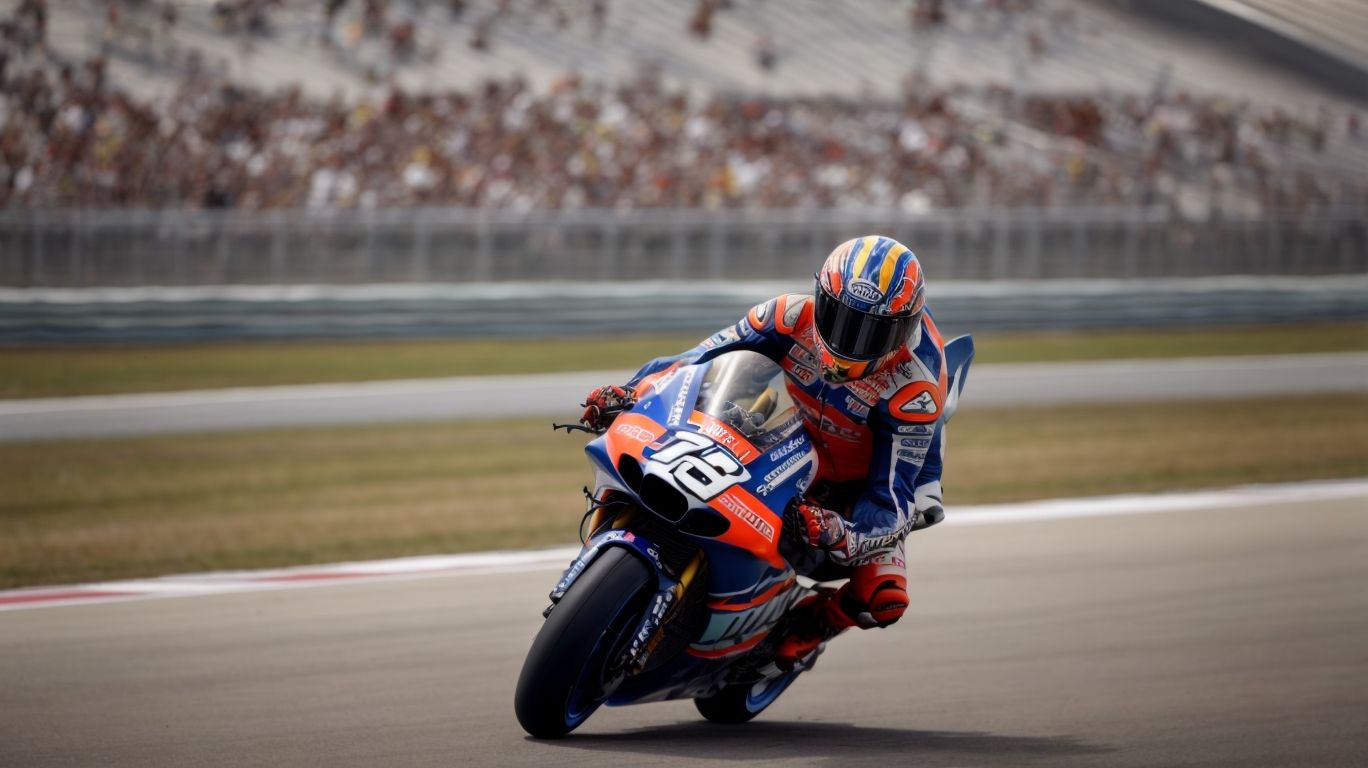
If you’ve ever watched a Motogp race, you’ve probably noticed the sleek and stylish helmets worn by the riders. But have you ever wondered what standards these helmets have to meet to ensure the safety of the riders?
In this article, we will explore the different standards that Motogp helmets must adhere to, the materials used in their construction, key features to look out for, the various types available, and how these helmets are rigorously tested and approved.
So buckle up and get ready to learn all about the importance of wearing proper Motogp helmets.
Key Takeaways:
What Are the Standards for Motogp Helmets?
MotoGP helmets are held to rigorous safety standards set by organizations like FIM, ensuring that riders are protected during high-speed races.
These safety standards are crucial in ensuring the safety of riders in MotoGP events, as helmets play a vital role in protecting against potentially life-threatening injuries. The FIM regulations outline specific requirements that helmets must meet to be approved for use in races.
Homologation processes involve rigorous testing to ensure that helmets meet the necessary safety criteria. This includes impact tests, penetration resistance, visor performance, and chin strap strength checks to guarantee the highest level of protection for riders.
FIM Standards
FIM sets stringent standards for MotoGP helmets to ensure optimal protection for riders, collaborating with manufacturers to conduct thorough homologation tests.
These standards play a pivotal role in enhancing safety on the racetrack. The homologation procedures involve meticulous scrutiny of each helmet design to verify compliance with FIM regulations. Safety tests are conducted to evaluate impact resistance, stability, and aerodynamics, among other crucial factors. Manufacturer collaborations enable the exchange of expertise and technology to enhance helmet performance.
Approval processes involve multiple stages, with stringent criteria set by the FIM to guarantee that only helmets meeting the highest safety standards receive certification. This rigorous approach ensures that MotoGP riders are equipped with helmets that provide superior protection in the event of a crash or impact.
ECE Standards
ECE standards play a crucial role in certifying the safety and quality of MotoGP helmets, ensuring compliance with stringent criteria for rider protection.
These standards, set by the Economic Commission for Europe, establish strict guidelines that helmets must meet to attain approval for use in MotoGP races. The approval requirements cover a wide range of factors, including impact attenuation, retention system effectiveness, field of vision, and shell penetration resistance. Each helmet is thoroughly tested and evaluated to receive safety ratings, ensuring that only top-quality products are used in the high-speed and high-risk environment of MotoGP.
Snell Standards
Snell standards are renowned for their rigorous testing protocols, contributing to the certification of high-quality MotoGP helmets that meet stringent safety criteria.
These standards play a vital role in ensuring that MotoGP helmets undergo comprehensive testing procedures that assess impact performance, stability, and coverage. The testing protocols involve subjecting helmets to various impact scenarios, including linear and rotational tests to evaluate their ability to protect against different types of impacts. Only helmets that pass these stringent Snell standards get approved, guaranteeing riders maximum protection during races. The influence of these standards extends to safety ratings, with helmets meeting Snell’s criteria often receiving higher safety ratings, providing riders with the confidence to push their limits on the track.
What Materials Are Used in Motogp Helmets?
Motogp helmets utilize a variety of advanced materials such as carbon fiber, Kevlar, fiberglass, and polycarbonate to ensure a balance of strength and weight for rider safety.
Carbon fiber, known for its exceptional strength-to-weight ratio, is a popular choice in MotoGP helmets. Its high tensile strength offers superior impact resistance without adding excessive weight, crucial for reducing rider fatigue during long races. Kevlar, a synthetic fiber renowned for its toughness, is often used in critical impact zones of helmets to enhance abrasion resistance and puncture protection.
Fiberglass, a composite material, provides a sturdy outer shell that disperses impact energy efficiently, reducing trauma to the rider’s head in the event of a crash. On the other hand, polycarbonate, a versatile thermoplastic, offers affordability without compromising on protective qualities, making it a common choice for riders seeking a balance between cost-effectiveness and safety.
Carbon Fiber
Carbon fiber is a preferred material in MotoGP helmets due to its exceptional strength-to-weight ratio, offering superior protection without compromising on weight.
Carbon fiber’s unique properties also make it highly resistant to impacts, which is crucial for protecting the rider in high-speed crashes commonly seen in MotoGP races. The flexibility of carbon fiber allows for intricate designs that enhance aerodynamics and reduce wind resistance, contributing to better performance on the track.
The use of carbon fiber in helmet construction has revolutionized safety standards in MotoGP, providing riders with a lightweight yet incredibly strong defense against potentially life-threatening injuries. This advanced material technology not only ensures the utmost protection but also facilitates a more comfortable and agile riding experience for competitors.
Kevlar
Kevlar is a key component in MotoGP helmets, known for its exceptional durability and impact resistance, providing added protection for riders during high-speed races.
In terms of MotoGP helmet design, the utilization of Kevlar is integral for ensuring top-notch safety standards. The unique properties of Kevlar, such as its high tensile strength and lightweight nature, make it a preferred choice for protective gear in the fast-paced world of motorcycle racing.
One of the standout features of Kevlar is its incredible ability to absorb and disperse impact energy, thereby reducing the risk of head injuries in case of accidents. This material plays a crucial role in enhancing the overall safety performance of MotoGP helmets, offering riders peace of mind as they push the limits on the track.
Fiberglass
Fiberglass is a popular material choice in MotoGP helmets, offering a balance of flexibility and strength to withstand impact forces and enhance rider safety.
One of the key reasons fiberglass is widely used in MotoGP helmet construction is its ability to provide a high level of impact resistance without compromising on weight. This lightweight yet durable material ensures that riders have the necessary protection while maintaining agility and comfort during high-speed racing.
The flexibility of fiberglass allows helmet designers to create intricate shapes that conform to the head, providing a snug and secure fit for the rider. Its inherent strength properties make it an ideal choice for withstanding the extreme conditions and forces experienced in MotoGP racing, where split-second decisions can impact overall performance.
Polycarbonate
Polycarbonate is utilized in MotoGP helmets for its lightweight nature and excellent impact absorption capabilities, offering riders a balance of protection and comfort.
Due to its lightweight properties, polycarbonate is a preferred material for MotoGP helmet construction, ensuring that riders can move freely and comfortably without added strain on their necks during races. Its exceptional impact absorption characteristics help to mitigate the forces generated during crashes, reducing the risk of head injuries. The flexibility of polycarbonate allows for intricate helmet designs that optimize aerodynamics, enhancing performance on the racetrack.
What Are the Features of Motogp Helmets?
Motogp helmets boast advanced features like aerodynamic designs, efficient ventilation systems, high-quality visors, and ergonomic padding for rider comfort and safety.
In terms of MotoGP helmets, aerodynamics play a pivotal role in ensuring maximum performance and stability at high speeds. The sleek designs are meticulously crafted to minimize drag and enhance aerodynamic efficiency, allowing riders to cut through the air with minimal resistance.
The advanced ventilation systems built into these helmets are designed to provide superior airflow, keeping riders cool and comfortable during intense racing conditions. The strategic placement of air vents helps maintain optimal temperature levels inside the helmet, reducing the risk of fogging and maximizing breathability.
The cutting-edge visor technology utilized in MotoGP helmets offers exceptional clarity and impact resistance. These visors are engineered to provide a wide field of vision while offering maximum protection against debris and wind buffeting, ensuring clear visibility in all weather conditions.
The innovative padding materials integrated into these helmets are designed to offer superior comfort, moisture-wicking properties, and impact absorption. The ergonomic padding not only enhances rider comfort but also plays a crucial role in dispersing energy during impact, significantly reducing the risk of head injuries.
Aerodynamics
Aerodynamics play a vital role in MotoGP helmet design, with streamlined shapes and reduced wind resistance enhancing rider performance and stability on the track.
Reducing drag and turbulence is crucial in MotoGP racing, and helmet manufacturers use advanced wind tunnel testing to optimize the aerodynamic efficiency of their designs. By carefully shaping the shell, spoilers, and vents, engineers can minimize air resistance and improve the overall performance of the helmet. This results in higher speeds, better maneuverability, and increased comfort for the rider. The intricate balance between aerodynamics and safety is a key factor in producing a high-quality racing helmet that meets the demanding standards of MotoGP competitions.
Ventilation
Effective ventilation systems in MotoGP helmets ensure optimal airflow and cooling for riders, enhancing comfort and reducing heat buildup during races.
These ventilation systems are meticulously designed to channel air efficiently through the helmet, creating a cooling effect around the rider’s head and face. Strategically placed vents and ducts help in circulating fresh air while expelling hot, stale air out of the helmet. MotoGP helmets are engineered to balance airflow to prevent excessive wind noise and maintain stability at high speeds. The precise management of ventilation not only enhances rider comfort but also plays a crucial role in maintaining focus and peak performance on the track.
Visor
Visors in MotoGP helmets feature anti-fog and scratch-resistant properties, ensuring clear visibility and protection against environmental elements for riders.
These visors are specially designed to combat the challenges faced by riders during high-speed races. The anti-fog coating prevents condensation build-up, maintaining a clear line of sight even in unpredictable weather conditions.
The scratch-resistant materials used in the visors ensure durability and longevity, allowing riders to focus on their performance without worrying about obscured vision.
By safeguarding against fogging and scratches, these visors play a crucial role in enhancing rider safety and enabling them to navigate the track with confidence.
Padding
Padding in MotoGP helmets is designed for optimal comfort and impact absorption, enhancing rider safety and reducing the risk of head injuries during high-speed impacts.
Ensuring that a rider’s head is not only protected but also comfortable is crucial in the intense environment of MotoGP races. The strategic placement of padding inside the helmet plays a vital role in distributing impact forces, thereby minimizing the potential harm caused by crashes or collisions. These paddings are meticulously crafted using advanced materials that offer both cushioning and durability. By prioritizing rider comfort along with safety, MotoGP helmet manufacturers aim to create gear that not only meets safety standards but also enhances performance by allowing riders to focus on their race without distractions.
What Are the Different Types of Motogp Helmets?
MotoGP helmets come in various types, including full-face, modular, open-face, and dual-sport designs, each catering to different rider preferences and riding styles.
Full-face helmets are known for offering the maximum protection, enclosing the entire head and featuring a flip-up visor for convenience.
On the other hand, modular helmets provide a blend of full-face and open-face functionalities, ideal for riders who want versatility.
Open-face helmets, while less protective than full-face options, offer better ventilation and visibility, often preferred for urban commuting.
Dual-sport helmets combine features of street and off-road helmets, providing ventilation, a visor, and a peak for sun and dirt protection, perfect for those who enjoy varied terrains.
Full-face Helmets
Full-face helmets in MotoGP offer maximum protection and coverage, enveloping the rider’s head and face for enhanced safety during high-speed races.
These helmets are designed with a hard outer shell made of materials like carbon fiber or fiberglass, which effectively disperses impact forces in case of a crash. The inner foam lining absorbs shock, providing an additional layer of protection. The full-face design also features a chin bar, protecting the lower face and jaw from potential injuries. Many models come equipped with advanced ventilation systems to keep the rider cool and comfortable even in intense racing conditions.
Modular Helmets
Modular helmets provide riders in MotoGP with convenience and versatility, allowing for easy transition between full-face and open-face configurations as needed.
These helmets offer riders the flexibility to adapt to different riding conditions, making them ideal for various tracks and weather scenarios. The modular design allows riders to easily lift the front section of the helmet, transforming it into an open-face helmet for increased airflow and visibility during hot and slow rides.
The ability to quickly convert the helmet back to a full-face configuration provides enhanced protection and aerodynamics when racing at high speeds or in challenging conditions on the track.
The convenience of modular helmets is further highlighted during pit stops or when communicating with team members, as riders can easily flip up the chin bar for improved communication without removing the entire helmet.
The adaptability and convenience of modular helmets make them a popular choice among MotoGP professionals seeking versatility and performance in various riding situations.
Open-face Helmets
Open-face helmets offer riders in MotoGP enhanced airflow and visibility, providing a balance of protection and comfort for those preferring an open design.
One of the key benefits of open-face helmets in MotoGP is the improved airflow they provide compared to full-face helmets. The open design allows air to flow freely around the rider’s face, reducing heat build-up and increasing overall comfort during long rides.
The visibility advantages of open-face helmets cannot be understated. Riders have a wider field of vision with no obstructive chin bar, enhancing their ability to see their surroundings and make quick decisions on the track.
The comfort level in open-face helmets is notable. Riders often appreciate the feeling of openness and less restriction on their face, contributing to a more enjoyable riding experience. The lightweight nature of these helmets also plays a role in reducing neck fatigue, especially during extended periods on the bike. Open-face helmets strike a balance between safety, comfort, and practicality in the demanding world of MotoGP.
Dual-sport Helmets
Dual-sport helmets cater to MotoGP riders seeking versatility for both off-road and on-road adventures, combining features of full-face and off-road helmets for optimal performance.
These helmets are designed to offer a balance between protection, ventilation, and aerodynamics, allowing riders to navigate through different terrains with ease. The dual-sport design incorporates a visor for off-road visibility, while still maintaining the aerodynamic shape needed for high speeds on the track. Riders benefit from the lightweight construction that doesn’t compromise on safety standards, ensuring comfort during long rides. The extended chin bar provides extra protection without hindering breathing or visibility.
How Are Motogp Helmets Tested and Approved?
MotoGP helmets undergo rigorous testing procedures, including impact tests, penetration tests, retention system assessments, and shell rigidity evaluations, to ensure compliance with safety standards.
Impact testing is a crucial step in the approval process of MotoGP helmets. This test involves simulating various impact scenarios to assess how well the helmet protects against head injuries.
Penetration testing, on the other hand, checks the helmet’s ability to withstand sharp object penetration, ensuring no sharp objects can pierce through the shell.
The retention system evaluations focus on the chin strap and its ability to securely fasten the helmet in place during potential impacts.
Shell rigidity assessments gauge the strength and integrity of the helmet’s outer shell under different conditions.
Impact Testing
Impact testing is a crucial phase in MotoGP helmet evaluation, simulating high-speed collisions to assess the helmet’s ability to absorb and mitigate impact forces.
During impact testing, helmets undergo rigorous evaluations to ensure they meet stringent safety standards set by organizations like FIM (Fédération Internationale de Motocyclisme). High-speed collisions at varying angles and velocities are simulated in controlled environments to replicate real-world crash scenarios.
The helmet’s construction materials play a pivotal role in determining its ability to dissipate impact energy efficiently and protect the rider’s head. Factors such as shell design, impact-absorbing liners, and retention systems are scrutinized to guarantee optimal performance under extreme conditions.
Penetration Testing
Penetration testing is essential in MotoGP helmet evaluations, ensuring that the helmet’s outer shell can withstand sharp object impacts and maintain rider safety.
By subjecting helmets to rigorous penetration tests, engineers can simulate real-world scenarios where helmets may come into contact with debris or objects that could potentially penetrate the outer shell during a crash. These tests provide valuable insights into the durability and safety standards of the helmets, allowing manufacturers to make necessary improvements to enhance rider protection.
Retention System Testing
Retention system testing focuses on assessing the secure fit and functionality of straps in MotoGP helmets, ensuring that riders are properly secured and protected during races.
During these evaluations, various strap configurations are examined to guarantee they meet the stringent safety standards set forth by MotoGP regulations. Engineers meticulously analyze the durability and tensile strength of the straps, ensuring they can withstand the intense forces encountered during high-speed racing.
Impact testing plays a crucial role in determining how well the retention system holds up under extreme conditions, simulating potential crashes and impacts that riders may experience on the track. These tests are vital in ensuring the overall safety and security of MotoGP riders.
Shell Rigidity Testing
Shell rigidity testing evaluates the impact resistance of MotoGP helmet shells, ensuring that they maintain their structural integrity and protective capabilities under high-stress conditions.
Impact resistance evaluations involve subjecting the helmet shells to rigorous tests that simulate various crash scenarios and impacts to assess how well they hold up. These tests are crucial for determining whether the helmets can effectively protect the rider’s head in case of a crash.
Structural integrity checks are conducted to verify that the helmet shells do not deform or crack under pressure, ensuring that they remain intact and functional throughout their intended lifespan.
Conclusion: Importance of Wearing Proper Motogp Helmets
Wearing properly certified and tested MotoGP helmets is paramount for the safety and protection of riders across various racing categories like Moto2, Moto3, and WSB.
These helmets are rigorously tested to ensure they meet the highest safety standards set by regulatory bodies and organizations. The demanding nature of races like MotoGP, Moto2, Moto3, and WSB necessitates the use of helmets that offer optimal protection against potential injuries and impacts. Riders face high speeds and challenging conditions, making safety equipment like helmets a crucial aspect of their gear. The technology and design of approved helmets play a vital role in minimizing the risks associated with motorcycle racing, enhancing the overall safety of riders on the track.
Frequently Asked Questions
What type of helmets do MotoGP riders wear?
MotoGP riders wear full-face helmets that provide maximum protection for their head, face, and neck.
What is the difference between a MotoGP helmet and a regular motorcycle helmet?
MotoGP helmets are designed specifically for racing and are made with advanced materials to be lightweight, aerodynamic, and have superior ventilation.
Do MotoGP riders wear custom helmets?
Yes, many MotoGP riders have their helmets custom-made to fit their head shape and include their personal designs and sponsors’ logos.
What safety standards do MotoGP helmets have to meet?
MotoGP helmets must meet the FIM Racing Homologation Programme (FRHPhe-01) standards, which are the most stringent for motorcycle racing helmets.
Are MotoGP helmets tested before use?
Yes, MotoGP helmets undergo extensive testing to ensure they meet safety standards and provide maximum protection for riders.
Why do some MotoGP riders wear different colored helmets during a race?
Some MotoGP riders wear different colored helmets during a race to differentiate themselves from other riders and make it easier for fans and race officials to identify them on the track.