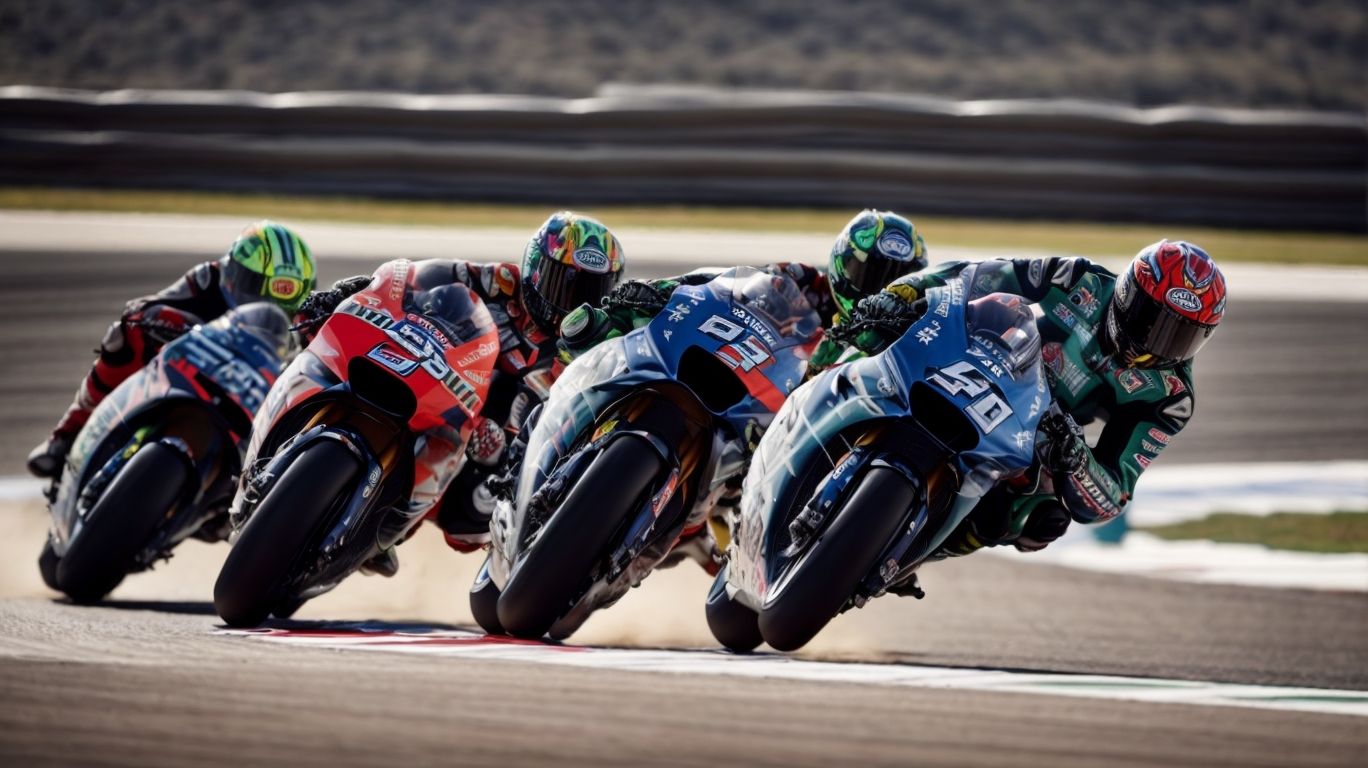
What Do Motogp Riders Have on Their Back?
Are you curious about what MotoGP riders wear when they hit the track? From helmets to boots, these athletes are equipped with the latest gear to ensure their safety and performance.
Explore the essential items that MotoGP riders carry on their backs, including back protectors, airbag systems, hydration packs, cooling systems, and communication devices.
Dive into the world of MotoGP and discover why these items are crucial for riders on the racetrack.
Key Takeaways:
What is MotoGP?
MotoGP is the premier class of motorcycle racing, known for its high-speed events and top-tier competition that pushes the limits of both man and machine in pursuit of victory while prioritizing rider safety.
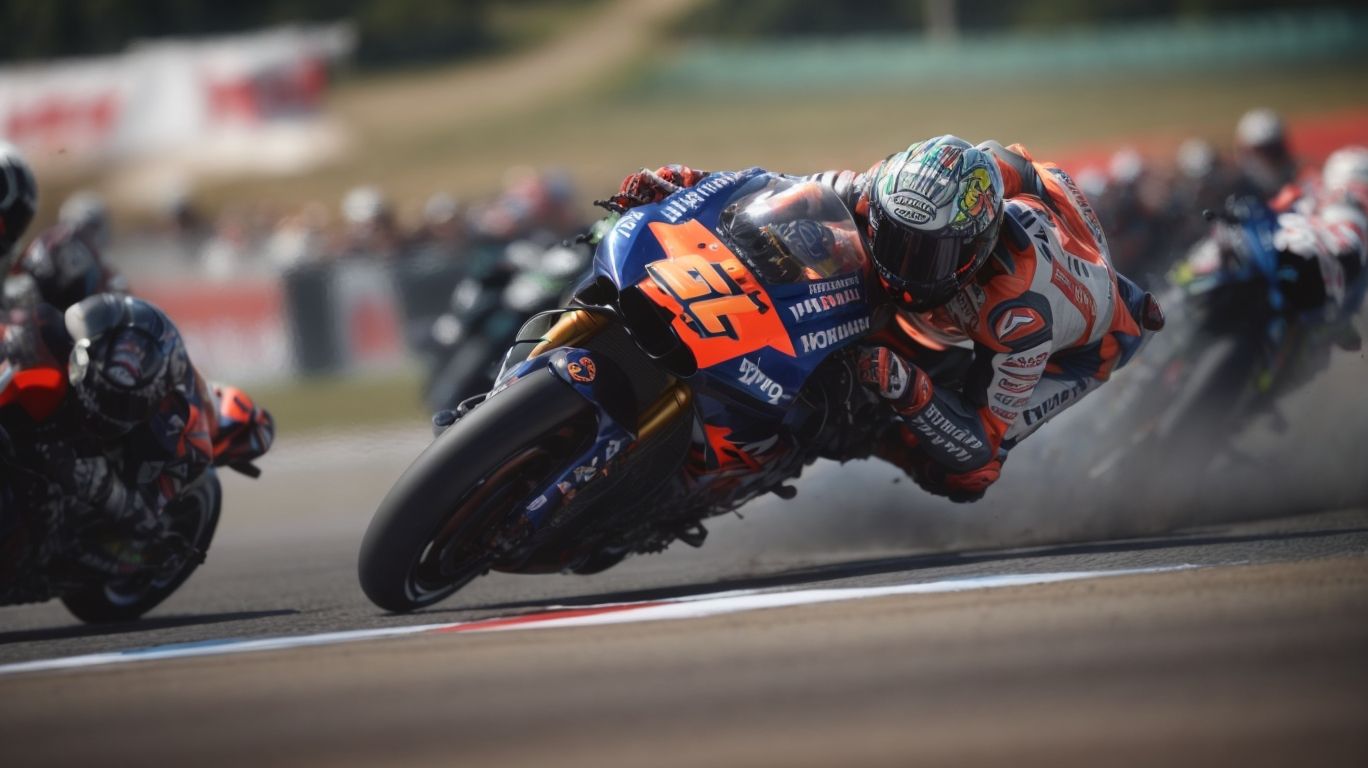
Established in 1949, MotoGP has a rich history of tradition and innovation, evolving into a global phenomenon that attracts millions of fans worldwide. Each race showcases the incredible skill of riders who navigate challenging tracks at breakneck speeds, facing demanding corners and straights that test their abilities and nerve. Safety precautions have significantly advanced over the years, with technological advancements and strict regulations ensuring the well-being of riders during intense races. The championship not only celebrates speed and precision but also emphasizes the importance of rider safety, making it a thrilling yet responsible sport for enthusiasts and participants alike.
What Gear Do MotoGP Riders Wear?
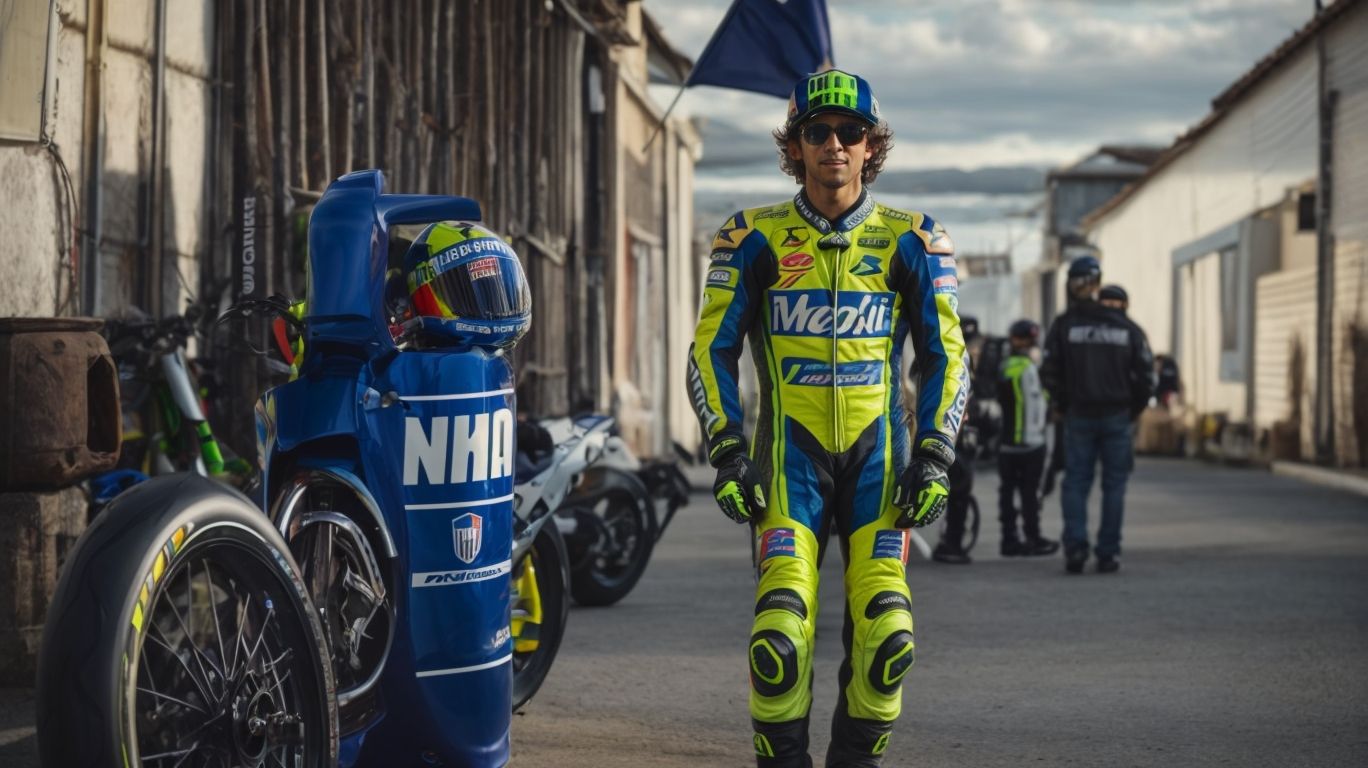
MotoGP riders wear specialized gear designed to enhance safety, performance, and aerodynamics during high-speed races, including a racing suit that provides protection and aerodynamic benefits, along with a helmet crucial for head protection.
To ensure maximum protection, riders also don gloves designed to offer grip and protection to the hands in case of a fall, and boots that provide stability and protection for the feet. The racing suit is meticulously designed to fit snugly, reducing drag and enhancing aerodynamics, which is essential for maintaining high speeds on the track. The helmet, often customized to fit the individual rider perfectly, plays a critical role in safeguarding the rider’s head from impacts during collisions or crashes.
Helmet
The helmet worn by MotoGP riders is a critical piece of safety equipment that provides protection to the head, safeguarding against potential injuries during high-speed racing maneuvers.
One of the key roles of the helmet in MotoGP is its ability to absorb and dissipate the impact energy in case of a crash, thereby reducing the risk of head trauma for the riders. The design features of these helmets are carefully engineered to maximize impact absorption, often incorporating layers of specialized materials and advanced construction techniques.
Aerodynamic considerations play a significant role in the design of MotoGP helmets. The sleek and aerodynamic shape not only reduces wind resistance, enhancing overall performance, but also ensures stability at high speeds, minimizing neck strain for riders.
Advancements in helmet technology have revolutionized safety standards in MotoGP, with innovations such as multi-directional impact protection systems (MIPS) and enhanced visor technologies providing additional layers of protection and visibility for riders on the track.
Gloves
Gloves are an essential gear component for MotoGP riders, providing grip, control, and protection for their hands during intense racing conditions where precise handling and feedback are crucial.
Regarding MotoGP, the selection of materials for gloves is meticulously thought out to ensure optimal performance. High-quality leather, carbon fiber, and Kevlar are commonly used due to their durability and abrasion resistance. These materials not only enhance grip on the handlebars but also provide essential impact protection in case of a fall. Gloves designed for MotoGP riders are engineered to maintain dexterity and tactile sensitivity, allowing the riders to make split-second decisions while maneuvering at incredibly high speeds.
Boots
Boots worn by MotoGP riders are specialized footwear designed to provide stability, protection, and tactile feedback, crucial for maintaining control over the motorcycle and ensuring rider safety during challenging racing scenarios.
These boots play a pivotal role in enhancing the rider’s stability on the bike, especially when leaning into sharp corners at high speeds. The ankle support they offer is critical for preventing injuries and ensuring optimal foot positioning while maneuvering through the twists and turns of the race track. The advanced materials and technologies incorporated into modern MotoGP boots aid in impact absorption, shielding the rider’s feet from the intense vibrations and shocks experienced during the race.
Suit
The racing suit worn by MotoGP riders is a specialized garment that offers aerodynamic advantages, impact protection, and abrasion resistance, contributing to both rider safety and performance optimization on the track.
These suits are meticulously designed to reduce drag, allowing riders to cut through the air with minimal resistance, thus enhancing their speed and maneuverability on the track.
- Constructed from high-quality materials such as leather, Kevlar, and advanced synthetic fabrics, MotoGP racing suits provide a crucial layer of defense against potential injuries in case of falls or collisions.
- The tailored fit of these suits not only ensures comfort and flexibility for riders but also plays a vital role in maintaining proper body positioning during high-speed maneuvers, further increasing control and safety.
What Do MotoGP Riders Have on Their Back?
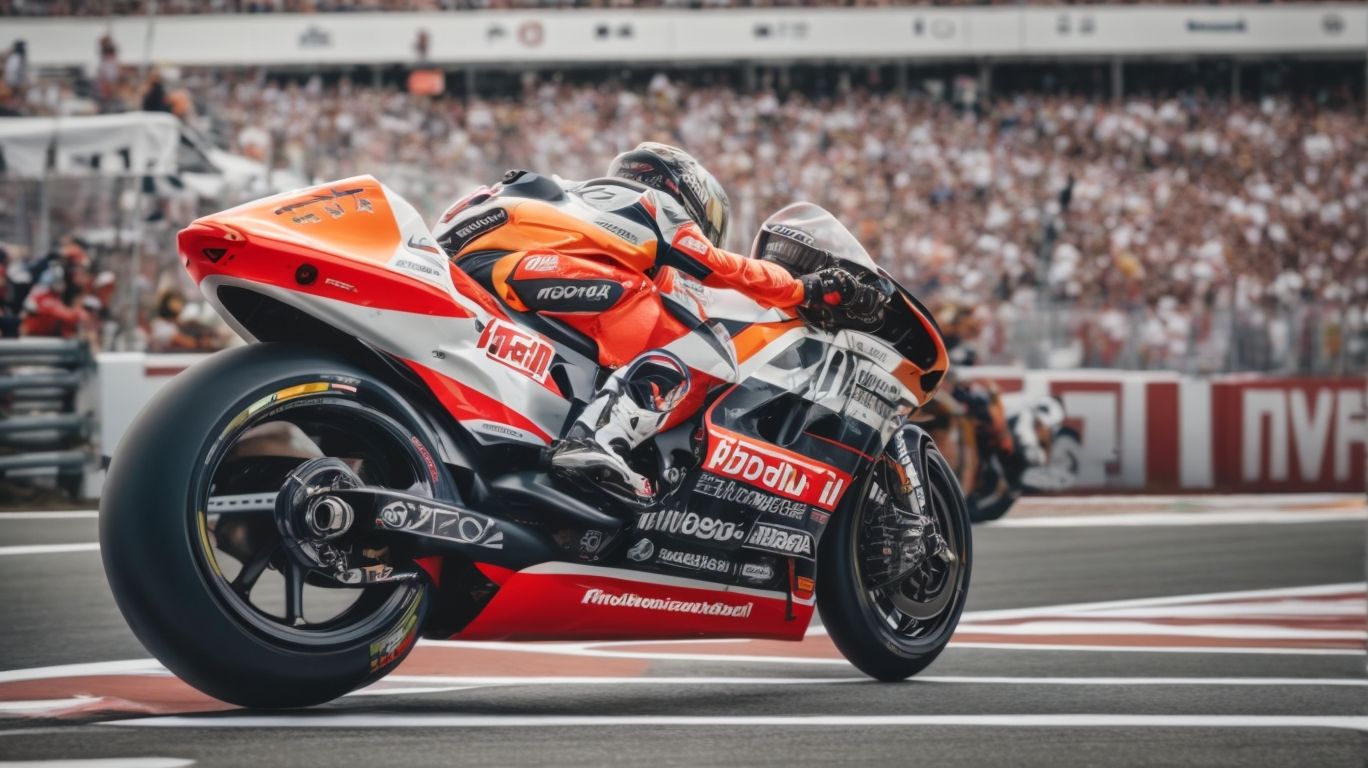
Plus their racing gear, MotoGP riders equip themselves with essential back-mounted systems such as back protectors, airbag systems, hydration packs, cooling systems, and communication devices to enhance performance, safety, and comfort during races.
Back protectors are designed to absorb and dissipate impact forces in the event of a crash, reducing the risk of spinal injuries.
Airbag systems deploy instantly upon detecting a crash, providing additional protection to the rider’s upper body.
Hydration packs ensure riders stay hydrated throughout the race, enhancing endurance and focus.
Cooling systems regulate body temperature, preventing overheating in the intense racing conditions.
Communication devices allow for real-time communication with the team, strategizing and adjusting race tactics on the go.
Back Protector
The back protector worn by MotoGP riders is a crucial safety component that shields the spine and back muscles from impacts, reducing the risk of serious injuries in the event of a crash or high-speed accident.
These protectors are specially designed to distribute impact forces across a larger area, lessening the strain on any single point of the rider’s back.
Ensuring an ergonomic fit, these devices are lightweight and flexible, allowing for full range of motion while riding at high speeds.
Advancements in back protector technology have led to the integration of materials like carbon fiber and advanced polymers, which enhance protection without compromising comfort.
Airbag System
The airbag system utilized by MotoGP riders is an innovative safety feature that deploys in milliseconds upon impact, providing additional protection to the rider’s torso, shoulders, and neck areas to mitigate the severity of injuries during crashes.
These advanced airbag systems are meticulously designed to sense a crash event and inflate within the blink of an eye, significantly reducing the force of impact on the rider’s body. The technology behind these airbags involves intricate sensors that detect sudden deceleration or abnormal movement, triggering the inflation process instantly.
Once deployed, the airbags create a cushioning effect, absorbing the energy generated during a crash and distributing it across the protected areas, lessening the strain on the rider’s vital body parts. The coverage areas extend to crucial zones like the chest, back, and collarbone, providing comprehensive protection in high-impact scenarios.
Hydration Pack
The hydration pack worn by MotoGP riders is a vital component that ensures proper hydration and endurance during prolonged races, providing riders with a convenient source of fluids to maintain peak performance levels on the track.
These hydration packs play a crucial role in sustaining rider endurance, as the intense physical demands of MotoGP races can lead to rapid dehydration and fatigue. To combat this, riders utilize advanced hydration strategies by incorporating electrolyte-rich drinks to replenish lost fluids and maintain the body’s essential balance.
The ergonomic design of hydration packs is carefully crafted to fit seamlessly into the rider’s gear, allowing for quick and easy access to hydration without disrupting their focus on the race. This design consideration ensures that riders can stay hydrated without compromising their performance or safety on the track.
Cooling System
The cooling system integrated into the gear of MotoGP riders plays a pivotal role in regulating body temperature, enhancing rider comfort, and preventing heat-related issues during intense racing conditions, ensuring optimal performance throughout the race.
These sophisticated cooling systems are designed to manage the extreme heat generated during high-speed races on the track. By utilizing advanced technologies and materials, the cooling components effectively dissipate heat away from the rider’s body, maintaining a stable internal temperature.
One of the key benefits is the ability to regulate sweat production, reducing the risk of dehydration and heat exhaustion. The strategic placement of cooling elements ensures efficient airflow around the rider’s body, enhancing overall comfort and focus.
Optimizing thermal comfort is crucial for riders as it directly impacts their concentration and reaction time, influencing their performance on the track. By maintaining a consistent and comfortable body temperature, riders can push their limits and achieve peak results in demanding MotoGP races.
Communication System
The communication system used by MotoGP riders facilitates real-time information exchange with their teams, providing crucial updates, strategic insights, and safety notifications during races, enhancing overall coordination and performance on the track.
These systems are not just about communication; they form the backbone of team dynamics, enabling engineers and crew members to monitor the bike’s performance, adjust strategies, and make split-second decisions based on live data streams.
- Advanced technology plays a key role in these systems, with sensors collecting data on various parameters like tire pressure, engine temperature, and suspension dynamics, giving teams a comprehensive view of the race conditions.
Why Do MotoGP Riders Need These Items on Their Back?
MotoGP riders rely on the back-mounted gear items for a multitude of reasons, including enhanced safety and protection, improved comfort and performance, efficient communication and information exchange, sustained endurance and hydration, and effective temperature regulation to cope with the demands of high-speed racing.
Back-mounted gear components in MotoGP are not just accessories but essential tools that create a synergy of functionality to support the rider throughout the intense race. These items act as a second skin, offering a seamless integration of technology and performance. From aerodynamic humps that enhance stability and reduce drag to integrated hydration systems that ensure constant fluid intake without disrupting the flow of the race, each element plays a crucial role in the rider’s success on the track.
Safety and Protection
The paramount concern for MotoGP riders is safety and protection, with gear such as back protectors and helmets playing a vital role in mitigating injuries during high-impact crashes and ensuring rider well-being on and off the track.
Back protectors act as a crucial shield, absorbing immense force during sudden impacts and falls, safeguarding the rider’s spine and vital organs from serious harm. They are meticulously designed with advanced materials to provide optimal protection without compromising flexibility and mobility.
Helmets, on the other hand, are the most fundamental piece of safety equipment, designed to protect the rider’s head and brain from severe injuries by absorbing and dissipating impact energy upon collision. They are constructed with multiple layers of specially engineered materials, such as carbon fiber and Kevlar, to ensure maximum safety and comfort. The aerodynamic design of helmets in MotoGP not only enhances performance but also plays a pivotal role in minimizing wind resistance at high speeds, contributing to rider stability and control.
Comfort and Performance
Comfort and performance go hand in hand for MotoGP riders, as the integration of cooling systems and hydration packs ensures optimal comfort levels, aiding performance enhancement and endurance during rigorous racing conditions.
Proper gear selection plays a crucial role in helping riders withstand the intense physical and mental demands of MotoGP races. The cooling systems incorporated into their suits and helmets prevent overheating, allowing them to focus solely on navigating the challenging circuits. Moreover, hydration packs attached to their gear supply essential fluids to keep riders hydrated and maintain peak physical well-being throughout the adrenaline-filled races. By prioritizing comfort, riders can channel all their energy into achieving top-tier performance and conquering the most demanding tracks in the MotoGP calendar.
Communication and Information
Effective communication and information exchange are essential for MotoGP riders, with advanced communication systems enabling seamless interaction with their teams, providing critical updates, strategic insights, and real-time data for knowledge-based decision making on the race track.
In MotoGP, the ability to communicate effectively can be the difference between victory and defeat. Through sophisticated communication systems, riders can stay connected with their pit crews, receiving crucial information about track conditions, competitor strategies, and potential risks.
These systems not only enhance team coordination but also play a vital role in safety protocols. The real-time data transmitted allows teams to react swiftly to changing circumstances, ensuring the well-being of the riders and those around them.
The strategic planning in MotoGP heavily relies on the seamless flow of information. Riders can adjust their tactics based on instant feedback, making split-second decisions that can determine the outcome of a race.
Endurance and Hydration
Endurance and hydration are critical factors for MotoGP riders, with hydration packs ensuring consistent fluid intake, sustaining endurance levels, and preventing dehydration during extended races, ultimately supporting optimal physical and mental performance on the track.
In the high-intensity world of MotoGP, where riders are constantly pushing their physical limits, the importance of maintaining proper hydration cannot be overstated. Hydration packs play a pivotal role in this aspect by offering riders a convenient and efficient way to stay hydrated throughout the race. These specially designed packs are equipped with hydration reservoirs that allow riders to drink easily without disrupting their focus or rhythm.
By having easy access to fluids, riders can replenish the water and electrolytes lost through intense physical exertion and sweat, combating dehydration and ensuring they stay at their peak performance levels for longer durations. Proper hydration not only helps in maintaining physical stamina but also plays a crucial role in mental sharpness and focus, which are paramount in the split-second decision-making process on the track.
Temperature Regulation
Maintaining optimal body temperature through effective cooling systems is crucial for MotoGP riders, ensuring comfort, focus, and performance consistency by regulating the thermal environment during intense racing scenarios where heat management is essential for peak physical and mental capabilities.
These specialized cooling systems are designed to help riders combat the extreme conditions they face on the track, where high speeds and intense concentration lead to substantial heat buildup.
Riders in MotoGP must navigate a range of challenging environments, from scorching heat to unpredictable weather changes, making temperature regulation a critical factor in ensuring their well-being and competitive edge.
By effectively managing their body temperature, MotoGP riders can stay cool under pressure, enhance endurance, and maintain focus, ultimately leading to improved performance and consistent results throughout the demanding race season.
Frequently Asked Questions
What Do Motogp Riders Have on Their Back?
Motogp riders wear a variety of equipment on their back to ensure safety and comfort while racing.
Do Motogp Riders Wear Backpacks?
No, backpacks are not allowed in Motogp races as they can be a safety hazard in case of a fall or accident.
What Do Motogp Riders Carry on Their Back?
Motogp riders usually wear specialized racing suits that have built-in back protectors, hydration systems, and electronic communication devices.
Why Do Motogp Riders Wear Back Protectors?
Back protectors are an essential piece of safety equipment for Motogp riders as they help reduce the risk of spine and back injuries in case of a crash or high-speed impact.
Do All Motogp Riders Use Hydration Systems on Their Back?
No, not all Motogp riders use hydration systems on their back. Some riders may prefer to have a separate hydration pack attached to their racing suit or bike.
What Type of Electronic Communication Devices do Motogp Riders Use on Their Back?
Motogp riders use electronic communication devices on their back to communicate with their team and receive important race information. These devices can include radio systems, GPS trackers, and biometric sensors.