How Hard is It to Drive a Nascar Car?
Have you ever wondered what it takes to drive a Nascar car?
In this article, we’ll explore the definition of a Nascar car and the differences between a Nascar car and a regular car.
We’ll also discuss how a Nascar car is driven, the physical demands of driving one, the skills required, and the dangers involved.
Can anyone learn to drive a Nascar car? Find out as we delve into the world of Nascar racing.
Key Takeaways:
What Is a Nascar Car?
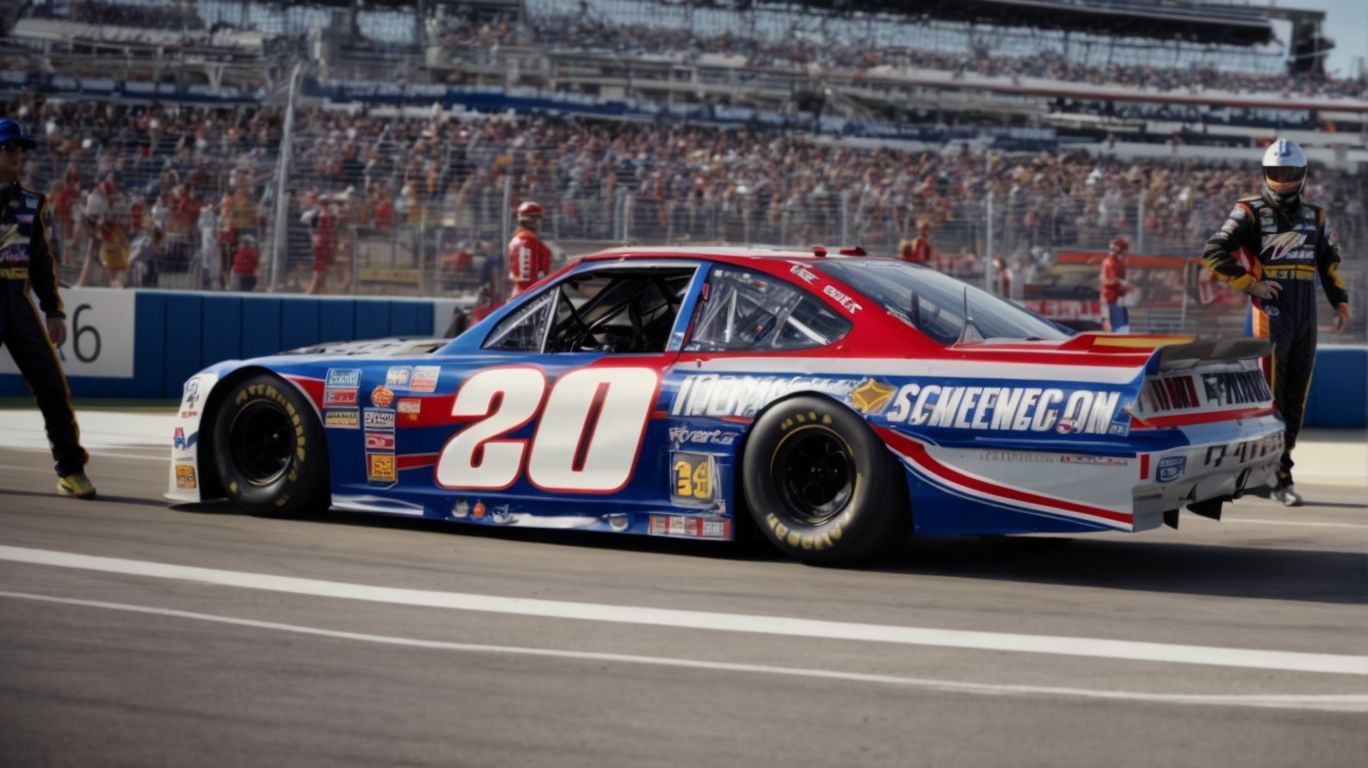
A NASCAR car is a specialized vehicle designed for NASCAR racing, featuring unique specifications and components that distinguish it from regular cars.
These high-performance machines are meticulously designed to handle the rigorous demands of oval track racing, with specific features such as a robust roll cage for driver safety, aerodynamic bodywork to reduce drag and increase downforce, and a powerful V8 engine producing over 750 horsepower.
The cars are also equipped with specialized suspension systems to optimize handling around high-speed turns, slick tires designed for maximum grip on the track surface, and advanced braking systems to ensure precise deceleration at incredible speeds.
In addition, NASCAR cars incorporate cutting-edge technology like electronic fuel injection, telemetry systems for real-time performance monitoring, and intricate engine management software to fine-tune power delivery throughout the race.
Definition of a Nascar Car
A NASCAR car, also known as a stock car, is a high-performance vehicle specifically built for NASCAR racing events, adhering to strict regulations for safety, speed, and competition.
These cars are meticulously crafted to ensure driver safety while maintaining optimal performance on the track. The body of a NASCAR car is constructed with lightweight materials to enhance speed and agility during races, along with specialized features like roll cages and impact-absorbing structures to protect drivers in case of accidents.
The aerodynamics of NASCAR cars play a crucial role in their performance, with carefully designed shapes and configurations that allow for stability and reduced drag at high speeds. These aerodynamic elements influence how the cars handle corners and straightaways, directly impacting race outcomes.
In NASCAR races, each car’s specifications are closely monitored to ensure fairness and competitive balance, as even small modifications can significantly alter a car’s speed and handling. This emphasis on regulation highlights the importance of technical precision and skill in NASCAR competitions.”
Differences Between Nascar Car and Regular Car
The differences between a NASCAR car and a regular car are stark, with NASCAR cars equipped for high-speed racing with enhanced safety features, performance modifications, and specialized components tailored for the track.
One of the key distinctions lies in the performance enhancements; NASCAR cars have powerful engines capable of producing over 750 horsepower, significantly more potent than typical street cars. These race cars are finely tuned for high-speed oval tracks, with top speeds reaching well over 200 mph.
In terms of safety measures, NASCAR vehicles are reinforced with roll cages, crush zones, and specialized seat designs to protect drivers during intense crashes. Drivers also wear fire-resistant suits, helmets, and neck restraints for added safety.
In terms of design differences, NASCAR cars feature aerodynamic bodies, tight suspensions, and high-performance tires specifically built for the demands of racing circuits. These cars undergo intense testing and development to ensure optimum performance on the track.
How Is a Nascar Car Driven?
Driving a NASCAR car requires a unique set of skills and techniques to handle the high speeds, tight turns, and competitive nature of NASCAR races.
Steering a NASCAR car involves using precise movements to navigate through the challenging race tracks smoothly. The drivers have to anticipate the next corner, adjusting their racing line accordingly. Shifting gears is crucial in maximizing speed and power, especially on straightaways, where shifting at the right moment can make a significant difference in acceleration. Braking in a NASCAR car requires finesse, as sudden or improper braking can cause loss of control or spinouts.
Cornering is where NASCAR drivers truly showcase their skills, finding the perfect balance between speed and grip, knowing when to accelerate and when to brake, all while maintaining control of the car.
Steering Wheel and Pedals
The steering wheel and pedals in a NASCAR car serve as the primary controls for the driver, allowing precise maneuvering and acceleration adjustments during high-speed races.
These critical components are finely tuned to respond instantly to the driver’s touch, providing seamless control over the direction and speed of the vehicle. The steering wheel, which is typically smaller in diameter compared to standard vehicles, offers a greater range of motion for quick turns on banked tracks and tight corners.
On the other hand, the pedals, including the throttle for acceleration and brake for deceleration, enable the driver to modulate speed with utmost precision, crucial for navigating the ever-changing dynamics of a NASCAR race.
Shifting Gears
Shifting gears in a NASCAR car is a critical aspect of optimizing performance, speed, and control, allowing drivers to adjust to varying track conditions and race scenarios.
When a driver shifts gears in a NASCAR car, it directly affects the car’s acceleration, allowing them to reach top speeds more efficiently. By selecting the right gear ratios, drivers can manage their speed effectively, especially on different sections of the track, be it straightaways or tight turns. This intricate process demands precision and split-second decisions to ensure smooth transitions and maintain momentum throughout the race.
Braking Techniques
Braking techniques in NASCAR racing involve precise application of brakes to control speed, navigate turns, and avoid collisions, showcasing the skill and judgment of professional drivers.
NASCAR drivers utilize a variety of braking methods, including trail braking, threshold braking, and left-foot braking, to optimize their performance on the track. Braking control is crucial not only for reducing speed but also for setting up the car for a smooth corner entry.
By mastering braking modulation, drivers can adjust the brake pressure to maintain traction and stability, ensuring a balanced approach to cornering and accelerating out of turns efficiently.
The ability to nail the corner entry by braking at the right time and with the right intensity is a key aspect of gaining a competitive edge in NASCAR races, as it directly impacts the overall lap times and race positions.
Techniques for Cornering
Cornering techniques in NASCAR racing are essential for maintaining speed, traction, and optimal racing lines, requiring drivers to balance speed with control through turns of varying degrees.
One of the key strategies used by NASCAR drivers for cornering is the concept of apex approach. The apex is the point on the inside of a corner that marks the shortest path through the turn. By hitting the apex at the right moment, drivers can efficiently navigate the turn and maintain speed. Exit speeds are also crucial in NASCAR, as they determine how quickly a driver can accelerate out of a corner onto the following straight. Drivers often adjust their line selection and braking points based on the type of corner – be it a tight hairpin or a sweeping curve – to maximize their performance.
What Are the Physical Demands of Driving a Nascar Car?
Driving a NASCAR car imposes significant physical demands on drivers, from enduring high G-forces to managing heat and exhaustion during intense racing competitions.
With speeds reaching over 200 miles per hour, NASCAR drivers experience forces up to three times their body weight when navigating the sharp turns of the track. This constant pressure puts immense strain on their bodies, particularly their neck muscles, which must support their heads against the centrifugal forces pulling them to the side. The extreme heat inside the car, often soaring well above 100°F, coupled with the confined space and lack of ventilation, challenges drivers’ ability to stay focused and maintain peak performance throughout the grueling races.
G-Forces Experienced
NASCAR drivers experience intense G-forces while racing, subjecting their bodies to rapid accelerations, decelerations, and lateral forces that test their physical endurance and resilience.
These high G-forces impact every part of a driver’s body, from their head and neck to their internal organs, as the intense forces pull, push, and strain. The gravitational forces experienced during a race can be so extreme that drivers need to have a strong cardiovascular system to maintain consciousness and control. The relentless assault of G-forces can lead to fatigue, muscle soreness, and reduced cognitive function, which all contribute to the challenge of controlling a powerful NASCAR vehicle at high speeds.
Heat and Exhaustion
The intense heat and exhaustion experienced by NASCAR drivers during races demand physical and mental stamina, hydration, and conditioning to endure the demanding conditions of the track.
In the high-speed world of NASCAR, drivers face extreme temperatures inside their cars, often surpassing 130°F, which can lead to dehydration and fatigue.
Hydration plays a crucial role in helping drivers maintain focus and performance. NASCAR teams have specialized strategies, including pre-race fluid intake plans and in-car drink systems.
- Physical fitness is another key component. Drivers follow rigorous training routines to build endurance and strength, preparing their bodies for the grueling races ahead.
- Mental resilience is equally important. The ability to stay calm under pressure and make split-second decisions can mean the difference between victory and defeat on the track.
Mental Focus and Concentration
Mental focus and concentration are crucial for NASCAR drivers to maintain situational awareness, make split-second decisions, and execute precise driving maneuvers under high-pressure racing environments.
NASCAR drivers need to be in peak mental condition to process a constant stream of information while driving at speeds that can exceed 200 miles per hour. The ability to quickly analyze track conditions, anticipate competitors’ moves, and strategize pit stops requires a high level of cognitive function. Decisiveness is key, as drivers must choose their racing lines, calculate passing opportunities, and react to unforeseen obstacles in real-time.
What Are the Skills Required to Drive a Nascar Car?
Driving a NASCAR car necessitates a blend of exceptional hand-eye coordination, spatial awareness, and lightning-fast reaction times to navigate tracks, overtake competitors, and optimize race performance.
Coordination is crucial, as drivers must precisely control their vehicles at speeds exceeding 200 mph, making split-second decisions to react to changing race conditions and strategizing maneuvers to gain an edge.
Awareness plays a key role in reading the race dynamics, adapting to competitors’ moves, and anticipating challenges like tight turns, debris on the track, or sudden weather changes.
Reflexes are tested to the limit as drivers respond swiftly to obstacles, perform flawless pit stops, and make calculated judgment calls in high-pressure situations, ultimately separating winners from the rest in the heart-pounding world of NASCAR racing.
Hand-Eye Coordination
Superior hand-eye coordination is critical for NASCAR drivers to execute precise steering, braking, and acceleration maneuvers with split-second timing and accuracy while maintaining control of their vehicles.
Hand-eye coordination plays a pivotal role in allowing drivers to navigate through high-speed NASCAR tracks where split-second decisions can determine a race’s outcome. By seamlessly integrating visual input with motor skills, drivers exhibit remarkable agility in maneuvering through sharp turns, dodging opponents, and reacting swiftly to unexpected challenges on the track. The ability to synchronize visual perception with physical responses is essential for a NASCAR driver to stay ahead of the competition and make crucial split-second adjustments to maintain optimal speeds through each race.
Spatial Awareness
Spatial awareness is critical for NASCAR drivers to gauge distances, anticipate track layouts, and position their cars optimally for overtaking maneuvers, ensuring strategic racing lines and competitive advantages.
By understanding the layout of the track and the positioning of other racers, a NASCAR driver can make split-second decisions to gain an edge. The ability to navigate corners with precision is paramount, as it directly impacts acceleration and speed coming out of the turn. Utilizing the draft to slingshot past competitors on straightaways requires a keen sense of spatial awareness to calculate the distance needed to perform a successful pass. Maintaining awareness of the surrounding cars at all times is essential to avoid collisions and ensure a smooth, efficient race.”
Reaction Time
Swift reaction times are paramount for NASCAR drivers to respond instantly to changing race conditions, avoid accidents, and capitalize on overtaking opportunities, showcasing their agility and decision-making under pressure.
When a driver enters a corner at high speeds, split-second reflexes are essential to maintain control and navigate the track efficiently. The ability to make quick decisions can mean the difference between winning and losing a race, especially in close competitions where milliseconds count. Reaction time is not only about responding to challenges but also about anticipating the movements of other drivers and adjusting strategies on the fly.
What Are the Dangers of Driving a Nascar Car?
Driving a NASCAR car entails inherent risks, with high speeds, potential for crashes, and safety concerns posing significant dangers to drivers on the track.
Speed is a critical factor in NASCAR racing, with cars reaching speeds of over 200mph on the track, making split-second decisions a matter of life and death. The high velocity increases the chances of severe crashes, often resulting in injuries ranging from minor to fatal.
Crashes are an ever-present threat in NASCAR, as the cars are tightly packed together, competing for position, increasing the likelihood of collisions. The physical toll on drivers during these crashes is immense, with the potential for concussions, fractures, and other serious injuries.
Considering these dangers, NASCAR has stringent safety measures in place, including reinforced roll cages, fire-resistant suits, and mandatory helmets to safeguard drivers. Despite these precautions, the inherent risks of NASCAR driving remain a constant reality for those who compete in this high-octane sport.
High Speeds
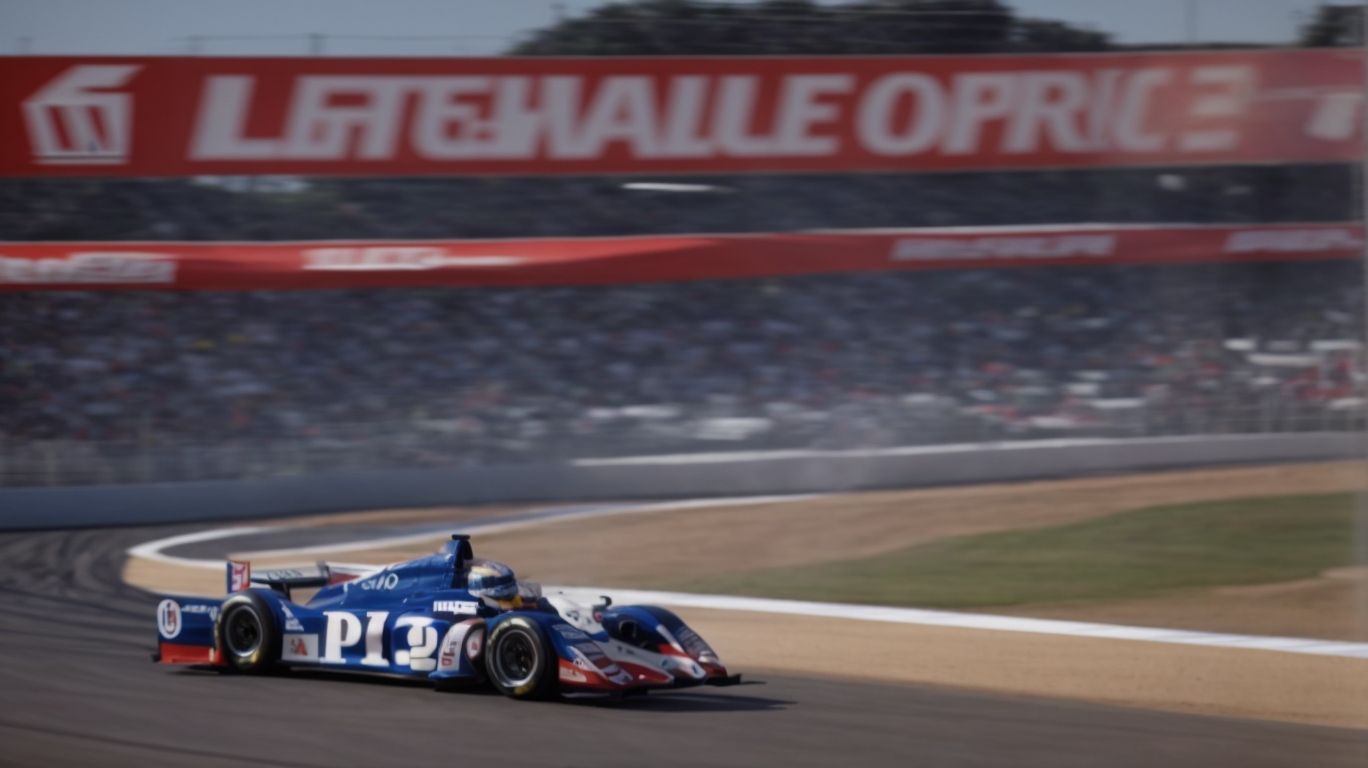
High speeds in NASCAR racing present formidable challenges for drivers, amplifying the risks of collisions, loss of control, and potential injuries due to the intense velocity and competitive nature of the races.
Driving at high speeds in NASCAR requires immense skill and focus as drivers navigate the tight turns and straightaways. The slightest miscalculation can spell disaster, leading to wrecked cars and sometimes, serious injuries. Speed-related dangers in NASCAR demand precision and split-second decision-making abilities from drivers to avoid catastrophe on the track. The aerodynamics of the cars, the surface grip, and the ever-changing track conditions all play a crucial role in how drivers handle the speed challenges.
Potential for Crashes
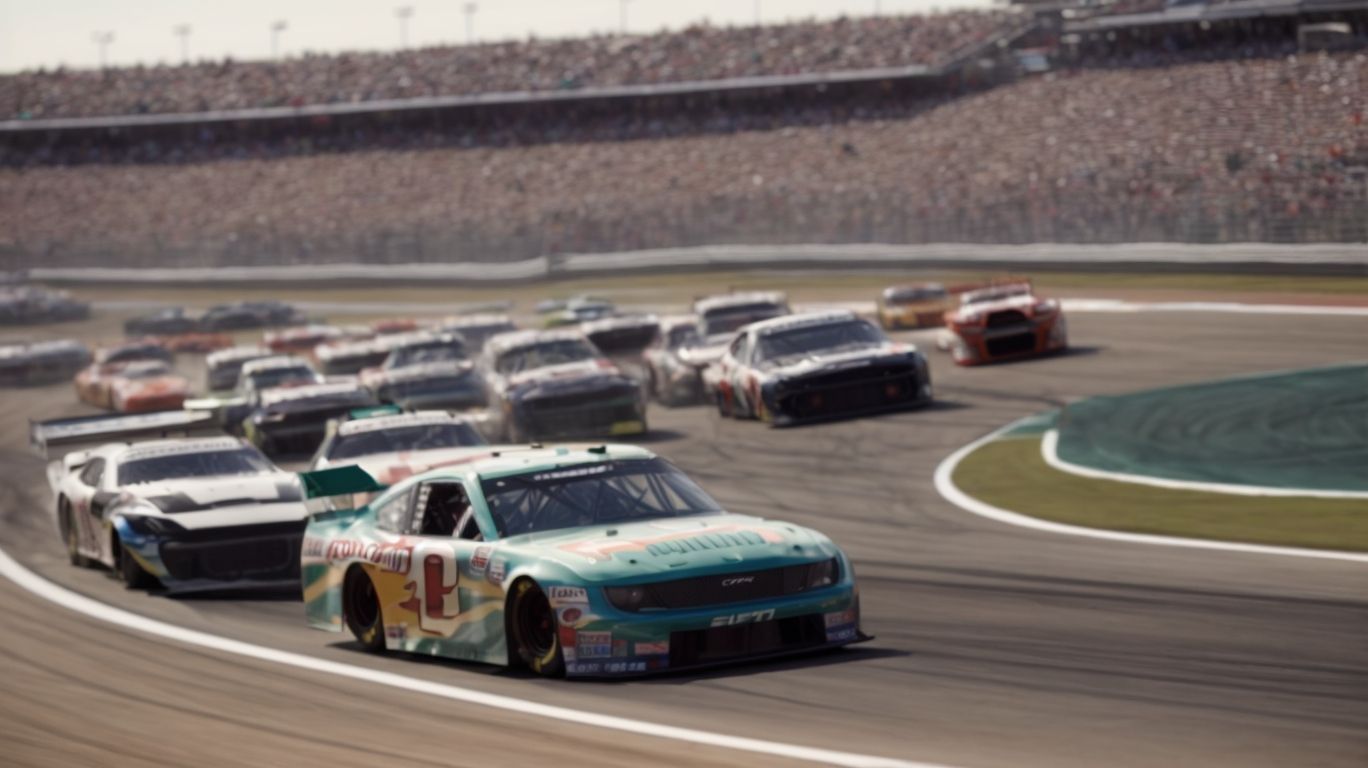
The potential for crashes in NASCAR racing looms large, with close competition, tight margins, and mechanical failures contributing to the heightened risk of accidents and collisions on the track.
One of the primary factors behind the frequent crashes in NASCAR races is driver error. The intense pressure, high speeds, and split-second decision-making required can result in mistakes that lead to catastrophic outcomes. The track conditions play a significant role, with changes in weather, track surface, and debris affecting the grip levels and overall handling of the cars.
Safety protocols implemented by NASCAR aim to minimize the impact of crashes and ensure the well-being of drivers. From advanced helmets and seat belts to barriers and safety nets, these measures are designed to protect drivers during collisions.
Fire and Safety Concerns
Fire and safety concerns in NASCAR racing underscore the importance of robust safety measures, fire-resistant equipment, and emergency protocols to protect drivers from fires, accidents, and hazardous situations on the track.
Driver safety gear plays a pivotal role in mitigating risks during high-speed races, with flame-retardant suits, helmets, gloves, and shoes designed to shield drivers from extreme heat and potential flames.
Vehicles are equipped with safety enhancements like fuel cell foam, onboard fire suppression systems, and reinforced roll cages to minimize the impact of collisions and reduce fire hazards.
NASCAR events have stringent emergency response plans in place, including well-trained track medical teams, fire rescue personnel, and quick access to emergency vehicles for rapid intervention in case of accidents or fires.
Can Anyone Learn to Drive a Nascar Car?
While driving a NASCAR car demands exceptional skills and training, aspiring individuals can pursue opportunities to learn and develop their racing capabilities through dedicated practice, professional guidance, and a passion for motorsports.
For those looking to embark on their NASCAR journey, several avenues exist to gain the necessary experience and expertise.
- Requirements for NASCAR driving typically include a valid driver’s license, a clean driving record, and a physical fitness level to handle the high-speed, intense nature of racing.
- Training options range from attending racing schools that specialize in NASCAR instruction to joining local racing clubs to enhance driving skills in a more informal setting.
The commitment needed to excel in NASCAR driving extends beyond just the track time; it involves a deep passion for the sport, dedication to continuous improvement, and a willingness to invest time and resources into honing driving abilities. Aspiring NASCAR drivers often participate in lower-tier racing series to gain experience and showcase their talent to potential sponsors or teams, paving the way for future opportunities at higher levels of competition.
Physical Requirements
Meeting the physical requirements of NASCAR driving demands peak fitness, endurance, and strength to withstand the rigors of high-speed racing, intense G-forces, and prolonged competitions on the track.
A rigorous fitness regimen is crucial for NASCAR drivers as they must maintain optimal physical condition to navigate the challenges of their sport. Endurance training plays a pivotal role in preparing drivers for the extended periods of intense racing, enhancing their stamina to endure hours behind the wheel. Incorporating strength conditioning into their routine is essential for drivers to handle the physical demands of controlling a powerful race car, especially during high-speed maneuvers and sudden changes in direction.
Training and Practice
Training and practice are paramount for aspiring NASCAR drivers to refine their driving skills, familiarize themselves with track dynamics, and build racecraft through simulated scenarios, real-time feedback, and strategic coaching.
Regular practice routines not only enhance a driver’s physical abilities but also nurture crucial mental focus and decision-making under intense pressure. NASCAR drivers often invest significant time in simulator sessions, where they can fine-tune their handling, improve their race strategies, and analyze data to make split-second adjustments during actual races. This meticulous approach allows drivers to immerse themselves in varied race scenarios, preparing them for different challenges they might encounter on the track.
Mental Preparedness
Mental preparedness is a key factor in NASCAR driving success, requiring drivers to cultivate focus, resilience, and clarity of thought to make split-second decisions, adapt to race dynamics, and navigate high-pressure situations with composure.
One of the essential psychological aspects of excelling in NASCAR is maintaining a strong mental game throughout the race. Drivers need to be adept at managing stress, staying focused amidst distractions, and remaining resilient in the face of setbacks. Strategies like visualization, positive self-talk, and mindfulness techniques play a crucial role in keeping drivers sharp and attentive on the track. By understanding how to regulate their emotions and stay mentally strong, NASCAR drivers can optimize their performance and make strategic moves that can determine the outcome of the race.
Frequently Asked Questions
How Hard is It to Drive a Nascar Car?
1. What makes driving a Nascar car difficult?
Driving a Nascar car requires a high level of skill, focus, and physical endurance. The cars are powerful, fast, and handle differently than regular cars, making it challenging for even experienced drivers.
2. Do you need any special training to drive a Nascar car?
Yes, Nascar drivers undergo extensive training and practice to master the specific skills and techniques needed to handle a Nascar car. This includes physical conditioning, simulation training, and on-track practice.
3. How fast do Nascar cars go and how does it affect the difficulty of driving?
Nascar cars can reach speeds of over 200 mph, which adds to the difficulty of driving. The high speeds require quick reflexes and precise control of the car, as well as the ability to make split-second decisions.
4. Is it physically demanding to drive a Nascar car?
Yes, driving a Nascar car is physically demanding. The cars have no power steering, meaning drivers must use their upper body strength to turn the wheel. They also experience strong G-forces while driving, which can be exhausting.
5. What are some challenges drivers face when driving a Nascar car?
Nascar drivers face many challenges, such as maintaining concentration for long periods of time, dealing with extreme heat inside the car, and navigating through traffic in close quarters with other cars at high speeds.
6. How do Nascar drivers prepare for races?
Nascar drivers prepare for races by studying the track, reviewing data and video footage, and practicing on simulators. They also work with their team to make adjustments and improvements to the car to optimize performance.