What Kind of Cars Do Nascar Drivers Drive?
NASCAR, short for the National Association for Stock Car Auto Racing, is a thrilling and popular motorsport that involves high-speed races with powerful cars. But what are the technical specifications that make up a NASCAR car? How do these vehicles differ from regular cars on the road? And what exactly makes a good NASCAR car that can compete in races? In this article, we will explore the world of NASCAR cars, from their key components and safety features to the different types of races they participate in. Get ready to rev your engines and dive into the exciting world of NASCAR!
Key Takeaways:
What is NASCAR?
NASCAR, officially known as the National Association for Stock Car Auto Racing, is a prominent motorsport organization that sanctions and governs multiple auto racing events.
Established in 1948 by Bill France Sr., NASCAR has a rich history rooted in the deep South of the United States. What started as a way for bootleggers to modify their cars for outrunning authorities during the Prohibition era quickly evolved into a competitive sport combining speed, skill, and engineering. Over the decades, NASCAR has grown into a global phenomenon, captivating audiences with adrenaline-fueled races and fierce rivalries.
The introduction of safety measures, advancements in technology, and ever-changing race formats have shaped NASCAR into what it is today. With legendary drivers like Dale Earnhardt and Richard Petty leaving a lasting legacy, NASCAR continues to push boundaries and innovate in the motorsports industry, setting new standards for racing excellence.
What Kind of Cars Do NASCAR Drivers Drive?
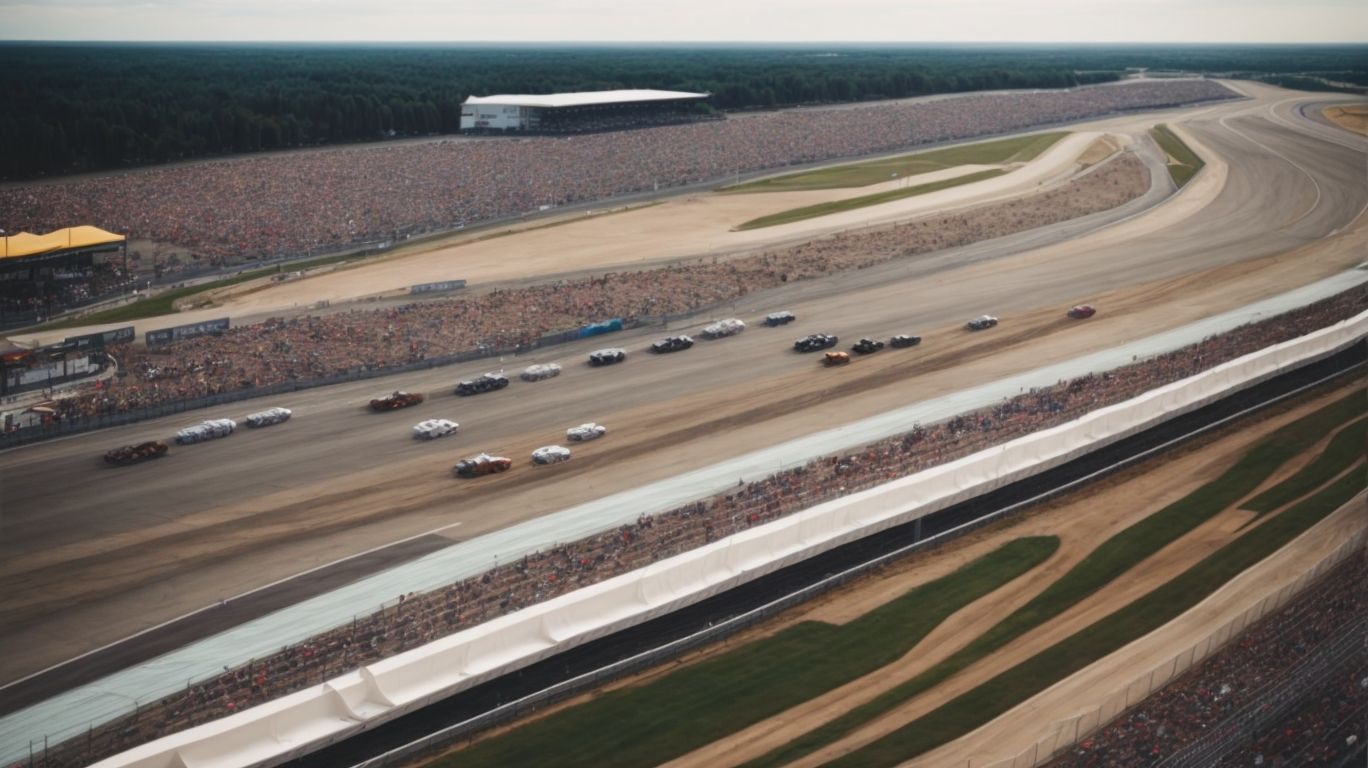
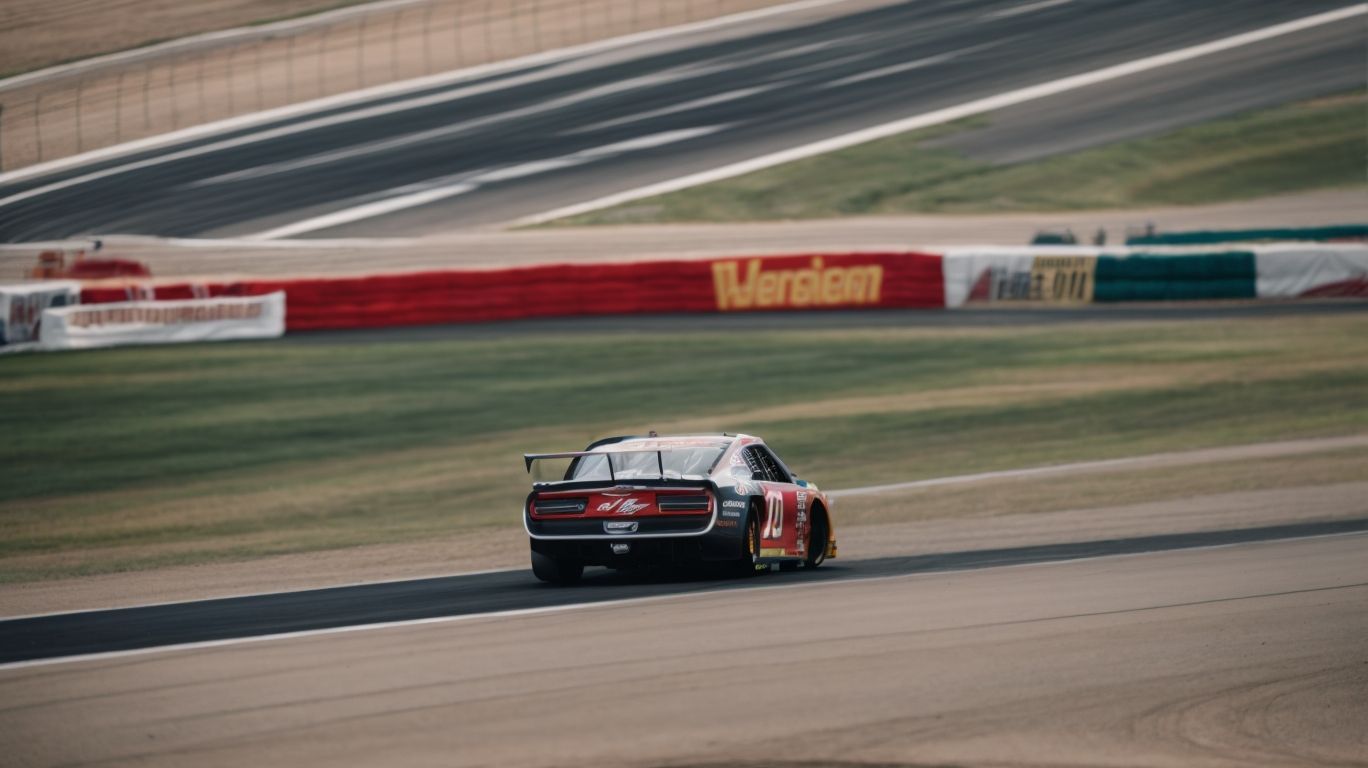
NASCAR drivers operate high-performance stock cars in their races, with notable models including the Ford Mustang, Chevrolet Camaro, and Toyota Camry.
Each generation of NASCAR cars has brought about significant changes aimed at enhancing performance and safety. The transition from Generation 1 to Generation 7 has seen a shift towards more aerodynamic designs and advanced technologies.
The iconic Ford Mustang, Chevrolet Camaro, and Toyota Camry have gone through various iterations over the years, with manufacturers constantly refining the vehicles to improve speed, handling, and overall competitiveness on the track.
From sleek body designs to powerful engines, these models have become synonymous with NASCAR racing, captivating fans with their distinctive features and exhilarating performances.
What Are the Technical Specifications of NASCAR Cars?
The technical specifications of NASCAR cars encompass various elements such as chassis rigidity, aero adjustments, rear axle configurations, and the integration of materials like Carbon Fiber and Kevlar.
In terms of the chassis construction of NASCAR vehicles, they are designed to withstand immense forces encountered on the track. The frames are typically made of steel tubing, providing a strong, yet lightweight foundation. Aero modifications, which include features like splitters and spoilers, are crucial for optimizing aerodynamic performance and enhancing downforce, allowing cars to hug the track at high speeds.
Rear axle setups play a pivotal role in determining a car’s handing characteristics. Teams meticulously tune the rear suspension geometry, shocks, and springs to achieve the desired balance between stability and agility during races.
The use of advanced materials such as Carbon Fiber and Kevlar has revolutionized NASCAR car construction, offering superior strength and durability while keeping weight to a minimum. These materials are strategically incorporated in key components like body panels and safety structures to enhance performance and driver safety on the racetrack.
How Are NASCAR Cars Different from Regular Cars?
NASCAR cars differ significantly from regular street-legal vehicles in terms of technology, performance capabilities, and specialized design features tailored for racing purposes.
One of the key distinctions between NASCAR cars and street-legal vehicles lies in their advanced aerodynamic designs, which are optimized for high-speed racing. These cars feature custom-built frames that are lighter and more rigid than standard vehicle structures, enhancing their agility and speed on the track.
NASCAR cars are equipped with powerful engines that produce over 750 horsepower, allowing them to reach incredible speeds of up to 200 mph. These engines are meticulously tuned by expert mechanics to deliver maximum performance while withstanding the rigors of competitive racing.
The suspension systems of NASCAR cars are also specially designed to handle the demands of high-speed oval tracks, providing stability and precision control during intense racing maneuvers. This specialized suspension setup gives drivers the confidence to push their cars to the limit without compromising safety or handling.
What Makes a Good NASCAR Car?
A top-tier NASCAR car is characterized by a blend of superior engineering, aerodynamics, and cutting-edge technology that enhances its performance on the track.
When evaluating NASCAR cars, one crucial aspect is the prowess of the engineering behind the vehicle’s design. Engineers strive to maximize performance through meticulous analysis and optimization of components such as the engine, suspension, and chassis. Additionally, aero efficiency plays a vital role in ensuring the car’s stability and speed during races. The incorporation of advanced aerodynamic features like splitters, spoilers, and diffusers helps NASCAR cars cut through the air with minimal drag.
Technological innovations continuously push the boundaries of what these racing machines can achieve. From sophisticated onboard computer systems that provide real-time data to advanced materials used in construction, such as carbon fiber, every detail is scrutinized to enhance performance and reliability. This relentless pursuit of innovation has a profound impact on not just the vehicle’s speed, but also its handling, fuel efficiency, and overall competitiveness on the track.
What Are the Key Components of a NASCAR Car?
The key components of a NASCAR car encompass advanced safety features, cutting-edge technology integrations, and precision engineering to ensure optimal performance and driver protection.
In terms of safety features, NASCAR cars are equipped with roll cages made of high-strength steel to protect the driver in case of a crash or rollover. They have impact-absorbing materials built into the structure to reduce the force of collisions.
Technological advancements play a crucial role in NASCAR cars, with features like telemetry systems that provide real-time data to teams and engineers, allowing for adjustments to be made during races for optimal performance. The use of composite materials in the body design contributes to weight reduction while maintaining durability.
Design innovations in NASCAR cars include aerodynamic enhancements that optimize airflow over the vehicle, improving stability and handling at high speeds. The development of energy-absorbing materials in the cockpit area further enhances driver safety by minimizing impact forces in the event of a crash.
What Are the Safety Features of NASCAR Cars?
NASCAR cars are equipped with a comprehensive array of safety features designed to safeguard drivers during high-speed races and potential accidents.
One of the most critical safety features in NASCAR cars is the incorporation of roll cages, which are strong metal structures designed to protect the driver in the event of a rollover. These cages provide a protective barrier around the driver’s compartment, minimizing the risk of injuries. NASCAR cars are equipped with advanced seat belts that include multi-point harnesses to keep the driver securely in place during high-speed impacts.
The use of impact-absorbing materials in key areas of the car, such as the front and side panels, helps dissipate energy from a crash, thus reducing the force transferred to the driver. Advanced driver protection systems like “SAFER barriers” and HANS devices further enhance safety by minimizing the impact forces on the driver’s body and head, respectively.
How Do NASCAR Cars Protect Drivers in Crashes?
In case of crashes, NASCAR cars employ a combination of safety features like roll cages, impact-absorbing materials, and seat restraints to protect drivers from potential injuries.
One crucial element in NASCAR safety design is the incorporation of energy-absorbing materials strategically placed to dissipate crash forces. These materials, such as special foams and composites, are engineered to reduce the impact on the driver’s body during collisions, enhancing the overall safety of the vehicle. NASCAR cars feature driver-centric design elements like reinforced doors and crush zones, which further safeguard against the forces generated in high-speed accidents. The synergy of these technologies creates a comprehensive safety network that aims to minimize risks for drivers on the track.
What Are the Different Types of NASCAR Races?
NASCAR events encompass a variety of race types, including short track races, intermediate track races, and high-speed Superspeedway competitions, each presenting unique challenges for drivers.
Short track races are typically held on tracks less than one mile in length, demanding quick reflexes and bumper-to-bumper racing. Intermediate track races, on tracks around one to two miles long, test drivers’ ability to find the right balance of speed and handling. On the other hand, Superspeedway races, such as Daytona and Talladega, are known for high speeds and pack racing, creating intense drafting battles and requiring strategic moves to navigate the large groups of cars.
What Are the Differences Between Short Track, Intermediate, and Superspeedway Races?
Short track, intermediate track, and Superspeedway races in NASCAR offer varying track lengths, speeds, and racing dynamics, influencing driver strategies and race outcomes.
Short track races, typically under a mile in length, pack intense action with tight turns and limited straightaways, demanding quick reflexes and precise maneuvering from drivers. On the other hand, intermediate tracks, usually between 1 and 2 miles long, provide a blend of speed and technical challenges, requiring strategic tire and fuel management. Superspeedway races, over 2 miles in length, showcase high speeds and drafting tactics, where aerodynamics play a crucial role in maintaining momentum and achieving that competitive edge.
How Are NASCAR Cars Prepared for Races?
NASCAR cars undergo meticulous preparation before races, including pre-race inspections, strategic pit stop planning, and efficient fuel management strategies.
One of the crucial pre-race procedures for NASCAR cars is the rigorous inspection process. Teams meticulously check every component, from engine performance to safety features, ensuring optimal functionality on the track. Pit crew operations play a pivotal role in race success. These skilled individuals practice seamless coordination, practicing quick tire changes and fuel refills to minimize time spent in the pits.
Fueling processes are meticulously planned to guarantee sustained performance throughout the race. Teams calculate fuel consumption rates, strategizing when and how much to refuel during pit stops. This attention to detail is essential for maintaining a competitive edge on the track.
What Are the Pre-Race Inspections and Rules?
Ahead of races, NASCAR cars undergo thorough pre-race inspections to ensure compliance with safety regulations, performance standards, and race-specific rules.
These inspections are not just routine checks but comprehensive evaluations that cover various aspects of the car’s design, construction, and components. Safety checks are given the highest priority, focusing on critical elements such as seat belts, roll cages, and fire suppression systems to protect the driver in case of an accident.
Technical verifications play a crucial role in the inspection process. NASCAR officials scrutinize the engine, suspension, aerodynamics, and other key systems to verify compliance with NASCAR’s strict regulations. Any deviations can lead to penalties or disqualification from the race.
Adherence to race rules is non-negotiable. From fuel capacity to spoiler angles, every detail is closely monitored to ensure fair competition and safety for all drivers. The inspection process is meticulous, involving sophisticated equipment and experienced inspectors to maintain the integrity of NASCAR races.
What Are the Strategies for Pit Stops and Fuel Management?
Effective pit stop strategies and precise fuel management are critical aspects of NASCAR races, influencing race outcomes and driver performance on the track.
Strategically timed pit stops provide teams with opportunities to refuel, replace tires, and make necessary adjustments to the car. Coordinating a seamless pit stop involves a well-drilled team working in harmony to complete tasks swiftly and accurately. Implementing fuel efficiency tactics, such as drafting to conserve fuel or adjusting the engine mapping, can significantly impact the overall race strategy. The ability to manage fuel consumption effectively throughout the race can determine whether a driver has enough fuel to finish strong or ends up running on empty, potentially costing them a competitive position.
What Are the Qualifications and Training for NASCAR Drivers?
Becoming a NASCAR driver requires a combination of skill, experience, physical fitness, and specialized training to navigate the challenges of competitive racing.
Aspiring NASCAR drivers typically begin their journey in go-kart racing or local competitive circuits to hone their racing skills before advancing to higher levels of competition. Developing a deep understanding of vehicle mechanics, aerodynamics, and track strategies is crucial for success in NASCAR.
Seeking mentorship from seasoned professionals in the industry and participating in racing schools and development programs can provide valuable insights and networking opportunities. Physical conditioning, including strength training, cardiovascular fitness, and mental resilience, is essential to endure the physical demands of high-speed racing for long durations.
What Are the Requirements for Becoming a NASCAR Driver?
To qualify as a NASCAR driver, individuals must meet specific criteria such as racing licenses, experience in lower series, and demonstrated racing skills to compete at the professional level.
For starters, obtaining a racing license is crucial. This typically involves completing a certified racing school program and passing written and practical exams to showcase a solid understanding of racing rules and regulations. Acquiring hands-on experience in lower series races, like those found in regional circuits or karting, is also essential. These initial races provide valuable opportunities to hone driving techniques, understand race strategies, and build a competitive edge.
What Types of Training and Experience Do NASCAR Drivers Need?
NASCAR drivers undergo rigorous training programs that include on-track experience, physical conditioning, simulation drills, and mental preparation to excel in the demanding environment of professional racing.
On-track experience forms the core of a NASCAR driver’s training, with countless laps dedicated to mastering the nuances of each circuit. They adhere to strict fitness regimens focusing on cardio endurance, strength training, and flexibility to endure the physically demanding races.
Simulator sessions have become integral to driver preparation, providing a virtual environment to refine techniques and simulate race scenarios. Psychological readiness techniques, such as visualization exercises and mental toughness training, play a crucial role in maintaining focus and composure during high-pressure situations on the racetrack.
What Are the Top NASCAR Cars and Drivers?
Within the realm of NASCAR, iconic cars like Wood Brothers, Lowe’s Chevrolet, DuPont Chevrolet, Goodwrench Chevrolet, and STP Dodge Charger, along with legendary drivers such as Neil Bonnett, Glenn Wood, Cale Yarborough, David Pearson, and modern stars like Kyle Larson, Chase Elliott, Joey Logano, Kyle Busch, and Tony Stewart, have left an indelible mark on the sport.
These vehicles and drivers are not just names; they represent a rich history of speed, precision, and sheer determination that have captured the hearts of millions of fans worldwide.
The Wood Brothers team, known for their craftsmanship and innovative race strategies, have set benchmarks in the sport’s evolution.
Drivers like Cale Yarborough and David Pearson epitomized raw talent and fierce competitiveness on the track, shaping the way future generations approached NASCAR racing.
The modern era, with talents like Kyle Larson and Chase Elliott, continues to carry forward the legacy of excellence, exciting fans with their skills and sportsmanship.
What Are the Most Successful NASCAR Cars and Teams?
The Wood Brothers, Lowe’s Chevrolet, DuPont Chevrolet, Goodwrench Chevrolet, and STP Dodge Charger are among the most successful and renowned cars in NASCAR history, epitomizing excellence and achievement in the racing world.
These iconic vehicles have left an indelible mark on NASCAR, with each car representing a different era of domination and success. The Wood Brothers, with their No. 21 Ford, have been a fixture in the sport since the 1950s, garnering numerous wins and championships.
The Lowe’s Chevrolet, associated with Jimmie Johnson, became a powerhouse in the 2000s, clinching multiple Cup Series titles and etching its name in NASCAR lore.
Similarly, the DuPont Chevrolet, driven by Jeff Gordon, blazed a trail of triumphs in the 1990s and early 2000s, solidifying its place as one of the most formidable cars in NASCAR history.
Who Are the Most Successful NASCAR Drivers?
Distinguished NASCAR drivers such as Neil Bonnett, Glenn Wood, Cale Yarborough, David Pearson, and contemporary stars like Kyle Larson, Chase Elliott, Joey Logano, Kyle Busch, and Tony Stewart have etched their names in the annals of NASCAR history through remarkable achievements and outstanding performances.
Neil Bonnett, known for his aggressive driving style and two wins at the prestigious Daytona 500, symbolizes resilience in the face of adversity; Glenn Wood, a pioneering figure, founded the famed Wood Brothers Racing team, leaving an indelible mark on the sport.
Cale Yarborough’s three consecutive Cup Series championships set a high bar for excellence, while David Pearson, with his unparalleled skills on track, earned the moniker ‘The Silver Fox.’ Today, stars like Kyle Larson, dominating various tracks, and Chase Elliott, following in his Hall of Fame father’s footsteps, continue to captivate fans worldwide.
Frequently Asked Questions
What Kind of Cars Do Nascar Drivers Drive?
Nascar drivers primarily drive stock cars, which are specifically designed for high-speed racing on oval tracks.
Do Nascar drivers drive standard cars on the track?
No, Nascar drivers do not drive standard cars during races. They drive highly modified and specialized stock cars.
What makes a Nascar stock car different from a regular car?
Nascar stock cars have many modifications for racing, including a powerful engine, specialized tires, and aerodynamic body design.
Are Nascar drivers responsible for building their own cars?
No, Nascar teams have skilled mechanics and engineers who build and maintain their cars. However, drivers may provide input on the car’s performance and make adjustments during races.
Can Nascar drivers drive any type of car they want outside of races?
Yes, Nascar drivers can drive any car they choose in their personal lives. However, they often have endorsement deals with car manufacturers and may prefer to drive cars from their sponsors.
Do Nascar drivers have to adjust their driving style for different types of tracks?
Yes, Nascar drivers must adapt their driving style to the type of track they are racing on. Each track has unique characteristics that require different strategies and techniques for optimal performance.