Do Nascar Drivers Go to College?
Are you a fan of NASCAR racing or aspiring to become a NASCAR driver yourself? Have you ever wondered about the career path for NASCAR drivers, the education required, the skills and qualities needed, as well as the salary range and retirement age?
In this article, we will explore all these questions and more, providing you with a comprehensive guide to understanding the world of NASCAR racing.
So, buckle up and get ready to dive into the exciting world of NASCAR!
Key Takeaways:
What is NASCAR?
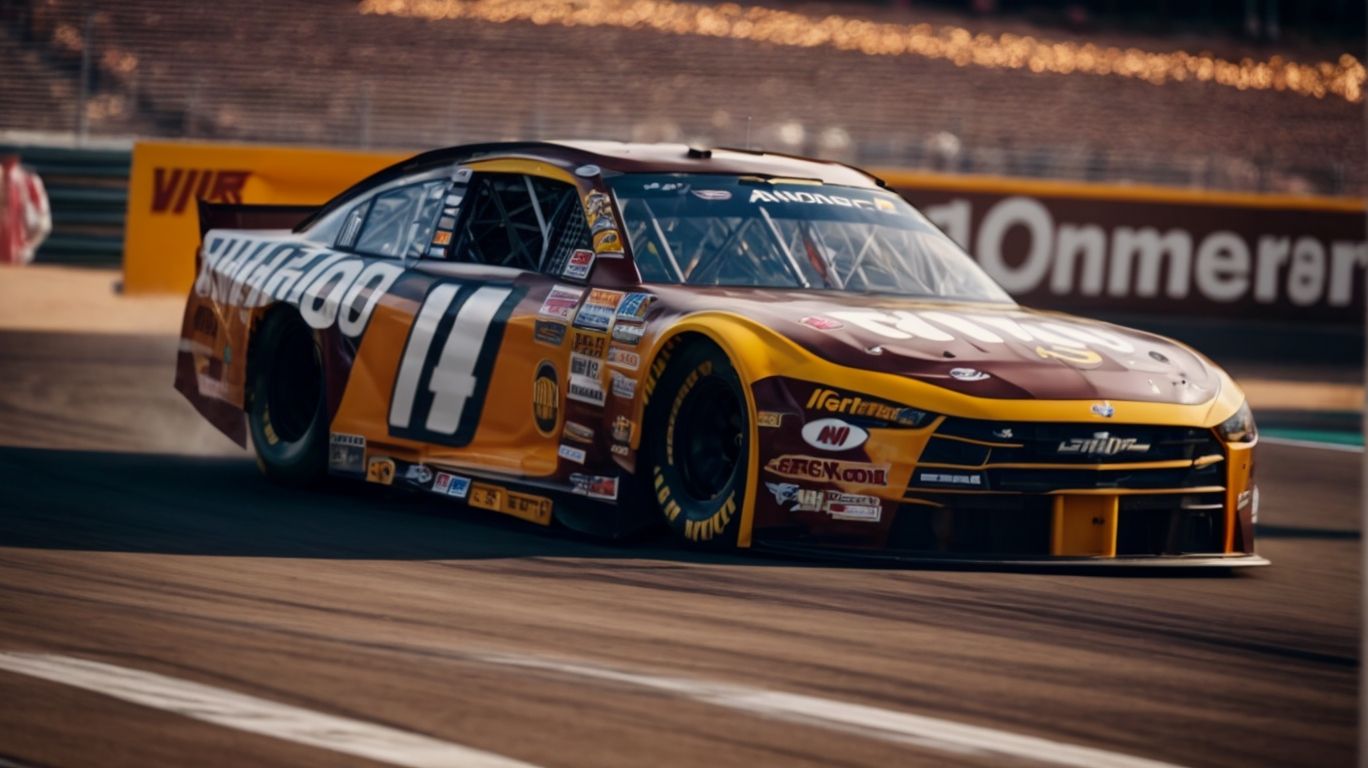
NASCAR, the National Association for Stock Car Auto Racing, is a prominent motorsport organization known for its high-speed races featuring specially designed race cars on oval tracks.
NASCAR events attract millions of fans worldwide who eagerly anticipate the heart-pounding excitement of races that take place in iconic venues such as Daytona International Speedway and Talladega Superspeedway. The drivers, considered elite athletes, showcase their immense skill and courage as they navigate these tracks at breakneck speeds, sometimes exceeding 200 miles per hour. What sets NASCAR apart is the strategic element involved, where drafting, pit stops, and tire management can make or break a driver’s chances of victory.
What is the Career Path for a NASCAR Driver?
The career path for a NASCAR driver typically involves starting with go-karts, progressing through karting competitions, gaining experience in racing schools, and eventually obtaining a competition license to compete in series like the ARCA Series.
As aspiring drivers transition from go-karts to higher levels of racing, attracting sponsors becomes crucial to fund their racing endeavors. Sponsors play a significant role in providing financial support, equipment, and resources necessary to compete at professional levels.
Driver schools also play a pivotal role in honing the skills and techniques required for success in competitive racing environments. These schools offer specialized training programs, coaching, and mentorship to help drivers refine their abilities and understand the technical aspects of race car driving.
Obtaining licenses is a fundamental step in the journey of a NASCAR driver. Licenses demonstrate a driver’s competence and adherence to safety standards, allowing them to compete in recognized racing series and events.
What Are the Requirements to Become a NASCAR Driver?
To become a NASCAR driver, individuals need to have a strong foundation in racing, experience with race cars, obtain the necessary education and training, secure sponsors to support their journey, and acquire a competition license to participate in NASCAR events.
Embarking on a career in NASCAR requires more than just a love for speed; it demands dedication and strategic planning. Gaining hands-on experience with race cars is crucial. Drivers must understand the mechanics, handling, and technical aspects involved in racing. Next, investing in education related to motorsports can provide a competitive edge. Courses in automotive engineering, sports management, or business can enhance a driver’s understanding of the industry.
Forging relationships with sponsors is essential to finance the high costs associated with training, traveling, and maintaining a racing team. Sponsors not only provide financial support but also contribute to a driver’s exposure and reputation within the racing world. Obtaining a competition license is mandatory to showcase skills and compete in various NASCAR events. This license ensures that drivers meet the required safety standards and regulations set by NASCAR.”
What Are the Different Levels of NASCAR Racing?
NASCAR offers various levels of racing, including the prestigious Sprint Cup Series, which serves as the pinnacle of NASCAR competition, with drivers progressing through different tiers of the NASCAR ladder system after obtaining a competition license.
Below the Sprint Cup Series, NASCAR features lower-tier series like the Xfinity Series and the Camping World Truck Series, each providing drivers with unique challenges and opportunities to showcase their talents.
Drivers aspiring to compete in the Sprint Cup Series typically begin their journey in these lower divisions, gradually honing their skills and gaining experience. The NASCAR ladder system facilitates this progression by enabling drivers to move up the ranks based on their performance and achievements in each series.
Do NASCAR Drivers Need to Go to College?
While attending college is not mandatory for NASCAR drivers, having a college education can be beneficial in expanding their skill set, especially in areas like business, communication, and auto mechanics that are relevant to the racing industry.
College education can provide NASCAR drivers with a well-rounded foundation that goes beyond racing skills. For instance, coursework in business management can equip them with the knowledge needed to handle sponsorships, contracts, and other financial aspects of their racing career effectively.
Communication proficiency, developed through college education, can enhance a driver’s ability to connect with their team, sponsors, and fans, fostering strong relationships that are crucial in the competitive world of racing.
Understanding auto mechanics can give drivers a deeper insight into their vehicles, enabling them to communicate more effectively with their crew chief and make informed decisions during races. These additional skill sets not only enhance a driver’s overall performance on the track but also open up opportunities for career diversification beyond racing.
What Education is Required for NASCAR Drivers?
The education required for NASCAR drivers often involves attending racing schools to hone driving skills, progressing through the levels of the NASCAR ladder system to gain experience, and considering specialized training offered by driver schools to enhance their competitiveness.
Racing schools play a crucial role in shaping aspiring NASCAR drivers by providing them with the foundational knowledge and hands-on experience needed to excel in high-speed, competitive environments. These schools offer a curriculum tailored to the specific demands of professional racing, covering aspects such as vehicle dynamics, racecraft, and safety protocols.
The NASCAR ladder system serves as a structured pathway for drivers to advance their careers systematically. Beginning with regional series, drivers gradually move up to compete in the higher tiers, acquiring essential skills and exposure along the way.
Enrolling in driver schools can offer additional advantages, such as access to top-notch instructors, cutting-edge technology, and networking opportunities within the racing industry. By honing their craft through education and training, NASCAR drivers can position themselves for success both on and off the track.
How Do NASCAR Drivers Get Their Education?
NASCAR drivers obtain their education through a combination of practical experience on the track, formal training at racing schools, progressing through the various levels of the NASCAR ladder, and ultimately securing a competition license to compete in NASCAR-sanctioned events.
Hands-on track experience plays a pivotal role in shaping a driver’s skills and understanding of race dynamics. Racing schools provide structured guidance on techniques, safety protocols, and racecraft essential for competitive driving. The NASCAR ladder system offers a clear path for aspiring drivers to advance from local tracks to national series, honing their talents along the way. Acquiring a competition license demonstrates a driver’s readiness to tackle the challenges of NASCAR racing, ensuring they meet the required standards and regulations.
What Skills and Qualities are Necessary for a NASCAR Driver?
NASCAR drivers need a combination of skills and qualities such as exceptional driving ability, mental toughness, physical fitness, the capacity to handle high-pressure situations, adept communication skills for dealing with sponsors, and extensive race car experience.
Driving prowess is at the core of a NASCAR driver’s skill set. The ability to control high-speed vehicles through tight turns, draft opponents effectively, and navigate traffic is crucial for success on the track. Mental resilience plays a significant role too, as drivers must remain focused and make split-second decisions under intense stress.
Physical fitness is vital for enduring the grueling demands of long races in extreme conditions, requiring strength, endurance, and quick reaction times. Managing pressure effectively is essential to stay composed and perform optimally in critical moments.
Communication aptitude is key, as drivers must build relationships with sponsors, convey their brand’s message, and engage with fans effectively. Extensive race car experience provides the necessary insights and instincts to anticipate challenges, fine-tune performance, and make strategic race decisions.
What is the Salary Range for NASCAR Drivers?
The salary range for NASCAR drivers can vary significantly, with top-tier drivers earning multimillion-dollar contracts through sponsorships, endorsements, winnings, and involvement in the racing business.
These contracts often include not only base salaries but also performance bonuses and profit-sharing arrangements, which can further boost a driver’s income. Plus race winnings, lucrative endorsement deals play a crucial role in a driver’s overall earnings, with popular drivers securing partnerships with major brands within the racing industry and beyond.
Diversifying income streams through business ventures related to racing, such as owning racing teams, merchandise lines, or even investing in related industries, can provide substantial additional revenue for NASCAR drivers.
What is the Average Age of NASCAR Drivers?
The average age of NASCAR drivers typically ranges from the late teens to early forties, with individuals entering the sport after high school or college degrees, showcasing the diversity in age and experience among competitors.
While some NASCAR drivers start their careers straight out of high school, such as Joey Logano who made his debut at 18, others like Jimmie Johnson pursued a college degree before entering the racing scene. This variance in entry points contributes to the wide age range seen in the sport. Veterans like Kevin Harvick, in their late thirties or early forties, bring years of experience to the track, while young talents in their late teens, like William Byron, represent the next generation of drivers. This mix of maturity and youthful energy adds an intriguing dynamic to NASCAR races.
What is the Retirement Age for NASCAR Drivers?
The retirement age for NASCAR drivers varies, with many opting to retire in their late thirties to forties after a successful racing career, while some, with a famous last name or enduring talent, continue competing well into their fifties.
Retirement decisions among NASCAR drivers are influenced by a multitude of factors, such as physical fitness, mental sharpness, and sponsorship opportunities. As drivers age, the physical demands of the sport can become more challenging, leading many to transition to coaching or television roles. Those with a famous last name often find continued success as team owners or in other capacities within the racing industry. This trend highlights the enduring legacy and influence of familial ties in the world of NASCAR.
What Are the Risks and Injuries Involved in NASCAR Racing?
NASCAR racing entails various risks and potential injuries due to the high speeds, close proximity racing, challenging track conditions, and the physical demands placed on race car drivers during intense competitions.
One of the major risks in NASCAR racing lies in the high-speed nature of the sport. Drivers push their cars to the limits, hurtling around the track at incredible velocities. This fast-paced environment not only tests the skills of the drivers but also increases the likelihood of accidents and collisions. The adrenaline-fueled competition intensifies the dangers, as drivers jostle for position, often inches apart at tremendous speeds.
How Do NASCAR Drivers Stay Physically Fit?
NASCAR drivers maintain their physical fitness through rigorous training regimes encompassing cardio workouts, strength training, and specialized exercises to build endurance, core strength, and muscle mass, often incorporating weights to enhance their physical capabilities.
Cardio workouts play a crucial role in improving their cardiovascular health, endurance, and stamina, allowing drivers to withstand the demands of long races.
Strength training, especially focused on the upper body and core, helps drivers to have better control over their vehicles, especially during high-speed maneuvers and intense races. By incorporating specific exercises targeting the neck and shoulder muscles, drivers aim to reduce fatigue and maintain focus throughout a race.
Weight training is essential for drivers to build overall strength, improve muscle mass, and enhance their physical resilience. By including various weightlifting exercises such as deadlifts, squats, and bench presses, drivers are able to increase their power output and maintain stability during high-speed turns and accelerations.
What Are the Sponsorship Opportunities for NASCAR Drivers?
NASCAR drivers have abundant sponsorship opportunities that involve building networks, leveraging social media platforms, creating personalized websites, and engaging with sponsors to secure financial backing for their racing pursuits.
Networking is a crucial aspect of attracting sponsors in the competitive world of NASCAR. By establishing strong connections within the racing community and beyond, drivers can widen their pool of potential sponsors.
Using social media effectively can also be a game-changer. Engaging fans, showcasing behind-the-scenes content, and highlighting sponsor involvement can significantly increase a driver’s visibility and appeal to sponsors.
Creating a professional and engaging website serves as a virtual portfolio for drivers. This platform can showcase achievements, upcoming races, and sponsorship opportunities, acting as a direct channel for interested sponsors.
To retain sponsors, ongoing engagement is key. Regular updates, acknowledgments, and exclusive perks can help maintain sponsor relationships for the long term.
What is the Future Outlook for NASCAR Racing?
The future of NASCAR racing appears promising with evolving technologies, increasing diversity in drivers, growing fan engagement, and the continuous expansion of the NASCAR industry, indicating a positive trajectory for the sport.
Looking ahead, one of the key aspects driving the future outlook of NASCAR racing is the integration of advanced technology in both the vehicles and race infrastructure. With innovations such as improved aerodynamics, hybrid powertrains, and data analytics reshaping race strategies, races are expected to become even more competitive and engaging for fans. The sport is moving towards greater diversity among drivers, with initiatives to encourage participation from underrepresented groups, showcasing a more inclusive and dynamic lineup on the track. This increasing representation is not only a positive step towards equality but also brings fresh talent and perspectives to the sport.
Frequently Asked Questions
Do Nascar drivers go to college?
Yes, many Nascar drivers go to college or at least have some level of higher education. While it is not a requirement to become a Nascar driver, having a college degree can be beneficial in terms of business knowledge and networking opportunities.
What type of education is recommended for aspiring Nascar drivers?
While there are no specific education requirements for Nascar drivers, it is recommended to have a strong foundation in math, science, and business courses. These skills can be helpful in understanding vehicle mechanics, race strategy, and sponsor relations.
Do Nascar drivers need a college degree to be successful?
No, a college degree is not necessary for success in Nascar. However, having a degree can provide valuable skills and opportunities for drivers to advance their careers both on and off the track.
Have any Nascar drivers graduated from college?
Yes, several Nascar drivers have graduated from college with degrees in various fields such as engineering, marketing, and business. Some notable examples include Ryan Newman, Jamie McMurray, and Brad Keselowski.
Do Nascar drivers have to balance school and racing?
It is not uncommon for Nascar drivers to balance their education with their racing career. Many drivers may attend college part-time or take online courses while also competing in races. However, some drivers may choose to focus solely on racing and forego college.
Are there any college programs specifically for aspiring Nascar drivers?
Yes, some universities offer specialized programs for students interested in pursuing a career in motorsports, including Nascar. These programs often include courses in race car engineering, business management, and hands-on experience in the racing industry.