Can Nascar Drivers Talk to Each Other?
NASCAR is a thrilling sport that requires seamless communication between drivers and their team members.
From hand signals to radio communication, each method plays a crucial role in ensuring success on the track.
Spotters are instrumental in providing real-time information to drivers, while in-car communication technology has revolutionized the way teams interact.
Strict rules and regulations govern communication on the track.
In this article, we will explore the evolution, benefits, challenges, and future of communication in NASCAR.
Can NASCAR drivers talk to each other? Let’s find out.
Key Takeaways:
What is NASCAR?
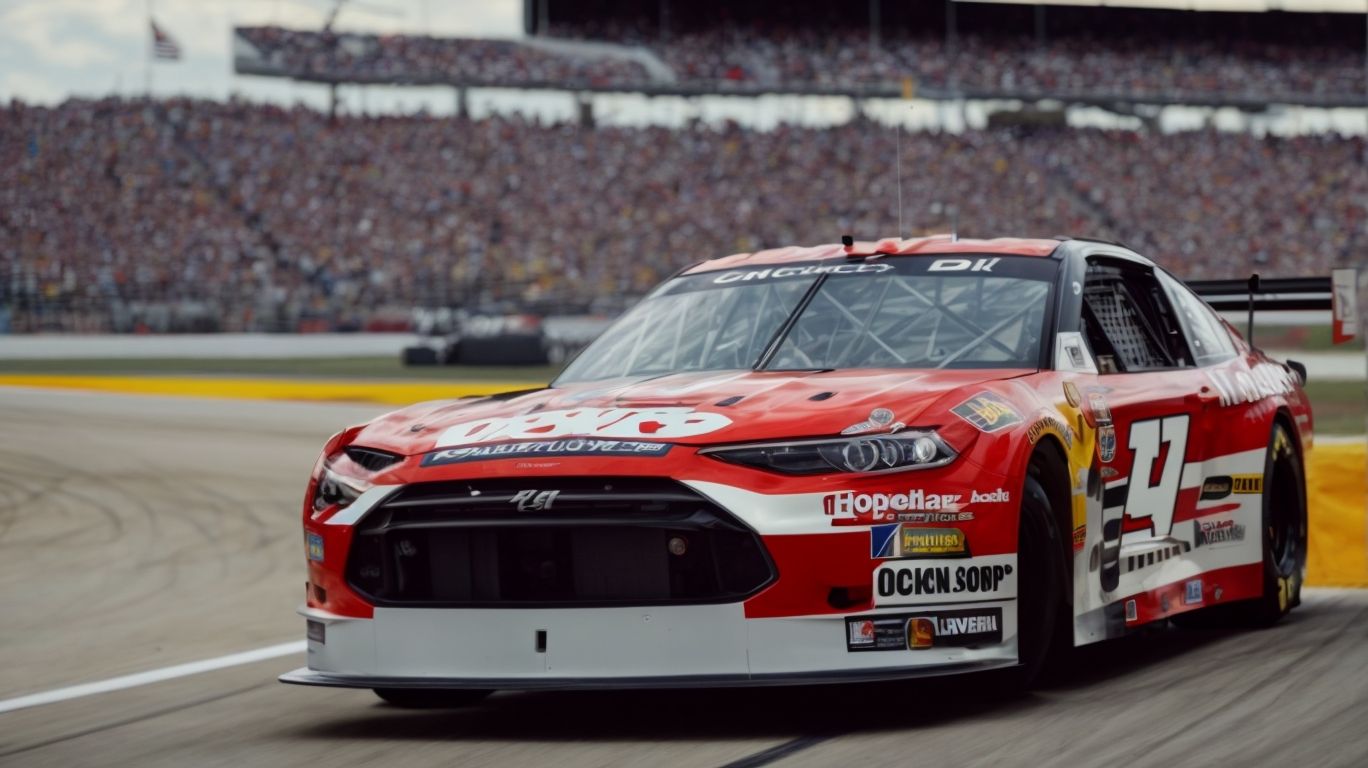
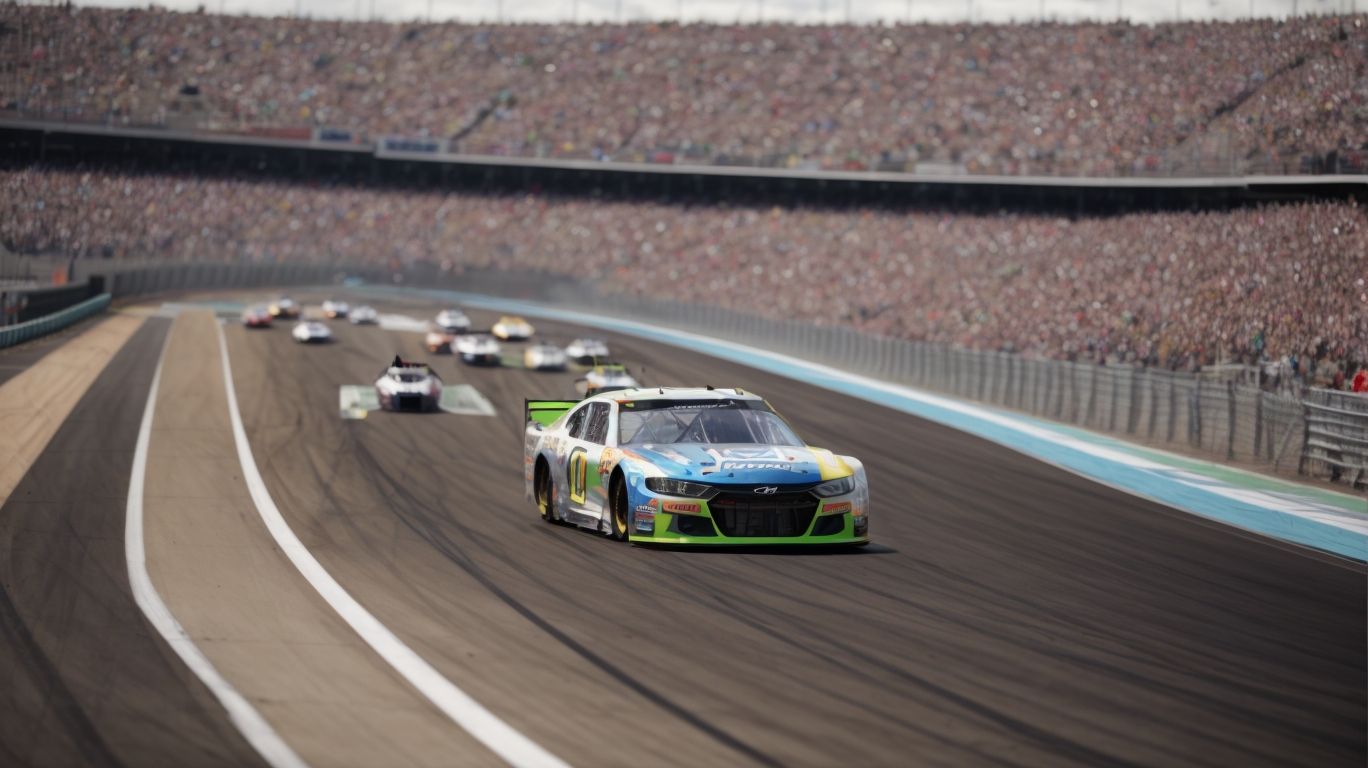
NASCAR, the National Association for Stock Car Auto Racing, is a premier motorsport organization known for high-speed races featuring skilled NASCAR drivers and meticulously coordinated pit crews.
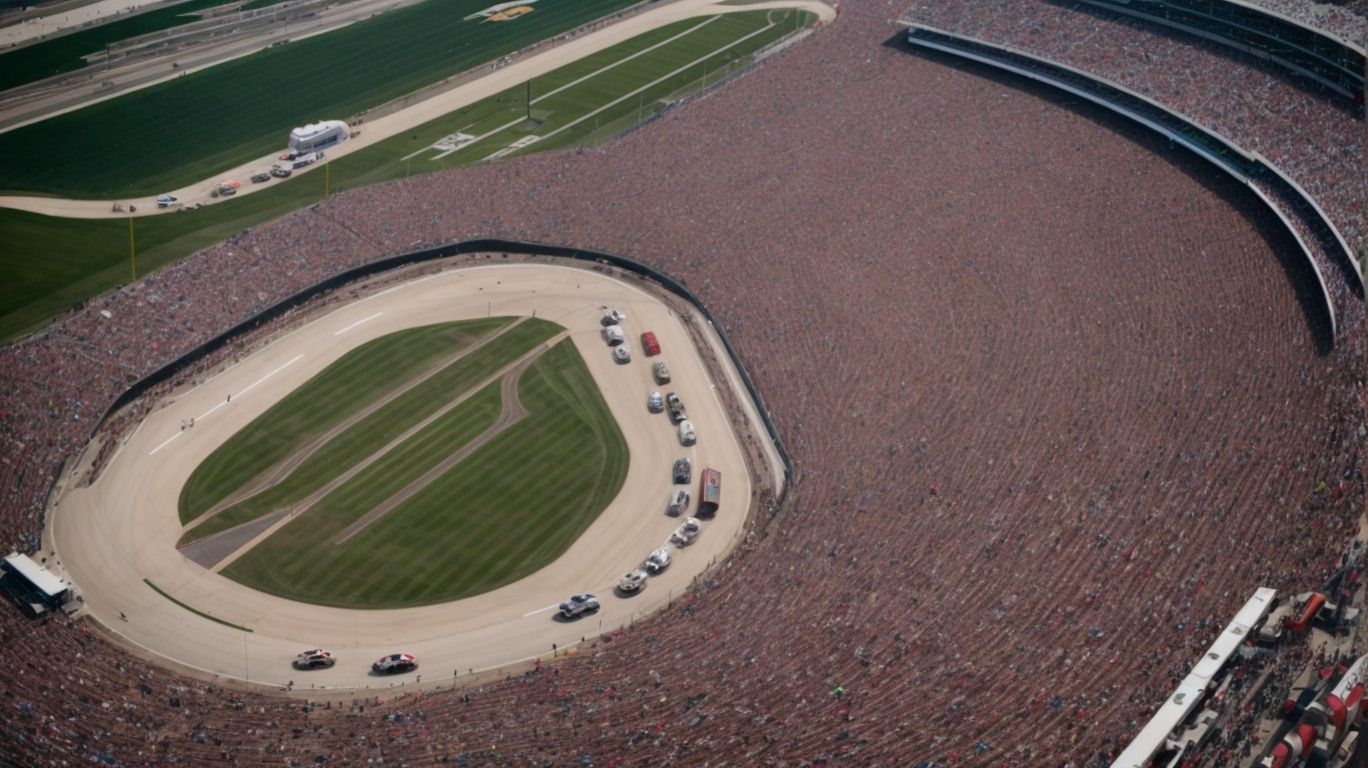
Founded in 1948, NASCAR has a rich history rooted in the Southern United States, where stock car racing was a popular form of entertainment. Over the years, NASCAR has grown into a global phenomenon, with millions of fans tuning in to watch races like the Daytona 500, one of the most prestigious events in the sport. The race tracks, such as Daytona International Speedway, Bristol Motor Speedway, and Talladega Superspeedway, have become iconic symbols of NASCAR’s thrilling competition.
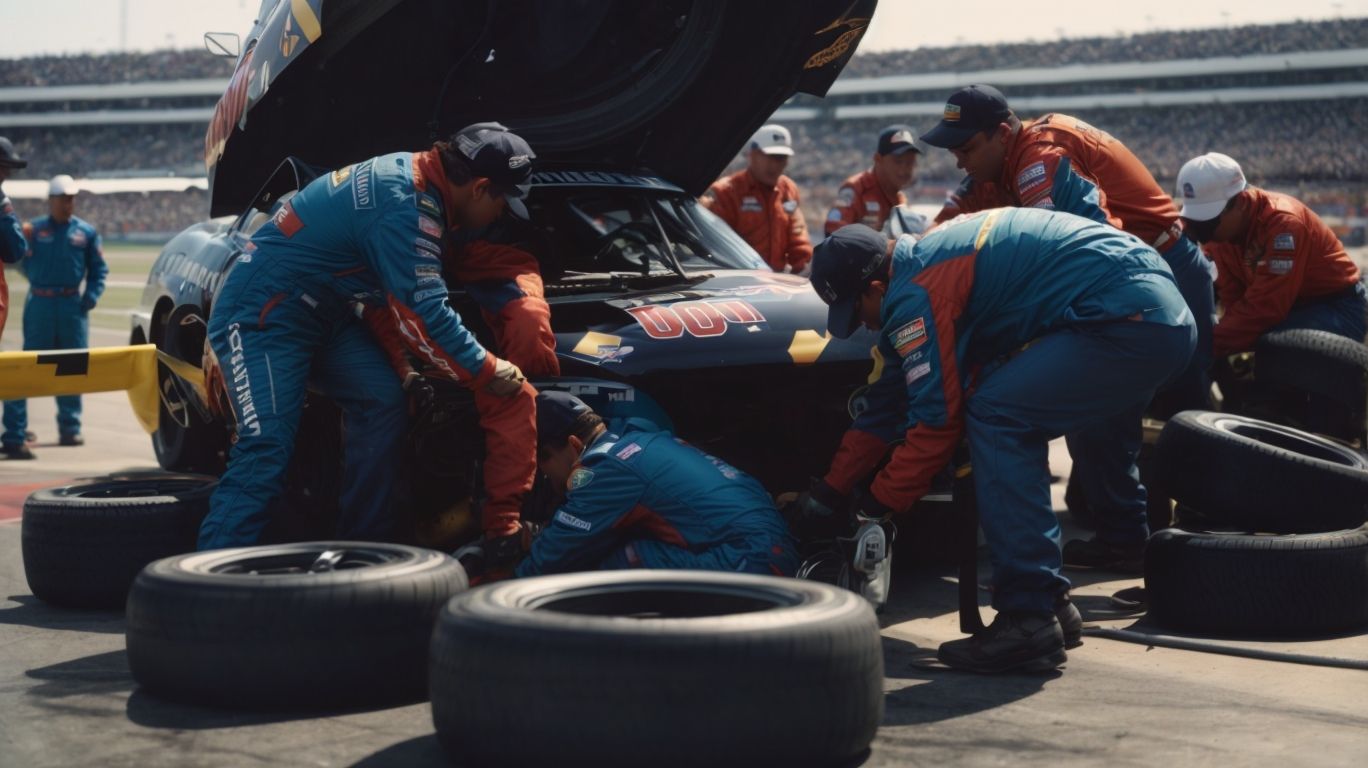
Behind the wheel, NASCAR drivers showcase incredible talent, maneuvering their cars at speeds that push the limits of both man and machine. The intensity of the races is further heightened by the strategic teamwork of the pit crews, who execute lightning-fast pit stops to keep their drivers competitive on the track.
How Do NASCAR Drivers Communicate?
Communication in NASCAR is vital for success on the track, as NASCAR drivers rely on a network of communication channels that include radios, spotters, and crew chiefs to navigate races effectively.
While driving at high speeds and making split-second decisions, clear and concise communication is crucial to anticipate potential hazards, adjust strategies, and coordinate pit stops efficiently. Radios allow drivers to stay in constant contact with their team, providing real-time updates on track conditions and competitor positions. Spotters stationed at vantage points around the track offer valuable perspectives, guiding drivers on when to make critical moves or avoid oncoming trouble.
What are the Different Methods of Communication?
NASCAR drivers utilize a variety of communication methods, including two-way radios, hand signals, and pit boards to exchange crucial information with their crew chief, spotters, and pit crew.
Two-way radios play a vital role in real-time communication between drivers and their teams, enabling instant updates on strategy, track conditions, and potential hazards. These radios are equipped with noise-canceling technology to ensure clear and concise conversations amidst the loud engine noise.
Hand signals serve as a non-verbal method of communication, allowing drivers to convey messages to their pit crew without the need for words. It is a quick and effective way to notify the team about adjustments needed during pit stops.
Pit boards are strategically placed in the pit lane and display important information to drivers as they enter for service. These boards feature large, easy-to-read numbers, letters, and symbols to convey messages such as the number of laps remaining or specific instructions for the upcoming pit stop.
What is the Role of a Spotter in NASCAR?
In NASCAR, a spotter plays a crucial role in providing real-time information to the driver, acting as the eyes and ears of the team by communicating race conditions, competitor positions, and potential hazards to enhance strategic decision-making.
Spotters are perched high above the track, equipped with binoculars, radios, and exceptional situational awareness to guide the driver through traffic, helping them make split-second decisions.
By relaying crucial data to the driver, such as when to pit, what line to take, and when to anticipate a potential crash, spotters are instrumental in ensuring the safety and success of the race.
They forge a close connection with the pit crew, informing them of on-track developments and coordinating pit stops for optimal performance.
How Do Drivers Communicate with their Spotters?
NASCAR drivers establish seamless communication with their spotters through a combination of hand signals, radio transmissions, and visual cues to convey critical information about the race dynamics, competitors’ positions, and strategic moves.
Hand signals play a vital role in this communication network as drivers use gestures to alert their spotters about potential hazards, upcoming turns, or navigating through traffic.
Radio communication protocols are meticulously followed, with drivers and spotters using designated frequencies to exchange real-time updates on track conditions, pit strategies, and adjustments needed for optimal performance.
Visual cues, such as flags displayed by track officials or strategic positionings on the track, further aid in enhancing the coordination between the driver-spotter duo, ensuring swift decision-making and proactive responses during intense racing scenarios.
What are the Commonly Used Hand Signals?
Hand signals are a common form of communication between NASCAR drivers and spotters, with gestures indicating turning directions, passing opportunities, and potential hazards on the track.
During races, drivers use a variety of hand signals to convey crucial information to their spotters high above the track. For instance, a tap on the roof of the car signifies a request for drafting assistance, while a closed fist points to a potential safety hazard ahead. A swipe across the throat warns of imminent danger, signaling the need to slow down or avoid a collision. These gestures play a vital role in enhancing communication efficiency and safety during high-speed NASCAR events.
How Do Drivers Use Radio Communication?
Radio communication is a key tool for NASCAR drivers to relay instant updates, track conditions, and race strategies to their spotters, crew chiefs, and pit crew members, ensuring coordinated and efficient decision-making during high-speed races.
With the radio communication channels open, drivers can alert their teams about any sudden changes in the race environment, allowing adjustments to be made swiftly. This real-time information exchange not only helps in optimizing pit stops and fuel strategies but also plays a vital role in enhancing safety measures by promptly communicating cautionary alerts or potential hazards on the track. The seamless flow of communication between the driver and the team is crucial in strategizing overtakes, gauging competitors’ moves, and making split-second decisions that can make or break a race.
Can NASCAR Drivers Talk to Each Other on the Track?
NASCAR drivers have the capability to communicate with each other through in-car radio systems, enabling direct exchanges to discuss race tactics, track conditions, and potential maneuvers during competitive races.
These radio systems are vital tools that allow drivers to stay connected with their teams, crew chiefs, and spotter throughout the high-speed and intense races. By using radio communication, drivers can provide real-time updates on their car’s performance, receive critical feedback on their driving, and make informed decisions on when to pit or how to strategize against competitors.
Along with aiding in strategy discussions, these communication systems also play a crucial role in enhancing safety on the track. Drivers can quickly alert their teams about any potential hazards or accidents, allowing for prompt coordination and response to ensure the well-being of everyone involved.
What is the Purpose of In-Car Communication?
In-car communication in NASCAR serves the purpose of facilitating real-time exchanges between drivers and their teams to devise tactical strategies, adjust race plans, and coordinate maneuvers based on dynamic race conditions.
These communication systems play a vital role in the intense and fast-paced environment of NASCAR races, where split-second decisions can make a difference between victory and defeat. By allowing drivers to receive crucial information from their team members, such as upcoming pit stops, suggested racing lines, and competitor positions, the in-car communication systems offer a competitive edge.
Enhancing driver-team coordination, these systems ensure that everyone is working towards a common goal, optimizing performance and reacting swiftly to unforeseen circumstances on the track.
How Do Drivers Use In-Car Communication?
NASCAR drivers utilize in-car communication systems to share crucial information with their team members, including crew chiefs, spotters, and pit crew, enabling coordinated race strategies, pit stop planning, and real-time updates on track conditions.
These sophisticated systems allow drivers to communicate with their team in a streamlined manner, improving overall race performance. Through radio systems installed in their helmets, drivers can receive instructions from the crew chief regarding strategy adjustments, upcoming pit stops, and insights about their competition.
Spotters situated high above the track provide vital information about traffic, caution flags, and potential hazards, helping drivers make split-second decisions. The pit crew also plays a crucial role by guiding drivers into their pit stalls efficiently, changing tires, and making necessary adjustments to gain a competitive edge.
What are the Rules and Regulations for Communication in NASCAR?
NASCAR has specific rules and regulations governing communication protocols to ensure fair competition, driver safety, and pit crew coordination, with guidelines on permissible devices, frequency usage, and content restrictions during races.
To maintain the integrity of the races, NASCAR implements strict guidelines surrounding driver communication. These guidelines are designed to prevent any unfair advantages and to prioritize safety above all else. Drivers are encouraged to use only approved communication devices to relay important information to their teams, such as pit strategy or car status updates.
The frequency of communications is monitored to prevent excessive chatter that could interfere with the flow of the race or distract other drivers. This ensures that communication remains efficient and focused on essential details.
How Has Communication Evolved in NASCAR?
Communication in NASCAR has evolved significantly over the years, with advancements in technology leading to more sophisticated communication tools, enhanced strategic planning, and dynamic race tactics that have reshaped the sport’s competitive landscape.
Traditionally, communication in NASCAR relied heavily on hand signals and pit boards, which were effective but limited in scope. With the introduction of two-way radios, teams were able to relay information in real-time, allowing for immediate adjustments in race strategies based on changing track conditions or competitor moves.
This shift towards instantaneous communication revolutionized how teams approached races, enabling crew chiefs to provide drivers with instant feedback, updates on other competitors’ actions, and guidance on optimal pit stop timing.
The integration of telemetry data and in-car cameras further enhanced communication capabilities, providing teams with comprehensive insights into vehicle performance, driver behavior, and strategies employed by rivals.
What Are the Benefits of Communication in NASCAR?
Effective communication in NASCAR offers numerous benefits, including enhanced teamwork, strategic coordination, improved safety measures, and optimized race strategies that contribute to driver success and overall race performance.
One of the key aspects that sets successful NASCAR teams apart is their ability to communicate seamlessly on and off the track. Through clear and concise interactions, team members can respond to sudden changes swiftly and effectively, allowing for agile decision-making in high-pressure situations. The strategic planning involved in NASCAR often hinges on effective communication among crew chiefs, engineers, and drivers, ensuring that everyone is on the same page regarding race strategies and adjustments.
Robust communication protocols contribute significantly to enhancing safety measures in NASCAR. Quick, accurate sharing of critical information regarding track conditions, potential hazards, and race incidents is crucial for preventing accidents and ensuring the well-being of drivers and pit crew members. This clear line of communication acts as a safety net, enabling swift responses and interventions when needed.
What Are the Challenges of Communication in NASCAR?
Communication in NASCAR faces challenges due to the high-speed nature of races, potential crashes, track conditions, and the need for instantaneous decision-making, requiring seamless communication protocols, quick response times, and effective coordination to mitigate risks and ensure race success.
At such high speeds, drivers and their teams must rely on advanced radio systems to maintain connectivity and exchange crucial information efficiently. The rapid pace of the races often leads to a cacophony of voices on the radio channel, making it challenging for drivers to focus on critical updates. The intense adrenaline rush during races can further complicate communication as emotions run high, impacting the clarity of messages transmitted. These factors underline the crucial role of clear, concise communication strategies in NASCAR to navigate the complexities of each race.
What is the Future of Communication in NASCAR?
The future of communication in NASCAR holds promise for further technological advancements, innovative solutions, and data-driven strategies that can revolutionize race communications, enhance driver performance, and elevate the overall spectator experience through enhanced insights and interactive engagement.
One key area where technology is likely to play a significant role is in real-time data analytics. By harnessing big data and advanced analytics tools, teams, officials, and fans can access a wealth of information instantaneously, leading to more knowledge-based decision making and enhanced experiences. This could include detailed performance metrics, predictive analysis, and even virtual reality simulations that bring fans closer to the action than ever before.
Frequently Asked Questions
Can Nascar Drivers Talk to Each Other?
1. How do Nascar drivers communicate during a race?
Nascar drivers primarily communicate with their teams and pit crews through radio communication. However, they are also able to talk to each other through a radio system known as “driver-to-driver communication.”
2. Can Nascar drivers talk to each other during a race?
Yes, Nascar drivers are able to communicate with each other during a race through a radio system known as “driver-to-driver communication.” However, this is typically only used for strategic purposes and not for casual conversation.
3. Is it common for Nascar drivers to talk to each other during a race?
No, it is not common for Nascar drivers to talk to each other during a race. The driver-to-driver communication system is primarily used for strategic communication between teams and not for casual conversation between drivers.
4. How does the driver-to-driver communication system work?
The driver-to-driver communication system allows drivers to talk to each other through a radio channel that is separate from their team’s communication channel. This can be initiated by the driver or their team for strategic purposes.
5. What kind of information do Nascar drivers share with each other through the driver-to-driver communication system?
Nascar drivers primarily share information about track conditions, potential hazards, and upcoming pit stops through the driver-to-driver communication system. This allows them to strategize and adjust their driving accordingly.
6. Are there any rules or limitations for using the driver-to-driver communication system?
Yes, there are rules and limitations for using the driver-to-driver communication system. Drivers are not allowed to use it for any form of unsportsmanlike conduct or to interfere with another driver’s race. Any violation of these rules can result in penalties.