Why Did Nascar Lower Horsepower?
NASCAR, famous for its high-speed races and powerful engines, recently made a significant change by reducing horsepower.
The decision was driven by factors such as safety, cost reduction, and increased competition. This article examines the impacts of this decision, which include slower speeds, increased pack racing, and closer finishes.
We also discuss how NASCAR implemented this change, driver perspectives on the decision, and the future of NASCAR horsepower, which may involve hybrid technology and electric cars.
Key Takeaways:
What Is NASCAR?
NASCAR, known as the National Association for Stock Car Auto Racing, is a premier motorsport organization that showcases high-performance cars driven by professional drivers.
NASCAR traces its roots back to the years following the prohibition era when bootleggers modified their cars for illegal liquor transportation, eventually leading to competitive racing events in the Southeastern United States.
The sport gained significant popularity in the 1970s and 1980s with legends like Richard Petty and Dale Earnhardt dominating the tracks, creating a loyal and passionate fan base that continues to grow today.
Manufacturers such as Chevrolet, Ford, and Toyota play a crucial role in NASCAR, developing powerful engines and cutting-edge technology to enhance performance, making the races thrilling and competitive.
What Is Horsepower?
Horsepower, a crucial metric in the world of racing, measures the power output of a car’s engine, determining its performance and speed on the track.
In NASCAR, where every second counts, horsepower plays a pivotal role in determining the competitiveness of a car. The higher the horsepower, the faster the acceleration and top speed a vehicle can achieve, giving drivers a significant advantage on the track. This emphasis on horsepower leads to teams constantly striving to enhance engine performance, aerodynamics, and overall car design to maximize their output.
Drivers also heavily rely on horsepower levels to strategize their race tactics. Understanding how their car’s horsepower compares to competitors allows them to make informed decisions during races, such as when to overtake or defend positions based on their acceleration capabilities.
Why Did NASCAR Lower Horsepower?
NASCAR made the strategic decision to lower horsepower to enhance safety measures, improve competition, and address performance inconsistencies on the track.
Reducing horsepower in NASCAR cars was primarily driven by the organization’s commitment to ensuring the safety of drivers and spectators. By lowering the power output of the vehicles, the risk of high-speed accidents and potential injuries was significantly minimized, creating a safer racing environment overall. The implementation of horsepower limits aimed to level the playing field among competitors, preventing teams with higher horsepower engines from gaining an unfair advantage. This move also targeted the issue of performance fall-off, where excessive power could lead to challenges in handling and tire wear during races.
Improve Safety
One primary reason for NASCAR to lower horsepower was to enhance driver safety and reduce the risks associated with high-speed racing, a crucial aspect highlighted by industry stalwarts like Dale Earnhardt Jr.
By reducing horsepower in NASCAR vehicles, drivers are able to navigate the tracks more safely, allowing for greater control and minimizing the potential for high-speed accidents. This adjustment has positively impacted driver well-being by lowering the overall risks involved in competitive racing. Not only does it improve the safety of the drivers on the track, but it also enhances the overall spectator experience, knowing that safety measures have been taken seriously by the sport’s governing bodies.
Reduce Costs
Lowering horsepower in NASCAR aimed to reduce costs for teams and manufacturers, promoting sustainability and fostering a level playing field, a viewpoint endorsed by industry stalwarts like Kevin Harvick.
By decreasing horsepower, teams can utilize engines and components for longer durations, minimizing the need for costly replacements. This strategic approach not only conserves resources but also encourages innovation in maximizing efficiency rather than pure power. Manufacturers benefit from reduced R&D expenses associated with high-performance engines, allowing them to allocate resources to other areas such as safety technology and sustainability initiatives.
From a financial perspective, the cost-saving benefits of lowering horsepower extend to teams, as they can reallocate funds to driver development, research on aerodynamics, and enhancing overall race strategy. This shift in focus from sheer engine power to a more holistic approach boosts competitiveness and levels the playing field, enhancing the overall excitement and unpredictability of NASCAR races.
Increase Competition
The reduction in horsepower by NASCAR aimed to increase competition among drivers, providing a more level playing field and enhancing the thrill of races, a sentiment echoed by NASCAR Senior Vice President, Steve O’Donnell.
By tuning down the power of the cars, NASCAR has altered the dynamics of races, making it imperative for drivers to rely more on their skills and strategies than sheer engine performance. The move has led to a shift towards a more tactically driven approach, requiring drivers to be more calculated in their maneuvers and decision-making on the track.
Driver adaptability and racecraft have become pivotal in this new environment, where subtleties in driving techniques can make a significant difference. Steve O’Donnell emphasizes that this shift has added a layer of unpredictability to races, creating scenarios where driver talent shines brightly even in the face of restricted engine power.
How Did NASCAR Lower Horsepower?
NASCAR implemented various strategies to lower horsepower, including the introduction of the Next-Gen cars with a 550 HP engine and adjustments tailored for short-track races to ensure a balance in performance.
NASCAR’s approach to reducing horsepower centered around enhancing the efficiency and competitiveness of races. The Next-Gen cars with their 550 HP engines not only provided a more controlled power output but also advanced safety features. These cars were meticulously engineered to enhance aerodynamics and handling, enabling drivers to navigate tracks more efficiently.
For short-track races, specific modifications were made to optimize acceleration and cornering capabilities, ensuring thrilling and dynamic competitions. By embracing these innovations, NASCAR showcased its commitment to evolving with the sport and meeting the demands of both fans and participants.
Engine Restrictor Plates
NASCAR utilized engine restrictor plates as a key tool to lower horsepower, regulating the engine’s performance and complementing advancements like composite bodywork for enhanced aerodynamics.
These restrictor plates are essentially spacers fitted between the engine and the intake manifold, reducing the amount of air and fuel mixture that can enter the combustion chamber. By restricting airflow, the plates limit the engine’s power output, making the cars safer and more manageable on high-speed tracks. This move by NASCAR was a response to the need for greater driver safety and competitive balance within races. Plus the use of restrictor plates, technological innovations such as composite bodywork have allowed teams to increase performance and efficiency while adhering to regulations set by the sport’s governing body.
Engine Size Reduction
NASCAR opted for engine size reduction to lower horsepower, collaborating with manufacturers to implement changes and incorporating features like independent rear suspension to enhance vehicle stability.
Reducing the engine size in NASCAR cars has had far-reaching effects on racing dynamics. By lowering the horsepower, it not only impacts speed but also changes the way drivers maneuver their vehicles on the track. The partnership with manufacturers plays a crucial role in ensuring these adjustments are smoothly integrated into the racing environment. The incorporation of independent rear suspension signifies a notable shift in vehicle handling, offering drivers more control and stability during high-speed turns.
What Are The Effects Of Lower Horsepower In NASCAR?
The reduction in horsepower in NASCAR has led to noticeable effects such as slower speeds, more pack racing scenarios, and closer finishes, significantly altering the competitive landscape of the sport.
Lower horsepower in NASCAR has not only changed the dynamics on the track but has also influenced driver strategies and race outcomes. The decrease in horsepower has forced drivers to rely more on drafting and strategic driving tactics, leading to a different style of racing where precision and skill play a crucial role. The increased pack racing resulting from lower horsepower levels has heightened the intensity and unpredictability of races, thrilling both fans and drivers alike. This shift in NASCAR’s approach reflects the ever-evolving nature of the sport and demonstrates how strategic changes can have a profound impact on the overall racing experience.
Slower Speeds
The decrease in horsepower has resulted in slower speeds on the track, altering the overall racing experience and aligning with NASCAR’s vision for enhanced performance and safety, as outlined by the NASCAR Senior Vice President.
Reduced horsepower means that cars are not accelerating as quickly as before, leading to adjustments in driving strategies and overtaking maneuvers on the track. The impact of slower speeds is felt in the dynamic nature of races, with drivers having to rely more on their skills and tactics rather than raw engine power.
The NASCAR Senior Vice President highlighted that the aim of these speed adjustments is to create a more exciting and competitive racing environment, where driver talent and racecraft play a significant role. By slowing down the cars, NASCAR is also addressing safety concerns and ensuring that races are more controlled and manageable for both drivers and spectators alike.
More Pack Racing
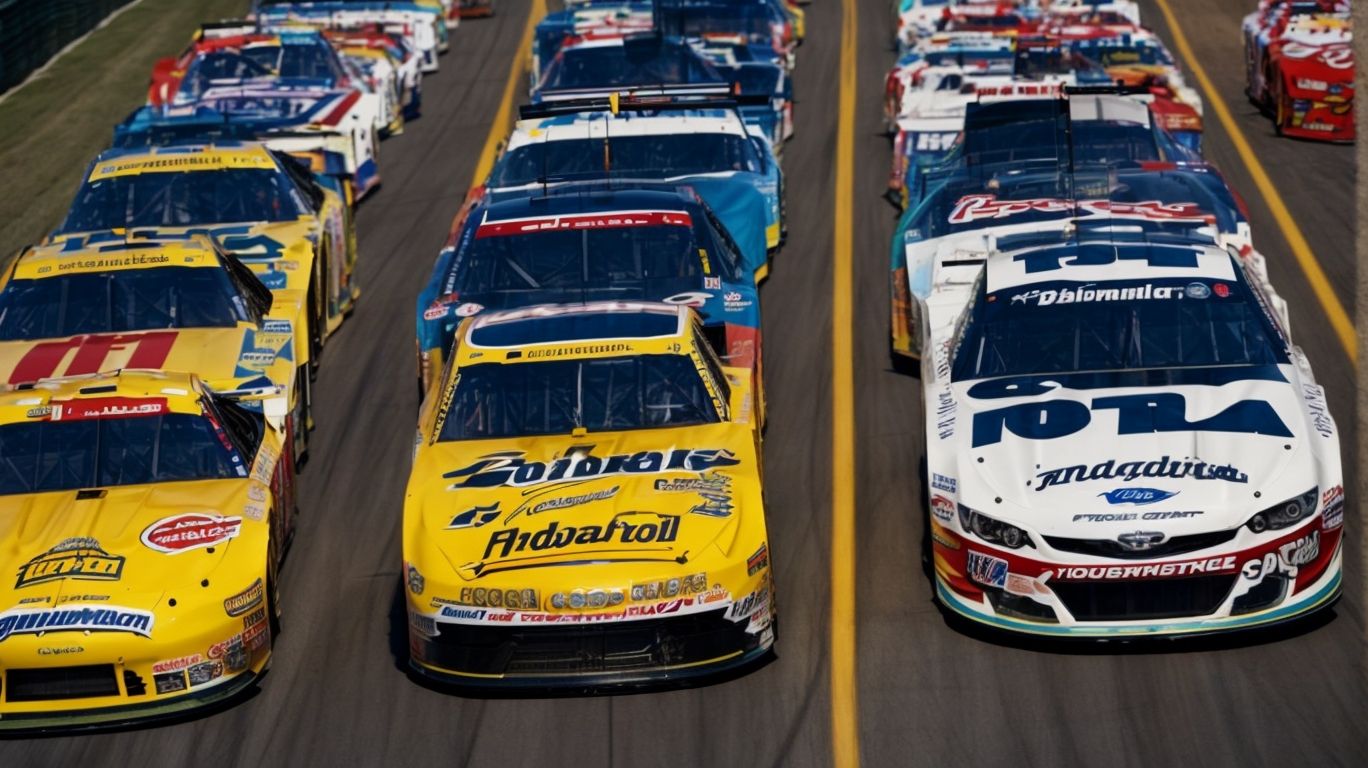
The lower horsepower levels have encouraged more pack racing situations in NASCAR, fostering intense battles among drivers on various tracks, including iconic venues like North Wilkesboro.
Drivers in these pack scenarios often rely on drafting techniques to gain speed and maneuver strategically through the crowded field, creating a thrilling spectacle for fans. Adapting to the constantly changing positions within the pack requires split-second decision-making and exceptional situational awareness, as one wrong move can result in a massive pile-up impacting multiple cars.
At tracks like North Wilkesboro, the narrower racing surface amplifies the challenges of pack racing, leading to tighter competition and heightened risks of contact between vehicles. This dynamic style of racing demands not only skillful driving but also a deep understanding of aerodynamics and handling, as drivers jockey for position while navigating the treacherous pack.
Closer Finishes
The changes in horsepower have led to closer finishes in NASCAR races, with drivers like Kevin Harvick and Denny Hamlin showcasing remarkable skills in reaching the finish line amidst tight competition.
Lower horsepower levels challenge the drivers to find new ways to edge out their competitors on the track, making races more unpredictable and exciting for fans. With a narrower performance gap, driver skill and strategic decision-making play an even more crucial role in determining the race outcomes.
- Drivers like Harvick and Hamlin have adapted their driving styles to maximize efficiency and speed, leveraging every opportunity to gain an edge over their rivals.
- The increased parity in horsepower has forced teams to focus on fine-tuning other aspects of the cars, such as aerodynamics and handling, to maintain a competitive advantage.
What Do The Drivers Think About The Lower Horsepower?
The drivers in NASCAR have varying opinions on the lower horsepower implementation, with some embracing the change for its impact on racing dynamics and track experiences, while others express concerns about performance and strategy shifts.
Some drivers welcome the reduced horsepower as it demands a shift in driving techniques and highlights the importance of finesse over raw power. They see it as an opportunity to showcase their skill and precision on the track, focusing more on strategic maneuvers and tactical driving.
On the contrary, a faction of drivers apprehends the decreased horsepower may alter their accustomed racing approach, leading to uncertainties in overtaking, drafting, and handling different track conditions.
What Are The Future Plans For NASCAR Horsepower?
NASCAR is exploring innovative avenues for future horsepower adjustments, considering technologies like Hybrid Technology, potential shifts towards electric cars, and other engine modifications to enhance performance and sustainability.
NASCAR’s forward-looking strategies involve a careful balance between tradition and cutting-edge developments, aiming to push the boundaries of performance while also staying relevant in an ever-changing automotive landscape. By integrating Hybrid Technology into their racing platforms, NASCAR is not only adapting to the evolving trends in the automotive industry but also showcasing their commitment to sustainability and environmental responsibility.
The potential introduction of electric cars into NASCAR races could revolutionize the sport, bringing a new level of energy efficiency and technological advancement to the track. This shift towards cleaner energy sources aligns with NASCAR’s commitment to reducing carbon footprint and leading the way in sustainable racing practices.
Hybrid Technology
The incorporation of Hybrid Technology in NASCAR’s future plans aims to revolutionize engine performance, introducing elements like sequential gearboxes for enhanced racing capabilities and sustainability.
Hybrid Technology in NASCAR represents a significant shift towards more efficient and eco-friendly racing practices. The implementation of Hybrid Technology offers a unique blend of traditional combustion engines with electric power, resulting in improved power delivery and fuel efficiency. The use of sequential gearboxes further amplifies this efficiency by allowing seamless gear changes, enhancing acceleration and overall performance on the track.
From a sustainability perspective, the introduction of Hybrid Technology in NASCAR signals a commitment to reducing carbon emissions and environmental impact. By leveraging innovative engineering solutions, NASCAR is not only enhancing the racing experience but also contributing to a greener future for motorsports. The integration of advanced technologies like regenerative braking and electric motor assist showcases NASCAR’s dedication to staying at the forefront of technological advancements in the automotive industry.
Electric Cars
The consideration of Electric Cars in NASCAR’s future vision signifies a transformative shift towards eco-friendly racing experiences, presenting opportunities for sustainability and performance enhancements, as envisioned by industry experts like Caleb.
Embracing electric vehicles in NASCAR not only aligns with global efforts to reduce carbon emissions but also reflects a technological leap towards cleaner racing practices. The integration of electric cars in this high-speed environment opens up avenues for exploring innovative engineering solutions, pushing the boundaries of motorsport technology. The enhanced torque and acceleration characteristics of electric powertrains could redefine the performance standards on the track, offering a glimpse into the thrilling possibilities of a greener, more efficient racing landscape.
Other Engine Changes
NASCAR’s exploration of other engine changes reflects a commitment to enhancing performance and driving innovation within the American motorsport industry, propelling initiatives like The Drive towards a dynamic future.
One of the noteworthy advancements in NASCAR’s quest for performance improvements is the integration of groundbreaking technologies like nanocomposite materials and data analytics. These innovations offer a deeper understanding of engine dynamics, enabling engineers to fine-tune components with precision. By leveraging advanced computational fluid dynamics simulations, NASCAR has been able to optimize engine designs for maximum efficiency and power output.
Frequently Asked Questions
Why did NASCAR lower horsepower?
NASCAR lowered horsepower in an effort to promote closer, more competitive racing and to reduce costs for teams.
How much did NASCAR reduce horsepower by?
NASCAR reduced horsepower by approximately 35%, from 850 horsepower to 550 horsepower.
When did NASCAR lower horsepower?
NASCAR announced the decision to lower horsepower in April 2019, with the changes taking effect in the 2020 season.
What were the main reasons for NASCAR to lower horsepower?
The main reasons for NASCAR to lower horsepower were to promote more competitive racing, reduce costs for teams, and attract new manufacturers to the sport.
Did all NASCAR series have their horsepower reduced?
No, only the top-tier Cup Series had their horsepower reduced. The Xfinity Series and Trucks Series still have higher horsepower engines.
How has the lower horsepower affected the racing in NASCAR?
The lower horsepower has resulted in closer, more competitive racing with drivers having to rely on skill and strategy rather than pure horsepower.