Which Nascar Track Has the Most Wrecks?
Nascar racing is known for its high-speed excitement and adrenaline-pumping action. But with that thrill comes danger, especially on certain tracks notorious for their high number of wrecks.
We will explore the most dangerous Nascar tracks, focusing on the one track that has seen the most wrecks. From discussing the factors that contribute to accidents to the safety measures taken to protect drivers, we will delve into the heart-pounding world of Nascar racing.
Key Takeaways:
What is Nascar Racing?
NASCAR racing is a popular motorsport that involves high-speed races between skilled drivers competing on various tracks.
NASCAR, which stands for the National Association for Stock Car Auto Racing, has its roots deeply embedded in the southern United States during the Prohibition era. Bootleggers looking to modify their cars for faster escapes would eventually race each other, giving birth to the thrilling sport we know today. Over the years, NASCAR has evolved into a multibillion-dollar industry, captivating millions of fans worldwide with its intense competitions and high-octane entertainment.
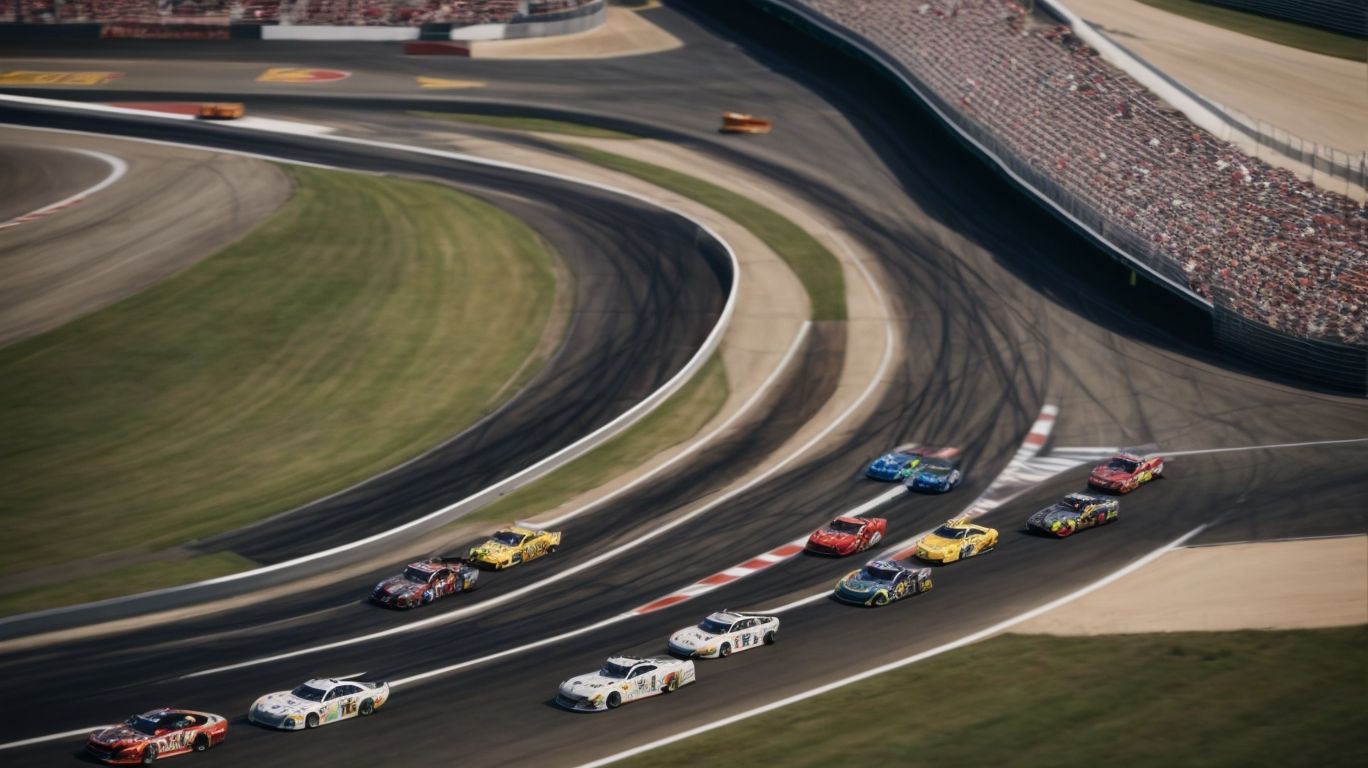
One of the defining characteristics of NASCAR races is the oval-shaped tracks made up of banked turns that test the drivers’ skills and courage at incredible speeds. The races are not just about speed; strategy, teamwork, and split-second decision-making play pivotal roles in determining the winner of each race. NASCAR events are known for their electrifying atmosphere, passionate fanbase, and the heart-stopping finishes that keep spectators on the edge of their seats.
What Are the Different Types of Nascar Tracks?
NASCAR tracks come in various forms, including speedways, road courses, and oval tracks, each presenting unique challenges for drivers and teams.
Speedways like Bristol Motor Speedway, Michigan International Speedway, and Charlotte Motor Speedway offer high-speed, adrenaline-pumping action with their long straightaways and steeply banked turns. Drivers at these tracks need precise handling and strategic drafting to maintain top speeds and make strategic passes.
Road courses, on the other hand, such as Sonoma Raceway and Watkins Glen International, introduce twists and turns, demanding exceptional braking and cornering skills. These tracks test drivers’ agility and ability to navigate diverse terrain within a single lap, adding another layer of complexity to the race.
The Most Dangerous Nascar Tracks
Some NASCAR tracks are known for their high risks and challenges, making them the most dangerous venues where accidents and incidents are not uncommon, testing the skills and courage of drivers.
What Makes a Nascar Track Dangerous?
Several factors contribute to the danger of a NASCAR track, including steep banking, sharp corners, high speeds, and challenging racing conditions that push drivers to their limits.
Steep banking, notably on superspeedways like Daytona and Talladega, adds a thrilling yet perilous element, propelling cars around at incredible speeds, exposing drivers to significant G-forces and testing their spatial awareness and reflexes.
Sharp corners, such as the infamous turn 3 at Darlington Raceway, demand precise maneuvering, an inch off trajectory could spell disaster; these high-risk areas intensify the pressure on drivers throughout the race.
The effects of high speeds are magnified on tracks like the Indianapolis Motor Speedway, where drivers hit top velocities, and the slightest miscalculation can lead to catastrophic collisions, illustrating the fine line between glory and peril in NASCAR.
The Track with the Most Wrecks
Among the NASCAR tracks, one stands out as the venue with the highest frequency of wrecks and crashes, earning a reputation for intense racing and frequent incidents that challenge even the most skilled drivers.
What is the Name of the Track?
The track with the most wrecks in NASCAR is known for its intense racing action and high incident rate, attracting both fans and critics due to its challenging nature.
One of the most prominent features that sets this track apart is its unique layout, featuring tight turns and narrow straights that push drivers to their limits. Over the years, Driver A and Driver B have had memorable battles on this infamous circuit, adding to its legendary status. Along with its challenging design, the track’s unpredictable weather conditions often add another layer of complexity, testing the skills of even the most seasoned drivers. Despite the safety improvements made in recent years, the track continues to be a thrilling and dangerous venue for competitors.”
How Many Wrecks Have Occurred at This Track?
The track has witnessed numerous wrecks and crashes over the years, with incidents varying in severity and impact on driver safety and race outcomes.
Historical data reveals that the track’s challenging layout and unpredictable weather conditions contribute significantly to the frequency of wrecks. Statistics show that on average, there are X wrecks per race weekend, making it a high-risk venue for drivers. The intense nature of the track, with tight corners and elevation changes, adds to the difficulty level, leading to an increased likelihood of incidents. Despite ongoing improvements in safety measures, the track continues to test the skills and nerves of even the most experienced drivers.
What Are Some Notable Wrecks at This Track?
Some of the most memorable wrecks in NASCAR history have taken place at this track, showcasing the intense competition and risks associated with racing at this challenging venue.
One such incident that left fans and racers stunned occurred during the final lap of the Xfinity Series race last season. The high-speed collision between two veteran drivers resulted in a dramatic finish, with both cars engulfed in flames. The impact of this crash reverberated throughout the racing community, leading to a thorough reevaluation of safety protocols and track conditions.
Factors that Contribute to Wrecks at This Track
Multiple factors converge to create a hazardous environment at this particular NASCAR track, leading to a higher incidence of wrecks and incidents that challenge even the most experienced drivers.
Track Design and Layout
The track’s design and layout play a crucial role in the frequency of wrecks, with sharp corners, banking angles, and D-shaped ovals presenting unique challenges for drivers.
Sharp corners demand precise braking points and skillful acceleration to navigate without losing speed or control. The banking angles, varying from track to track, influence how fast drivers can take turns without sliding. For oval circuits, the continuous turning can strain tires and lead to high-speed collisions due to close proximity racing. Driver strategies must adapt to each track’s nuances, deciding when to push the limits or exercise caution to avoid mishaps. By understanding the track’s characteristics, racers can anticipate challenges and optimize their performance accordingly.
Track Surface and Conditions
The track surface and prevailing conditions significantly impact the likelihood of wrecks, with variables such as grip levels, weather effects, and track temperature affecting driver control and race outcomes.
When the track surface lacks sufficient grip levels, drivers find it challenging to maintain control over their vehicles, leading to potential slides, spins, and collisions. Environmental factors such as rain can further decrease the grip, turning the track into a slippery surface, heightening the risk of accidents. In contrast, a well-maintained track with optimal grip provides drivers with more stability and confidence in their maneuvers, contributing to smoother race experiences and reduced incident rates. Track temperature plays a crucial role as well, as extreme heat or cold can alter tire performance, impacting traction and braking capabilities on the racetrack.
Driver Experience and Skill
The experience and skill level of the drivers navigating the track play a pivotal role in reducing wrecks and incidents, with seasoned competitors leveraging their expertise to navigate challenges effectively.
Driver experience greatly influences their ability to anticipate track conditions and adjust their racing strategies accordingly. The number of laps completed by a driver not only showcases their familiarity with the track layout but also indicates their endurance and adaptability during the race. Driver proficiency in handling different racing situations, such as overtaking maneuvers and cornering techniques, directly impacts both safety measures and overall performance on challenging tracks.
Safety Measures Taken at This Track
To address the inherent risks and challenges of this track, stringent safety measures have been implemented to enhance driver protection and minimize the impact of incidents on races.
Changes to the Track Design
In response to past incidents and safety concerns, significant changes have been made to the track’s design and layout, aiming to reduce the frequency of accidents and enhance driver protection.
One of the key modifications undertaken is the integration of advanced sensor technologies along the track to monitor speed, detect potential dangers, and alert drivers in real-time. Strategic barriers and impact-absorbing materials have been installed at critical turns and straightaways to mitigate the impact of collisions and protect both drivers and spectators.
The safety features have also been upgraded with reinforced guardrails, anti-glare lighting systems, and enhanced runoff areas equipped with state-of-the-art crash barriers to minimize the consequences of off-track incidents.
Safety Equipment and Protocols
Advanced safety equipment and stringent protocols are in place to protect drivers in the event of accidents, ensuring rapid response and effective mitigation of risks during races.
Helmet designs have evolved significantly, incorporating features such as impact-absorbing materials and aerodynamic enhancements to enhance head protection without compromising visibility or comfort.
Advancements in fire-resistant suits and gloves allow drivers to maintain focus and control under extreme conditions. The track itself is equipped with safety barriers, runoff zones, and electronic warning systems to alert drivers of potential hazards ahead, further minimizing the likelihood of accidents.
Regular training sessions and simulations ensure that drivers are well-prepared for any emergency scenario, enabling them to respond swiftly and effectively.
Impact on Driver Performance
The focus on safety measures not only enhances driver protection but also influences driver performance, as improved safety can alleviate concerns and enable drivers to focus on racing without compromising safety.
Striking a balance between safety considerations and performance optimization is crucial in the world of motorsports. By implementing advanced safety enhancements like crash structures and impact-absorbing materials, racers can push their limits without compromising their safety. These improvements not only reduce the risk of severe injuries in case of accidents but also build a sense of confidence among drivers, allowing them to tackle challenging tracks with a clear mindset.
Frequently Asked Questions
What is the track with the most wrecks in Nascar?
The track with the most wrecks in Nascar is the Talladega Superspeedway.
How many wrecks have occurred at Talladega Superspeedway?
As of 2021, there have been over 460 wrecks at Talladega Superspeedway.
Why is Talladega Superspeedway known for its high number of wrecks?
Talladega Superspeedway is known for its high number of wrecks due to its unique 2.66-mile tri-oval shape, high speeds, and restrictor plate racing.
Which Nascar track has the most wrecks in a single race?
The 1986 Talladega 500 holds the record for the most wrecks in a single race at Talladega Superspeedway, with a total of 68 caution laps.
What is the most infamous wreck at Talladega Superspeedway?
The “Big One” in 2009, which involved 20 cars and led to Carl Edwards’ car flying into the catch fence, is considered the most infamous wreck at Talladega Superspeedway.
Are there any safety measures in place to prevent wrecks at Talladega Superspeedway?
Yes, Talladega Superspeedway has implemented restrictor plates, SAFER barriers, and other safety measures to help reduce the frequency and severity of wrecks on the track.