What Are Next Gen Cars in Nascar?
Nascar is gearing up for a major revolution with the introduction of Next Gen cars. These cutting-edge vehicles are set to transform the racing experience with a host of innovative features. From single lug nut wheels to a carbon fiber body, these cars are a game-changer in the world of motorsports. Fans and drivers alike are buzzing with excitement about the potential impact of Next Gen cars on the future of Nascar.
So, what exactly are Next Gen cars, and how will they shake up the racing scene? Let’s find out.
Key Takeaways:
What are Next Gen Cars?
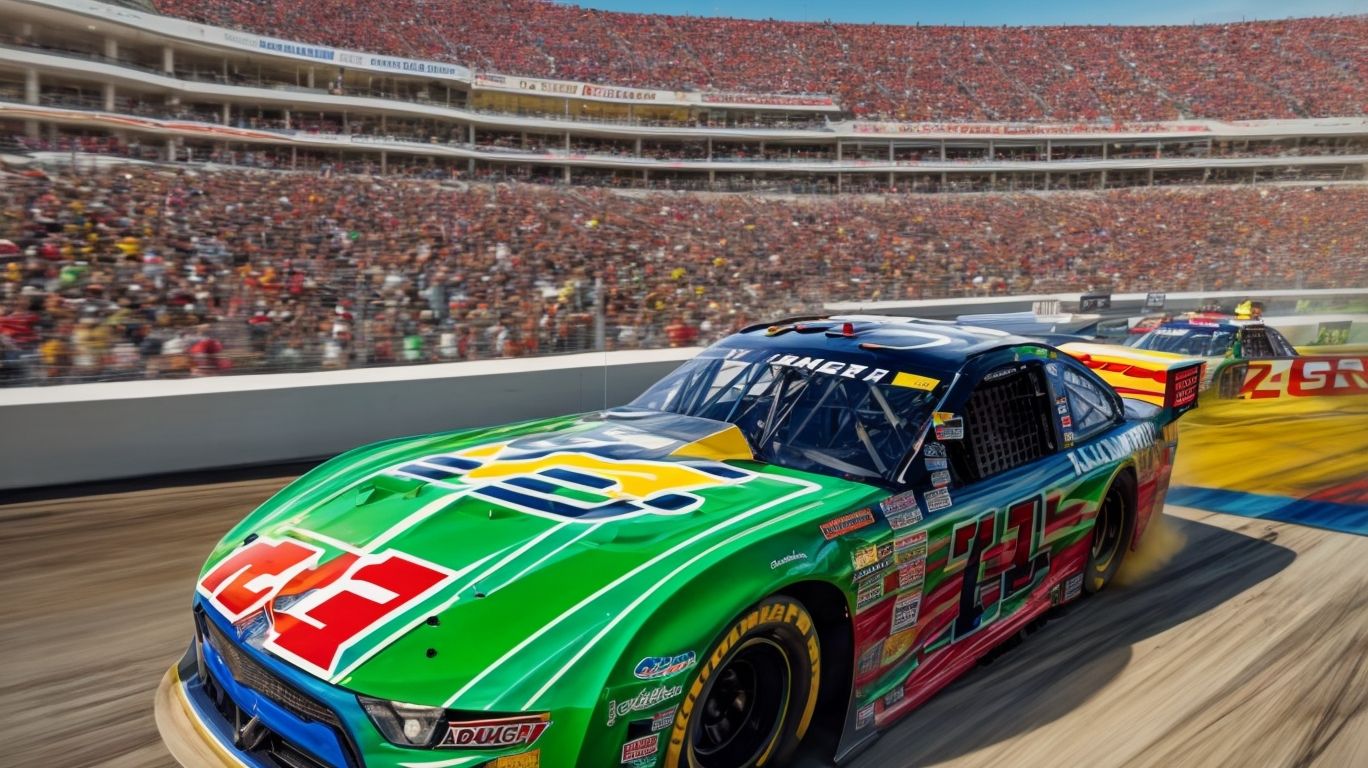
Next Gen Cars in NASCAR refer to the latest generation of vehicles designed for the Cup Series races, setting new standards in safety, design, and performance.
These cutting-edge vehicles have been developed by renowned manufacturers to not only enhance racing excitement but also elevate the safety standards for drivers. Incorporating state-of-the-art technology, Next Gen Cars boast advanced chassis configurations that optimize performance on the track. The innovative design elements in these cars not only add to their aesthetic appeal but also contribute significantly to improved aerodynamics, making for more competitive and thrilling races that push the boundaries of automotive engineering.
What Makes Next Gen Cars Different from Current Nascar Cars?
The key differentiators between Next Gen Cars and current NASCAR vehicles lie in their advanced safety features, cutting-edge design elements, and enhanced aerodynamics, setting a new benchmark for performance in the Cup Series races.
Next Gen Cars utilize state-of-the-art safety technologies such as enhanced driver protection systems, impact-absorbing materials, and reinforced chassis structures, prioritizing driver safety during high-speed races. These cars also boast innovative design components, including adjustable aerodynamic features and sleek bodywork that improve handling and overall performance on the track.
The enhanced aerodynamics of Next Gen Cars not only provide better downforce and stability but also reduce drag, enhancing speed and maneuverability in NASCAR races. These advancements represent a significant shift towards a more competitive and technologically advanced era in NASCAR racing.
Why is Nascar Introducing Next Gen Cars?
NASCAR is introducing Next Gen Cars to revolutionize the Cup Series by advancing vehicle development, enhancing safety standards, improving design aesthetics, and optimizing aerodynamic performance for a more competitive racing environment.
In this critical shift, NASCAR aims to collaborate closely with manufacturers to develop groundbreaking technologies that not only improve the performance of the vehicles but also enhance safety features to protect drivers during high-speed races.
By prioritizing safety enhancements, the Next Gen Cars are being meticulously designed to mitigate the risks associated with crashes and collisions, setting new benchmarks for driver protection in the world of motorsports.
The focus on optimizing aerodynamics not only improves the cars’ overall performance but also contributes to the strategic evolution of race strategies, offering fans thrilling and action-packed competitions with closer on-track battles and more overtaking opportunities.
What Changes Can We Expect to See in Next Gen Cars?
Next Gen Cars are poised to introduce a range of changes, including revamped styling, upgraded body materials, enhanced wheel and tire configurations, and improved brake systems across manufacturers such as Chevrolet, Ford, and Toyota.
The redesigned styling elements are set to focus on sleek aerodynamic profiles, futuristic LED lighting designs, and more aggressive front fascias to enhance both visual appeal and performance.
Upgraded body materials, including advanced composites and alloys, promise greater durability, improved weight distribution, and increased safety standards across the vehicles’ structures.
Manufacturers are exploring innovative wheel and tire setups like larger rims for improved handling, low-profile tires for better traction, and adaptive systems that adjust to road conditions dynamically.
These changes aim to elevate driving experiences to new heights while optimizing fuel efficiency and overall performance.
Single Lug Nut Wheels
One significant change in Next Gen Cars is the adoption of single lug nut wheels, a departure from the traditional multi-lug configuration, across manufacturers like Chevrolet, Ford, and Toyota for improved efficiency and performance.
These single lug nut wheels offer a quicker pit stop process, reducing the time spent in the pit lane during races. This change not only streamlines the tire changing process but also enhances the overall efficiency of the pit crew and enhances the strategy aspect of NASCAR racing. This revolution in wheel technology aligns with the advancements in the Cup Series, where speed and performance are paramount. Manufacturers like Chevrolet, Ford, and Toyota are embracing this innovation, leveraging it to optimize brake cooling and tire grip, ultimately pushing the limits of technology in NASCAR.
Independent Rear Suspension
The inclusion of independent rear suspension in Next Gen Cars for the Cup Series marks a significant departure from traditional setups, offering improved handling and control, a change embraced by manufacturers like Chevrolet, Ford, and Toyota.
Independent rear suspension brings a host of benefits to the world of racing. By allowing each wheel to move independently, it enhances traction, stability, and overall performance on the track. This technology enables more precise cornering, reduces body roll, and enhances responsiveness, giving drivers greater confidence and control behind the wheel.
Chevrolet, Ford, and Toyota have been at the forefront of this development, integrating independent rear suspension into their Next Gen Cars to elevate their competitive edge in the racing arena. The implementation of this advanced suspension system underscores a shift towards optimizing vehicle dynamics and improving driver experience in high-performance racing vehicles.
Carbon Fiber Body
Next Gen Cars are featuring a cutting-edge carbon fiber body construction, replacing traditional materials, such as steel or aluminum, to enhance performance and durability, a transformation embraced by manufacturers like Chevrolet, Ford, and Toyota for the Cup Series.
This shift to carbon fiber in automobile construction offers numerous advantages over steel or aluminum. Carbon fiber is incredibly lightweight, yet it boasts exceptional strength properties, providing a higher power-to-weight ratio. This material also enhances aerodynamics, improving fuel efficiency and overall performance on the track. Carbon fiber is corrosion-resistant, offering superior durability compared to traditional materials. Manufacturers like Chevrolet, Ford, and Toyota are at the forefront of this innovation, integrating carbon fiber technology into their design processes to push the boundaries of automotive engineering.
Sequential Gearbox
Next Gen Cars are set to incorporate a sequential gearbox transmission system, a technological advancement that promises smoother gear shifts, improved performance, and enhanced driving dynamics, a feature embraced by manufacturers like Chevrolet, Ford, and Toyota for the Cup Series.
The implementation of a sequential gearbox in these modern vehicles signifies a significant leap in automotive technology and development. This advanced transmission setup enables drivers to shift gears in a sequential order, enhancing precision and speed in gear engagement. The sequential gearbox contributes to better overall performance by reducing shift times and providing consistent power delivery.
Chevrolet, Ford, and Toyota have been at the forefront of integrating this cutting-edge technology into their racing cars, aiming to gain a competitive edge in the industry. The utilization of a sequential gearbox is not only limited to performance vehicles but also trickling down to mainstream models to elevate the driving experience for consumers.
New Safety Features
The introduction of new safety features in Next Gen Cars for the Cup Series aims to enhance driver protection, mitigate risks, and improve overall vehicle safety standards, a development championed by manufacturers like Chevrolet, Ford, and Toyota.
One of the key changes driving the evolution of these safety features is the incorporation of advanced technologies such as automatic emergency braking, blind-spot monitoring, and lane-keeping assist systems. These innovations are designed to provide drivers with real-time assistance in avoiding accidents and improving situational awareness. The design aspects of the Next Gen Cars have also been optimized to withstand high-impact collisions while prioritizing occupant safety.
Manufacturers are engaged in a continuous race to enhance safety standards, pushing boundaries to introduce revolutionary features like night vision assistance, driver fatigue monitoring, and adaptive cruise control. This competitive spirit among automakers not only benefits professional drivers in racing scenarios but also trickles down to consumer vehicles, elevating overall safety benchmarks across the industry.
How Will Next Gen Cars Affect Racing Performance?
The introduction of Next Gen Cars is expected to significantly impact racing performance in the Cup Series through enhanced aerodynamics, upgraded components, improved suspension systems, advanced transmission technology, and increased engine horsepower.
These technological advancements are set to revolutionize the way cars perform on the racetrack. The refined aerodynamics will lead to better downforce and reduced drag, enhancing overall speed and cornering capabilities. Upgraded components such as lightweight materials and precision engineering will contribute to improved reliability and efficiency during races.
The suspension enhancements will provide better handling and stability, allowing drivers to push their vehicles to the limit with greater confidence. The integration of advanced transmission technology will result in seamless gear shifts, optimizing acceleration and overall performance on the track.
Improved Aerodynamics
Next Gen Cars are poised to deliver improved aerodynamics in the Cup Series races, with redesigned spoilers and body configurations that optimize airflow and enhance performance, changes embraced by manufacturers like Chevrolet, Ford, and Toyota.
These advancements in aerodynamics have been a game-changer, especially with the finer tuning of the spoilers that play a crucial role in reducing drag and increasing downforce. The body enhancements aren’t just cosmetic; they are strategically designed to improve the overall efficiency of the car by minimizing air resistance. The incorporation of cutting-edge technology in airflow optimizations has allowed manufacturers to fine-tune every aspect of the car’s performance, squeezing out every bit of potential speed and stability on the racetrack.
More Competitive Racing
The introduction of Next Gen Cars is anticipated to elevate competitive racing in the Cup Series with increased horsepower, enhanced vehicle dynamics, and improved handling characteristics, developments spearheaded by manufacturers like Chevrolet, Ford, and Toyota.
These advancements represent a significant step forward in the evolution of racing technology. With the focus on horsepower upgrades, drivers can expect cars to deliver faster acceleration and higher top speeds, intensifying the thrill of competition on the track. The improvements in vehicle dynamics will translate to better aerodynamics, allowing for more sophisticated maneuvers and enhanced overall performance.
Manufacturers such as Chevrolet, Ford, and Toyota are at the forefront of these innovations, leveraging their expertise in automotive engineering to shape the future of racing. By refining key components and integrating cutting-edge technology, these companies are pushing the boundaries of what is possible in competitive racing.
Faster Lap Times
Next Gen Cars are expected to deliver faster lap times in the Cup Series through optimized engine performance, innovative testing procedures, and advanced technologies, improvements championed by manufacturers like Chevrolet, Ford, and Toyota.
The optimization of engines in these Next Gen Cars has been a significant focus area for teams, striving to maximize power output while maintaining efficiency and durability. The stringent testing protocols implemented during their development phases have allowed for more precise adjustments to components, leading to enhanced performance on the track. With the incorporation of cutting-edge technologies, such as advanced aerodynamics and data analytics, these cars are poised to revolutionize the racing experience by delivering faster speeds and improved handling capabilities.
When Will Next Gen Cars Debut in Nascar?
The debut of Next Gen Cars in NASCAR is scheduled to take place after extensive testing and development phases, with Chevrolet, Ford, and Toyota at the forefront of preparing these advanced vehicles for the Cup Series races.
The timeline for the introduction of these Next Gen Cars involves a meticulous process that starts long before they hit the race track. Manufacturers like Chevrolet, Ford, and Toyota invest significant resources in testing and refining these vehicles to ensure optimal performance. From wind tunnel testing to track simulations, every aspect of the car undergoes rigorous scrutiny to meet the high standards set by NASCAR.
These manufacturers play a crucial role in not just building the cars but also in fine-tuning them for the unique demands of each NASCAR race. The development phase is a collaborative effort between engineers, designers, and drivers, all working towards the common goal of producing competitive and cutting-edge vehicles. The debut of the Next Gen Cars marks a significant milestone in the evolution of NASCAR, promising fans an enhanced racing experience with more exciting and competitive races on the horizon.
How Will Next Gen Cars Impact the Future of Nascar?
The introduction of Next Gen Cars is poised to reshape the future of NASCAR by setting new benchmarks in vehicle performance, enhancing the excitement of races, and driving innovation among manufacturers like Chevrolet, Ford, and Toyota in the Cup Series.
The technological advancements in these Next Gen Cars have revolutionized the way teams approach race strategies and vehicle setups, leading to a more competitive and thrilling environment on the tracks. With enhanced aerodynamics, better handling, and improved safety features, these cars are pushing the boundaries of what is possible in NASCAR racing. Drivers are navigating turns with unprecedented precision, making split-second decisions that can determine the outcome of a race. The development of these cutting-edge vehicles underscores a shift towards sustainable racing practices and the integration of eco-friendly technologies into the sport.
What Do Fans and Drivers Think of Next Gen Cars?
The opinions of fans and drivers regarding Next Gen Cars in NASCAR vary, with some expressing excitement over the potential improvements in racing experience, while others raise concerns about the adaptation challenges and competitive landscape changes, perspectives echoed across manufacturers like Chevrolet, Ford, and Toyota.
Fans eagerly anticipate the upgraded technology that Next Gen Cars promise, envisioning faster speeds and closer races on the track. On the other hand, drivers are deliberating how the adjustments to vehicle dynamics may affect their racing strategies and performances. The transition to Next Gen Cars has sparked debates within the NASCAR community, with diverse opinions shaping the anticipation for the forthcoming races in the Cup Series. While Chevrolet loyalists are optimistic about the innovation, Ford enthusiasts are cautiously optimistic, and Toyota supporters are curious to see how their favorite manufacturer will adapt to the new race car paradigm.
Frequently Asked Questions
What Are Next Gen Cars in Nascar?
Next Gen Cars in Nascar refer to the new generation of race cars that will be used in the Nascar Cup Series starting in the 2022 season. These cars are designed to enhance competition, reduce costs, and improve fan experience.
What changes can we expect with Next Gen Cars in Nascar?
The Next Gen Cars in Nascar will have a completely new look and feel. The cars will have a lower greenhouse area, larger wheels, and a wider stance. The engines will also be more powerful and the cars will feature a sequential gearbox. Overall, the cars will be more unique and visually appealing.
How will Next Gen Cars in Nascar improve competition?
The Next Gen Cars in Nascar will have a single center-locking lug nut instead of the traditional five lug nuts, which will make pit stops faster and more competitive. The cars will also have a new independent rear suspension that will improve handling and allow for closer racing. Additionally, the cars will have a symmetrical body shape, reducing the effects of aerodynamics and making it harder for one car to dominate the race.
Will Next Gen Cars in Nascar be more cost-effective?
One of the main goals of the Next Gen Cars in Nascar is to reduce costs for teams. The cars will feature common parts, such as the chassis and body, which will be manufactured and supplied by a single vendor. This will not only lower costs for teams, but also level the playing field and promote fair competition.
How will Next Gen Cars in Nascar improve safety?
The Next Gen Cars in Nascar will have several safety enhancements, including a redesigned roll cage, larger and stronger doors, and an updated seat design. The cars will also have a taller windshield and a reinforced roof flap to prevent cars from going airborne during crashes. Overall, these changes aim to make Nascar racing safer for drivers and fans.
What are fans saying about Next Gen Cars in Nascar?
Fans are eagerly anticipating the debut of Next Gen Cars in Nascar. Many are excited about the new look and improved performance of the cars, while others are happy about the cost-saving measures and safety improvements. The Nascar organization is working closely with fans to gather feedback and ensure that the Next Gen Cars meet their expectations.