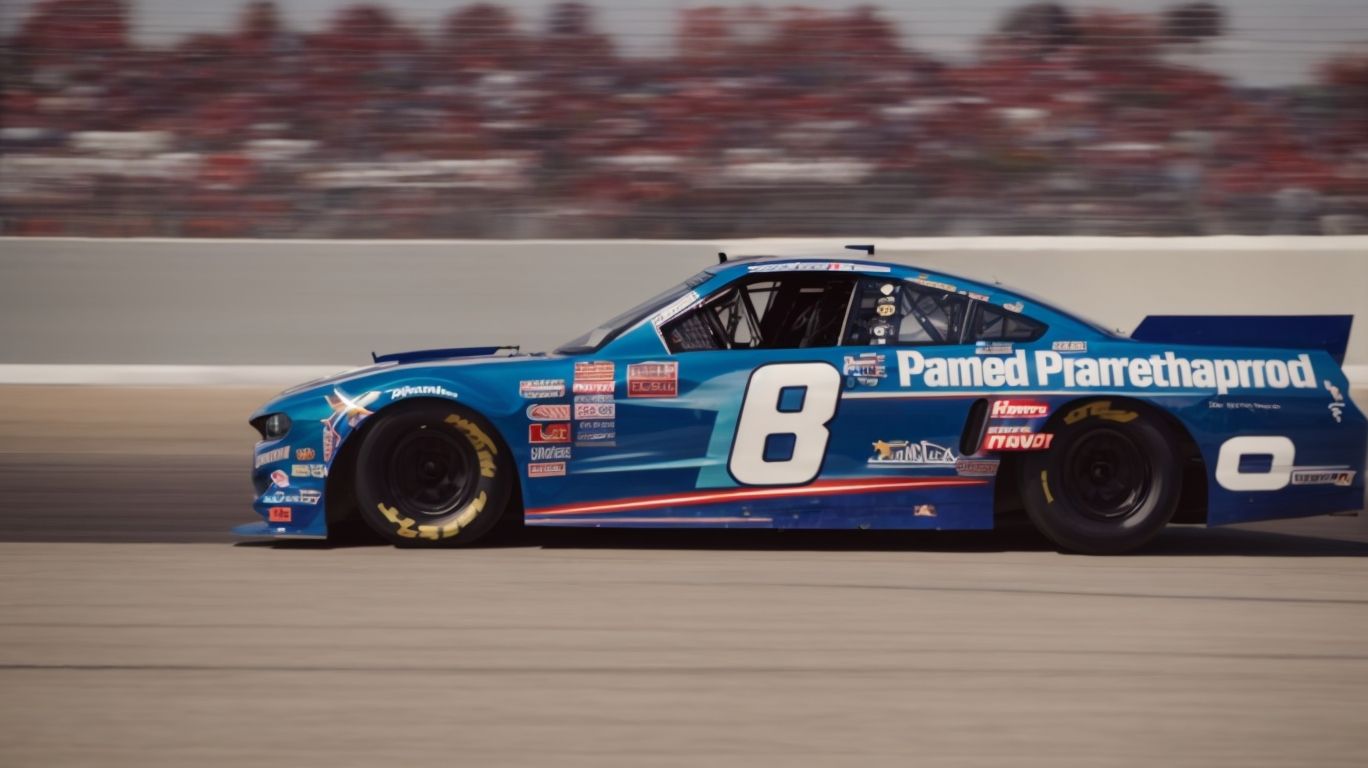
Why Doesn’t Nascar Do Qualifying?
NASCAR fans are familiar with the thrill of qualifying rounds, where drivers compete for the top spot on the starting grid. Recently, NASCAR has chosen to eliminate traditional qualifying sessions for some races. Several reasons, including changes in the qualifying format, safety concerns, cost reduction, and improved fan engagement, have led to this decision. This article will examine the alternatives to qualifying in NASCAR, the advantages and disadvantages of not having qualifying, and fan opinions on this absence. Plans for qualifying in the future will also be discussed.
Key Takeaways:
What Is Nascar?
NASCAR, or the National Association for Stock Car Auto Racing, is a premier American auto racing sanctioning and operating company that organizes multiple racing series throughout the season, featuring skilled drivers competing on various tracks under the supervision of race officials.
NASCAR has a rich history dating back to its establishment in 1948; it has grown from its humble beginnings to become a significant entity in the motorsport world. The series has evolved over the years, showcasing not only speed but also strategy and skill.
The diversity of tracks utilized in NASCAR races adds a unique challenge for drivers, ranging from short tracks to road courses and superspeedways, each demanding different skill sets. The drivers themselves are at the heart of the sport, demonstrating exceptional talent, courage, and passion for racing.
What Is Qualifying In Nascar?
Qualifying in NASCAR refers to the process through which drivers set their starting positions for a race by completing timed laps either individually in a single-car format or collectively in a group session after practicing on the track.
Qualifying sessions play a crucial role in NASCAR as they determine the starting grid for the race, a factor that can greatly impact a driver’s chances of success.
In single-car runs, each driver takes to the track alone, aiming to clock the fastest time possible. On the other hand, group sessions, like knockout qualifying, involve multiple cars on track simultaneously, adding an element of competition and strategy.
Practice sessions are vital as they allow drivers to familiarize themselves with the track and make necessary adjustments to their cars for optimal performance during the timed laps.
Why Doesn’t Nascar Do Qualifying?
The decision to suspend qualifying in NASCAR stemmed from concerns over the chaotic nature of group sessions, leading to a reevaluation of the format in 2019 and subsequent changes implemented in 2022 as a solution to streamline race weekend schedules.
During group sessions, multiple cars on the track simultaneously often resulted in traffic jams, compromising each driver’s ability to achieve their optimal time. This led to frustration among teams and fans alike, as the unpredictable nature of these sessions hindered accurate grid placements.
The 2019 adjustments aimed to address these issues by introducing a single-car qualifying format for oval tracks, providing each driver with a clear track to showcase their individual speed. Challenges persisted as the process proved time-consuming, affecting the overall event schedule.
Further modifications were made in 2022, combining single-car and group qualifying sessions strategically to balance efficiency and excitement. This hybrid approach has been well-received as it allows drivers to display their skills while maintaining the competitive element of head-to-head sessions.
Changes In Qualifying Format
The changes in NASCAR’s qualifying format aimed to enhance competition, optimize the aero package, and enforce rules that promote fair play and strategic racing decisions among drivers.
One significant modification was the introduction of a new knockout-style format, where drivers have limited time to set their fastest lap, adding an element of urgency and unpredictability to the sessions.
In addition, adjustments to the aero package, such as reducing downforce levels, were implemented to decrease the dependency on aerodynamics and place a greater emphasis on driver skill and car setup.
Stricter enforcement of rules, including penalties for infractions like blocking or excessive weaving, was crucial in ensuring that all drivers have an equal opportunity to showcase their abilities and compete on a level playing field.
Safety Concerns
Safety concerns related to the COVID-19 pandemic played a significant role in NASCAR’s decision to suspend qualifying, prioritizing the well-being of drivers, officials, and staff during uncertain times.
This move not only demonstrated NASCAR’s commitment to ensuring the safety of all individuals directly involved in the races but also underscored the organization’s responsibility towards the wider community. By eliminating qualifying events, NASCAR drastically reduced the number of people congregating at the tracks, thereby minimizing the risk of virus transmission. The decision to forgo qualifying was a proactive step in aligning with public health guidelines and best practices to prevent the spread of COVID-19 within the racing environment.
Cost Reduction
One of the advantages of eliminating qualifying in NASCAR was the reduction in costs associated with track usage, logistics, and team preparations, leading to potential savings for both the organizers and participating teams.
By skipping the qualifying sessions, NASCAR can reduce the expenses related to track rental fees, staffing costs, and setup time, offering a more streamlined approach to event management. The elimination of qualifying can lead to improved logistical efficiencies as teams have fewer days of on-site presence, optimizing resource allocation and minimizing overall operational expenses.
In terms of cost-saving benefits, the decision to forgo qualifying has a significant impact on the financial bottom line for teams, as they can reallocate budget towards other areas such as research and development, equipment upgrades, or talent acquisition. The focus shifts from time-intensive preparatory activities to more strategic engagements that can enhance performance on race days.
Fan Engagement
Strategies to enhance fan engagement in the absence of traditional qualifying events have been crucial for NASCAR, prompting innovative solutions such as virtual experiences, interactive content, and behind-the-scenes access to drivers and teams.
With the racing landscape evolving rapidly, NASCAR has recognized the significance of maintaining a strong connection with its fan base on various digital platforms. Fan interaction plays a vital role in driving the sport’s popularity and sustaining viewer interest throughout the season. By offering fans unique virtual experiences, interactive content, and exclusive behind-the-scenes insights, NASCAR has successfully bridged the gap between traditional racing events and the digital realm.
Initiatives like virtual races, driver Q&A sessions, and immersive behind-the-scenes documentaries have not only provided fans with new ways to engage but also offered them a glimpse into the inner workings of the sport they love. These creative solutions have not only catered to the current needs but have also paved the way for a more interactive and engaging future for NASCAR enthusiasts.
What Are The Alternatives To Qualifying In Nascar?
In the absence of traditional qualifying sessions, NASCAR has explored alternative methods to determine starting positions, including random draws, points-based systems, reliance on previous race results, and utilizing owner points as viable options.
Random draws bring an element of unpredictability, injecting excitement and uncertainty into the starting grid lineup. On the other hand, points-based systems reward consistency and performance over a season, reflecting a driver’s overall standing.
Depending on race results means those who perform well in the preceding event are rewarded with advantageous starting positions in the next race. Using owner points provides a nod to team performance and consistency while allowing for adjustments in starting grids based on team standings rather than individual driver prowess.
Random Draw
The random draw method in NASCAR provides an element of unpredictability and excitement, injecting a sense of competition and chance into the process of determining starting positions for drivers.
During a typical NASCAR race weekend, the random draw system is utilized to determine the starting grid for the upcoming race. This method ensures that every driver has an equal opportunity to begin from different positions, regardless of their previous performance or rankings.
By introducing this element of randomness, NASCAR adds a layer of suspense and excitement, as fans and competitors eagerly await the results of the draw to see how the starting positions will shape up. This system keeps the sport dynamic and prevents any predictability, keeping the races thrilling and unpredictable until the very last moment.
Points System
Utilizing a points system for qualifying purposes in NASCAR rewards consistency, performance, and strategic race decisions, aligning driver standings with their track achievements and overall competitiveness.
The points-based approach in NASCAR serves as a dynamic tool that not only reflects individual driver prowess but also underscores the importance of calculated risk-taking during races. By assigning points based on factors like finishing position, laps led, and stage wins, the system provides a comprehensive picture of a driver’s performance throughout the season.
This method not only enhances the competitive aspect of the sport but also incentivizes drivers to not just focus on winning races but on maximizing their point-scoring potential. Drivers must engage in a delicate balance of aggression and cautiousness to secure valuable points; understanding when to push for the lead and when to settle for a respectable finish is key to long-term success in the championship standings.
Previous Race Results
Relying on previous race results to set starting positions in NASCAR offers a retrospective perspective on driver performance, track familiarity, and season-long consistency, shaping the grid for upcoming races.
NASCAR’s method of incorporating past race outcomes in determining the starting positions not only honors the traditions of the sport but also adds an element of strategy and excitement to each race weekend.
By considering historical performance, officials create a balanced mix of rewarding success while also giving underperforming drivers a chance to improve their positions and showcase their skills.
Track experience plays a crucial role in shaping the line-up as drivers who have mastered specific circuits have an edge over their competitors, which sets the stage for fierce on-track battles and unexpected outcomes.
Owner Points
Owner points serve as a valuable metric for setting starting positions in NASCAR, reflecting team standings, historical performance, and competitive consistency across racing series, enriching the race grid with a team-oriented perspective.
By factoring in owner points, NASCAR’s qualifying process acknowledges the collective effort and success of a team rather than solely focusing on individual driver performance. Teams with a strong track record and significant historical achievements gain an advantage in securing favorable starting positions, as these points highlight not only recent performance but also the overall competitiveness and reliability of the team.
The use of owner points creates a dynamic element in race lineups, challenging teams to maintain consistency and excellence throughout the season to ensure favorable starting positions. This fosters a competitive environment that prioritizes team effort and strategic decision-making in addition to individual driver skills, ultimately enhancing the excitement and unpredictability of each race weekend.
What Are The Pros And Cons Of Not Having Qualifying In Nascar?
The absence of traditional qualifying in NASCAR presents both advantages and drawbacks, impacting competition dynamics, reducing logistical chaos, and reshaping race weekend experiences for teams and fans.
On the positive side, the removal of qualifying events has led to a more straightforward race format, allowing teams to focus more on race strategy and performance rather than jockeying for starting positions. This shift has simplified the weekend schedule, making it more efficient and predictable for organizers, teams, and fans alike.
The lack of qualifying could potentially diminish the excitement and anticipation surrounding determining the starting grid, which has traditionally been an integral part of the pre-race buildup for fans.
Pros
The removal of traditional qualifying in NASCAR has introduced benefits such as streamlined event schedules, reduced uncertainties, and innovative solutions to enhance fan experiences, contributing to a more efficient and engaging racing environment.
By eliminating traditional qualifying, NASCAR has successfully minimized the downtime between races, allowing for a more efficient use of time for both fans and participants. The revamped format has also created a sense of anticipation and excitement, as fans no longer have to wait through lengthy processes to see their favorite drivers in action.
Moreover, the innovative fan engagement strategies implemented have brought a new level of immersion and interaction, captivating audiences in ways that transcend traditional race viewing experiences.
Cons
The elimination of qualifying in NASCAR has raised concerns regarding the impact on driver strategies, fair play standards, and the adherence to competitive rules, prompting discussions on potential solutions to mitigate the drawbacks of the new approach.
One of the main drawbacks of NASCAR’s shift away from traditional qualifying is the loss of the strategic element that previous qualifying formats offered. Qualifying sessions used to provide teams with opportunities to strategize and showcase their skills in securing favorable starting positions, influencing race-day outcomes. By eliminating this aspect, the new approach may diminish the importance of strategic gameplay in determining race results.
What Do Fans Think About The Absence Of Qualifying In Nascar?
The absence of qualifying events in NASCAR has sparked varied reactions among fans, with discussions revolving around the impact on competition dynamics, fan engagement opportunities, and the overall race weekend experience.
Many fans feel that removing qualifying may affect the anticipation and excitement leading up to the main race, as it eliminates the buildup and competitiveness that the qualifying sessions bring. Some worry that without these sessions, drivers may not have enough chances to showcase their skills on the track before the main event.
On the other hand, a group of fans believes that skipping qualifying could streamline the weekend schedule, making it more convenient for viewers and potentially allowing for more practice or fan-focused activities. There are concerns that this change may diminish the thrill and strategic aspects of the race weekend, which are crucial elements that keep fans engaged and entertained.
What Are The Plans For Qualifying In The Future?
NASCAR’s vision for the future of qualifying involves innovative approaches to enhance competition, engage fans, and optimize the race weekend experience, with a focus on exploring new ideas, technologies, and strategies at various tracks.
Embracing a forward-thinking mindset, NASCAR is actively reshaping the landscape of qualifying, leveraging cutting-edge advancements to ensure an electrifying experience for both competitors and spectators alike. The commitment to innovation is palpable in the strategic decisions being made, where every adjustment is meticulously crafted to elevate the excitement and unpredictability of races. By infusing the qualifying process with fan-centric initiatives and track-specific enhancements, NASCAR is forging a path that not only respects the sport’s heritage but also paves the way for a dynamic future in which qualifying truly sets the stage for thrilling showdowns.
Frequently Asked Questions
Why Doesn’t Nascar Do Qualifying?
Nascar used to do qualifying, but why don’t they do it anymore?
Since 2020, no qualifying has been done for Nascar races. Why is that?
Was there a specific incident that caused Nascar to stop doing qualifying?
What was the reason behind Nascar’s decision to eliminate qualifying?
Are there any plans for Nascar to bring back qualifying in the future?
How does the lack of qualifying affect the starting lineup for Nascar races?