What is the Point of Nascar?
Nascar, short for the National Association for Stock Car Auto Racing, is a beloved American pastime that has captivated audiences for decades. From its humble beginnings to its current status as a powerhouse in the world of motorsports, Nascar has a rich history filled with major moments that have shaped the sport.
What sets Nascar apart from other racing events is the unique combination of speed, technology, strategy, and teamwork that define the sport. People flock to watch Nascar races for the thrill of high-speed racing, the vibrant fan culture, and the compelling personalities and rivalries.
Despite the dangers of high speeds, Nascar has implemented rigorous safety measures to protect its drivers. Beyond the excitement of the race, Nascar is also a thriving business, with sponsorships and advertising playing a crucial role in its success. Looking towards the future, Nascar faces challenges such as increasing diversity and inclusivity within the sport.
Join us as we explore the world of Nascar, from its history to its future, and everything in between.
Key Takeaways:
What Is NASCAR?
NASCAR, the National Association for Stock Car Auto Racing, is a premier motorsport series in the United States that features high-speed races involving skilled drivers piloting powerful cars on various tracks.
Founded in 1948, NASCAR has grown to become one of the most popular and lucrative forms of auto racing globally. The significance of NASCAR in the motorsport industry is unparalleled, with millions of fans tuning in to watch races and attend events, generating significant revenue for the sport. Talented drivers such as Jimmie Johnson, Richard Petty, and Jeff Gordon have left a lasting legacy in NASCAR history with their remarkable achievements on the track. The importance of tracks, ranging from short ovals to road courses, plays a crucial role in the diversity and excitement of NASCAR races.
History of NASCAR
The history of NASCAR traces back to the vision of Bill France Sr., who founded the organization in Daytona Beach, Florida, laying the foundation for what would become the prestigious NASCAR Cup Series.
Bill France Sr., a former driver and gas station owner, saw the potential in organizing and standardizing stock car racing. In 1947, he gathered fellow racing enthusiasts at the Ebony Bar on Daytona Beach to discuss the formation of a governing body for the sport. This meeting marked the birth of NASCAR, with the first official race held in 1948 in Daytona. The Daytona Beach course, famous for its hard-packed sand, became a symbol of NASCAR’s early years and its close ties to the Southern racing culture.
How Did NASCAR Begin?
NASCAR began with the vision of Bill France Sr., who sought to create a unified series for stock car racing, leading to the formation of NASCAR in Daytona Beach, Florida.
France Sr.’s key focus was to standardize rules and regulations, promoting fair competition among drivers from different regions. The initial objectives of NASCAR included establishing a structured championship system to crown a national champion accurately.
The challenges at the inception of NASCAR were immense; lack of infrastructure, limited resources, and gaining recognition posed significant hurdles. France Sr.’s perseverance and passion for racing enabled him to overcome these obstacles to lay a solid foundation for the sport.
The significance of Daytona Beach as the birthplace of NASCAR cannot be overstated. It served as a melting pot for racing enthusiasts, drivers, and fans, contributing to the rich history and culture of the sport.
Major Moments in NASCAR History
Throughout its history, NASCAR has witnessed significant milestones such as the rise of powerhouse teams like Hendrick Motorsports and Roush Fenway Keselowski Racing, shaping the sport’s competitive landscape.
One of the key moments in NASCAR’s history was the establishment of the Daytona 500 in 1959, a race that quickly became one of the sport’s most prestigious events. The high speeds, close competition, and thrilling finishes at the Daytona International Speedway in Florida have captivated fans for decades.
- Notable events at Daytona Beach also include the introduction of restrictor plates to enhance safety and the shift from beach racing to organized track competitions.
These milestones not only advanced the sport but also contributed to its popularity and appeal to a wider audience.
What Makes NASCAR Unique?
NASCAR stands out for its unique blend of high-speed racing, intricate strategies, and the dynamic interaction between skilled drivers, advanced cars, and challenging tracks across various circuits.
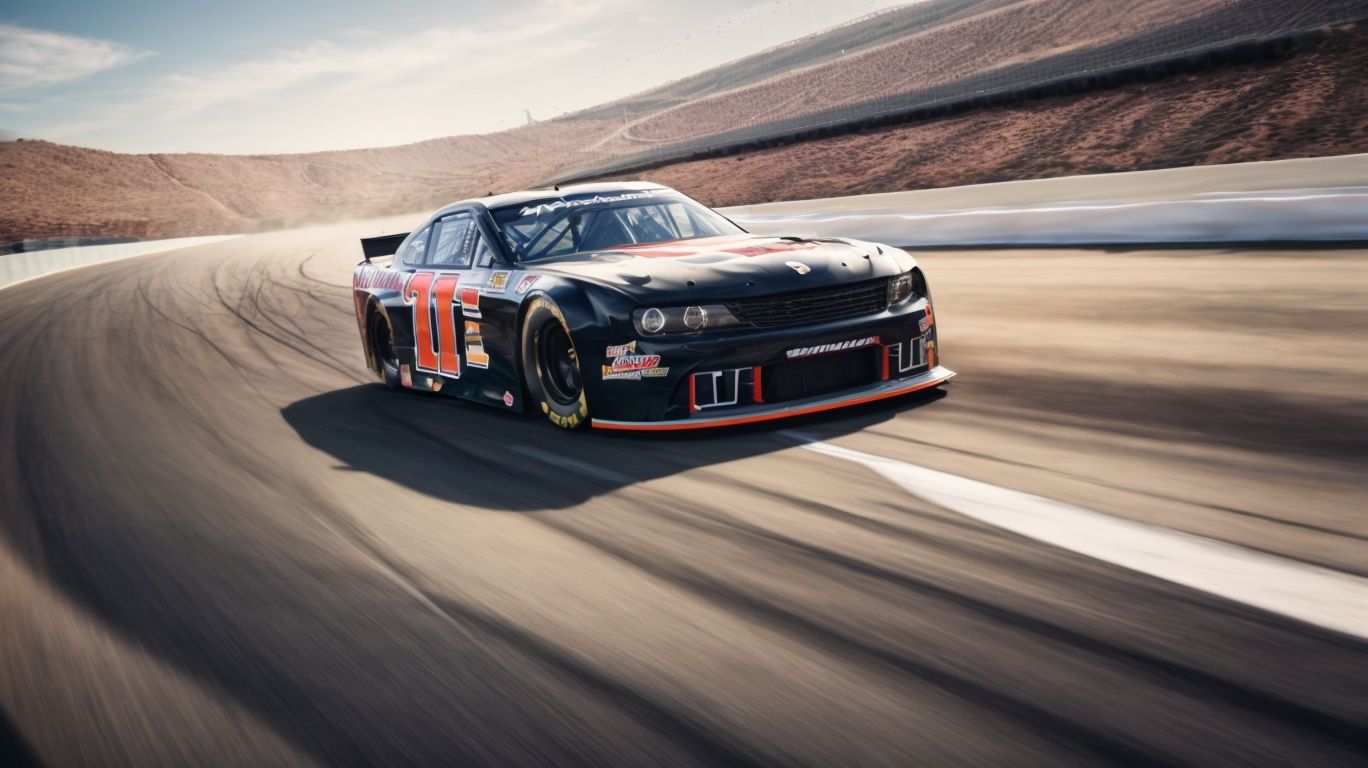
One of NASCAR’s defining features is the sheer velocity at which the cars hurtle around the track, sometimes exceeding 200 miles per hour. This breakneck speed not only tests the agility and reflexes of the drivers but also pushes the technical capabilities of the vehicles to the limit. Speed is not just a feature; it’s a fundamental essence of NASCAR, where split-second decisions can mean the difference between victory and defeat.
The Role of Speed and Technology
Speed and cutting-edge technology play pivotal roles in NASCAR, where high-performance cars navigate through intricate circuits, pushing the limits of both man and machine.
Speed is not just a thrill factor in NASCAR; it is a defining element determining victory or defeat. The technological advancements seen in car design have revolutionized the sport, enhancing both speed and safety. From aerodynamics to engine power, every aspect of a NASCAR vehicle is meticulously engineered for optimum performance on the track. These innovations have not only raised the level of competition but also challenged drivers to master the art of precision driving at breakneck speeds on diverse circuits around the globe.
The Importance of Strategy and Teamwork
NASCAR emphasizes the critical elements of strategy and teamwork, where drivers collaborate closely with their crew chiefs and pit crews to formulate winning strategies and navigate race challenges effectively.
In the high-stakes world of NASCAR racing, strategic planning plays a pivotal role in determining the outcome of each race. Crew chiefs, often considered the ‘coaches’ of the racing team, are tasked with analyzing data, making split-second decisions, and orchestrating the overall race strategy. They work hand in hand with the drivers, who provide crucial feedback on the car’s performance during the race.
- A successful race strategy involves a delicate balance between speed and pit stop optimization. Pit crews have a limited time frame to perform tire changes, refuel the car, and make any necessary adjustments, all while the clock is ticking.
- Coordination and communication are key to executing flawless pit stops. Each team member has a specific role to play, and any misstep can cost valuable time on the track.
Ultimately, it is the seamless integration of individual skills and collective teamwork that propels NASCAR teams to victory, showcasing the significance of collaboration and strategy in the fast-paced world of competitive racing.
Why Do People Watch NASCAR?
People are drawn to NASCAR for the exhilarating races, the vibrant fan culture, the captivating personalities of drivers like Dale Earnhardt Jr. and Jeff Gordon, and the intense rivalries that fuel the competitive spirit within the NASCAR community.
The excitement of NASCAR races doesn’t just stem from the speed and skill on the track. The drama unfolds as drivers navigate tight turns, jostle for position, and push their cars to the limit. Fans are on the edge of their seats, cheering for their favorites and anticipating every twist and turn.
The dedication of NASCAR’s fan base is undeniable, with generations passing down their love for the sport. Iconic drivers like Earnhardt Jr. and Gordon have left a lasting legacy, captivating audiences with their talent and charisma. The intense rivalries between drivers create a compelling narrative, turning each race into a battle for supremacy.
The Thrill of High-Speed Racing
The thrill of high-speed racing in NASCAR is unmatched, with drivers pushing the limits on fast tracks, navigating sharp turns, completing challenging laps, and aiming for victory under the waving checkered flag.
Each NASCAR track presents its unique challenges, from the high-banked ovals to the road courses with twists and turns that test a driver’s skill and courage.
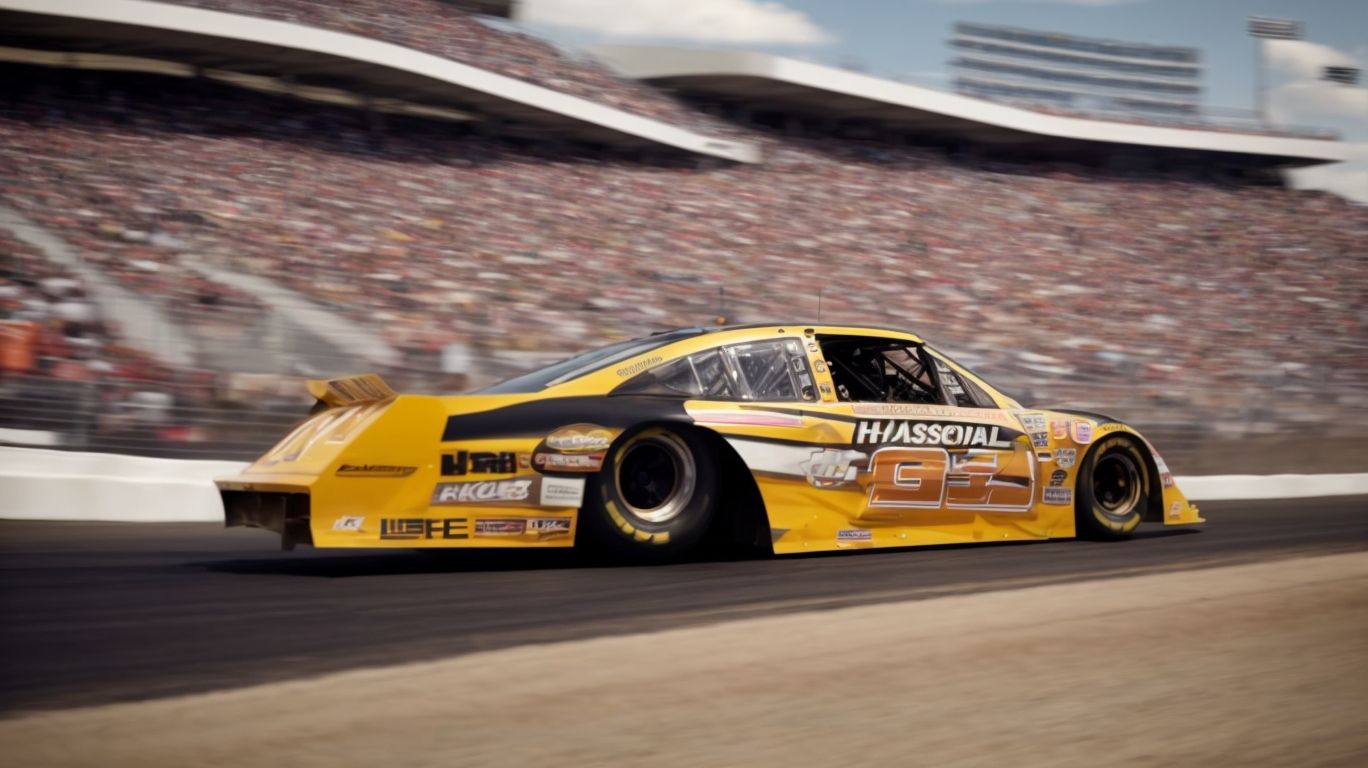
The speed dynamics in NASCAR races are intense, with cars reaching speeds of over 200 mph, creating heart-stopping moments as they zoom past spectators.
The strategic planning behind each lap is crucial as drivers strategize pit stops, tire management, and overtaking opponents to secure a lead position.
The ultimate goal remains the same for every driver – to cross the finish line ahead of the pack and claim the coveted victory.
The Fan Culture and Community
NASCAR boasts a vibrant fan culture and tight-knit community, with supporters rallying behind beloved drivers like Dale Earnhardt Jr. and Jimmie Johnson, fostering a sense of camaraderie and shared passion for the sport.
These NASCAR enthusiasts form a dedicated community that transcends mere fandom, with race days becoming lively gatherings where cheers, excitement, and camaraderie fill the air. Unity is a key pillar of this community, where fans, regardless of backgrounds, come together to celebrate the adrenaline-pumping races and the talented drivers behind the wheels. The influence of iconic figures like Dale Earnhardt Jr. and Jimmie Johnson reverberates through this close-knit fan base, inspiring new generations of supporters and enriching the sport’s legacy.
The Personalities and Rivalries
NASCAR is enriched by captivating personalities and intense rivalries between drivers such as Kurt Busch and Jeff Gordon, adding depth and drama to the sport as fans eagerly follow the competitive narratives.
The dynamic nature of NASCAR allows for an array of characters to shine on and off the racetracks. From the seasoned veterans with unmatched experience to the young, up-and-coming talents brimming with potential, each driver brings a unique flair to the sport.
With rivalries serving as the heart of NASCAR, the competition between drivers like Kurt Busch and Jeff Gordon ignites palpable energy and anticipation. Fans are drawn to the intense battles that unfold on the tracks, fueling their excitement for each race.
Is NASCAR Dangerous?
While NASCAR is inherently risky due to high speeds and close competition, the sport has implemented stringent safety measures and continually evolved safety protocols to mitigate risks and safeguard the well-being of drivers and personnel.
Throughout its history, NASCAR has faced tragic accidents, including the passing of drivers like Dale Earnhardt. These incidents served as wake-up calls, prompting the organization to prioritize safety like never before. Advanced technologies such as impact-absorbing barriers, improved car designs, and mandatory safety gear have been introduced to minimize injury risks.
Strict regulations govern vehicle construction, driver training, and track conditions, all aimed at creating a safer racing environment. NASCAR’s unwavering dedication to enhancing safety stands as a testament to its commitment to preserving lives on and off the track.
Safety Measures in NASCAR
NASCAR prioritizes safety through rigorous regulations, dedicated officials overseeing races, advanced safety equipment in cars, and comprehensive training programs for drivers and pit crew members.
One of the key safety initiatives in NASCAR is the strict implementation of regulatory measures aimed at ensuring the well-being of all participants. These regulations cover various aspects, including car specifications, track conditions, and emergency procedures. Highly trained officials play a crucial role in monitoring races and enforcing safety compliance. They are equipped with the knowledge and authority to make quick decisions in case of any safety hazards.
NASCAR also invests heavily in advanced safety equipment that is integrated into the cars to protect drivers in the event of accidents. From reinforced roll cages to energy-absorbing materials, these innovations have revolutionized driver safety over the years.
The training protocols for personnel involved in races are meticulously designed to prepare them for any scenario they may face on the track. Drivers undergo rigorous training on handling high-speed situations and reacting to potential dangers, while pit crew members are trained in executing lightning-fast pit stops with safety as the top priority.
Major Accidents and Changes in Safety Protocols
Past major accidents in NASCAR have prompted significant changes in safety protocols, leading to the introduction of new regulations, enhanced safety measures, and increased vigilance from race officials to prevent future incidents.
One of the most notable incidents that greatly impacted NASCAR’s safety landscape was the tragic death of Dale Earnhardt Sr. in 2001 during the Daytona 500, which prompted a paradigm shift in safety initiatives within the sport. Following the fatal crash, NASCAR implemented the Safety Initiative, introducing mandatory head and neck restraints, better energy-absorbing barriers, improved car design, and stringent guidelines for driver protection.
These changes marked a significant turning point in prioritizing driver safety, with NASCAR continuously working towards creating a safer racing environment for all participants. The emphasis on enhancing safety measures has been instrumental in reducing the severity of injuries and preventing tragic accidents, highlighting the commitment of NASCAR to ensuring the well-being of its drivers and promoting a culture of safety within the sport.
The Business of NASCAR
The business landscape of NASCAR thrives on lucrative sponsorships, strategic advertising partnerships, the operational dynamics of racing teams, and the significant economic impact on local communities hosting races.
These sponsorships are essential for the survival and success of NASCAR teams, providing crucial financial support for the high costs associated with racing at the professional level. With sponsors often showcasing their brands on the cars, driver suits, and team merchandise, NASCAR races serve as a prime advertising platform to reach millions of viewers both at the track and through televised broadcasts.
The intricate business structures of racing teams involve managing budgets, securing sponsorships, and optimizing performance both on and off the track. Teams often rely on a mix of sponsor revenue, merchandise sales, and prize money to stay competitive in the fast-paced world of NASCAR.
Sponsorships and Advertising
NASCAR attracts substantial sponsorships and advertising investments, with brands aligning with the series and individual teams to leverage the sport’s broad reach and engage with diverse audiences on and off the racetrack.
These integrations are not just about branding; they involve strategic partnerships that enable sponsors to immerse themselves in the NASCAR world, enhancing fan experiences and creating lasting connections. Valuable collaborations between sponsors and teams go beyond logo placements, often leading to innovative marketing activations, exclusive access for fans, and shared values that resonate with the sport’s passionate supporters.
The Impact on Local Economies
NASCAR events have a profound impact on local economies, generating revenue, boosting tourism, creating employment opportunities, and fostering business development in regions hosting races, exemplified by entities like Richard Childress Racing.
When a NASCAR event rolls into town, it not only brings in thousands of fans eager to witness the thrill of high-speed races but also provides a significant economic boost to the local community. The influx of visitors leads to a surge in spending on accommodations, dining, shopping, and entertainment, injecting funds directly into the local businesses.
The ripple effect of this spending extends beyond the race weekend, with many businesses experiencing a sustained increase in revenue due to the exposure and influx of customers drawn in by the NASCAR events. This sustained economic activity contributes to the overall growth and prosperity of the region, showcasing the lasting benefits of hosting NASCAR races.
The Future of NASCAR
The future of NASCAR is shaped by ongoing efforts to address challenges, promote diversity, ensure inclusivity, and innovate across various aspects of the sport to secure its position as a leading motorsport entity.
In the upcoming years, NASCAR is poised to embrace technological advancements in areas such as vehicle design, safety features, and fan engagement to enhance the overall racing experience. The sport is working towards attracting a younger and more diverse audience by expanding its outreach through digital platforms, social media campaigns, and community events aimed at creating a more inclusive environment for fans and participants alike.
Challenges and Changes Ahead
NASCAR faces a series of challenges and potential changes ahead, including regulatory adjustments, track modifications, evolving fan preferences, and technological advancements that will shape the future landscape of the sport.
One of the key challenges NASCAR anticipates is navigating the ever-changing regulatory landscape. These regulations often play a vital role in defining racing rules, safety standards, and operational guidelines for teams and drivers. Adapting to these regulatory adjustments while ensuring the safety and fairness of the sport poses a significant hurdle for NASCAR.
The impact of track developments cannot be overlooked. Tracks serve as the battlegrounds for drivers, and any modifications to these venues can significantly alter the dynamics of races. From track resurfacing to layout changes, each alteration can have a profound impact on race strategies and outcomes.
As fan preferences continue to evolve, NASCAR must also stay attuned to the shifting demands of its audience. Whether it’s promoting fan engagement through interactive experiences or providing enhanced viewing options, meeting these evolving expectations is crucial for sustaining and growing the fan base.
Technological advancements are revolutionizing the landscape of NASCAR. From data analytics optimizing race performance to advancements in vehicle technology enhancing safety and speed, embracing these technological trends is essential for staying competitive in the fast-paced world of motorsport.
Efforts to Increase Diversity and Inclusivity
NASCAR is actively working to enhance diversity and inclusivity within the sport, striving to create a more equitable environment, embrace varied talent, and promote cultural representation, as exemplified by initiatives undertaken by Penske Racing.
One significant aspect of NASCAR’s diversity push is the Drive for Diversity program, which scouts and trains aspiring drivers from varied backgrounds, opening doors to talents that might have previously gone unnoticed.
This program is a testament to NASCAR’s commitment to providing equal opportunities and leveling the playing field for all participants in the sport.
Penske Racing, one of the sport’s most successful teams, has embraced this ethos, with a roster that includes individuals from diverse ethnicities, genders, and backgrounds, demonstrating that success in NASCAR knows no bounds when talent and dedication are the driving factors.
Frequently Asked Questions
What is the Point of Nascar?
The point of Nascar is to compete in high-speed races, showcasing the skills and abilities of drivers and their teams.
Why do people enjoy Nascar?
People enjoy Nascar for its fast-paced and thrilling races, as well as the strategic aspect of the sport. It also has a strong community and fan base.
What are the different types of Nascar races?
Nascar races include Sprint Cup Series, Xfinity Series, and Camping World Truck Series, each with its own unique rules and competition.
What is the role of a pit crew in Nascar?
A pit crew is responsible for making quick repairs and adjustments to the car during a race, as well as refueling and changing tires. They play a crucial role in a team’s success.
How does Nascar impact the automotive industry?
Nascar serves as a platform for testing and showcasing new car technologies, influencing the development of safer and more efficient vehicles.
Is Nascar a physically demanding sport?
Yes, Nascar requires a high level of physical endurance and strength from drivers, who must maintain focus and control at high speeds for extended periods of time.