What is the Nascar Race on?
Curious about the thrilling world of Nascar Racing?
Explore different types of races, rules and regulations, positions in Nascar Racing, roles of pit crews, safety measures, and types of cars used.
Learn how weather and track surface can affect races, and discover strategies and techniques used by drivers.
Dive into the fast-paced and exciting world of Nascar Racing!
Key Takeaways:
What is Nascar Racing?
NASCAR Racing is a popular motorsport series known for its high-speed races and competitive spirit.
Founded in 1948, NASCAR has grown to become one of the most-followed racing series globally. The majority of races take place on oval tracks, with drivers maneuvering their stock cars at incredible speeds, often exceeding 200 mph. Each season, the NASCAR races attract millions of spectators, whether at the tracks or watching remotely. The NASCAR Cup Series, NASCAR Xfinity Series, and NASCAR Camping World Truck Series are some of the prominent racing events under the NASCAR umbrella. The relentless energy, strategic driving, and fierce competition make NASCAR races a thrilling spectacle for racing enthusiasts.
When and Where Does Nascar Racing Take Place?
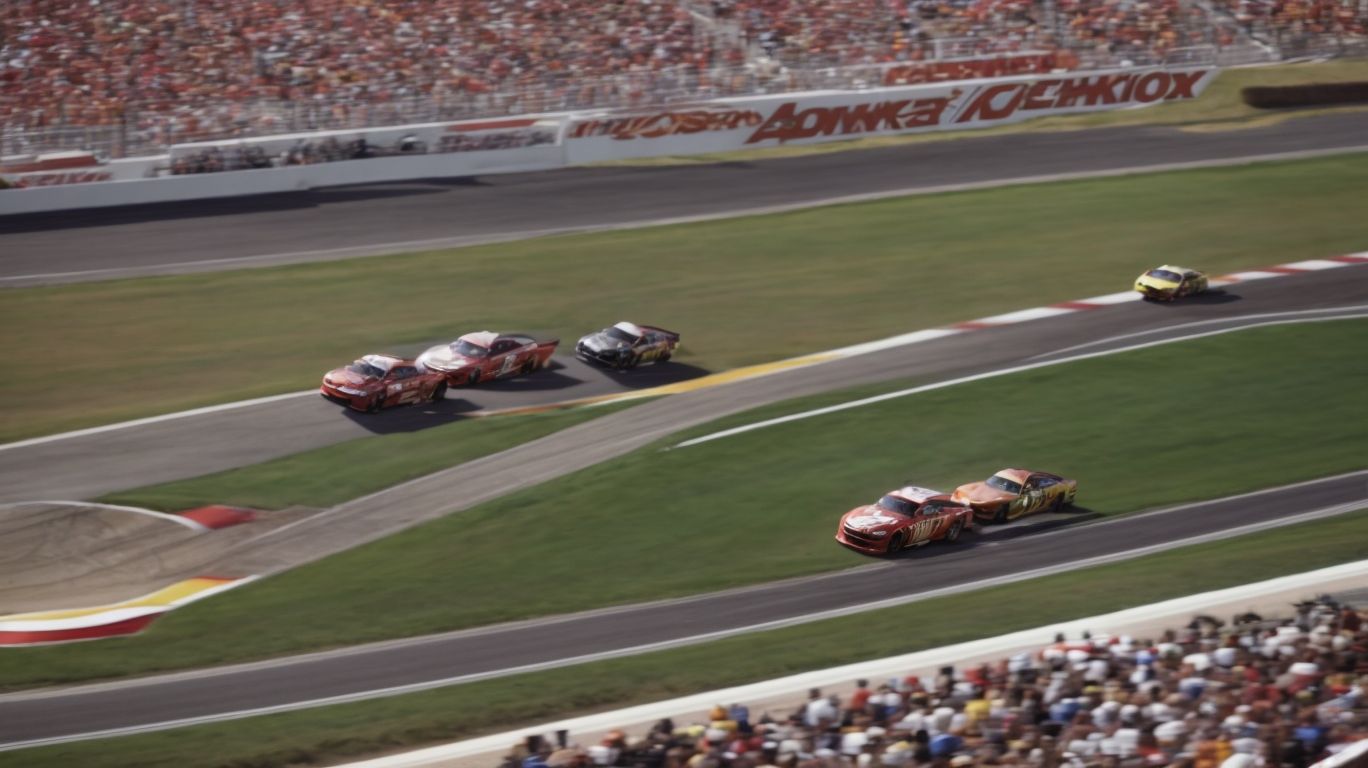
NASCAR Racing takes place at various iconic tracks throughout the year, including Phoenix Raceway and Las Vegas Motor Speedway.
These two venues play a significant role in the NASCAR schedule, attracting thousands of passionate fans eager to witness the adrenaline-pumping action on the tracks.
Phoenix Raceway, located in Avondale, Arizona, offers a unique blend of speed and technical challenges for drivers, while the Las Vegas Motor Speedway in Nevada provides a thrilling experience with its fast-paced races and dramatic finishes.
The NASCAR events at these locations not only showcase the incredible skills of the drivers but also create an electrifying atmosphere that keeps spectators on the edge of their seats.
What Are the Different Types of Nascar Races?
NASCAR offers a variety of race series, including the prestigious Cup Series and the thrilling NASCAR Xfinity Series.
The Cup Series, widely regarded as the pinnacle of NASCAR racing, features top drivers competing in intense races across iconic tracks like Daytona and Talladega, showcasing the highest level of skill and strategy.
On the other hand, the NASCAR Xfinity Series serves as a stepping stone for young talent looking to make a name for themselves in the sport, providing a platform for up-and-coming drivers to showcase their potential and compete against established veterans.
What Are the Rules and Regulations of Nascar Racing?
NASCAR Racing adheres to strict rules and regulations to ensure fair competition and safety for all drivers.
These rules cover various aspects of the sport, from technical specifications for the cars to conduct on the track. For example, cars must adhere to specific dimensions, weight limits, and engine restrictions to create a level playing field. Regulations dictate driver behavior, such as no intentional wrecking or blocking during races.
Enforcement of these rules is rigorous, with inspections before and after races to ensure compliance. Violations can result in penalties ranging from fines to suspensions, emphasizing the seriousness of maintaining a fair and safe racing environment.
How Are Drivers and Teams Scored in Nascar Racing?
In NASCAR Racing, drivers and teams earn points based on their performance in races, contributing to their overall standings.
The points system in NASCAR is crucial in determining the success of both drivers and teams throughout the season. For each race, drivers earn points based on their finishing position, with the winner securing the most points and subsequent positions receiving fewer points. Drivers can earn bonus points for leading laps and winning stages.
These points play a significant role in the championship battle, as they influence the overall standings of drivers and teams. The accumulation of points not only showcases a driver’s consistency and performance but also affects their chances of clinching the NASCAR championship at the end of the season.
What Are the Different Positions in Nascar Racing?
NASCAR Racing features various positions such as drivers, pit crews, and team managers, each playing a crucial role in race success.
Drivers are the face of the team, responsible for piloting the high-speed race cars, making split-second decisions, and maneuvering around the track to vie for victory.
Pit crews are the unsung heroes, executing lightning-fast tire changes, refueling, and repairs during crucial pit stops, ensuring the car stays competitive.
Team managers oversee the entire operation, coordinating strategies, managing resources, and making critical race-day decisions that can impact the team’s performance.
What Are the Responsibilities of a Pit Crew in Nascar Racing?
The pit crew in NASCAR Racing is responsible for executing lightning-fast pit stops, making critical adjustments to the car, and ensuring efficient refueling.
During a NASCAR race, the pit crew plays a vital role in maximizing the team’s performance on the track. They have to work seamlessly together to change tires, fine-tune the aerodynamics, and top up the fuel in a matter of seconds. This level of coordination requires each member to flawlessly execute their specific tasks under immense pressure. Mistakes in a pit stop can cost valuable time and positions, highlighting the need for the pit crew to be quick, precise, and synchronized in their every move.
What Are the Safety Measures in Nascar Racing?
NASCAR Racing prioritizes safety with stringent measures including driver equipment regulations, track inspections, and emergency response protocols.
Safety is paramount in NASCAR Racing, as every precaution is taken to safeguard the well-being of drivers, officials, and spectators alike. NASCAR sets strict guidelines for the design and maintenance of race tracks to ensure optimal safety standards.
Along with that, drivers are required to wear state-of-the-art protective gear, such as helmets, fire suits, and HANS devices, to minimize injury risks in case of accidents. Each race is equipped with a comprehensive emergency response team ready to swiftly handle any unforeseen incidents, showcasing the safety commitment of NASCAR Racing.
What Are the Different Types of Cars Used in Nascar Racing?
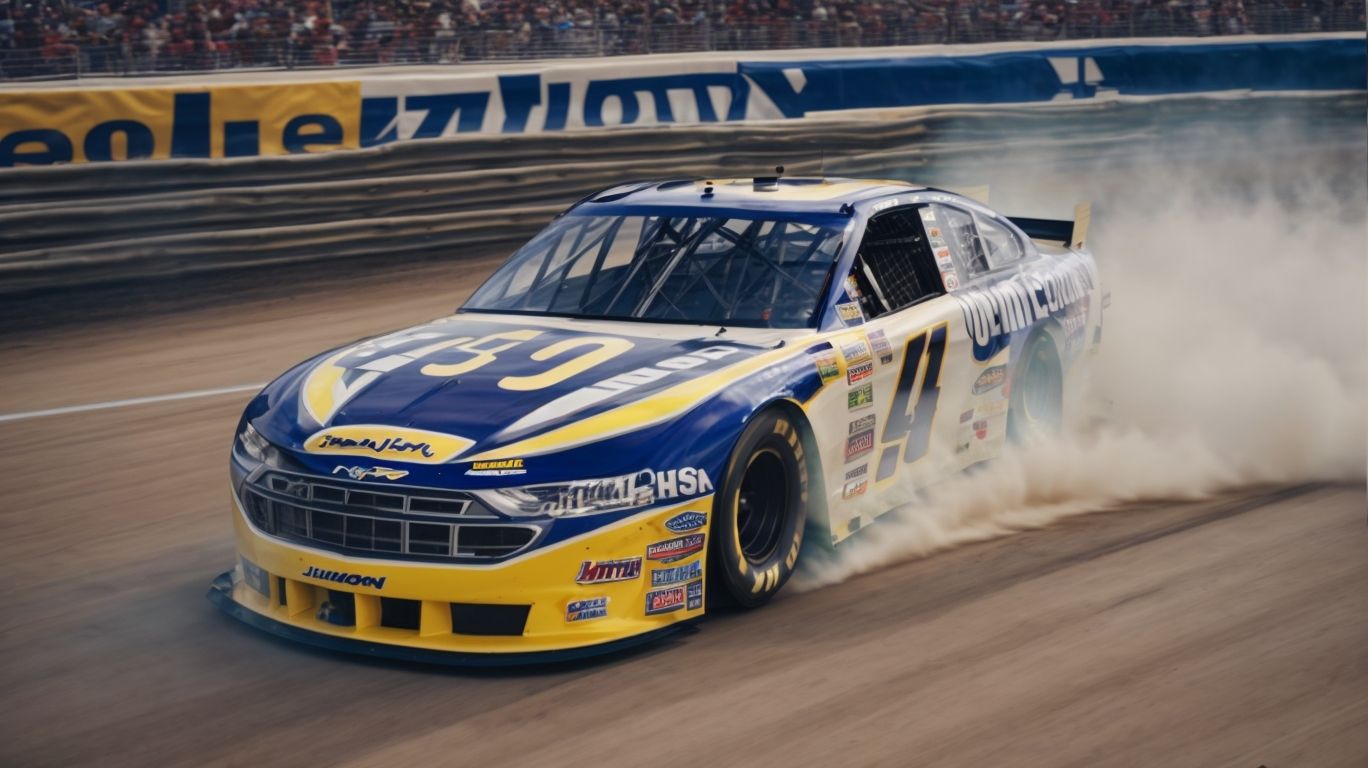
NASCAR Racing utilizes specialized cars designed for high-speed oval track racing, featuring powerful engines and aerodynamic bodywork.
These cars, specifically engineered for NASCAR races, prioritize speed, agility, and control. The design of NASCAR cars focuses on fine-tuning every aspect, from the chassis to the tires, to optimize performance on the track. With stringent regulations set by NASCAR, these cars undergo rigorous testing to ensure safety and competitiveness.
The aerodynamic features of NASCAR cars play a crucial role in their performance, enhancing stability at high speeds and allowing for precision maneuvering. Cutting-edge technology is constantly integrated into the development of NASCAR vehicles, pushing the boundaries of innovation in motorsports engineering.
What Are the Key Features of a Nascar Race Car?
A NASCAR race car is characterized by its high-performance engine, aerodynamic body design, and specialized safety features to withstand the rigors of racing.
One of the most crucial elements of a NASCAR race car is its engine power, which can exceed 750 horsepower, providing incredible acceleration and top speed capabilities on the track. The aerodynamics of these vehicles are meticulously crafted to ensure optimal downforce, keeping the car firmly planted on the road at high speeds. NASCAR cars are outfitted with advanced safety enhancements such as roll cages, impact-absorbing materials, and fire suppression systems to protect the driver in the event of a crash.
What Are the Different Engine Types Used in Nascar Racing?
NASCAR Racing utilizes powerful V8 engines known for their reliability, performance, and distinctive sound on the track.
These high-performance engines are a cornerstone of NASCAR racing, delivering the raw power and speed that fans love to see on race day. V8 engines are favored for their simplicity and ruggedness, making them ideal for the demanding conditions of stock car racing. These engines are specially designed to produce high torque at low RPMs, allowing drivers to accelerate quickly out of corners and maintain high speeds on straightaways.
Typically, NASCAR V8 engines are naturally aspirated and use carburetors for fuel delivery. This traditional setup gives them a unique character and sound that is distinctively NASCAR. The engines are also highly reliable, built to withstand the extreme stresses of high-speed racing for long periods.
What Are the Factors That Affect Nascar Racing?
Several factors can impact the outcome of NASCAR races, including track conditions, weather, and driver strategies.
Track conditions play a vital role in determining how a race unfolds. The surface of a NASCAR track can vary significantly from race to race, affecting aspects like grip levels and tire wear. Similarly, weather variables such as rain or extreme heat can lead to unpredictable situations on the track, testing the skills of drivers and teams.
Driver strategies are another key element in NASCAR racing. The decisions made by drivers, such as when to pit for fuel or tires, can heavily influence their performance throughout a race. These strategic choices often make the difference between winning and losing in a high-stakes race.”
What Is the Role of Weather in Nascar Racing?
Weather conditions play a crucial role in NASCAR Racing, affecting track grip, tire performance, and race strategies.
Track temperature, wind speed, and precipitation levels can determine how a race unfolds, impacting the decisions made by drivers and pit crews throughout the event.
Unpredictable weather patterns make it challenging for teams to predict the optimal setup for their cars, forcing them to constantly adjust to changing conditions on the track.
For drivers, rain can turn a race into a slippery, high-stakes affair, requiring a delicate balance between speed and caution to navigate the treacherous conditions.
How Does Track Surface Affect Nascar Racing?
The track surface plays a critical role in NASCAR Racing, influencing tire wear, handling characteristics, and overall race performance.
Track surfaces vary from track to track, with some being smooth and offering high grip levels, while others are rough and abrasive, causing rapid tire degradation. Drivers must adapt their racing strategies based on the surface conditions to optimize performance. A slick track surface can challenge a driver’s ability to maintain control of the car, especially during cornering, affecting lap times and overall race pace.
In NASCAR, the choice of tires and the adjustments made to the car setup are heavily influenced by the track surface. Teams analyze data and track conditions meticulously to determine the ideal tire compound to withstand the specific wear and provide the most grip possible. This strategic decision-making is crucial in a sport where every fraction of a second matters.
What Are the Strategies and Techniques Used in Nascar Racing?
NASCAR Racing involves strategic maneuvers, drafting techniques, and pit stop strategies that can make a significant difference in race outcomes.
One key strategy employed in NASCAR is the drafting technique, where drivers closely follow each other to reduce air resistance and increase speed. This technique allows drivers to conserve fuel and make strategic moves to overtake opponents.
Pit stop efficiency is crucial in NASCAR races, as every second counts in the race against time. Teams meticulously plan pit stops for fuel and tire changes, ensuring minimal time off the track.
Race tactics vary from driver to driver, with some opting for aggressive maneuvers while others focus on consistent and calculated driving to secure a podium finish.
How Do Drivers Draft in Nascar Racing?
Drafting is a crucial technique in NASCAR Racing, where drivers strategically position their cars to reduce air resistance and gain speed advantage.
By closely following another car, a driver can take advantage of the lead car breaking through the air first, creating a pocket of decreased air pressure behind them. This pocket of air is known as the draft. As a result, the trailing car experiences reduced drag, allowing them to maintain higher speeds with less effort.
Understanding the aerodynamics at play is essential in NASCAR Racing, as drivers must carefully calculate when to enter and exit the draft to optimize their performance. Engaging in strategic drafting not only improves a driver’s speed but also opens up opportunities for overtaking opponents and making calculated moves during a race.
What Are the Different Types of Racing Strategies in Nascar?
NASCAR Racing features various strategic approaches such as fuel mileage, tire management, and drafting partnerships to outmaneuver competitors and secure victory.
In terms of fuel mileage, NASCAR teams meticulously calculate their fuel usage to ensure they have enough to finish the race without costly pit stops. Tire management is another critical aspect, with teams balancing speed and wear to maintain optimal performance throughout the race. Drafting partnerships play a key role, as drivers work together to reduce air resistance and gain a speed advantage. These racing strategies not only affect individual race outcomes but also influence team dynamics and overall standings in the high-stakes world of NASCAR.
Frequently Asked Questions
What is the Nascar Race on?
The Nascar Race is an annual premier racing series that features some of the biggest and most popular stock car races in North America.
When does the Nascar Race take place?
The Nascar Race typically runs from February to November, with races taking place on weekends.
What tracks does the Nascar Race take place on?
The Nascar Race takes place on a variety of tracks, including superspeedways, short tracks, and road courses all across the United States.
How many races are in the Nascar Race?
The Nascar Race consists of 36 points-paying races, with the final race being the Championship race where the winner is crowned.
What types of cars are used in the Nascar Race?
The Nascar Race uses stock cars that are specifically designed for racing, with a focus on speed, safety, and performance.
How can I watch the Nascar Race?
The Nascar Race can be watched live on television, streamed online, or attended in person at the race track.