What Happens if a Nascar Race Gets Rained Out?
Nascar races are thrilling events that attract fans from all over the world, but what happens when Mother Nature decides to intervene?
We explore the process of determining if a Nascar race will be rained out, what happens to the cars and drivers in that scenario, and how fans are affected.
From monitoring weather conditions to rescheduling races, we delve into the impact of rain on Nascar events and the memorable moments it has created throughout the years.
Key Takeaways:
What Is Nascar?
NASCAR, which stands for the National Association for Stock Car Auto Racing, is a popular motorsport organization known for its thrilling races and dedicated fans.
Founded in 1948, NASCAR has become one of the premier racing organizations in the world. With its roots in the Southern United States, NASCAR has a rich history of stock car racing, evolving from bootlegging moonshine runners to a multi-billion dollar industry. The Daytona 500, known as the ‘Great American Race,’ is one of NASCAR’s most famous events, attracting drivers and fans from all over the globe.
Navigating oval tracks at high speeds, NASCAR drivers showcase exceptional skill and courage, making each race a heart-pounding spectacle. The passionate fan base, affectionately known as ‘NASCAR Nation,’ contributes to the electric atmosphere at races, creating an unmatched experience for spectators.
What Happens During a Nascar Race?
During a NASCAR race, drivers compete against each other on designated tracks, showcasing their skills in high-speed races that captivate fans around the world.
These races typically consist of multiple stages, with drivers strategizing on when to make crucial pit stops for tire changes and fuel refills. The tracks vary in length and shape, from short oval tracks to longer road courses, offering a wide range of challenges and opportunities for drivers to display their versatility. Driver tactics often involve drafting behind opponents to gain speed or holding a tight line through corners to maintain optimal racing position. Each race is filled with adrenaline-pumping moments as drivers push their vehicles to the limits, navigating tight turns and battling for position in a thrilling display of skill and determination.
What Causes a Nascar Race to Get Rained Out?
A NASCAR race may get rained out due to inclement weather conditions that pose risks to driver safety and track conditions, requiring precautionary measures to ensure a safe racing environment.
When heavy rain falls on the track, it can create puddles and reduce the tire grip, increasing the likelihood of accidents. Wet tracks also affect visibility, making it challenging for drivers to navigate sharp turns at high speeds. These unfavorable conditions not only jeopardize the safety of the drivers but also impact the overall racing experience for fans and logistical operations. Racing in the rain can lead to delays, interruptions, and compromised competition outcomes as it alters the strategies and performance of the drivers.
What Is the Process for Determining if a Nascar Race Will Be Rained Out?
The decision-making process to determine if a NASCAR race will be rained out involves closely monitoring weather conditions, assessing safety risks for drivers and spectators, and ensuring optimal visibility on the track.
NASCAR officials utilize advanced weather monitoring technologies, such as sophisticated radar systems and meteorological data analytics, to track incoming weather patterns with precision.
Safety protocols dictate continuous communication between race control, track personnel, and meteorologists to evaluate real-time weather updates and potential hazards.
Driver safety is of utmost importance, prompting officials to consider factors like track conditions, wind speeds, and the likelihood of lightning strikes.
Monitoring Weather Conditions
Ahead of a NASCAR race, monitoring weather conditions is crucial to anticipate any potential risks or disruptions that could affect the race day schedule and operations.
Weather conditions play a significant role in determining the safety and competitiveness of a NASCAR event. Advanced tools such as radar systems, weather stations, and satellite imagery are essential for tracking changes in weather patterns. Factors such as wind speed, precipitation, and temperature can greatly impact track conditions, tire grip, and car performance. Meteorologists analyze this data to provide real-time updates and forecasts, aiding race teams in making strategic decisions on tire selection, setup adjustments, and overall race strategy to navigate the dynamic weather conditions effectively.
Consulting with Meteorologists
NASCAR officials consult with meteorologists to obtain expert insights on weather patterns, forecasts, and potential risks that may affect the safety and scheduling of a race.
This collaboration between NASCAR and meteorologists plays a crucial role in ensuring the smooth operation of races. Meteorologists analyze a wide array of data, including radar images, satellite views, and real-time weather monitoring systems to pinpoint potential weather disruptions. By interpreting this data, meteorologists can offer NASCAR valuable predictions on thunderstorms, high winds, or other weather events that could impact the race track.
The precise nature of their forecasts allows NASCAR officials to make informed decisions about postponing or altering race start times, coordinating with teams and drivers to enhance safety protocols. This partnership highlights NASCAR’s commitment to upholding the highest standards of safety and efficiency in their events.
Communicating with Drivers and Teams
Effective communication with drivers and teams is essential during a NASCAR race to relay important updates, safety instructions, and schedule changes in response to weather-related contingencies.
In times of unexpected weather disruptions, such as sudden rain showers or impending thunderstorms, ensuring clear and concise communication becomes paramount to the safety and smooth operation of the race day. NASCAR officials play a crucial role in coordinating with drivers and teams to provide real-time status updates, safety protocols, and any adjustments to the race schedule. This seamless exchange of information not only keeps everyone informed but also enables all involved parties to make informed decisions swiftly, prioritizing the well-being of all participants.
What Happens to the Cars and Drivers if a Nascar Race Is Rained Out?
When a NASCAR race is rained out, cars undergo a thorough inspection process to ensure their readiness for rescheduled races, while drivers engage in discussions with officials to address race-related concerns.
During the inspection process, skilled mechanics meticulously examine every aspect of the cars, including engines, tires, brakes, and suspension components, to guarantee optimal performance on the track.
Simultaneously, drivers gather in team meetings to strategize for the potential rescheduled race, reviewing data, analyzing past performances, and mentally preparing for the upcoming challenge.
With a keen focus on safety and competitiveness, NASCAR officials coordinate closely with teams and drivers to set new schedules, taking into account track conditions and weather forecasts to ensure a smooth and exciting race day experience for all involved.
Cars Go Through Inspection Process
Cars participating in a rained-out NASCAR race undergo a stringent inspection process to ensure compliance with safety regulations, technical standards, and competitive fairness.
The cars are thoroughly checked for any external damage caused by the rain, ensuring that the structural integrity of each vehicle is intact. Following this, a detailed examination of the engine components is conducted to confirm optimal performance capacity.
- During the inspection, specialized NASCAR technicians meticulously review the aerodynamic features of the cars, including the splitter, spoiler, and side skirts, to guarantee adherence to NASCAR’s regulations for maximum on-track performance.
The safety equipment such as roll cages, window nets, and seat belts are meticulously examined to validate their effectiveness in case of any unforeseen incidents during the race.
Drivers Meet with Officials
Following a rain delay in a NASCAR race, drivers convene with officials to address race-related matters, receive updates on schedule changes, and clarify any procedural queries for the rescheduled event.
These interactions between NASCAR drivers and officials are vital for ensuring a smooth transition back into the race. During the discussions, drivers often seek clarity on adjusted logistics, such as pit strategies and tire choices, to adapt to the changing track conditions. Safety briefings play a crucial role in these interactions, as officials update drivers on any new safety protocols or regulations.
Communication and cooperation between the drivers and officials are key to navigating the logistical adjustments smoothly post rain delay. Understanding the new race dynamics and adhering to the instructions provided ensure a safe and competitive environment for all participants.
What Happens to the Fans if a Nascar Race Is Rained Out?
In case of a NASCAR race being rained out, fans are typically offered options for ticket refunds or exchanges, and there may be considerations for potential rescheduling to accommodate fan attendance.
When NASCAR races are postponed due to inclement weather, the focus shifts to ensuring fans receive the necessary information regarding ticket refunds and exchanges promptly. Fan satisfaction is a top priority for NASCAR, and the organization works diligently to communicate with ticket holders about the available options. NASCAR aims to make the refund process seamless and fan-friendly, understanding the disappointment that comes with a postponed race. Plus refund procedures, NASCAR explores rescheduling possibilities to allow fans the chance to attend the event they were eagerly anticipating.
Ticket Refunds or Exchanges
NASCAR fans impacted by a rained-out race are provided with options for ticket refunds or exchanges to ensure a satisfactory resolution to the event cancellation.
When faced with the disappointment of a postponed race, NASCAR enthusiasts can navigate the ticket refund process swiftly and easily. Fans can reach out to the official NASCAR ticketing channels, either online or via phone, where dedicated customer service representatives stand ready to assist. Timely communication is key, ensuring that fans receive relevant updates and instructions promptly. NASCAR fans looking to exchange their tickets for a rescheduled event can also explore their options through the same channels, streamlining the process for convenience.
Possible Rescheduling of Race
In certain cases of NASCAR races being rained out, considerations are made for potential rescheduling to accommodate fans and ensure the completion of the event under optimal conditions.
Rescheduling a NASCAR event due to rain involves a meticulous process that takes into account various factors, including track availability, fan convenience, and operational adjustments. Track officials work diligently to find a suitable date that works for both the NASCAR organization and the hosting venue.
Factors such as other scheduled races, logistical challenges, and broadcast considerations must also be carefully considered to ensure a smooth rescheduling process. This may involve collaborative efforts between NASCAR officials, track management, and broadcast partners to coordinate the new race date.
What Happens to the Points and Standings if a Nascar Race Is Rained Out?
When a NASCAR race is rained out, the impact on points and standings is meticulously evaluated, and adjustments are made to ensure fairness in the championship rankings despite the weather-related interruptions.
Managing points and standings in NASCAR races affected by rain delays involves a series of protocols and considerations. The scoring adjustments are crucial to maintain the integrity of the competition and minimize the disparities caused by unforeseen circumstances. NASCAR officials analyze the data, review the laps completed, and calculate the points to accurately reflect the performance of drivers and teams.
Championship implications are significant in such situations, as every point can make a difference in the title race. Ensuring that the calculations are done meticulously is paramount to avoid any controversies or disputes regarding the final standings.
How Often Do Nascar Races Get Rained Out?
The occurrence of NASCAR races being rained out varies depending on the season and location, with factors such as weather patterns and climate playing significant roles in determining the frequency of race delays.
During the spring and summer months, regions like the Southeastern United States, where many NASCAR races are held, often experience high levels of precipitation, increasing the likelihood of rain delays. On the other hand, races in the southwestern or western parts of the country may be less affected by rain due to drier climates.
Historical data reveals that certain tracks have a higher propensity for rain delays compared to others. For instance, races at Daytona International Speedway or Bristol Motor Speedway have seen more interrupted events than races at venues with more stable weather conditions.
What Are Some Memorable Nascar Rain Delays or Cancellations?
Throughout NASCAR’s history, there have been memorable rain delays and cancellations that have left lasting impressions on fans, drivers, and the racing community, showcasing the resilience and adaptability of the sport.
One such iconic moment was the 2012 Daytona 500, where rain postponed the race to Monday night, a first in the history of the event. Despite the delay, fans showed incredible dedication, filling the stands once the race resumed. The unexpected twists and challenges presented by weather interruptions often create unforgettable races, adding to the unpredictable nature of NASCAR.
How Does Rain Affect the Track and Racing Conditions?
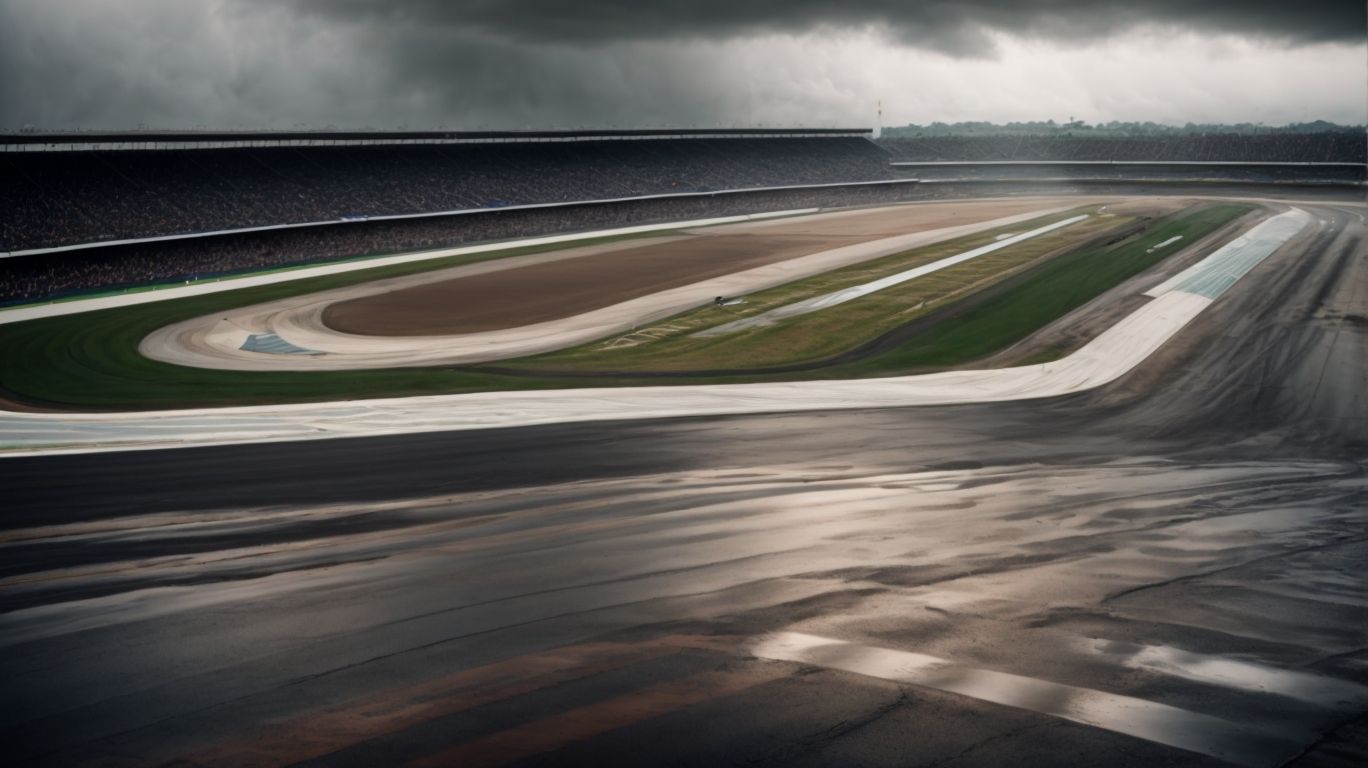
Rain can significantly impact NASCAR tracks and racing conditions, leading to challenges such as reduced traction, hydroplaning risks, and compromised visibility that necessitate adjustments in race strategies and safety protocols.
When rain falls on a track, it washes away the rubber buildup, reducing the grip level that drivers heavily rely on for speed and control.
One of the biggest concerns is hydroplaning, where the tires lose contact with the track due to excessive water buildup, leading to loss of control and potential accidents.
Rain creates visibility issues as water splashes onto windshields, obstructing the view of drivers, forcing them to adapt their driving style to navigate the challenging conditions.
Frequently Asked Questions
What happens if a Nascar race gets rained out?
If a Nascar race gets rained out, it will be postponed to a later date or time. This decision is made by race officials and is based on the severity of the weather conditions.
What is the process for rescheduling a rained out Nascar race?
When a Nascar race is rained out, officials will work to find a suitable date and time to reschedule the race. This process can take anywhere from a few days to several weeks, depending on the availability of the track and teams.
Will tickets be refunded if a Nascar race is rained out?
In most cases, tickets will be refunded if a Nascar race is rained out and not rescheduled. However, it is important to check with the race track or ticket provider for their specific refund policies.
How do drivers and teams prepare for a rained out Nascar race?
Drivers and teams will closely monitor weather forecasts leading up to a Nascar race. If there is a high chance of rain, they may make adjustments to their car setups and race strategies. They will also prepare for the possibility of a rain delay or postponement.
What happens if a Nascar race is already in progress and it starts to rain?
If a Nascar race is already in progress and it starts to rain, officials will typically call for a yellow flag and bring the cars onto pit road until the rain subsides. If the rain continues, the race may be postponed to a later date.
Are there any safety concerns for drivers in a rained out Nascar race?
Yes, racing in wet conditions can be dangerous for drivers as it affects visibility and can cause cars to lose traction on the track. In the event of a rained out Nascar race, officials will prioritize the safety of the drivers and teams when making decisions on whether to postpone or continue the race.