What Are the Rules of Nascar?
Curious about the high-speed world of NASCAR?
Explore the history of NASCAR, the types of races, rules, safety measures, and how champions are determined in various series.
Buckle up and dive into the exciting world of NASCAR!
Key Takeaways:
What Is Nascar?
NASCAR, short for the National Association for Stock Car Auto Racing, is a prominent American motorsport series known for its high-speed races involving specially designed cars.
NASCAR’s roots can be traced back to the Prohibition era when bootleggers modified their cars to outrun the police, giving birth to the concept of stock car racing. Over the years, NASCAR has evolved into a multibillion-dollar industry with a massive fanbase across the United States. The sport features various types of races, including oval tracks, road courses, and super speedways, each presenting unique challenges to drivers and teams. What sets NASCAR apart is the competitive and unpredictable nature of the races, leading to thrilling finishes and intense rivalries that captivate audiences.”
History of Nascar
The History of NASCAR dates back to its early beginnings in the United States, evolving into a premier racing series that has showcased the talents of legendary drivers such as Jeff Gordon, Dale Earnhardt, and Joey Logano.
Throughout its rich history, NASCAR has not only captivated audiences with thrilling races but has also seen significant transformations and innovations that have kept the sport relevant and exciting.
One milestone in NASCAR’s evolution was the establishment of its signature event, the Daytona 500, which has become synonymous with high-speed adrenaline and intense competition. Over the years, pioneering drivers like Richard Petty and Darrell Waltrip have left an indelible mark, setting new standards of excellence and sportsmanship that continue to inspire generations of racers.
Early Beginnings
The Early Beginnings of NASCAR trace back to the grassroots racing scene in Daytona Beach, Florida, where drivers competed in stock car races on sandy tracks, laying the foundation for what would become a nationally recognized series.
These early races were not only a test of speed and skill but also a display of ingenuity, as drivers worked with limited resources to modify their vehicles for optimal performance. With no formal organization in place, participants often relied on handshake agreements to determine rules and settle disputes, reflecting the camaraderie and competitive spirit that characterized the early days of NASCAR.
Growth and Popularity
The Growth and Popularity of NASCAR have been fueled by thrilling races at iconic tracks like Talladega Superspeedway, Martinsville Speedway, and the Los Angeles Coliseum, captivating fans and solidifying its status as a premier racing series.
These legendary tracks have become synonymous with high-octane action and nail-biting finishes, drawing in spectators from all walks of life.
Championship events such as the Daytona 500 and the NASCAR Cup Series Playoffs add to the series’ allure, showcasing the skill and determination of the drivers vying for the coveted title.
The influence of NASCAR extends beyond the racetrack, permeating American motorsport culture with its rich history, passionate fanbase, and iconic moments that have left a lasting impact on generations of racing enthusiasts.
What Are the Different Types of Nascar Races?
NASCAR features a diverse range of races, including the Sprint Cup Series, Xfinity Series, and Camping World Truck Series, each offering unique challenges and showcasing the skills of drivers across various categories.
The Sprint Cup Series represents the pinnacle of NASCAR racing, featuring seasoned drivers showcasing their talent in high-speed races across famous tracks like Daytona and Indianapolis. On the other hand, the Xfinity Series serves as a stepping-stone for up-and-coming drivers, providing them with a platform to hone their skills and prove themselves on a national level.
Meanwhile, the Camping World Truck Series offers a grittier, more physical style of racing, with pickups battling it out on dirt tracks and short ovals, creating thrilling spectacles for fans and drivers alike. Each series brings its own brand of excitement and competition to the world of NASCAR.
Sprint Cup Series
The Sprint Cup Series in NASCAR represents the pinnacle of stock car racing, featuring fierce competition among top drivers vying for the coveted championship title, with manufacturers like Chevrolet, Ford, and Toyota showcasing their cutting-edge racing technology.
One of the most thrilling aspects of the Sprint Cup Series is its championship format, which incorporates a playoff system known as the Chase for the Sprint Cup. This format adds an extra layer of excitement by resetting the points for the top 16 drivers after a specific number of races, setting the stage for intense battles in the final races of the season.
Xfinity Series
The Xfinity Series in NASCAR serves as a platform for emerging talents to showcase their skills, attracting sponsorships and adhering to the Viceroy Rule that limits Cup Series driver participation, ensuring a level playing field for up-and-coming racers.
The Xfinity Series has carved a niche in NASCAR, bridging the gap between feeder series and elite racing. It provides young drivers with a crucial stepping stone to the top-tier Cup Series, helping them gain valuable experience and exposure while competing in competitive races.
Sponsorships play a pivotal role in the success of teams in the Xfinity Series, influencing their performance on and off the track. Partnering with top brands not only boosts a team’s financial stability but also enhances their ability to secure top-tier equipment and resources.
The Viceroy Rule serves as a safeguard, preventing Cup Series drivers from dominating the Xfinity races and allowing rising stars to shine. This regulation has been instrumental in maintaining the integrity of the series and fostering a fair and competitive environment for all participants.
Camping World Truck Series
The Camping World Truck Series in NASCAR features thrilling combination races with the Cup and Xfinity Series, offering a unique points system that rewards consistency and performance across diverse tracks and challenging terrains.
Every race in the Camping World Truck Series presents drivers with a distinct set of challenges, from short tracks to superspeedways, demanding a blend of skill and strategy for victory. Drivers must navigate tight turns, pack racing, and even potential inclement weather conditions that add an element of unpredictability to the competition.
The points structure of the Truck Series is designed to reflect the demanding nature of this racing category. Achieving success in consistent top finishes is crucial, as every point matters in the pursuit of the championship title.
Whelen Modified Tour
The Whelen Modified Tour in NASCAR is renowned for its high-octane races where drivers push their cars to the limit, aiming to cross the finish line first while navigating penalties and challenges that test their skills and resilience.
In the world of Whelen Modified Tour, drivers not only need raw speed but also sharp strategic acumen to outwit their opponents on the track. With races often coming down to split-second decisions, every move counts. The penalties system adds another layer of complexity, where a small misstep can cost valuable points and positions on the leaderboard.
Drivers must strike a delicate balance between aggressive driving and calculated risks, all while ensuring they stay within the limits set by the rules. It’s a constant battle of wits, skill, and endurance, where only the most skilled and resilient drivers emerge victorious.
What Are the Rules and Regulations of Nascar?
NASCAR enforces strict rules and regulations governing everything from car specifications and race formats to pit stops and penalties, ensuring fair competition and prioritizing driver safety through rigorous equipment standards.
In terms of NASCAR car specifications, every vehicle must adhere to detailed guidelines regarding engine size, weight, aerodynamics, and safety features. These strict regulations ensure that all cars on the track are as evenly matched as possible, preventing any team from gaining an unfair advantage.
Along with the technical aspects, NASCAR races follow a structured format with predetermined laps, caution periods, and pit stop windows, creating a dynamic and competitive environment for drivers and teams alike. Penalties for rule violations can range from time penalties to fines and points deductions, serving as a deterrent to teams attempting to circumvent the regulations.
Safety measures such as mandatory protective gear for drivers, advanced crash-resistant vehicle design, and a team of trained medical staff on standby further underscore NASCAR’s commitment to prioritizing the well-being of its participants.
Car Specifications
Car Specifications in NASCAR are meticulously defined to ensure safety, performance, and parity among competing manufacturers, with stringent regulations governing engine power, aerodynamics, and other technical aspects.
In NASCAR, safety is paramount on the track, driving the need for robust safety features such as roll cages, fire suppression systems, and impact-absorbing materials in the car’s construction. These safety measures are designed to protect drivers in the event of high-speed crashes, ensuring their well-being during intense races.
Manufacturer guidelines play a crucial role in the construction of NASCAR cars, dictating certain parameters like weight distribution, wheelbase dimensions, and even the materials used in specific components. The adherence to these guidelines is closely monitored to maintain fair competition and prevent any unfair advantages.
Race Format
The Race Format in NASCAR includes a variety of flags signaling track conditions and driver behavior, with unique features like combination races that blend different series to create thrilling and unpredictable competitions.
Flags play a vital role in NASCAR races, such as the green flag indicating the start of the race, the yellow flag signaling caution due to incidents on the track, and the checkered flag marking the race’s conclusion.
NASCAR has specific rules governing restarts, where drivers must maintain their positions until crossing the start-finish line, while the leader sets the pace. This adds a strategic element to the competition, with drivers jostling for position and utilizing tactics to gain an advantage.
Combination races, which merge various racing categories like stock cars and open-wheel cars, create a dynamic and competitive environment that showcases the diversity of racing talent and machines. These races often lead to thrilling battles on the track, as drivers from different backgrounds and disciplines come together to compete for victory.
Pit Stops
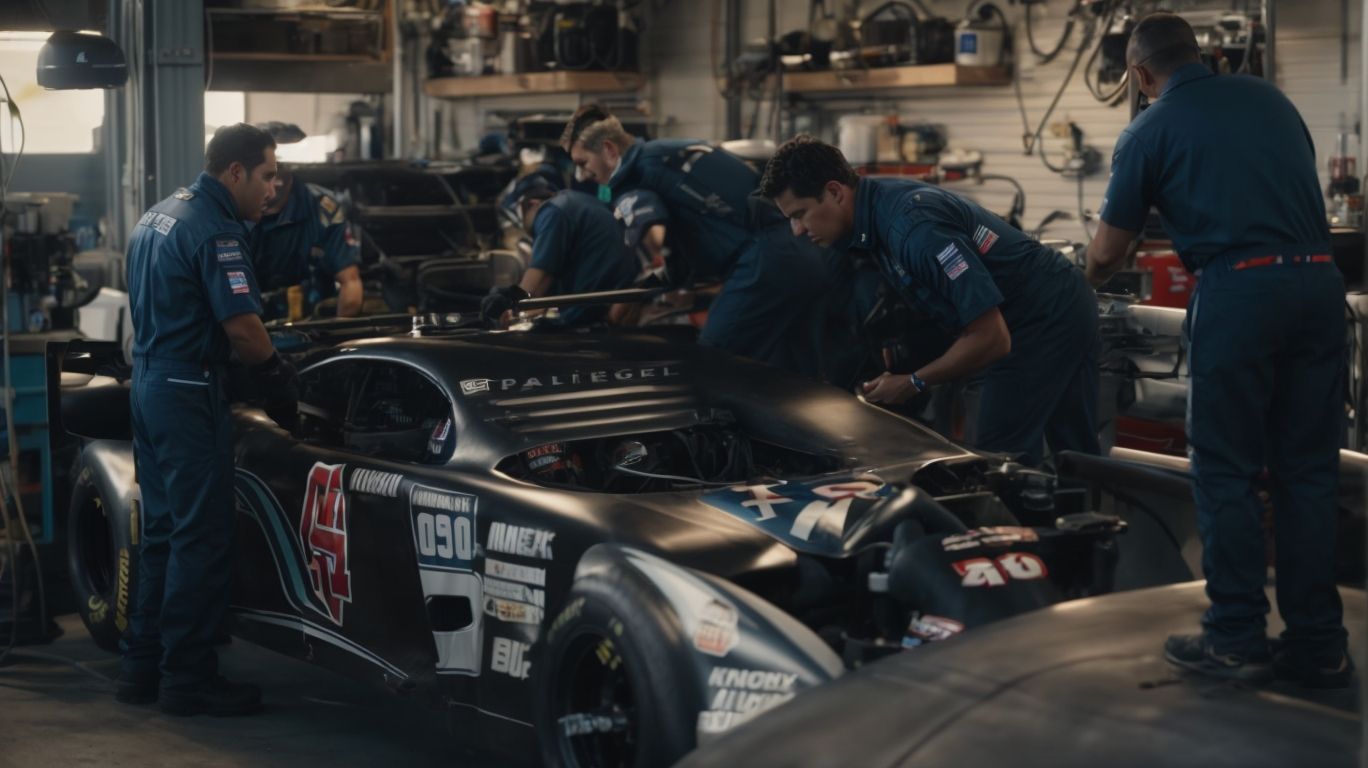
Pit Stops are crucial moments in a NASCAR race where skilled pit crews execute lightning-fast tire changes, refuel the car, and make critical adjustments using specialized equipment to ensure the driver’s competitive edge on the track.
These pit stops are not just routine breaks but rather finely orchestrated procedures that can make or break a driver’s race. The pit crew’s efficiency in changing all four tires, filling the fuel tank, and making necessary tweaks in just a matter of seconds can significantly impact the overall race outcome. Every second counts, and the precision required by these technicians is unparalleled.
The equipment used in pit stops is designed for speed and accuracy. From high-powered impact wrenches for rapid tire changes to sophisticated fueling systems that minimize spillage, every tool plays a critical role in optimizing the team’s performance.
Scoring System
The Scoring System in NASCAR awards points based on finishing positions, with top performers accumulating points throughout the season to contend for the prestigious championship title and secure their place in racing history.
Points allocation in NASCAR is structured to reward consistency and excellence, with the winner of a race typically receiving 40 points, descending incrementally for lower finishing positions. Drivers can earn bonus points for leading a lap or leading the most laps in a race, emphasizing the importance of staying ahead throughout the competition. These points not only determine race winners but also play a crucial role in shaping the overall standings, influencing the strategies drivers use during races to maximize their point accrual.
Penalties
Penalties in NASCAR are imposed for rule violations, unsafe driving practices, or equipment failures, with sanctions ranging from fines and point deductions to suspensions, emphasizing the sport’s commitment to maintaining fair play and ensuring driver safety.
These penalties serve as a crucial deterrent against misconduct on the track, helping to uphold the integrity of NASCAR’s competitive landscape. Common infractions that lead to penalties include speeding on pit road, aggressive driving resulting in avoidable accidents, or using illegal parts in the race car. The enforcement of penalties not only ensures a level playing field for all competitors but also showcases NASCAR’s dedication to upholding safety standards in a high-speed, high-stakes environment.
What Are the Safety Measures in Nascar?
Safety is paramount in NASCAR, with rigorous measures in place to protect drivers, including the mandatory use of safety equipment such as the HANS device, helmets, fire suits, and advanced vehicle technologies aimed at minimizing risks on the track.
One of the key safety innovations in NASCAR is the HANS device, a revolutionary head and neck restraint system that reduces the risk of head and neck injuries during high-speed impacts. These devices have been credited with saving numerous drivers from serious injuries.
Fire suits made of multi-layered flame-resistant materials are mandatory in NASCAR to protect drivers from fire-related accidents. These suits can withstand incredibly high temperatures for a certain period, giving drivers valuable time to escape a burning vehicle.
The continuous evolution of vehicle safety technologies, such as energy-absorbing barriers, impact-resistant materials, and onboard data systems, has significantly improved driver safety and well-being on the racetrack.
Car Safety Features
Car Safety Features in NASCAR encompass a range of innovations designed to enhance driver protection, including reinforced chassis, impact-absorbing materials, and onboard systems that mitigate risks during high-speed maneuvers on various tracks.
One key technology that contributes significantly to driver safety in NASCAR vehicles is the integration of advanced impact-resistant materials within critical areas of the car structure. These materials are meticulously chosen for their ability to absorb and dissipate energy upon impact, reducing the force transferred to the driver in case of a crash.
Modern NASCAR cars are equipped with cutting-edge onboard systems that continuously monitor various vehicle parameters, such as speed, acceleration, and engine performance. These systems provide real-time data to drivers and teams, allowing them to make informed decisions during races to maximize safety and performance simultaneously.
Track Safety Measures
Track Safety Measures in NASCAR encompass stringent regulations, safety barriers, and flag signaling systems to alert drivers to track conditions, ensuring a secure racing environment that minimizes accidents and maximizes driver protection.
One of the critical components of NASCAR track safety is the implementation of high-quality safety barriers, such as SAFER barriers, which are designed to absorb and dissipate the energy of a crashing car, reducing the impact on the driver. These barriers line the track perimeter and key areas to reduce the likelihood of severe crashes and injuries.
Flag protocols play a vital role in communicating track conditions to drivers. Flags like the yellow caution flag signal drivers to slow down and be prepared for potential hazards ahead, while the red flag signifies that the race has been stopped due to a serious incident or unsafe conditions on the track.
Driver Safety Equipment
Driver Safety Equipment in NASCAR includes essential gear like the HANS device, helmets, and fire suits that shield drivers from impacts and fires, forming a critical line of defense against potential hazards on the track.
The HANS device is a crucial safety device that helps prevent basilar skull fractures by restricting head movement during impacts, reducing the risk of severe head and neck injuries. Helmets, made of impact-resistant materials like carbon fiber, provide vital protection to a driver’s head from debris and high-speed collisions.
Fire-retardant suits are designed to withstand intense heat and flames, giving drivers precious seconds to escape in case of a fire-related emergency on the track. The combination of these safety measures creates a comprehensive safety net for drivers, ensuring their well-being and minimizing the impact of accidents.
How Are Nascar Champions Determined?
NASCAR crowns champions in each series based on a points system that rewards consistent performance and race victories, culminating in the recognition of drivers who demonstrate exceptional skills and teamwork throughout the season.
The points system in NASCAR is a fundamental component in determining the champions. Points are awarded to drivers based on their finishing positions in each race, with additional points given for leading laps and winning stages. This method not only emphasizes race wins but also values consistency, as drivers who consistently finish in the top positions accumulate points steadily throughout the season.
Sprint Cup Series Champion
The Sprint Cup Series Champion in NASCAR is the driver who accumulates the highest number of points over the season, crossing the finish line first in pivotal races and showcasing consistent performance to secure the prestigious title.
Becoming a Sprint Cup Series Champion in NASCAR is no easy feat, as it requires a combination of skill, strategy, and sheer determination. Drivers must navigate various challenges throughout the season, constantly adapting to different tracks and competitors.
The points system in NASCAR plays a crucial role in determining the champion, as every position in a race contributes to the overall standings. Consistency is key, with drivers needing to perform well across multiple races to stay ahead in the championship race.
Victory on the track not only brings glory but also comes with immense pressure and expectations from fans, sponsors, and fellow competitors. Drivers must stay focused and resilient, even in the face of setbacks and unpredictable race outcomes.
Xfinity Series Champion
The Xfinity Series Champion in NASCAR emerges as a top contender by amassing crucial points throughout the season, supported by sponsorships that enable teams to compete at a high level and contend for the championship title.
Consistent point accumulation is the backbone of a successful Xfinity Series campaign, where every lap, every pit stop, and every strategic move play a pivotal role in shaping the journey towards the Championship. Apart from skillful driving, the support of sponsorships proves to be critical, providing the financial backing needed to secure top-notch equipment, hire talented crew members, and optimize race strategies. These partnerships not only elevate the performance of the team but also contribute to the overall spectacle and competitiveness of the Xfinity Series. Aiming for the top spot in the standings requires a relentless pursuit of excellence amidst a field of skilled drivers and well-equipped teams, where every race weekend presents a new challenge and an opportunity to edge closer to the coveted title.
Camping World Truck Series Champion
The Camping World Truck Series Champion in NASCAR navigates a challenging season of combination races and diverse tracks, leveraging strategic points accumulation to emerge victorious and claim the championship accolade in a fiercely competitive field.
Success in the Camping World Truck Series requires a deep understanding of the unique demands presented by the combination races, where drivers must showcase versatility across different track types ranging from short ovals to superspeedways. The points system serves as a crucial compass, guiding contenders through the ebbs and flows of the season, emphasizing consistent performance and calculated risk-taking. Achieving championship glory necessitates not just raw speed but also astute racecraft, decision-making under pressure, and adept management of resources throughout the campaign.
Whelen Modified Tour Champion
The Whelen Modified Tour Champion in NASCAR emerges as a resilient contender who conquers the finish line and overcomes penalties and challenges with skill and determination, embodying the spirit of perseverance and excellence in competitive racing.
These drivers face a plethora of hurdles on the track, from tight corners to fierce competitors, requiring not just speed but strategic finesse to outmaneuver opponents.
The Whelen Modified Tour presents a unique blend of skill and adaptability, demanding champions to navigate through varying track conditions and pinpoint precision driving.
Victory for these racers is more than just a win; it is the culmination of relentless dedication, unmatched talent, and a deep understanding of the nuances of each track.
Penalties serve as a test of a driver’s mental fortitude, often separating the good from the great as they recover from setbacks and maintain focus on the ultimate prize.”
Frequently Asked Questions
What Are the Rules of Nascar?
What is Nascar?
Nascar, which stands for National Association for Stock Car Auto Racing, is an American auto racing series that features stock cars competing in various races.
What Are the Rules of Nascar?
How are Nascar races organized?
Nascar races are organized into three main series: the Cup Series, the Xfinity Series, and the Gander RV & Outdoors Truck Series. Each series has its own set of rules and regulations.
What Are the Rules of Nascar?
What are the requirements for a car to compete in Nascar races?
Nascar has strict guidelines for the type of car that can compete in their races. The cars must be stock cars that are approved by Nascar and meet certain safety standards.
What Are the Rules of Nascar?
How do drivers qualify for a Nascar race?
In order to qualify for a Nascar race, drivers must go through a series of qualifying rounds. The starting grid for the race is determined by the fastest lap times from these qualifying rounds.
What Are the Rules of Nascar?
Are there any restrictions on car modifications in Nascar races?
Yes, there are strict rules on car modifications in Nascar races. The cars must remain as close to stock as possible, with limited modifications only for safety and performance purposes.
What Are the Rules of Nascar?
What happens if a driver breaks a rule during a Nascar race?
Nascar has a penalty system in place for drivers who break rules during a race. These penalties can include fines, point deductions, or even disqualification from the race. Repeat offenders may face more severe consequences.