Is Nascar a Sport?
Have you ever debated whether Nascar should be considered a sport?
We will explore the definition of a sport and what criteria must be met for an activity to be classified as such.
We will examine the physical and mental demands of Nascar, including the training requirements and skills needed to excel in this high-speed activity.
We will delve into the safety precautions taken by Nascar drivers to ensure their well-being on the track.
Join us as we uncover the arguments for and against Nascar being labeled as a sport and discover what it truly takes to be a successful Nascar driver.
Key Takeaways:
What is a Sport?
A sport is an activity that involves physical exertion and skill, where individuals or teams compete against each other in various disciplines.
In terms of sports like NASCAR, the drivers showcase an exceptional level of physical exertion and skill, maneuvering their cars at high speeds with precision and control. The competitive nature of racing not only tests the individual’s abilities but also highlights the importance of teamwork within the pit crew and strategic decision-making. ESPN’s coverage of these events brings the excitement of the competition to viewers worldwide, showcasing the athleticism, strategy, and adrenaline-fueled excitement that define the essence of sports.
What Defines a Sport?
The definition of a sport encompasses competitive activities that require physical prowess, strategic skill, and adherence to established rules and customs.
Sports serve as a platform where individuals push their bodies to the limits, honing their physical abilities while also sharpening their mental acuity through strategic decision-making in the heat of competition. Whether it’s the intensity of NASCAR races or the precision of professional golf, the commitment and dedication displayed by drivers and athletes epitomize the spirit of sportsmanship.
Enthusiasts around the world immerse themselves in the thrill of their chosen sport, studying its nuances, celebrating victories, and analyzing defeats with a passion that transcends mere entertainment. The dictionary definition may capture the essence in words, but the true essence of a sport lies in the unwavering pursuit of excellence and the camaraderie forged among participants.
What Makes an Activity Considered a Sport?
An activity is considered a sport when it involves physical activity, competitive elements, and a set of rules governing fair play and sportsmanship.
Many people might argue that activities like NASCAR, which primarily involve driving, do not meet the traditional expectations of physical prowess. The intense physical demands on drivers, requiring strength, endurance, and quick reflexes, showcase the physicality of the sport.
The competitive nature of NASCAR, with drivers pushing themselves and their vehicles to the limit, exemplifies the spirit of competition that defines sports. Fans play a crucial role in elevating NASCAR from a mere activity to a sport by passionately following races, forming communities, and engaging in debates, adding a layer of excitement and engagement.
Is Nascar Considered a Sport?
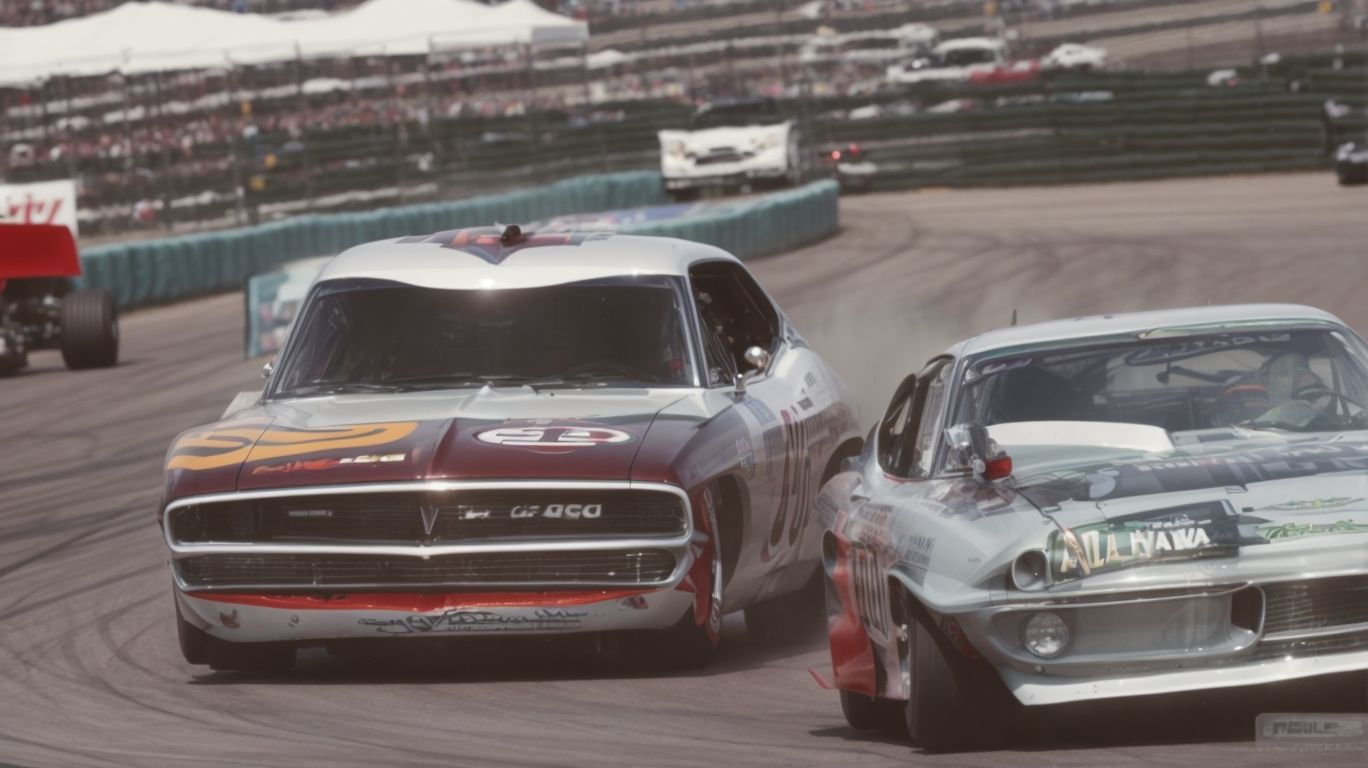
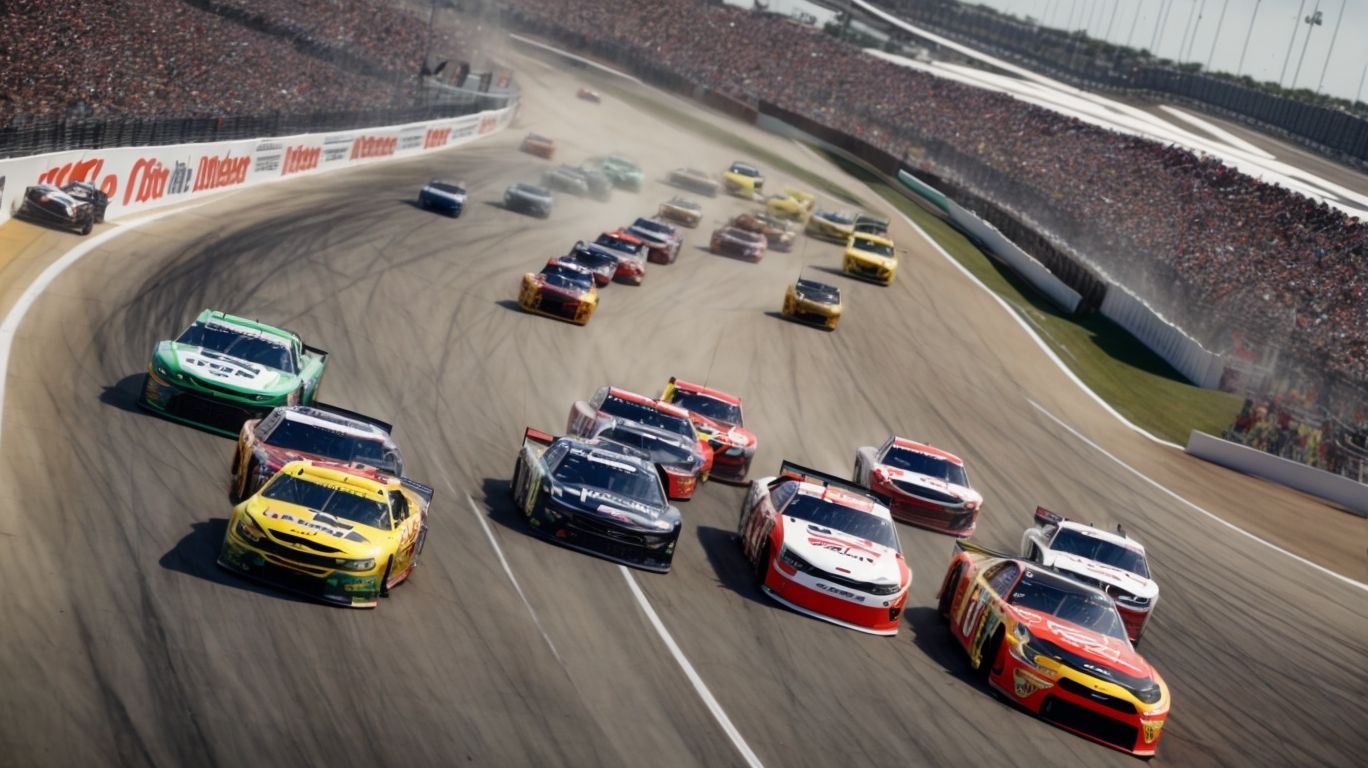
NASCAR is widely regarded as a sport due to the competitive nature of racing, the athleticism required by drivers, and the strategic elements involved in stock car competitions.
In NASCAR races, drivers push their physical limits, enduring high speeds while navigating tight turns and intense competition on the track, all while maintaining focus and precision. The physical demands placed on drivers require peak fitness levels to endure the grueling races, often lasting for hours on end.
The competitive spirit of NASCAR shines through in the fierce battles between drivers vying for position, employing tactics to outmaneuver their opponents, demonstrating the strategic depth of the sport. Each race is a test of skill, endurance, and mental fortitude, with drivers constantly analyzing their moves and adjusting their strategies to gain an advantage on the track.
The dedication and determination of NASCAR drivers are evident in the coverage the sport receives from major networks such as ESPN, highlighting the widespread appeal and excitement that stock car racing generates among viewers. The thrill of competition and the adrenaline-fueled action make NASCAR a thrilling spectacle to watch, further solidifying its status as a highly competitive and engaging sport.
What are the Arguments for Nascar Being a Sport?
Proponents argue that NASCAR qualifies as a sport due to the physical exertion endured by drivers, the intense G-force experienced during races, and the rigorous training regimens required to compete at the highest level.
Drivers in NASCAR are subjected to tremendous forces, with cars reaching speeds exceeding 200 mph, resulting in gravitational forces that push their bodies to the limit. The high levels of G-force put immense strain on their muscles and cardiovascular system, requiring top-notch physical conditioning to withstand these pressures. Beyond the physical demands, drivers must possess exceptional mental toughness to maintain focus amidst the chaos of tight racing conditions.
NASCAR drivers undergo extensive training programs that include cardiovascular workouts, strength training, and reaction time drills to enhance their performance on the track. This rigorous training regimen is essential for drivers to possess the necessary endurance and stamina needed to compete in races that can last for hours.
What are the Arguments Against Nascar Being a Sport?
Critics contend that NASCAR may not be considered a traditional sport by some due to its reliance on oval tracks, repetitive left turns, and the perception of certain stereotypes associated with the sport’s fanbase.
While NASCAR primarily features oval tracks and left turns, it also includes road courses, adding a unique element to the sport that tests drivers’ skills on different types of tracks. The diversity of tracks challenges drivers to adapt to varying conditions, enhancing the strategic aspect of the sport.
Fans play a crucial role in shaping the NASCAR experience, forming a passionate community that fosters loyalty and camaraderie among enthusiasts. Despite stereotypes that exist, the cultural significance of NASCAR cannot be overlooked, as it holds a special place in American sports history.
What are the Physical Demands of Nascar?
Competing in NASCAR demands high levels of physical endurance and strength as drivers experience intense G-forces, endure high-speed maneuvers, and train rigorously to maintain peak physical condition.
Endurance plays a crucial role in helping drivers withstand the punishing G-forces experienced during races, especially on high-banked tracks where gravitational forces can exceed three times the force of gravity. This immense pressure strains not only the body but also the mind, requiring drivers to focus intensely and react quickly to navigate the high-speed maneuvers demanded by the track.
The calorie expenditure during a NASCAR race is equivalent to running a marathon, highlighting the physical demands placed on drivers. This level of exertion, coupled with the adrenaline rush and mental strain of competing at speeds exceeding 200 miles per hour, underscores the importance of comprehensive physical and mental training and conditioning in the world of NASCAR.
How Many Calories Do Nascar Drivers Burn?
NASCAR drivers can burn a significant amount of calories during a race, with estimates suggesting they may expend several hundred to over a thousand calories depending on race duration and intensity.
These athletes undergo intense physical activity inside the car, constantly engaged in high-speed maneuvering, enduring gravitational forces, and managing the vehicle’s controls for hours on end.
Physical conditioning plays a key role in helping drivers sustain their energy levels throughout the race. Many drivers follow strict training regimens that focus on cardio, strength, and endurance exercises to enhance their performance on the track.
The speed and race conditions further exacerbate the calorie burn, with drivers needing to stay mentally sharp and physically adept to navigate tracks with varying turns and straightaways.
What are the Physical Training Requirements for Nascar?
Physical training for NASCAR drivers focuses on enhancing strength, endurance, and flexibility to withstand the G-forces experienced during races, maintain precise control at high speeds, and endure the grueling demands of competitive racing.
Strength training is vital for NASCAR drivers to build muscle power needed for steering, braking, and handling the intense acceleration and deceleration of their vehicles. Endurance exercises help them sustain peak performance over long races and handle the mental and physical fatigue that sets in during extended hours on the track.
- Flexibility routines are crucial in ensuring drivers have the range of motion to navigate tight turns and remain comfortable inside the cockpit for hours on end. Therefore, NASCAR athletes incorporate targeted stretches and mobility exercises into their training regimes.
To cope with the intense physical strains of racing, NASCAR drivers also focus on mental resilience. They employ techniques such as visualization, breathing exercises, and stress management to stay focused and composed in high-pressure situations, enhancing their overall athleticism, speed, and endurance on the track.
What are the Mental Demands of Nascar?
NASCAR places significant mental demands on drivers, requiring exceptional focus, split-second decision-making skills, and the ability to handle intense pressure in high-stakes racing situations.
Drivers in NASCAR must undergo rigorous mental conditioning to fine-tune their decision-making abilities and cultivate unwavering concentration. The combination of high speeds, close-quarter racing, and the need for quick reflexes demands a level of cognitive prowess that few other sports require. To succeed, drivers need not only physical skills but also a sharp mental edge to read and react to rapidly changing track conditions, anticipate opponents’ moves, and maintain composure amidst the chaos of a race.
What Skills are Required for Nascar?
Successful NASCAR drivers must demonstrate a blend of exceptional driving skills, strategic racecraft, precise control on the track, and the ability to adapt to dynamic racing conditions.
Driving proficiency is at the core of a NASCAR driver’s success, requiring a deep understanding of vehicle dynamics, handling techniques, and the ability to push the limits of speed without compromising control.
Strategic planning is equally crucial, as drivers must constantly analyze competition, anticipate moves, and make split-second decisions to gain an advantage on the track.
Adaptability is a key trait, as races are unpredictable, and drivers need to adjust their strategy on the fly to seize opportunities and tackle challenges effectively.
Athleticism plays a significant role, demanding physical fitness to endure the demands of high-speed racing and mental agility to stay focused throughout intense competitive battles.
How Do Nascar Drivers Train Mentally?
NASCAR drivers engage in mental training techniques such as visualization, mindfulness exercises, and simulated race scenarios to enhance focus, build resilience against pressure, and sharpen their decision-making abilities during high-speed competitions.
One fundamental aspect of mental training for NASCAR drivers is the incorporation of cognitive drills that aim to improve skills such as reaction time and spatial awareness on the track. By regularly practicing these drills, drivers can fine-tune their ability to make split-second decisions under immense pressure.
Plus the cognitive aspect, stress management plays a vital role in the mental preparation of NASCAR drivers. Techniques like controlled breathing, progressive muscle relaxation, and positive self-talk are commonly used to ensure drivers stay composed and focused amidst the chaos of a race.
Visualization is a key strategy employed by drivers to mentally rehearse their racing lines, overtaking maneuvers, and potential obstacles, allowing them to enter race day with a clear plan of action and a heightened sense of focus and confidence.
What are the Safety Precautions in Nascar?
Safety precautions in NASCAR encompass the mandatory use of advanced safety equipment, rigorous crash preparation procedures, adherence to strict safety regulations, and continuous improvement initiatives driven by past events.
One of the key aspects of safety measures in NASCAR is the stringent equipment standards that all drivers must adhere to. This includes high-quality helmets, fire-resistant suits, and HANS devices to minimize injuries during crashes.
NASCAR has established comprehensive crash protocols to ensure swift and effective responses in case of accidents. These protocols involve rescue teams, medical personnel, and safety vehicles that are strategically placed around the track for immediate assistance.
What Safety Equipment is Required in Nascar?
NASCAR mandates a range of critical safety equipment for drivers, including helmets, fire-retardant suits, head and neck restraints, roll cages, and impact-absorbing barriers on tracks to minimize injury risks during races.
Plus the protective gear worn by drivers, NASCAR imposes strict regulations to ensure track safety.
- Regulations dictate the construction and maintenance of tracks, such as the installation of catch fences, SAFER barriers, and tire barriers to absorb impact.
- These safety features aim to protect both drivers and spectators from potential hazards.
- Race officials and teams actively monitor compliance with safety standards before and during races to prevent accidents and enhance overall safety measures on and off the track.
How Do Nascar Drivers Prepare for Crashes?
NASCAR drivers prepare for potential crashes through advanced training in crash avoidance techniques, understanding safety protocols, maintaining physical and mental readiness, and practicing swift emergency responses in high-pressure situations.
Training in crash avoidance involves simulating various accident scenarios, honing their reflexes and decision-making skills. This prepares drivers for unexpected situations on the track. Drivers meticulously study safety protocols to stay updated on the latest advancements in protective gear and vehicle enhancements.
Physical and mental conditioning is paramount, as drivers endure immense G-forces and impacts during crashes, requiring peak fitness levels and mental acuity. If there is a crash, quick and precise response skills come into play, crucial for ensuring their safety and that of fellow drivers.
Frequently Asked Questions
Is Nascar a Sport?
Yes, Nascar is considered a sport by many people. It requires physical and mental stamina, as well as strategy and skill, making it a competitive and physically demanding activity.
What makes Nascar a sport?
Nascar involves highly skilled drivers competing in racing events that require intense physical effort and mental focus. The athletes must be in top physical condition to handle the speed, G-forces, and endurance required to race.
What are the physical demands of Nascar?
Nascar races can last for several hours, with drivers experiencing extreme G-forces and high speeds. As a result, drivers must have strong core strength, endurance, and hand-eye coordination to handle the physically demanding nature of the sport.
Is Nascar a physically challenging sport?
Yes, Nascar is physically challenging and requires a high level of physical fitness. Drivers need to have excellent reflexes, hand-eye coordination, and the ability to withstand extreme heat and G-forces while driving at high speeds for extended periods.
Is Nascar only about driving?
No, Nascar is not just about driving. It also involves strategy, teamwork, and mental focus. Drivers must constantly make split-second decisions and communicate with their team to make strategic moves during the race.
Are there any safety precautions in Nascar?
Yes, Nascar takes safety very seriously, and strict safety measures are in place for drivers, teams, and spectators. These include mandatory safety equipment, strict regulations for car design and maintenance, and safety training for all involved in the sport.