Will Nascar Go Back to Stock Cars?
Stock cars have been a staple in NASCAR racing for decades, but in recent years, the sport has moved away from its traditional roots. Many fans are left wondering if NASCAR will ever go back to using stock cars on the track. In this article, we will explore the history of stock cars in NASCAR, how they have evolved over time, and the advantages and disadvantages of non-stock cars. We will also discuss the arguments for and against returning to stock cars, what it would take for NASCAR to make the switch, and the future of stock cars in the sport. Join us as we dive into the debate over the future of stock cars in NASCAR.
Key Takeaways:
What Are Stock Cars?
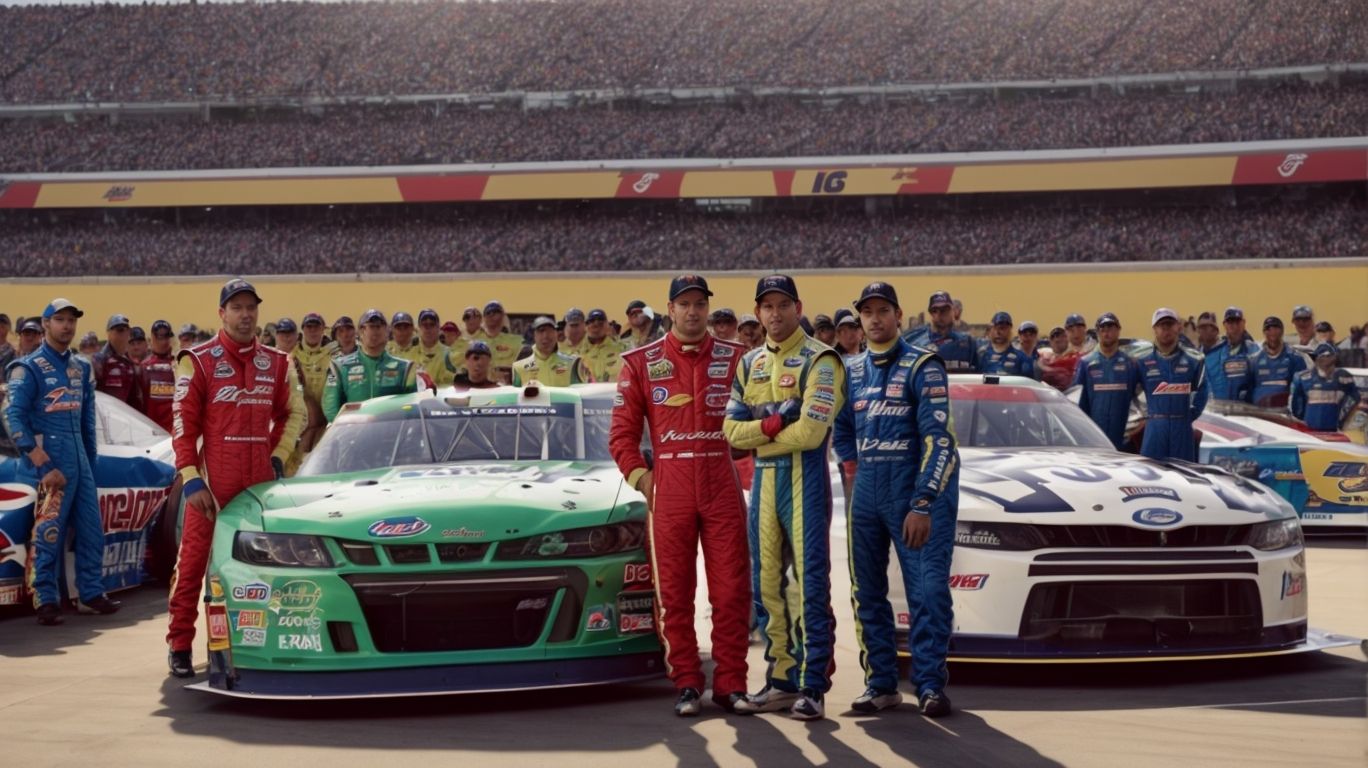
Stock cars in NASCAR refer to vehicles that are based on production models available to consumers but are modified for racing purposes.
These modifications enhance the performance of the vehicle, including alterations to the engine, suspension, aerodynamics, and safety features. Stock cars have a rich history in NASCAR, originating from the days of bootleggers modifying their cars to outrun authorities during Prohibition. Over the years, these vehicles evolved to become the iconic machines we see on the racetrack today, embodying the spirit of American ingenuity and innovation.
History of Stock Cars in NASCAR
The history of stock cars in NASCAR dates back to the early days of the sport when drivers competed in vehicles that closely resembled their factory counterparts.
As NASCAR gained popularity over the years, the need for improved performance and safety features in stock cars became evident. This led to significant milestones such as the introduction of roll cages, seat belts, and other safety innovations to protect drivers during high-speed races.
Technological advancements in aerodynamics, engine power, and chassis design have transformed stock car racing into a highly competitive and dynamic sport.
Stock car racing has had a profound impact on the motorsports industry, influencing racing technology and inspiring generations of racing enthusiasts. The NASCAR Cup Series, with its iconic races like the Daytona 500, has become a cultural phenomenon, attracting fans from around the world to witness the excitement and drama of stock car racing.
How Have Stock Cars Evolved in NASCAR?
Stock cars in NASCAR have evolved significantly over the years, with the introduction of Next Gen vehicles that incorporate advanced technology from manufacturers like Ford, Chevrolet, and Toyota.
The integration of complex aerodynamic designs in these Next Gen cars has revolutionized the racing dynamics, enhancing both speed and maneuverability on the track. Collaborations with Ford, Chevrolet, and Toyota have not only raised the bar for performance but also highlighted the importance of leveraging cutting-edge engineering for competitive advantage.
The upcoming shift towards incorporating hybrid engines in NASCAR vehicles is poised to not only improve fuel efficiency but also redefine the power delivery and overall performance metrics in the sport.
Why Did NASCAR Move Away from Stock Cars?
NASCAR transitioned away from traditional stock cars to enhance driver safety and improve the overall competitiveness and spectacle of motorsports.
One of the primary reasons behind this significant shift was the increasing focus on safety in the sport. Stock cars, while iconic, posed greater risks due to their limited safety features, especially at high speeds. By transitioning to modified race cars, NASCAR aimed to implement advanced safety technologies and design improvements to better protect drivers in the event of crashes or collisions.
The move to modified race cars allowed for substantial performance enhancements, making races more thrilling and unpredictable. These purpose-built cars are finely tuned for speed, handling, and aerodynamics, resulting in faster lap times and edge-of-the-seat competition, captivating both drivers and fans alike.
The evolving landscape of motorsports played a crucial role in NASCAR’s decision to switch to modified race cars. With advancements in engineering, materials, and racing technologies across the industry, the sport needed to adapt to stay relevant and competitive on a global scale. This shift enabled NASCAR to align itself with the changing demands of motorsports enthusiasts and maintain its position as a premier racing organization in the world.
What Are the Advantages of Non-Stock Cars in NASCAR?
Non-stock cars in NASCAR offer drivers increased performance capabilities, improved aerodynamic efficiency, and contribute to higher viewership numbers, especially during marquee events like the Daytona 500.
One of the key advantages of non-stock cars in NASCAR is the customization they allow for drivers. These cars can be tailored to specific driver preferences, enhancing control and comfort. The aerodynamic enhancements on these vehicles lead to smoother airflow, reducing drag, improving speed, and overall performance on the track. This not only benefits the drivers in terms of handling but also adds to the thrill and excitement for the viewers. Events like the Daytona 500 showcase these benefits, drawing in a larger audience with the promise of intense, high-speed racing.
What Are the Disadvantages of Non-Stock Cars in NASCAR?
Non-stock cars in NASCAR come with challenges such as increased complexity due to hybrid engines and the need for continuous innovation from manufacturers like Toyota Racing Development and Ford Performance Motorsports.
One of the main drawbacks of non-stock cars in NASCAR is the intricacy brought about by the incorporation of hybrid engines. These advanced powertrains not only add layers of complexity to the vehicles but also require specialized knowledge and maintenance to ensure optimal performance.
Manufacturers such as Toyota Racing Development and Ford Performance Motorsports constantly face the pressure of pushing boundaries and introducing new technologies to stay competitive. This demand for innovation translates to a challenging dynamic where the race to improve performance never ceases.
Will NASCAR Go Back to Stock Cars?
The possibility of NASCAR reverting to stock cars remains a topic of discussion among fans, drivers, and manufacturers, especially with the emergence of technologies like the Gen 7 racecar and electric racecars.
Switching back to stock cars in NASCAR could potentially reignite the excitement of traditional fans who appreciate the raw power and simplicity of these vehicles. With the Gen 7 racecar design focusing on enhancing competition and reducing costs, a return to stock cars aligns well with the goal of enhancing the on-track product.
The growing popularity of electric and hybrid technologies in the automotive industry could provide an interesting twist to the stock car racing scene. Envisioning electric racecars tearing up the tracks opens up new possibilities for sustainability and innovation while catering to a new wave of eco-conscious racing enthusiasts.
What Are the Arguments for Going Back to Stock Cars?
Proponents of reverting to stock cars in NASCAR cite reasons such as enhanced safety features, aligning with manufacturers’ production models, and drawing inspiration from successful transitions in other racing series like Formula 1.
Enhanced safety features in stock cars involve advancements like energy-absorbing materials, reinforced chassis, and improved driver safety systems. These updates aim to minimize the risks associated with high-speed racing, ensuring driver protection during collisions and accidents.
Aligning with manufacturers’ production models can lead to increased fan engagement and marketing opportunities for both the automotive industry and the racing teams. Drawing insights from Formula 1, which successfully combines innovation with performance, can further drive the evolution of NASCAR towards a more competitive and exciting future.
What Are the Arguments Against Going Back to Stock Cars?
Conversely, opponents of transitioning back to stock cars in NASCAR raise concerns about the impact on motorsports innovation, the potential shift away from current fan preferences, and the need to adapt to modern racing standards set by series like IndyCar and tracks like California Speedway.
These opponents argue that returning to stock cars could hinder the progression of motorsports technology and engineering advancements that have become integral to the sport’s evolution in recent years. Embracing more advanced design elements and technologies, they contend, allows for greater competition and pushes the boundaries of what cars can achieve on the track. They highlight that modern fans, especially younger demographics, seek excitement in the form of fast-paced action and cutting-edge features, which may not align with the traditional image attributed to stock cars.
What Would It Take for NASCAR to Go Back to Stock Cars?
For NASCAR to transition back to stock cars, it would require extensive research and development efforts by the organization’s R&D department, led by key figures such as Steve O’Donnell.
The R&D team’s responsibilities encompass diving into aerodynamics, engine specifications, and safety features, aligning with NASCAR’s commitment to innovation and performance. In parallel, investment in state-of-the-art technologies and testing facilities would be imperative to ensure the seamless integration of these advancements into the vehicles’ design. Fostering collaboration among engineers, designers, and drivers is crucial to gather holistic perspectives on enhancing both the on-track performance and fan experience. Steve O’Donnell’s leadership, backed by a dedicated team, would undoubtedly steer NASCAR towards a bold and successful reimagining of stock car racing.
What Changes Would Need to Be Made?
Transitioning to stock cars in NASCAR would entail significant changes such as collaborating with motorsports sanctioning bodies, integrating electric technology, and potentially introducing models inspired by vehicles like the Honda CR-V Hybrid Racer.
These transformations represent a shift towards a more sustainable and technologically advanced future for the sport. By working closely with sanctioning bodies, NASCAR can ensure that the transition is smooth and aligned with industry standards, paving the way for a new era of racing. The integration of electric technology not only promises enhanced performance but also addresses environmental concerns, positioning NASCAR as a leader in green initiatives within motorsports. The Honda CR-V Hybrid Racer, with its innovative design and eco-friendly features, sets a precedent for future developments in racing car models, showcasing the potential for a harmonious blend of tradition and modernity.
How Would This Affect the Sport and Its Fans?
The shift back to stock cars in NASCAR could have profound implications on the sport’s dynamics, impacting elements like the transition from hybrid powertrains to traditional setups, the introduction of Gen 7 racecars, and the responses from manufacturers like Kevin Harvick’s team.
The decision to return to stock cars marks a significant departure from recent technological advancements in the sport, potentially reverting to a more nostalgic and fan-engaging era.
Fans may appreciate the traditional feel and classic roots associated with stock cars, fostering a deeper connection to the sport’s heritage.
The shift could also lead to enhanced competition on the track, as teams adapt to the old-school setups and focus on pure racing strategies.
What Is the Future of Stock Cars in NASCAR?
The future of stock cars in NASCAR holds uncertainties and possibilities as the sport navigates evolving consumer preferences, explores new venues like Wembley Stadium, and adapts to the changing landscape of motorsports.
With fans increasingly desiring interactive and immersive experiences, NASCAR faces the challenge of integrating advanced technologies to enhance viewer engagement. The emergence of electric and autonomous vehicles in mainstream culture adds another layer of complexity for traditional stock car racing. Amidst all this, NASCAR’s strategic decisions in driver recruitment, sponsorship deals, and sustainability practices will play a crucial role in shaping its future trajectory.
Will There Be a Shift Back to Stock Cars?
The likelihood of a shift back to stock cars in NASCAR hinges on various factors, including the reception within the Cup series, the insights from motorsports experts like Andy Petree, and the alignment with broader trends in the motorsports industry.
One of the key aspects influencing NASCAR’s potential return to stock cars is the feedback from drivers, team owners, and fans within the Cup series. Their reactions and preferences play a significant role in shaping the direction of the sport. Experts such as Andy Petree, with their deep understanding of the technical and strategic aspects of racing, provide valuable perspectives on the viability and impact of transitioning back to stock cars.
The decision to embrace stock cars again would need to align with the evolving trends in the motorsports industry. Factors such as the growing emphasis on sustainability, safety innovations, and fan engagement could all influence this potential shift. By staying attuned to these industry dynamics, NASCAR can make informed decisions that resonate with both traditional enthusiasts and a newer, diverse audience.
What Are the Predictions for the Future of NASCAR?
Predictions regarding the future of NASCAR highlight potential shifts in race schedules, advancements in hybrid engine technologies, the role of OEMs and manufacturers like Mark Rushbrook in shaping the sport’s direction.
The intricate web of factors influencing NASCAR’s trajectory is vast, with fan engagement strategies, sustainability initiatives, and the evolution of racing venues also playing pivotal roles. As the sport adapts to a rapidly changing landscape, discussions around implementing hybrid engine technologies intensify, sparking debates on balancing performance with environmental impact. Collaborations between NASCAR and key manufacturers, including Ford Performance’s Mark Rushbrook, signify a move towards enhancing competition and fostering innovation within the racing community.
Frequently Asked Questions
Will Nascar Go Back to Stock Cars?
Is there a possibility of Nascar returning to using stock cars for races?
At this time, there are no plans for Nascar to go back to using stock cars for races.
Will Nascar Go Back to Stock Cars?
Why did Nascar stop using stock cars for races?
Nascar made the decision to move away from stock cars in order to improve safety and performance on the track.
Will Nascar Go Back to Stock Cars?
Are there any discussions or rumors about Nascar returning to stock cars?
There have been no official discussions or rumors about Nascar going back to using stock cars for races.
Will Nascar Go Back to Stock Cars?
What are the benefits of using stock cars in Nascar races?
Stock cars are more closely related to the cars seen on the road, making it more relatable for fans. They also present a challenge for drivers, as they are not specifically designed for racing.
Will Nascar Go Back to Stock Cars?
What are the downsides of using stock cars in Nascar races?
Stock cars can be more expensive to maintain and require more modifications to be race-ready. They also may not provide the same level of speed and performance as the current cars.
Will Nascar Go Back to Stock Cars?
Is there a chance for a hybrid option in Nascar, using both stock cars and current race cars?
Currently, there are no plans for a hybrid option in Nascar races. The focus is on continuing to improve and develop the current cars.