
Can a Nascar Driver Become a F1 Driver?
Have you ever wondered if a Nascar driver could make the leap to becoming an F1 driver?
In this article, we explore the differences between Nascar and F1, the skills required for each, and the challenges and advantages Nascar drivers face when transitioning to F1.
We also look at the success stories of Nascar drivers who have made the switch, as well as the obstacles they may encounter along the way.
Is it possible for a Nascar driver to become an F1 driver? Let’s find out.
Key Takeaways:
What is Nascar?
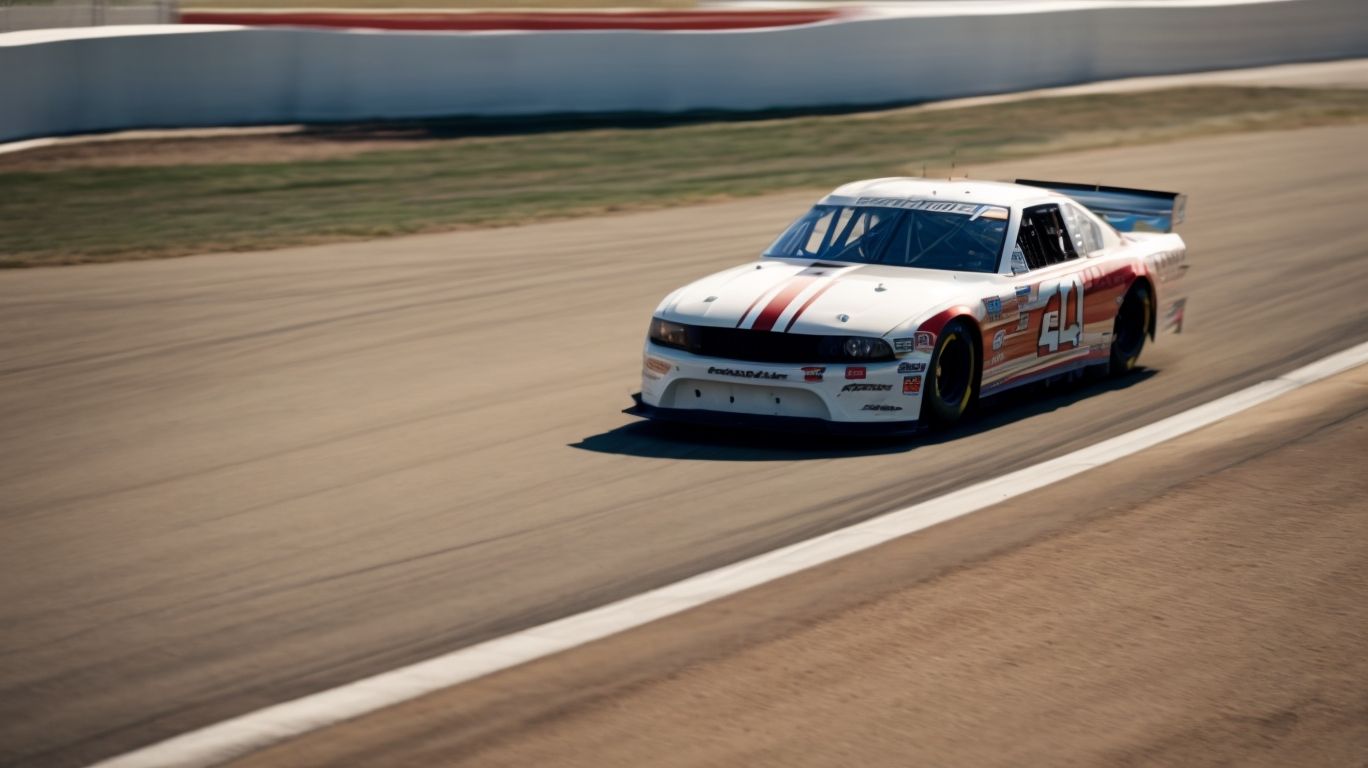
NASCAR, the National Association for Stock Car Auto Racing, is a prominent motorsport organization known for its thrilling races and skilled drivers.
Since its inception in 1948, NASCAR has captivated audiences worldwide with its high-speed races that highlight the prowess of drivers behind the wheel. The NASCAR Cup Series, formerly known as the Strictly Stock Series, has evolved over the years to become the premier racing event in the United States.
Daytona 500, the most prestigious race in NASCAR, held at the iconic Daytona International Speedway, is a pivotal event in the racing calendar, attracting top drivers and fans alike. The skill and precision required to navigate the oval tracks at breakneck speeds set NASCAR drivers apart from other motorsport athletes.
What is F1?
F1, also known as Formula 1, is the pinnacle of motorsport, featuring high-speed races and elite drivers competing in cutting-edge cars.
With a rich history dating back to the 1950s, F1 has evolved into a globally recognized sport, captivating millions of fans worldwide. The technology in Formula 1 cars is nothing short of revolutionary, with intricate aerodynamics, hybrid engines, and advanced materials pushing the boundaries of engineering excellence.
Iconic drivers like Michael Schumacher, Ayrton Senna, and Lewis Hamilton have left an indelible mark on the sport, showcasing unparalleled skill and passion on the track, making them household names beyond the realm of racing aficionados.
The glamour, speed, and adrenaline of F1 races draw in spectators from all corners of the globe, turning events like the Monaco Grand Prix and the Italian Grand Prix into iconic fixtures on the sporting calendar.
What are the Differences Between Nascar and F1?
NASCAR and F1 differ in various aspects such as race formats, car designs, and track types, showcasing distinctive characteristics in the world of motorsport.
One significant difference lies in the race formats where NASCAR primarily features oval tracks with left turns only, promoting close bumper-to-bumper action and frequent lead changes. On the other hand, F1 races on diverse tracks with varying layouts including street circuits, road courses, and traditional racetracks, demanding a mix of handling and speed skills from drivers.
- Another notable contrast is found in the car designs, with NASCAR emphasizing heavy, stock-style vehicles optimized for close-contact racing and drafting, while F1 focuses on lightweight, aerodynamic machines with intricate engineering and advanced technology.
In terms of competition formats, NASCAR events are usually longer with multiple stages and pit stops, fostering strategic decision-making, while F1 races typically consist of a single long-distance event where strategic tire and pit stop strategies play a crucial role.
What Skills Do Nascar Drivers Need?
NASCAR drivers require exceptional racing skills, physical fitness, mental focus, and strategic decision-making abilities to tackle the challenges of high-speed oval track racing.
One of the crucial racing techniques for NASCAR drivers is drafting, where they strategically follow closely behind another car to reduce air resistance and increase speed, a skill that requires precision and timing.
- Physical fitness is paramount for drivers, as they withstand high G-forces, extreme temperatures, and long hours behind the wheel, necessitating intense cardio and strength training routines.
- Mental resilience is key to staying focused during races, managing stress, making split-second decisions, and adapting to changing track conditions swiftly.
- Drivers must possess tactical acumen to understand race strategies, pit stop timing, tire management, and competitor behaviors.
What Skills Do F1 Drivers Need?
F1 drivers must possess exceptional racing talent, unwavering dedication, technical expertise, and the ability to handle the intense competition of Formula 1 circuits worldwide.
The highly competitive nature of Formula 1 demands that drivers not only excel in raw speed but also demonstrate strategic thinking and adaptability on the track. Their talent is not only seen in their quick reflexes and precise control of the car but also in their ability to make split-second decisions under immense pressure.
To succeed in Formula 1, drivers must show unwavering dedication to their craft, putting in countless hours of training both on and off the track. This level of commitment is essential to continuously improve and stay competitive against the best drivers in the world. Technical knowledge is crucial, as drivers must work closely with their engineers to fine-tune the setup of their cars, understanding complex vehicle dynamics and aerodynamics.
Can a Nascar Driver Transition to F1?
Transitioning from NASCAR to F1 presents a challenging yet possible career shift for drivers looking to adapt to the demands of Formula 1 racing.
While the high-speed thrills and intense competition in NASCAR are undeniably thrilling, Formula 1 offers a whole new level of precision and technical mastery that drivers must acclimate to. The aerodynamics of F1 cars, the emphasis on lightweight components, and the intricacies of tire management are some of the key differences that NASCAR drivers would need to master. The global reach and prestige of F1 could open up exciting opportunities for drivers seeking international recognition and a fresh challenge in their careers.
What Challenges Do Nascar Drivers Face When Transitioning to F1?
NASCAR drivers encounter challenges when transitioning to F1, including adapting to open-wheel cars, mastering complex race tracks, and adjusting to the intense competition in Formula 1.
One significant hurdle NASCAR drivers face is the shift from stock cars to the sleek, high-tech open-wheel machines in F1. The handling characteristics, aerodynamics, and driving style required in these cars differ greatly, demanding a comprehensive relearning process. The intricate and diverse range of tracks in Formula 1, from street circuits to traditional racecourses, presents a myriad of new challenges that demand precise adaptability.
The level of competition in F1 is exceptionally fierce, with seasoned drivers from around the globe pushing the limits of performance. This intense environment requires NASCAR drivers to hone their skills and strategies to match the pace and skills of experienced F1 professionals.
What Advantages Do Nascar Drivers Have When Transitioning to F1?
NASCAR drivers bring advantages to F1 transitions, such as race experience, strategic acumen, and mental toughness, enhancing their adaptability to the demands of Formula 1.
In the intense realm of NASCAR, drivers hone their skills through high-speed oval racing, demanding split-second decision-making. This background equips them with an innate sense of speed, crucial for mastering the blistering pace of Formula 1 circuits.
Their strategic acumen shines through in the calculated risk-taking involved in NASCAR, which translates seamlessly to the intricate tactical maneuvers required in F1 races. The ability to navigate through tight packs of cars in NASCAR gives them a unique edge when jostling for position among the grid of skillful F1 competitors.
Regarding mental resilience, NASCAR drivers face grueling schedules, enduring long races under immense pressure. This fortitude serves them well in the endurance tests of Formula 1, where races can stretch beyond two hours, demanding unwavering concentration and physical stamina.
What is the Process for a Nascar Driver to Become an F1 Driver?
The journey for a NASCAR driver to become an F1 driver involves acquiring Super License points, securing sponsorships, and gaining international racing experience to meet the stringent requirements set by the FIA.
One crucial step for a NASCAR driver eyeing an F1 transition is collecting Super License points. These points are earned through achieving specific results in various racing series.
- Participating in F1 feeder series such as Formula 2 or Formula 3
- Competing in international championships recognized by the FIA
Creating strong sponsorship arrangements is vital. It’s essential to secure financial backing to support the costly F1 journey, covering expenses like team fees, travel, and equipment. Gaining international racing exposure is key; NASCAR drivers need to showcase their skills outside the U.S., participating in races worldwide to adapt to diverse tracks and varying racing conditions.
What Are the Success Stories of Nascar Drivers Transitioning to F1?
Several NASCAR drivers have successfully transitioned to F1, with notable examples like Juan Pablo Montoya, Scott Speed, and Danica Patrick showcasing their talent and adaptability in the world of Formula 1.
The transition from NASCAR to F1 is a remarkable feat that requires exceptional skill and versatility. Juan Pablo Montoya, known for his aggressive driving style, successfully made the switch and achieved considerable success in the high-speed, precision-demanding world of Formula 1.
- Scott Speed, a former NASCAR driver, also demonstrated his potential in F1, proving that the transition is indeed possible with dedication and talent.
- Similarly, Danica Patrick, with her groundbreaking achievements in NASCAR, paved the way for female drivers in a male-dominated sport and showcased her capabilities in F1, inspiring many aspiring racers worldwide.
Juan Pablo Montoya
Juan Pablo Montoya, a former NASCAR driver, made a significant mark in F1 with his speed, aggressive driving style, and notable victories, showcasing the potential for successful transitions between racing disciplines.
Juan Pablo Montoya’s career spans across various racing disciplines, starting with his stint in NASCAR, where he achieved success with multiple wins and a reputation for his bold overtaking maneuvers. Transitioning to Formula 1, Montoya continued to impress with his raw speed and fearless driving, earning wins with the prestigious McLaren team. His victory at the 2003 Monaco Grand Prix stands out as a memorable moment in his F1 journey.
Montoya’s driving style was known for its intensity and willingness to push the limits, often leading to spectacular performances on the track. Despite facing challenges in F1, he managed to secure seven race wins and numerous podium finishes, solidifying his position as a formidable competitor in the racing world.
Scott Speed
Scott Speed, a former NASCAR competitor, successfully transitioned to F1, demonstrating his versatility, speed, and adaptability in the competitive landscape of Formula 1 races.
This transition speaks volumes about Speed’s exceptional driving skills and his ability to navigate the complex world of motorsport, showcasing his determination and passion for racing.
In NASCAR, Speed made a name for himself by clinching victories and mastering the high-speed ovals, while in F1, he proved his mettle on the demanding road courses and tight street circuits.
His smooth transition between the two disciplines underscores his talent and commitment to elevating his racing career to new heights.
Danica Patrick
Danica Patrick, a renowned NASCAR driver, ventured into F1 with determination, breaking barriers and showcasing her talent on international circuits, paving the way for female racers in the sport.
Patrick’s transition from NASCAR to F1 marked a significant shift in her career, where she faced new challenges on the global racing stage. Despite the differences in racing styles between NASCAR and F1, Patrick adapted remarkably, proving her versatility and skill as a driver.
Her achievements in NASCAR, including being the first woman to win a NASCAR Cup series pole, added to her legacy and set the stage for her foray into Formula 1. Patrick’s fearless approach and commitment to excellence inspired aspiring female racers worldwide, encouraging them to dream big and strive for success in male-dominated motorsport competitions.
What Are the Obstacles for Nascar Drivers to Become F1 Drivers?
NASCAR drivers face obstacles in their journey to becoming F1 drivers, including age considerations, limited international racing exposure, and the demanding physical requirements of Formula 1 competition.
Transitioning from NASCAR to Formula 1 poses unique challenges, with age often playing a key role in driver transitions. In the high-speed world of F1, where the average age of drivers tends to be younger, NASCAR drivers may find it daunting to compete against younger, often less experienced counterparts.
The limited opportunities for international racing exposure in the NASCAR circuit can hinder drivers seeking to make the leap to F1. The global nature of Formula 1 demands a diverse skill set and adaptability to various tracks, which may differ vastly from the oval tracks prevalent in NASCAR.
Physical fitness is another significant obstacle for NASCAR drivers eyeing F1 success. The demanding requirements of Formula 1, with its high G-force levels, strenuous braking zones, and sharp cornering, necessitate top-tier physical conditioning that goes beyond what is typically required in NASCAR.
Age
Age presents a significant obstacle for NASCAR drivers transitioning to F1, as the competitive landscape of Formula 1 favors younger talents with agility, reflexes, and long-term career potential.
In the fast-paced world of Formula 1, where split-second decisions can determine victory or defeat, the physical demands on drivers are immense. Physical fitness plays a crucial role, with drivers needing peak reflexes and agility to handle the high-speed maneuvers required in F1 racing.
The mental stamina required to stay focused during grueling races is equally vital, which often comes more naturally to younger drivers. While experience from NASCAR can bring valuable skills, the age factor remains a key consideration for those eyeing a transition to F1.
Lack of Experience in International Racing
Limited exposure to international racing acts as a significant hurdle for NASCAR drivers transitioning to F1, as familiarity with diverse tracks, competition styles, and race environments is essential for success in Formula 1.
In the world of Formula 1, diversity in racing experiences is key. Drivers who have only been exposed to the ovals and road courses of NASCAR may find themselves out of their element when faced with the twists and turns of iconic circuits like Monaco or the high-speed straights of Monza. Understanding how to adapt to varying track surfaces, weather conditions, and competition standards is crucial for making a smooth transition to the global stage of F1.
Physical Demands of F1
The intense physical demands of Formula 1 racing pose a significant challenge for NASCAR drivers transitioning to F1, requiring exceptional fitness levels, endurance, and strength to withstand the rigors of Grand Prix competitions.
In contrast to the oval tracks of NASCAR, F1 circuits are known for their sharp turns, elevation changes, and high-speed straightaways, demanding precise control over the car and quick reactions from the drivers. The physical toll of these aspects, combined with the longer race durations in Formula 1, necessitates a different level of physical conditioning.
Drivers must possess not only cardiovascular endurance to sustain high heart rates for extended periods but also muscular strength to handle the G-forces exerted during braking and cornering. The comprehensive fitness regimen of F1 drivers often includes intense cardiovascular workouts, strength training, and core exercises to enhance overall performance on the track.
Conclusion: Is it Possible for a Nascar Driver to Become an F1 Driver?
While transitioning from NASCAR to F1 presents significant challenges, with the right combination of talent, determination, and opportunities, it is indeed possible for a NASCAR driver to make a successful shift to the world of Formula 1 racing.
Many NASCAR drivers have shown great adaptability when making the move to Formula 1, leveraging their experience in high-speed racing, finely tuned racing instincts, and exceptional car control skills.
Strategic planning is key in navigating the differences between the two racing disciplines, including adjusting to new tracks, mastering the complexities of F1 cars, and adapting to the demanding international schedule of Formula 1 races.
Frequently Asked Questions
Can a Nascar Driver Become a F1 Driver?
Yes, it is possible for a Nascar driver to become a F1 driver.
What is the main difference between Nascar and F1?
Nascar races are primarily held on oval tracks while F1 races take place on a variety of tracks including road courses and street circuits.
Are the skills required for Nascar and F1 driving the same?
While both types of racing involve high speed driving, the skills and techniques required for Nascar and F1 are quite different. F1 drivers need to have extremely precise control and be able to handle different types of tracks, while Nascar drivers rely more on close-quarters racing and drafting.
Have any Nascar drivers successfully transitioned to F1?
Yes, a few Nascar drivers have successfully made the switch to F1, including Juan Pablo Montoya and Danica Patrick.
What are the challenges a Nascar driver may face when transitioning to F1?
Nascar drivers may struggle with the high level of physical fitness required for F1, as well as adapting to the different handling and aerodynamics of F1 cars.
Is it a common career move for Nascar drivers to switch to F1?
No, it is not a common career move for Nascar drivers to switch to F1. The two types of racing have different cultures and strategies, and it takes a unique skill set to succeed in both.