How Are Nascar Cars Transported?
Are you a NASCAR fan curious about how your favorite cars are transported from race to race?
We explore the different modes of transportation for NASCAR cars, how they are loaded and secured for transit, the safety measures taken during transportation, and the challenges faced in getting these high-performance vehicles from one track to the next.
We also discuss the preparation process before loading, protection measures during transportation, and what happens to the cars once they reach their destination.
Stay tuned to find out more!
Key Takeaways:
1. NASCAR cars are transported by land, sea, and air to race locations.
2. Specialized equipment and safety measures are used to load, secure, and protect the cars during transportation.
3. Weather and potential damage are key challenges in transporting NASCAR cars.
4. Prior to transportation, cars are thoroughly inspected and prepared with special covers and padding.
5. After transportation, cars are carefully unloaded, inspected, and maintained before being stored for the next race.
What is NASCAR?
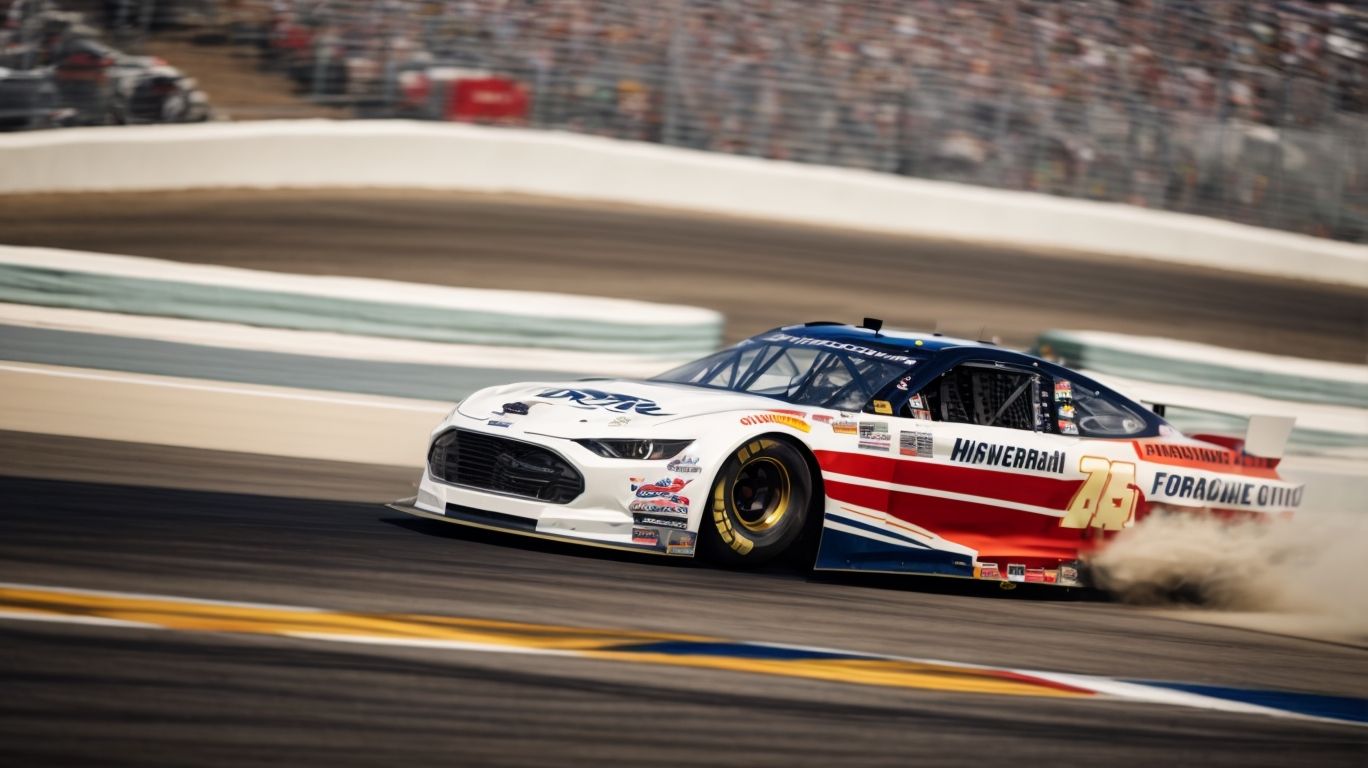
NASCAR, the National Association for Stock Car Auto Racing, is a premier auto racing sanctioning and operating company in America, known for its high-speed races featuring specialized race cars on oval tracks.
-
These unique race cars used in NASCAR events are specifically designed for oval track racing, with vehicles built to endure high speeds and close contact racing.
-
The competing teams in NASCAR, such as Hendrick Motorsports and Team Penske, are well-known for their fierce rivalry and top-notch performance on the track.
-
Renowned NASCAR drivers, like Jimmie Johnson, Dale Earnhardt Jr., and Richard Petty, have left a significant mark on the sport with their skill and bold driving tactics.
-
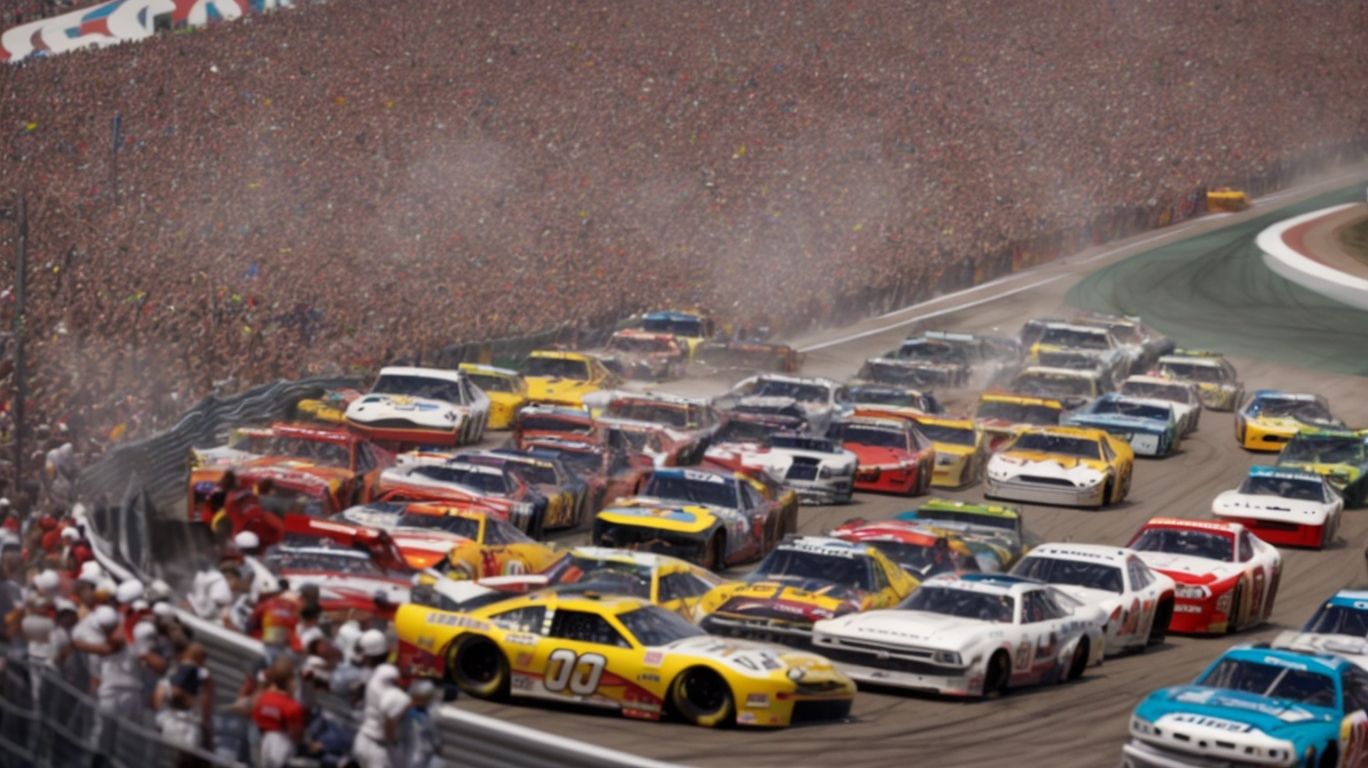
The thrilling races in NASCAR, held at iconic tracks like Daytona International Speedway and Talladega Superspeedway, captivate audiences worldwide with heart-pounding moments and photo finishes.
How Are NASCAR Cars Transported?
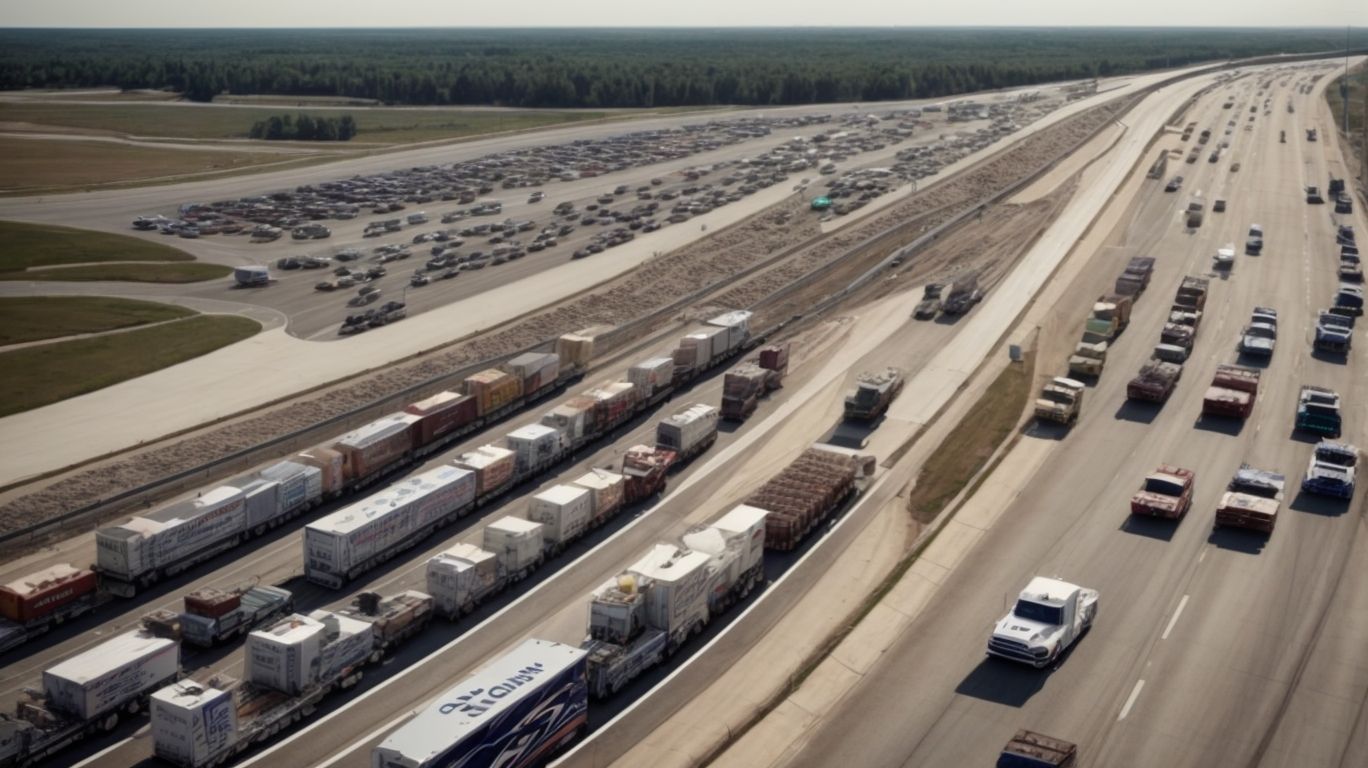
NASCAR cars are transported using specialized haulers designed to carry the race cars, equipment, and tools necessary for the race weekend’s operations.
These haulers are crucial for getting the cars safely and efficiently to each track, ensuring that the team has everything they need for a successful race weekend.
Hauler drivers play a pivotal role in this process, as they are responsible for operating these specialized vehicles. These haulers are equipped with advanced technology and features specific to NASCAR car transportation, such as climate control systems and secure tie-down mechanisms.
What Are the Different Modes of Transportation for NASCAR Cars?
NASCAR cars primarily utilize road transport for moving between race tracks, with dedicated road travel rosters and specialized race transporters ensuring the smooth organization of the logistics.
Transporting NASCAR cars and all the necessary equipment involved in racing events is a meticulously planned operation. The road transport process involves a fleet of specialized race transporters equipped with state-of-the-art technology to safely carry the vehicles from one track to another. These transporters come in various sizes, designed to accommodate multiple cars, spare parts, tools, and even mobile workshops for any necessary repairs en route.
The organization of road travel for NASCAR events requires precise coordination between teams, drivers, and logistical staff. It involves developing detailed itineraries, accounting for factors like travel distance, timing, and potential pit stops for refueling and rest. Each team typically has its dedicated road crew responsible for the transportation and maintenance of the vehicles throughout the journey.
How Are the Cars Loaded and Secured for Transportation?
Loading and securing NASCAR cars for transportation involves meticulous planning, ensuring that the primary and backup cars are securely fastened inside the hauler, with any necessary setup changes accommodated.
Once the cars are prepped and ready to load, the hauler’s ramps are lowered, and the cars are driven inside carefully. Each car is secured using specialized tie-downs and straps to prevent any movement during transit. It’s crucial to distribute the weight evenly, ensuring stability throughout the journey.
In some cases, setup changes may be required depending on the track and conditions. This can involve adjustments to the suspension, aerodynamics, or even the engine to optimize performance for the upcoming race.
Ahead of loading, thorough garage preparations are essential. Mechanics conduct final checks, ensuring everything from tire pressures to engine components are in prime condition to withstand the rigors of the race ahead.
What Are the Safety Measures Taken During Transportation?
Safety is paramount during the transportation of NASCAR cars, with dedicated road crews implementing technical protocols to ensure the vehicles arrive safely at the race track ahead of the exciting race weekend.
These road crews meticulously check every aspect of the transport vehicles, from securing the cars with specialized restraints to monitoring the climate control systems to maintain optimal conditions for the delicate equipment onboard.
The careful attention to detail not only safeguards the precious NASCAR vehicles but also upholds the stringent technical standards required for high-performance racing.
Ensuring that the cars reach the race location unscathed is crucial, as any damage incurred during transit could impact the team’s performance throughout the intense race weekend.
What Are the Challenges of Transporting NASCAR Cars?
Transporting NASCAR cars presents challenges associated with long-distance travel between race tracks, especially when moving from the East Coast to the West Coast, requiring meticulous planning and utilization of efficient work areas.
An integral aspect of this process is the careful handling and secure transport of these high-performance vehicles.
From specialized trailers equipped with advanced shock-absorption mechanisms to experienced drivers trained in driving in convoy formations, every detail must be taken into consideration. The sheer size and weight of the cars also pose difficulties in terms of road regulations and route planning.
How Is Weather a Factor in Transportation?
Weather conditions play a crucial role in NASCAR car transportation, with destinations like Phoenix, Las Vegas, and Fontana in California posing unique challenges due to varying climates and terrain.
In terms of transporting NASCAR cars, Phoenix, known for its scorching heat, demands special attention to avoid heat-related issues such as tire blowouts or engine overheating. Las Vegas, contrasting with Phoenix, introduces challenges with its arid desert climate, where dust storms and high winds can affect the transport process.
On the other hand, Fontana’s location in California brings a mix of climates, from the coastal influence to the inland heat, making it crucial for transport teams to adapt and prepare for a range of weather conditions.
What Are the Risks of Damage During Transportation?
Transporting NASCAR cars carries inherent risks of potential damage, necessitating the expertise of pit crews and meticulous planning by road travel rosters to mitigate any harm during the journey.
When NASCAR cars are transported from one track to another, they are exposed to various dangers that can affect their performance on race day. The delicate balance of these high-performance vehicles can be easily disrupted by vibrations, sudden movements, or even unfavorable weather conditions during transit.
Pit crews play a vital role in ensuring that any issues arising from transportation are swiftly addressed, performing thorough inspections and necessary repairs to keep the cars in optimal condition. This teamwork and quick response mechanism are crucial for keeping the cars race-ready and maintaining a competitive edge.
How Are NASCAR Cars Prepared for Transportation?
Before transportation, NASCAR cars undergo meticulous preparation, including practice runs to ensure optimal performance, oversight by the road crew, and technical checks to maintain racing standards.
Practice runs play a crucial role in identifying any potential issues with the NASCAR cars before they hit the road. These runs allow drivers to assess the vehicle’s handling, engine performance, and overall functionality, ensuring a smooth journey to the race location. The road crew, comprising experienced technicians and mechanics, closely monitors every aspect of the car to guarantee it meets all safety and performance standards. Technical checks involve inspecting crucial components like brakes, suspension, engine systems, and aerodynamics to ensure the car is in top-notch condition for transportation.
What Preparations Are Made Before Loading the Cars?
Ahead of loading the cars, NASCAR teams make critical preparations, including setup changes as needed, final checks in the garage, and ensuring all elements are ready for the upcoming race weekend.
Setup adjustments play a crucial role in optimizing the performance of the cars for each unique track. This includes tweaking the suspension, aerodynamics, and tire pressures to suit the specific characteristics of the upcoming race course. The garage activities encompass a range of tasks, from fine-tuning the engine and chassis to conducting thorough inspections of vital components. This meticulous process ensures that the cars are in peak condition before hitting the track. The readiness required for the impending race weekend involves not only technical preparedness but also mental and strategic planning for the challenges ahead.
How Are the Cars Protected During Transportation?
Ensuring the protection of NASCAR cars during transportation involves secure placement within the hauler, utilization of appropriate equipment, and reliance on specially designed car haulers to safeguard the vehicles.
Securing NASCAR cars within the hauler is a meticulous process that starts with precisely positioning the vehicles using specialized tie-down straps. These straps are engineered to withstand the high speeds and sharp turns encountered during transport, ensuring the cars remain stable throughout the journey. Plus this, impact-absorbing padding is strategically placed to prevent any damage in case of sudden movements. The use of wheel chocks and stabilizing bars further enhances the security of the cars, minimizing the risk of shifting or tipping during transit.
What Happens to the Cars After Transportation?
Upon reaching the destination, NASCAR cars undergo a series of post-transportation procedures, including unloading, meticulous inspections, necessary maintenance, and secure storage arrangements.
Once the NASCAR cars are unloaded from the transport vehicles, they are carefully driven or pushed to the designated inspection area.
Inspectors meticulously examine every inch of the cars, checking for any signs of damage, wear, or mechanical issues that may have occurred during transit.
After the inspections, the cars undergo necessary maintenance tasks such as oil changes, tire pressure adjustments, and overall tune-ups to ensure optimal performance on the track.
The cars are meticulously placed in secure storage facilities that are equipped to preserve their condition, including climate control systems and security measures to protect them from any potential harm.
How Are the Cars Unloaded and Inspected?
Unloading and inspecting NASCAR cars post-transportation is a critical phase, ensuring that the vehicles are safely removed from the haulers, undergo thorough inspections, and any necessary setup changes are implemented.
When NASCAR cars arrive at the race track after being transported, the unloading process is meticulously carried out to avoid any damage or issues. Teams inspect every aspect of the vehicle, from the engine to the suspension, to ensure they are in top condition for the upcoming race. Any wear and tear from the journey are also assessed and addressed promptly.
Setup adjustments play a crucial role during this phase as teams fine-tune the cars based on track conditions, weather forecasts, and other variables to enhance performance. The smallest tweak can make a significant difference in speed and handling, so precision is key.
This phase is of utmost importance as it sets the tone for the rest of the race weekend. Any oversight during inspection or setup could lead to mechanical failures or handling issues during the race, potentially costing valuable points or even the victory.
What Maintenance is Required After Transportation?
Post-transportation, NASCAR cars demand specific maintenance tasks, conducted in the garage environment, focusing on setup adjustments, performance checks, and ensuring the vehicles are race-ready.
After transporting NASCAR cars to the next race location, teams initiate a rigorous maintenance routine, addressing critical elements to optimize performance. This starts with thorough inspections of crucial components like suspension, brakes, and engine systems. Garage activities then proceed with aligning the car’s chassis, adjusting tire pressures, and fine-tuning aerodynamics for the specific track characteristics. The setup changes are meticulously recorded, ensuring that the vehicle is tailored to maximize speed and handling.
- The performance of the car is meticulously evaluated through simulations, test runs, and data analysis to identify areas for improvement. Engineers scrutinize telemetry data, onboard footage, and driver feedback to refine settings, aiming for enhanced competitiveness on race day.
In addition, the NASCAR team meticulously prepares the car for the upcoming race, ensuring it complies with technical regulations and safety standards. This involves final checks on all systems, implementing any last-minute adjustments, and conducting practice sessions to fine-tune the vehicle further.
How Are the Cars Stored After Transportation?
Storage of NASCAR cars post-transportation involves meticulous planning by the road crew, determining suitable locations like the upper deck or lounge areas within the haulers for secure and organized storage.
The road crew, responsible for the overall logistics of the NASCAR team, plays a crucial role in coordinating the storage arrangements. They strategize the placement of each car with precision to ensure easy access and protection. The upper deck is often preferred for housing cars that require quick maintenance or tuning, while the lounge serves as a dedicated area for storing tools, spare parts, and equipment. Organized storage not only facilitates efficient operations during race weekends but also helps safeguard valuable assets from any potential damage or loss.
Frequently Asked Questions
What is the process of transporting Nascar cars?
Nascar cars are transported through a carefully planned process that involves specialized trucks, teams, and logistics to ensure their safe arrival at the race track.
How are Nascar cars loaded onto the transportation trucks?
Nascar cars are loaded onto transportation trucks using a ramp or lift system, and secured with straps and clamps to prevent any damage during transit.
What types of trucks are used to transport Nascar cars?
Nascar cars are typically transported using custom-built hauler trucks, designed specifically for the purpose of transporting race cars and equipment.
How many cars can fit on one Nascar hauler truck?
Nascar hauler trucks can typically fit 2-3 race cars, depending on their size, and also have space for equipment and tools needed by the race team.
Are Nascar cars transported with their engines?
Yes, Nascar cars are transported with their engines, but they are taken apart and packed separately to avoid any potential damage during transit.
How long does it take for Nascar cars to arrive at the race track?
Depending on the distance and logistics involved, it can take anywhere from a few hours to a few days for Nascar cars to arrive at the race track where they will compete.