How Much is a Nascar Engine?
Curious about what makes a Nascar engine unique?
We will explore the key components that set a Nascar engine apart from a regular car engine. From the block to the fuel system, we will break down the intricacies of these high-performance machines.
Delve into the costs associated with building, buying, or renting a Nascar engine, as well as factors that influence pricing.
Find out whether purchasing a used Nascar engine is a viable option and learn about the maintenance costs involved.
Key Takeaways:
What Is a Nascar Engine?
A NASCAR engine is a high-performance power unit specifically designed for NASCAR races, known for its exceptional horsepower and reliability on the track.
These engines are meticulously crafted to meet the stringent standards of NASCAR, incorporating cutting-edge technology to deliver optimal performance under extreme racing conditions. The heart of a NASCAR engine lies in its V8 configuration, producing upwards of 750 horsepower to propel the cars at blistering speeds around the oval tracks.
Each component of the engine undergoes rigorous testing and fine-tuning to ensure maximum efficiency and durability, with specialized materials and advanced engineering techniques utilized to enhance power output and fuel efficiency. The aerodynamics and power-to-weight ratio of the engine are crucial in determining a car’s competitive edge, influencing its speed, handling, and overall performance on the race track.
How Is a Nascar Engine Different from a Regular Car Engine?
A NASCAR engine differs from a regular car engine in terms of its specialized design for racing purposes, higher horsepower output, and the use of advanced technology tailored for competitive performance in NASCAR events.
One significant distinction lies in the horsepower output of a NASCAR engine, which can reach up to 850 horsepower compared to the typical 200-300 horsepower of a standard car engine. This immense power is essential for NASCAR vehicles to achieve high speeds on oval tracks.
NASCAR engines are purpose-built machines that prioritize performance over durability when compared to conventional car engines. The design of these high-performance engines involves lightweight components, such as titanium valves and connecting rods, to enhance speed and responsiveness.
The advanced technology integrated into NASCAR engines includes fuel injection systems, electronic fuel management, and engine mapping software tailored to optimize power output and fuel efficiency during races. These sophisticated components contribute to the precision and reliability required for competitive racing at the professional level.
What Are the Components of a Nascar Engine?
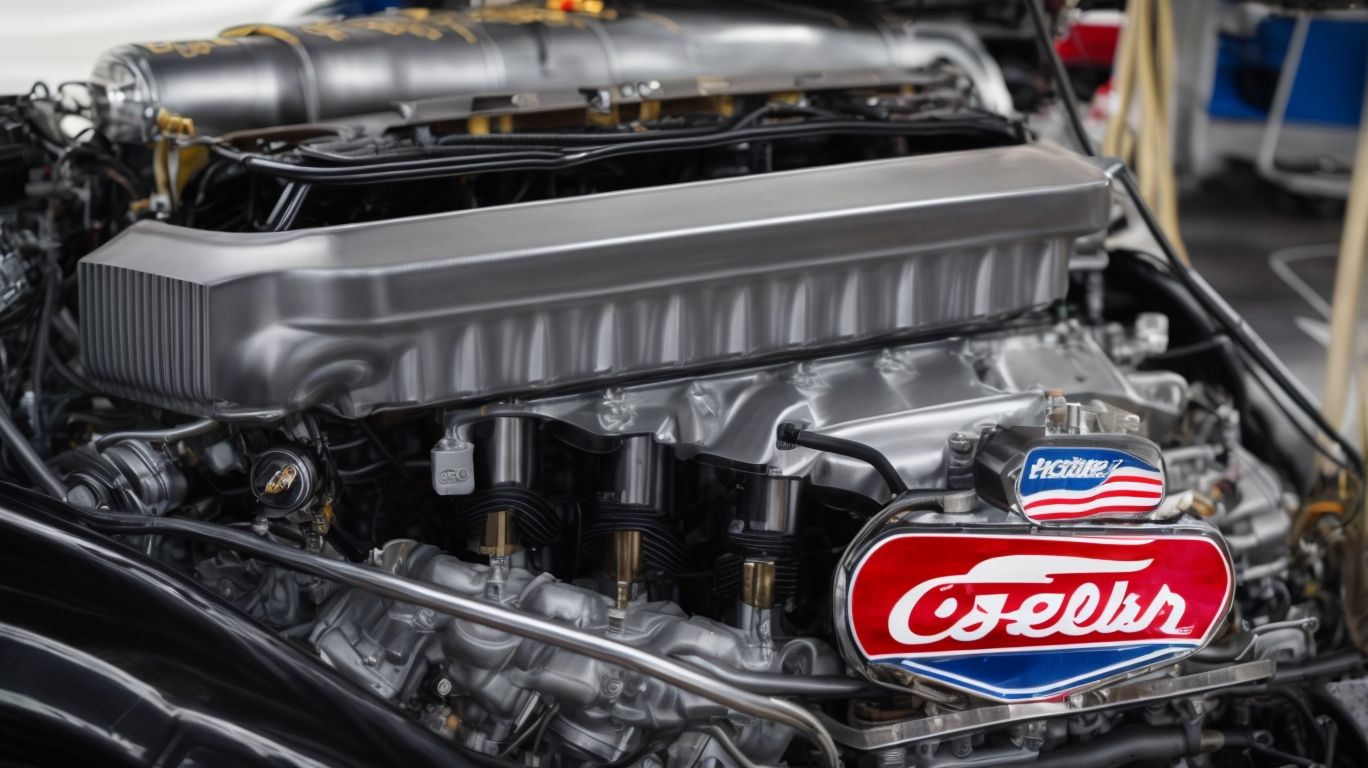
The components of a NASCAR engine include the block, crankshaft, cylinder heads, pistons, camshaft, valvetrain, fuel system, ignition system, and exhaust system, each playing a crucial role in generating high horsepower and ensuring peak performance.
The engine block serves as the foundation of the NASCAR engine, housing all the major components and providing structural integrity. It must withstand extreme temperatures and pressures, making material selection crucial.
Next, the crankshaft converts up-and-down motion into rotational energy, powering the vehicle. Cylinder heads house the combustion chambers and valves, essential for efficient fuel combustion. Pistons move up and down within the cylinders, transferring power to the crankshaft. The camshaft controls the opening and closing of valves, influencing engine performance.
The valvetrain includes components like rocker arms, pushrods, and valves, regulating the airflow into and out of the engine. The fuel system delivers the necessary fuel-air mixture for combustion, while the ignition system ignites this mixture at the precise moment for optimal power output. The exhaust system removes gases from the engine, improving efficiency and performance.
Block
The block of a NASCAR engine serves as the foundation that houses the cylinders, pistons, and other vital components, providing structural integrity and stability under high-performance racing conditions.
The block in a NASCAR engine is typically made of aluminum or cast iron due to their strength, durability, and heat dissipation properties. Design considerations for the block include factors such as weight, cooling efficiency, and space for internal features like the crankshaft, camshaft, and oil passages.
The block’s design also impacts the engine’s center of gravity, affecting the car’s handling on the track. As one of the heaviest components of the engine, the block plays a significant role in determining the overall performance and reliability of the NASCAR vehicle.
Crankshaft
The crankshaft in a NASCAR engine converts the linear motion of the pistons into rotational motion, transferring power to the transmission and ultimately propelling the race car forward with precision and efficiency.
Constructed from high-strength steel or alloy, the crankshaft undergoes intense design scrutiny to withstand the immense stresses of a high-performance racing environment. Engineers carefully consider factors like weight distribution, balance, and vibration control to ensure optimal performance.
The crankshaft plays a crucial role in the engine’s power delivery system by controlling the timing and duration of the combustion process, allowing for precise power output. Its intricate design allows for smooth operation and efficient energy transfer throughout the engine, contributing significantly to the overall performance of the NASCAR vehicle.
Cylinder Heads
The cylinder heads in a NASCAR engine play a critical role in housing the combustion chambers, intake/exhaust valves, and spark plugs, contributing to efficient airflow, fuel combustion, and overall engine performance on the racetrack.
Cylinder heads are strategically designed to optimize airflow within the engine, with precise intake and exhaust ports that ensure a smooth passage for air and fuel mixture. These components are finely tuned to promote efficient combustion, enhancing the engine’s power output and performance during high-speed races.
The design of a NASCAR cylinder head is also crucial for maintaining engine temperature. The material composition and cooling mechanisms incorporated in the cylinder heads help dissipate excess heat generated during intense racing conditions, ensuring consistent performance and durability throughout the race.
Pistons
Pistons in a NASCAR engine are essential components responsible for translating the force of combustion into mechanical energy, driving the crankshaft and generating power to propel the race car at high speeds around the track.
These carefully constructed pistons play a crucial role in the engine’s operation. Typically made from aluminum alloys for their lightweight properties and heat resistance, pistons are precision-engineered components that fit snugly within the engine cylinder. The intricate design includes features such as piston rings that help seal the combustion chamber, ensuring optimal power generation. When the fuel-air mixture ignites in the cylinder, the piston is forcefully driven down, transferring the energy to the connecting rod and ultimately to the crankshaft. This efficient energy conversion process is what propels the vehicle forward with immense power and speed.
Camshaft
The camshaft in a NASCAR engine controls the timing of valve opening and closing, optimizing engine performance, fuel efficiency, and horsepower output, crucial for achieving competitive success on the NASCAR circuit.
Through its intricate design and precise timing, the camshaft plays a pivotal role in coordinating the actions of the engine’s valves, ensuring seamless synchronization between the intake and exhaust phases. This synchronization is essential for maintaining the engine’s powerband and torque curve, allowing the vehicle to accelerate efficiently out of corners and reach impressive speeds on the straights.
Performance tuning of the camshaft involves adjusting the duration and lift profiles to suit the specific track characteristics and racing conditions. By fine-tuning these parameters, engineers can optimize the engine’s power delivery, responsiveness, and overall performance, giving the driver a competitive edge on the racetrack.
Valvetrain
The valvetrain in a NASCAR engine consists of valves, rocker arms, pushrods, and camshaft components, coordinating the precise opening and closing of valves to regulate airflow and fuel intake, essential for optimizing engine performance during races.
Valves, operated by the camshaft, open and close at specific timings determined by the camshaft’s profile, allowing air and fuel to enter the combustion chamber while expelling exhaust gases.
- Rocker arms, linked to the camshaft by pushrods, transfer the vertical motion of the camshaft to horizontal movement to actuate the valves.
- The pushrods transmit the motion from the camshaft to the rocker arms, controlling the valve movement accurately as per the engine’s requirements.
This coordination in the valvetrain is crucial for effective airflow management, combustion efficiency, and ultimately, achieving peak power output on the race track.
Fuel System
The fuel system of a NASCAR engine comprises fuel injectors, pumps, lines, and regulators, delivering the precise amount of fuel needed for combustion, optimizing performance, and ensuring consistent power output during races.
Each component in the fuel system plays a crucial role in the engine’s functionality. Fuel injectors precisely spray fuel into the combustion chamber, ensuring efficient burning. Fuel pumps constantly deliver fuel under high pressure to meet the engine’s demands, while the fuel lines transport it throughout the system. Regulators maintain the proper pressure, ensuring a steady supply. This intricate system not only maximizes power output but also enhances fuel efficiency, crucial for endurance in NASCAR races.
Ignition System
The ignition system in a NASCAR engine includes spark plugs, coils, wires, and control modules, generating the spark needed to ignite the fuel-air mixture, facilitating combustion, and ensuring reliable engine performance throughout the race.
Spark plugs play a pivotal role in the ignition process by creating the initial arc of electricity that ignites the compressed fuel mixture. Coils amplify the battery’s low voltage to the thousands of volts required for the spark. Wires efficiently carry this high voltage to the spark plugs. Control modules act as the brain of the system, coordinating the timing of the spark to optimize power output and fuel efficiency.
The synchronized function of these components not only initiates combustion but also contributes significantly to the engine’s power delivery and overall performance on the track. A well-maintained and precisely tuned ignition system can make a substantial difference in a NASCAR race, where milliseconds can determine victory.
Exhaust System
The exhaust system of a NASCAR engine consists of headers, pipes, mufflers, and catalytic converters, managing the flow of exhaust gases, reducing back pressure, and enhancing engine efficiency and performance on the track.
The headers are specifically designed to efficiently collect the exhaust gases from each cylinder and funnel them into a single pipe.
This integrated system ensures that the engine can expel the burnt gases swiftly, allowing for better combustion efficiency and power generation.
The catalytic converters play a crucial role in reducing harmful emissions by converting toxic gases into less harmful substances before they exit the tailpipe.
What Is the Cost of a Nascar Engine?
The cost of a NASCAR engine can vary significantly depending on whether it is built, bought, or rented, with expenses covering manufacturing, maintenance, and performance upgrades to enhance race competitiveness.
Building a NASCAR engine involves substantial costs not just in terms of materials but also in skilled labor for assembly and tuning, often reaching hundreds of thousands of dollars. On the other hand, buying a pre-built engine can provide a more straightforward option with a clear upfront price tag but might lack the customization potential that comes with a bespoke-built engine. Renting an engine for races can be a cost-effective short-term solution for teams looking to minimize initial investment, especially for occasional race entries.
Building a Nascar Engine
Building a NASCAR engine involves significant costs related to sourcing components, labor, testing, and tuning, with expenses varying based on the specific requirements, performance goals, and technical specifications of the engine.
When considering component sourcing, crucial elements like the engine block, cylinder heads, pistons, crankshaft, and camshaft must meet strict NASCAR regulations, often leading to customized or specialized manufacturing processes to ensure top-notch performance.
Labor expenses play a pivotal role in this process as skilled technicians and engineers are needed to assemble, fine-tune, and test the engine meticulously, requiring expertise in areas such as airflow dynamics, fuel mixture optimization, and power delivery.
Testing involves rigorous dynamometer runs, track simulations, and real-world trials to fine-tune the engine’s performance under various conditions, ensuring optimal power output, fuel efficiency, and reliability on the race track.
Performance tuning is a continuous process, where data analytics, telemetry feedback, and driver input are analyzed to make precise adjustments, maximizing horsepower, torque delivery, and overall engine efficiency.
Buying a Nascar Engine
Buying a NASCAR engine entails upfront costs for acquiring a ready-made racing engine from reputable manufacturers or teams, with pricing influenced by brand reputation, performance specifications, and included components.
One of the key cost factors in the purchase decision is the brand reputation of the engine manufacturer. Premium brands with a history of success in NASCAR may command higher prices due to their proven track record and technological advancements.
The performance specifications of the engine, such as horsepower, torque, and durability, play a significant role in determining its price point. It’s not just about the initial investment, but also the long-term value that the engine can bring to a racing team.
Renting a Nascar Engine
Renting a NASCAR engine provides teams with a cost-effective option to access high-performance engines for specific races or seasons, with expenses typically structured around lease agreements, maintenance fees, and performance incentives.
One key benefit of opting for engine rentals is the flexibility they offer, allowing teams to adapt their engine choices based on race tracks and competition requirements. By leasing engines instead of purchasing them outright, teams can save significant upfront costs, especially for one-off races or for testing purposes. Rental agreements often include provisions for engine testing and tuning, ensuring that teams can optimize performance without shouldering the entire financial burden of engine maintenance.
What Factors Affect the Cost of a Nascar Engine?
Several factors influence the cost of a NASCAR engine, including the type of engine, performance level, manufacturer, and availability, all of which impact the overall expenses related to building, buying, or renting a competitive racing engine.
Engine type plays a crucial role in determining the cost, with high-performance engines usually commanding a higher price due to the advanced technology and materials used. Performance considerations, such as horsepower output, torque, and reliability, also contribute significantly to the cost as teams seek to gain a competitive edge on the track. Manufacturer influences, like brand reputation and research and development costs, further impact pricing. Availability factors, such as production volumes and lead times for custom builds, can create variations in cost depending on supply and demand dynamics.
Type of Engine
The type of NASCAR engine chosen significantly affects the cost, with options ranging from standard V8s to advanced hybrid engines, each offering distinct performance attributes, technical complexities, and associated expenses.
When comparing the two engine types, V8 engines are revered for their raw power and traditional roar that resonates with NASCAR enthusiasts. Their simplistic design and proven durability have made them a staple in the racing world, but they come with substantial upfront and maintenance costs.
On the other hand, hybrid engines, leveraging electric power for enhanced efficiency and performance, represent the future of NASCAR, showcasing cutting-edge technologies and pushing the boundaries of innovation in the sport, though they involve higher initial investments due to their intricate systems and components.
Performance Level
The performance level of a NASCAR engine directly influences its cost, with higher-performance engines requiring advanced components, precision tuning, and meticulous maintenance to deliver superior horsepower and competitive edge on the track.
Enhancing the components of a NASCAR engine, such as high-performance camshafts, modified intake systems, and upgraded exhaust systems, can significantly boost its power output and efficiency. These enhancements not only improve the engine’s overall performance but also contribute to its longevity under intense racing conditions.
Tuning modifications play a crucial role in optimizing the engine’s fuel combustion, air intake, and exhaust flow, ensuring that every drop of fuel is utilized efficiently to generate maximum power. Advanced engine tuning software allows for precise adjustments to ignition timing, fuel delivery, and other parameters to extract the best performance from the engine.
Regular maintenance routines, including routine inspections, oil changes, and component replacements, are essential to keep the engine running smoothly and prevent costly breakdowns during races. By investing in these upgrades and maintenance procedures, teams can achieve a cost-effective way to enhance the overall performance of their NASCAR engines and stay competitive on the track.
Manufacturer
The choice of manufacturer influences the cost of a NASCAR engine, with renowned brands like Chevrolet, Ford, and Toyota offering competitive engines at varying price points based on reputation, performance history, and technical innovations.
When considering cost factors, it’s essential to delve deeper into the brand reputations.
- Chevrolet, known for its powerful engines and strong legacy in NASCAR, may come at a higher price due to its track record of success.
- Ford, on the other hand, offers a blend of performance and affordability, attracting teams seeking a competitive edge without breaking the bank.
- Toyota, with its focus on sustainability and cutting-edge technology, may present a different pricing structure reflecting its commitment to innovation.
Availability
The availability of NASCAR engines can affect costs, with limited production runs, custom builds, or exclusive models commanding premium prices due to scarcity, performance exclusivity, or specialized features tailored for specific racing needs.
When considering the cost dynamics related to NASCAR engines, one must delve into the intricate world of production runs. Typically, the smaller the production run of a particular engine model, the higher the cost it commands. Engine manufacturers have to recover the substantial development costs and ensure profitability within limited sales volumes.
The customization options available can significantly impact the final price. Racing teams may opt for bespoke modifications to enhance performance, durability, or efficiency. The higher the degree of customization or unique features requested, the more the cost is likely to escalate.
Is It Possible to Buy a Used Nascar Engine?
Buying a used NASCAR engine is a viable option for teams looking to balance performance needs with budget constraints, offering cost-effective solutions through refurbished or previously raced engines that can deliver competitive power on the track.
One of the primary advantages of opting for a used NASCAR engine is the substantial cost savings it can bring to a racing team. The initial acquisition cost of a pre-owned engine is significantly lower than that of a brand-new one, making it an attractive proposition for teams aiming to maximize their financial resources.
Beyond the monetary benefits, these engines often come with a proven track record of performance reliability. Despite having been previously used, these engines are meticulously inspected and refurbished to ensure they meet the high standards of NASCAR racing, offering a level of dependability that can rival that of new engines.
Strategically, investing in a used NASCAR engine can also provide teams with the advantage of having additional power units at their disposal. This can be particularly valuable in situations where teams need backup engines or want to experiment with different setups without incurring the full cost of purchasing multiple new engines.
What Are the Maintenance Costs for a Nascar Engine?
The maintenance costs for a NASCAR engine encompass regular service intervals, component replacements, tuning adjustments, and performance enhancements, all aimed at sustaining engine reliability, optimizing power output, and ensuring competitive performance throughout the racing season.
Regular service intervals are crucial to keep the engine running at its peak performance. This involves frequent oil changes, spark plug replacements, and overall inspection to address any potential issues. These services are not only preventive but can also extend the engine’s lifespan.
Component replacements include parts such as pistons, valves, and gaskets that wear out over time due to the extreme stress of racing. These replacements are often scheduled based on the mileage or duration of use, and can vary in cost depending on the specific part.
Tuning adjustments are essential to fine-tune the engine’s parameters for optimal performance on different tracks and weather conditions. This process involves adjusting fuel mixtures, ignition timing, and airflow to achieve the desired power and efficiency.
Performance enhancements are optional upgrades that can increase horsepower and torque, such as installing better exhaust systems, camshafts, or cylinder heads. These modifications can significantly improve the engine’s overall performance but come at an additional cost.
Frequently Asked Questions
How much does a Nascar engine cost?
The cost of a Nascar engine can vary greatly, but on average, it can range from $45,000 to $80,000. This price includes the engine itself, as well as all the necessary components and labor for installation.
Why are Nascar engines so expensive?
Nascar engines are highly specialized and require extensive research, development, and testing to meet the rigorous demands of professional racing. Additionally, the materials and technology used in Nascar engines are top-of-the-line, contributing to the high cost.
How long does a Nascar engine last?
A Nascar engine is designed to last for one race, which can range from 300 to 500 miles. After each race, the engine is completely rebuilt, with some components being replaced and others being refreshed for optimal performance.
Can you buy a Nascar engine for personal use?
Typically, Nascar engines are not available for purchase for personal use. They are specifically designed for Nascar racing and require special training and expertise to operate and maintain. However, some companies may offer replicas of Nascar engines for display purposes.
What makes a Nascar engine different from a regular car engine?
Nascar engines are highly modified versions of regular car engines. They are larger, have higher horsepower and torque, and are designed to withstand the intense heat and stress of racing. Nascar engines also use specialized parts and technology, such as fuel injection and dry sump oil systems, to improve performance on the track.
Do all Nascar teams use the same engine?
No, each Nascar team is responsible for building and maintaining their own engines. However, they must adhere to strict regulations set by Nascar to ensure fairness and competitiveness among all teams. Teams may also purchase engines from approved engine builders.