What is Parc Ferme F1?
Parc Ferme F1 is a term frequently heard in Formula 1 racing, but what does it mean exactly? This article will delve into the rules, implementation, and effects of Parc Ferme F1 on both qualifying and the race itself.
From the restrictions on car modifications to the controversies surrounding it, we will explore how Parc Ferme F1 has evolved over the years and its presence in other motorsports.
So, buckle up and get ready to learn all about Parc Ferme F1!
Key Takeaways:
What Is Parc Ferme F1?
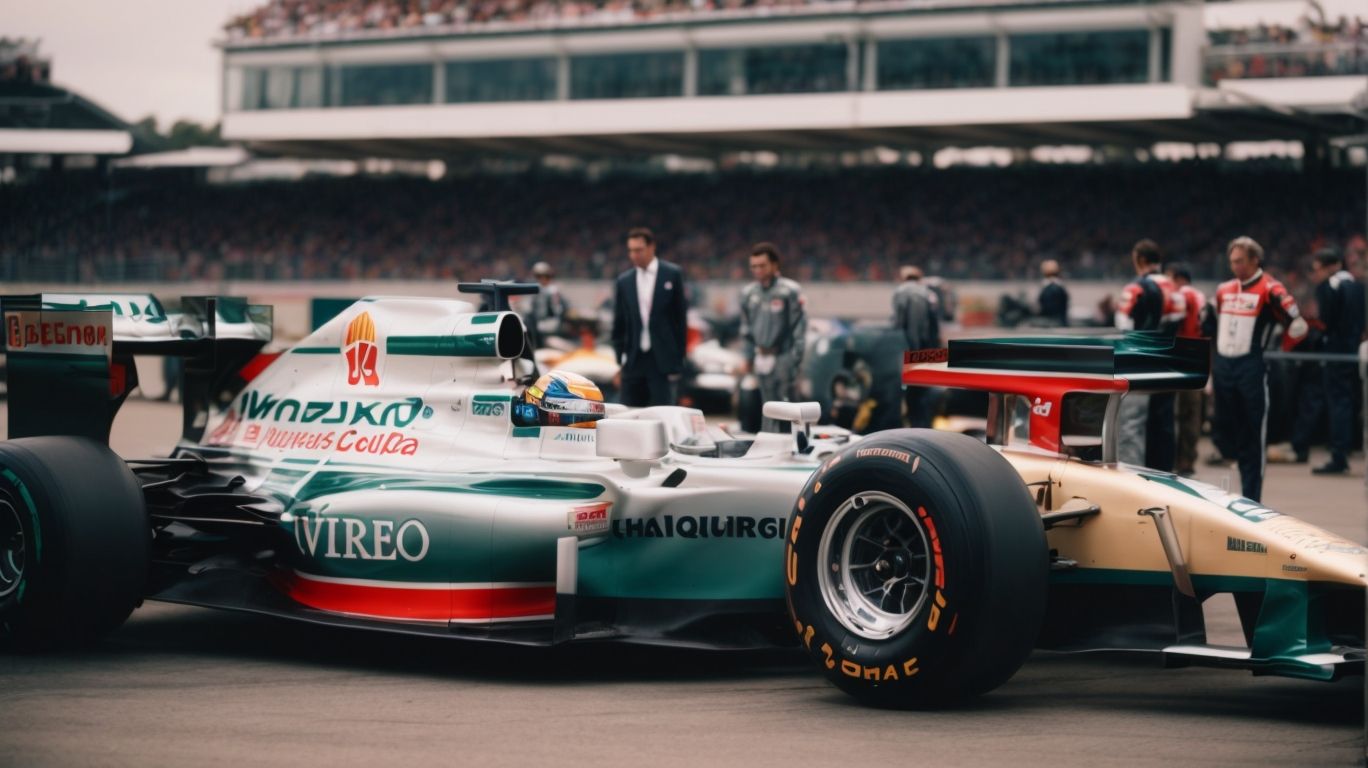
Parc Fermé F1 refers to a secure and restricted area where Formula One cars are placed under specific conditions and regulations set by the FIA governing body.
This area comes into play during specific stages of the race weekend. After a certain point, usually beginning with the qualifying session until the start of the race, the cars are subject to Parc Fermé rules. This means that teams cannot make significant changes to the cars. These restrictions include not being able to work on the car’s setup or aerodynamics, ensuring that each team competes on a more level playing field. The goal is to prevent teams from gaining an unfair advantage through last-minute modifications.
Why Is Parc Ferme F1 Implemented?
Parc Fermé F1 is implemented to ensure fair competition, adherence to FIA Formula One regulations, and scrutiny by appointed scrutineers to maintain the integrity of the sport.
Ensuring fairness is paramount in any competitive sport, and Formula One racing is no exception. The concept of Parc Fermé F1 was introduced to create a level playing field for all teams and drivers. By restricting access to the cars after qualifying and before the race, it prevents teams from making significant changes that could provide an unfair advantage. This restriction promotes transparency and upholds the spirit of true competition.
What Are The Rules Of Parc Ferme F1?
The rules of Parc Fermé F1 dictate strict limitations on modifications to key components such as the gearbox and power unit, ensuring that teams comply with FIA regulations and maintain the integrity of the race.
Teams must adhere to these regulations post-qualifying, with restrictions in place to prevent any alterations that could provide a competitive advantage. The Parc Fermé rules aim to create a fair playing field by limiting changes that could enhance performance. For instance, teams are forbidden from adjusting major components like the gearbox or power unit to maintain parity among competitors.
When Does Parc Ferme F1 Start?
Parc Fermé F1 commences after the conclusion of the qualifying session, where cars are placed in position on the grid according to their qualifying results.
Once the qualifying session reaches its conclusion, the cars that participated are then placed in a designated area known as Parc Fermé F1. This area effectively serves as a controlled environment to ensure that teams cannot make any significant modifications to the cars before the upcoming race.
The timing of the Parc Fermé F1 initiation is crucial and takes place shortly after the qualifying session concludes. This method guarantees that all vehicles are arranged on the grid based on their performance during the qualifying rounds. This arrangement not only adds a strategic element to the race but also ensures a fair starting position for each driver.
What Happens During Parc Ferme F1?
During Parc Fermé F1, teams are restricted from making significant repairs or changes to the cars, with scrutineers monitoring compliance with FIA regulations, even in the event of weather changes.
In this highly controlled area, teams must carefully abide by the strict rules set by the FIA to maintain fairness and safety in the race. Scrutineers meticulously oversee every activity to prevent any unauthorized modifications that could provide an unfair advantage. This means that even if the weather conditions suddenly shift, teams are limited in their ability to adjust the setup of the cars, emphasizing the importance of strategic planning and adaptability in the sport.
What Changes Can Be Made To The Car During Parc Ferme F1?
Only limited changes are permitted to the car during Parc Fermé F1, primarily focusing on minor repairs or adjustments to ensure compliance with FIA regulations and safety standards.
These adjustments are allowed to address safety concerns or minor damages sustained during the race. Any alterations must be approved by the FIA scrutineers to prevent unfair advantages or breaches of technical regulations. Teams must meticulously document and report any modifications made, providing transparent information on the changes applied.
Strict guidelines dictate the extent of repairs permitted, ensuring that the cars stay within the defined parameters specified by the FIA. This adherence to regulations maintains the competitive integrity of the sport while guaranteeing the safety of drivers and spectators alike.
Can The Teams Work On The Car During Parc Ferme F1?
Teams are generally prohibited from working on the car during Parc Fermé F1, except for specific exceptions outlined in the regulations that allow limited maintenance or adjustments under scrutineer supervision.
These restrictions aim to maintain the integrity of the F1 competition by ensuring that teams do not gain an unfair advantage through post-qualifying modifications. In certain situations, such as force majeure where unforeseen circumstances like severe damage occur, teams may seek approval from race officials for essential repairs. In such cases, the scrutineers closely oversee the work to ensure compliance with the rules. The stringent regulations surrounding Parc Fermé F1 are crucial to uphold the competitiveness and fairness of the sport.
How Does Parc Ferme F1 Affect Qualifying?
Parc Fermé F1 significantly impacts the qualifying session by imposing penalties on teams that violate regulations or attempt unauthorized modifications to their cars, ensuring fair competition and compliance.
Under the strict protocols of Parc Fermé F1, teams are bound by regulations that restrict any alterations to their cars once the qualifying session commences. This rule fosters a level playing field by preventing any last-minute changes aimed at gaining unfair advantages. Any infringement of these regulations can lead to severe penalties, such as grid position demotions or even disqualification from the session. The enforcement of Parc Fermé regulations underscores the importance of upholding the integrity of the sport and following the guidelines set forth by the Federation Internationale de l’Automobile (FIA).
How Does Parc Ferme F1 Affect The Race?
Parc Fermé F1 impacts the race by ensuring that teams race with the same components and gearbox configurations approved during qualifying, maintaining the competitive balance and technical integrity of the competition.
Parc Fermé in Formula One serves as a crucial checkpoint where teams’ cars are inspected to comply with the strict regulations set by the FIA. This inspection ensures that no unauthorized modifications or adjustments are made, safeguarding the fairness of competition.
By limiting changes post-qualifying, Parc Fermé promotes a level playing field, where success hinges more on driver skill and strategy rather than technical superiority. The standardized components also reduce the advantages gained through excessive spending, enhancing the spectacle and unpredictability of Formula One races.
What Are The Exceptions To Parc Ferme F1 Rules During The Race?
There are specific exceptions to Parc Fermé F1 rules during the race, allowing for limited modifications or repairs under strict conditions that prioritize safety and fair competition.
One crucial exception is granted for repairs essential for safety reasons, such as fixing brake issues or ensuring structural integrity. These repairs must be approved by the FIA to prevent any unfair advantages. Minor adjustments can be made to address reliability concerns, like replacing damaged components with identical ones. Any modifications require documentation and scrutiny to ensure compliance with the regulations and to maintain the integrity of the competition.
What Happens After The Race In Regards To Parc Ferme F1?
After the race, cars remain under Parc Fermé conditions to undergo post-race scrutineering, ensuring compliance with FIA regulations and verifying the integrity of components used during the competition.
During this period, teams are restricted from making any substantial changes to the cars unless under the direct supervision of FIA officials. The scrutineering process includes detailed inspections to check for any infringements of the technical regulations.
Components such as the power unit, suspension, and electronics are meticulously examined to ensure they meet the strict standards set by the governing body. Any deviations found during this inspection can lead to penalties or disqualification from the race results.
What Are The Controversies Surrounding Parc Ferme F1?
Controversies around Parc Fermé F1 often revolve around disputes regarding regulations, team compliance, or alleged breaches of fair play, sparking debates within the Formula One community.
One of the key points of contention within the Parc Fermé regulations is the limitation it imposes on teams in terms of making changes to their cars after qualifying sessions. This restriction aims to ensure fairness by preventing teams from gaining an unfair advantage through last-minute modifications. Critics argue that these rules can hinder the ability of teams to optimize their performance, potentially stifling innovation and creativity.
Debates often arise regarding how strictly these regulations are enforced, with some questioning whether all teams are held to the same standards. This leads to discussions about the role of race stewards and the consistency of their decisions, further fueling the controversies surrounding Parc Fermé in Formula One.
How Has Parc Ferme F1 Evolved Over The Years?
The evolution of Parc Fermé F1 has seen gradual changes in regulations, enforcement methods, and permitted modifications over the years, reflecting the sport’s commitment to enhancing competition and technical integrity.
Initially, Parc Fermé regulations focused on ensuring that cars remained unchanged from qualifying to the race, preventing teams from gaining an unfair advantage. As technology advanced and teams became more adept at pushing the boundaries, governing bodies had to adapt. Stringent enforcement practices were introduced to maintain a level playing field, with scrutineers closely monitoring compliance.
Over time, the scope of allowed modifications within Parc Fermé has been refined to strike a balance between innovation and competitiveness. The regulations have evolved to keep up with advancements in engineering and aerodynamics, while still upholding the core principles of fair competition.
What Other Motorsports Use Parc Ferme Rules?
Plus Formula 1, other motorsports such as duathlon and triathlon also implement Parc Fermé rules, adapting the concept to suit the specific needs and regulations of these sports.
Parc Fermé rules, originally designed to ensure parity and fairness in Formula 1, have found application in a variety of racing disciplines. In duathlon, for example, these regulations encompass not only equipment restrictions but also transition protocols to maintain competitive integrity. Similarly, in triathlon, Parc Fermé rules govern aspects like gear setup, transition areas, and the sequence of events to streamline the sport and uphold the standardized competition format across different events.
Frequently Asked Questions
What is Parc Ferme F1?
Parc Ferme F1 is a term used in Formula One racing to describe a specific area or zone in the pit lane where cars are placed after qualifying and before the race.
Why is Parc Ferme F1 important?
Parc Ferme F1 is important because it ensures fairness and equality among all the cars participating in the race. It also prevents teams from making any major changes or adjustments to their cars, giving a level playing field for all competitors.
How does Parc Ferme F1 work?
After qualifying, all cars are impounded in Parc Ferme F1, and no major modifications or changes can be made. This includes engine and gearbox changes, aerodynamic adjustments, and even tire pressure changes. The aim is to prevent teams from gaining an unfair advantage.
When does Parc Ferme F1 end?
Parc Ferme F1 ends when the race starts. Once the cars leave the pit lane and complete the formation lap, the Parc Ferme rules no longer apply, and teams are allowed to make any necessary changes to their cars.
Can teams make any changes during Parc Ferme F1?
No, teams are not allowed to make any major changes to their cars during Parc Ferme F1. However, they are allowed to make minor changes such as adjusting the tire pressures or changing the driver’s seat position.
What happens if a team violates Parc Ferme F1 rules?
If a team fails to comply with Parc Ferme F1 rules, they may face penalties such as disqualification or starting the race from the pit lane. The severity of the penalty depends on the nature of the violation and is determined by the race stewards.