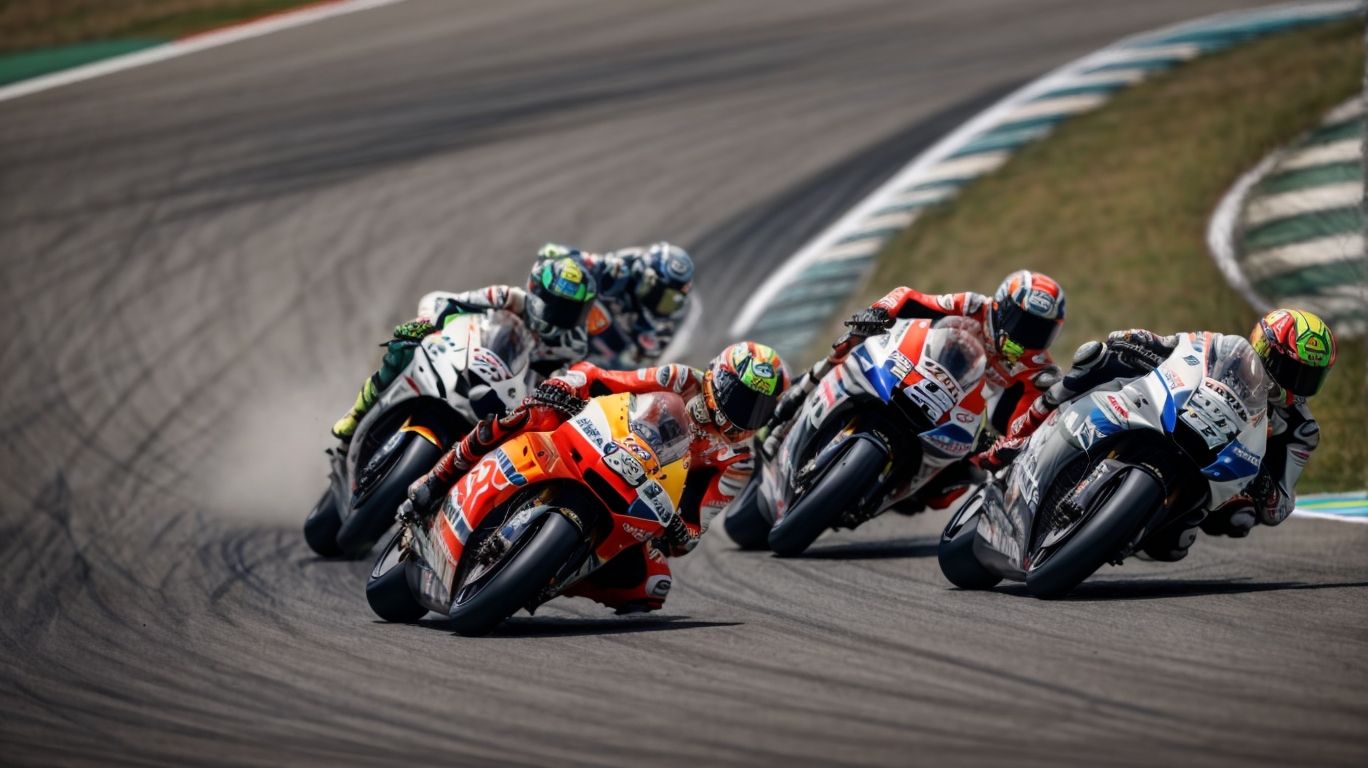
Why Motogp Test at Sepang?
If you’re a fan of MotoGP, you’ve probably heard of the Sepang International Circuit.
There are several reasons why Sepang is the go-to destination for pre-season and mid-season testing, from its ideal weather conditions to high-tech facilities and diverse track layout.
In this article, we’ll explore the benefits of testing at Sepang, the challenges it presents, and how it impacts the MotoGP season as a whole.
Key Takeaways:
What is Motogp?
MotoGP, the premier class of motorcycle road racing, showcases the world’s top riders competing with cutting-edge technology on high-performance motorcycles.
As the pinnacle of motorcycle road racing, MotoGP is revered for its intense competition and adrenaline-pumping races that captivate audiences around the globe. The participation of elite riders from different corners of the world adds a thrilling dynamic to each event, with each talented individual vying for victory on the racetrack.
The level of technological innovation in MotoGP is truly remarkable, with teams constantly pushing the boundaries to enhance performance, speed, and safety. From advanced electronic systems to aerodynamic designs, every aspect of the motorcycles is meticulously engineered to maximize efficiency and optimize performance.
What is the Sepang International Circuit?
The Sepang International Circuit, located in Malaysia, is a world-renowned track known for hosting prestigious events like the Sepang MotoGP, attracting top riders and teams.
Constructed in 1999, the Sepang International Circuit is strategically designed to offer a challenging and thrilling racing experience for both riders and spectators. Its sweeping corners, long straights, and technical sections make it a favorite among MotoGP professionals.
The circuit’s tropical climate adds an extra element of challenge, demanding exceptional skill and adaptability from riders. It has witnessed iconic moments and fierce battles, solidifying its reputation as a must-visit destination for motorsport enthusiasts around the globe.
Why is the Sepang Circuit Popular for Testing?
The Sepang Circuit is a favored testing ground for MotoGP teams due to its ideal weather conditions, diverse track layout, high-tech facilities, and central location.
Located in Malaysia, Sepang Test is well-known for its consistent hot and humid climate, providing teams with stable conditions for gathering valuable data and making accurate assessments of their bikes’ performance. This stable weather ensures that teams can conduct productive testing sessions without the disruptions caused by unpredictable changes in weather, a common issue in many other testing locations.
The circuit’s track features, including its long straights, challenging corners, and abrasive surface, offer a comprehensive testing ground for teams to evaluate their machines’ speed, agility, and durability. These diverse track elements mimic the demands of various MotoGP circuits, allowing teams to fine-tune their setups efficiently.
In addition, the state-of-the-art facilities at Sepang provide teams with all the resources they need to conduct thorough testing, from fully equipped garages to advanced telemetry systems. The central location of the circuit within Southeast Asia makes it easily accessible for teams and manufacturers, reducing travel time and logistic challenges, making it a convenient choice for pre-season testing sessions.
Ideal Weather Conditions
The Sepang Circuit boasts consistent warm temperatures and minimal rainfall, creating optimal conditions for MotoGP testing sessions.
These favorable weather conditions at the Sepang Circuit provide MotoGP teams with a stable environment to conduct comprehensive testing, as they can rely on steady temperatures to gauge the performance of their bikes accurately. The absence of frequent rain showers ensures that the track remains dry throughout the testing period, allowing riders to push the limits of their machines without unexpected interruptions. This consistency in weather conditions is crucial for teams to gather reliable data and make informed decisions regarding bike setup and performance improvements.
Diverse Track Layout
Featuring a mix of fast straights, challenging corners, and varying elevations, the Sepang Circuit offers a diverse track layout that tests the capabilities of MotoGP bikes and riders.
The Sepang Circuit is renowned for its track layout diversity, making it a favorite for teams participating in the Sepang Test. The technical corners demand precision and skill from riders, testing their agility and bike control. Simultaneously, the high-speed sections provide the perfect opportunity for teams to push the limits of their machines.
The added challenge of elevation changes further enhances the testing environment, requiring riders to adapt quickly to varying conditions. This unique blend of elements creates a comprehensive setting for teams to evaluate their performance and make necessary adjustments.
High-Tech Facilities
The Sepang Circuit is equipped with state-of-the-art facilities, including advanced pit garages, data analysis tools, and telemetry systems that enhance the testing experience for MotoGP teams.
These high-tech facilities provide teams with cutting-edge equipment to fine-tune their bikes and analyze performance data with precision. The pit garages are equipped with specialized tools and diagnostic systems, allowing mechanics to make real-time adjustments and optimizations during test sessions.
- The advanced data analysis tools at the circuit enable teams to extract valuable insights from telemetry data, helping them make informed decisions to improve overall performance and efficiency.
- The technical support available at Sepang ensures that teams can troubleshoot any issues promptly and receive expert guidance on maximizing their testing efforts.
Central Location
Situated in a strategic location in Malaysia, the Sepang Circuit offers easy access for MotoGP teams and manufacturers, reducing logistical challenges and ensuring focused testing sessions.
The Sepang Circuit holds a prime spot just a stone’s throw away from the Kuala Lumpur International Airport, making it a convenient choice for MotoGP teams flying in from various corners of the globe. This proximity not only cuts down transit times but also eases the transportation of vehicles and equipment. Being nestled close to major highways and expressways, teams can swiftly reach the circuit without getting caught up in lengthy commutes, thereby maximizing their *testing time*. The circuit’s adeptly positioned location not only benefits the teams but also enhances the overall efficiency of the MotoGP season by allowing manufacturers to conduct their essential Sepang Test sessions seamlessly.
What Happens During Motogp Testing at Sepang?
Motogp testing at Sepang Test involves rigorous on-track sessions where riders and teams evaluate new bike setups, analyze performance data, and strive to optimize lap times.
During the testing activities at Sepang, teams delve into various areas to fine-tune their bikes for optimal performance. By making subtle adjustments to suspension settings, chassis geometry, and aerodynamics, riders aim to strike the perfect balance between speed and stability on the demanding track.
The performance analysis conducted involves studying data from onboard sensors, telemetry, and video footage to identify areas for improvement. These insights are crucial in the quest to shatter lap records and gain a competitive edge over rivals.
As the sessions progress, riders focus on honing their skills and pushing the limits of their machines. Incremental tweaks to the setup and riding style can yield significant gains in lap times, showcasing the meticulous attention to detail exhibited by both riders and teams at the Sepang Test.
Pre-Season Testing
Pre-season testing at Sepang allows MotoGP teams to fine-tune their bikes, assess new components, and develop strategies before the start of the racing season.
The Sepang Test serves as a crucial period for riders and teams to gather crucial data regarding the performance of their bikes under varying conditions, including track temperature, tire wear, and fuel consumption. This data is invaluable in optimizing the setup of the motorcycles for different circuits on the MotoGP calendar.
The pre-season testing at Sepang offers a unique opportunity for teams to evaluate the effectiveness of new parts and technologies, determining what works best for their specific racing needs. It also enables riders to familiarize themselves with any updates, ensuring they are fully prepared for the challenges ahead during the actual races.
Mid-Season Testing
Mid-season testing at Sepang provides MotoGP teams with an opportunity to refine their setups, address performance issues, and adapt to changing track conditions during the racing calendar.
The Sepang Test serves as a crucial checkpoint for teams to evaluate the developments made since the start of the season. By analyzing the results and data gathered from the testing, engineers can fine-tune the bikes to optimize performance. This period allows riders to acclimatize to the unique demands of the track, giving them a competitive edge in the upcoming races.
What Are the Benefits of Testing at Sepang?
Testing at Sepang offers MotoGP teams valuable opportunities to improve bike performance, make rider adjustments, and gather crucial data for enhancing race strategies.
The Sepang Test serves as a crucial period in the MotoGP calendar, allowing teams to fine-tune their machines in a controlled environment conducive to speed and performance optimization. By testing at Sepang, teams can assess various technical upgrades and modifications to extract maximum efficiency and power from their bikes, ultimately aiming to gain a competitive edge over their rivals on the track.
Rider adaptability is another key focus during the Sepang Test, with the demanding circuit providing an ideal platform for racers to adjust their riding style to suit the technical intricacies of the track. This adaptability not only enhances individual performance but also plays a pivotal role in optimizing the overall team strategy for the upcoming season.
Improves Bike Performance
Testing at Sepang aids Ducati riders in fine-tuning their Desmosedicis, optimizing engine power, refining aerodynamics, and enhancing overall performance for competitive racing.
Being one of the most crucial tracks on the MotoGP calendar, Sepang offers a diverse range of challenges that push the Ducati riders to stretch the capabilities of their bikes to the limit.
Understanding every nuance of their Desmosedici machines on this technical track, riders like Bagnaia can delve into the intricate adjustments needed to extract maximum performance.
Testing here allows for precise engine optimization, tweaking power delivery to match the demanding corners and straights of Sepang.
Allows for Rider Adjustments
Sepang testing enables MotoGP riders like Acosta and Martin to adapt their riding styles, explore setup variations, and enhance their racing skills in challenging track conditions.
During the Sepang Test, riders such as them have the opportunity to fine-tune their bikes to the specific demands of the track, optimizing performance and handling. Martin, known for his smooth riding style, can experiment with different setups to capitalize on his strengths and improve on areas that need refinement. On the other hand, Acosta, with his fearless approach, uses the test to push the limits of his skills and familiarize himself with the nuances of the track.
Provides Valuable Data for Future Races
The data collected during testing at Sepang serves as a strategic asset for MotoGP teams, informing race strategies, technical improvements, and performance tweaks for future competitions.
By meticulously analyzing the Sepang Test results, teams can dissect intricate details of their bike’s performance, identify strengths to capitalize on, and pinpoint weaknesses that demand immediate attention. This granular level of data scrutiny allows engineers and team managers to fine-tune setups, adjust aerodynamics, or even rethink tire choices, all critical elements that can shave precious milliseconds off lap times.
Delving into the nuances of telemetry and performance metrics extracted from the Sepang circuit offers a window of opportunity for teams to stay ahead of their rivals. By deciphering the data patterns, identifying outliers, and correlating trends, teams can craft unique race strategies, adapt to changing track conditions swiftly, and find that competitive edge necessary for podium finishes.
Why is Sepang Considered a Challenging Track for Testing?
Sepang poses testing challenges due to its high temperatures, technical corners, and abrasive track surface that demand precise bike handling and strategic adjustments from MotoGP teams.
Given the tropical climate of Malaysia, Sepang Test often witnesses scorching heat which not only tests the endurance of the riders but also impacts the performance of the bikes. The intricate corners at the circuit require riders to navigate with utmost precision, finding the right balance between speed and control. The abrasive nature of the track surface intensifies tire wear, making tire management a critical factor in achieving a competitive lap time.
High Temperatures and Humidity
The high temperatures and humidity at Sepang challenge MotoGP riders and teams, affecting tire grip, engine performance, and rider endurance during testing sessions.
During the Sepang Test, the combination of intense heat and humidity creates a demanding environment for both man and machine. The scorching weather not only affects the rubber compounds of the tires but also puts a strain on the engine’s cooling systems, potentially impacting its overall efficiency.
Riders must carefully manage their physical condition, staying hydrated and focused to cope with the grueling conditions on track. Sweating profusely in their leathers, the riders face a significant challenge in maintaining concentration and stamina over long testing stints.
Technical Corners
The technical corners at Sepang challenge Ducati riders like Bagnaia to master cornering techniques, optimize bike handling, and navigate complex turns efficiently for competitive lap times.
These corners demand a delicate balance of finesse and aggression, requiring riders to push their Ducati machines to the limit while maintaining control. Bagnaia, known for his exceptional cornering skills, can often be seen leaning into turns with precision timing, sliding the rear wheel just enough to maintain speed without losing traction.
Efficient turn navigation strategies play a crucial role in shaving precious milliseconds off lap times, making all the difference in a competitive field. Riders like Bagnaia meticulously study corner entry, apex, and exit points, calculating the optimal trajectory to carry momentum through each bend.
Abrasive Track Surface
The abrasive track surface at Sepang poses challenges for Yamaha riders like Marquez, affecting tire wear, bike stability, and traction control strategies crucial for consistent lap performance.
The abrasive nature of the track surface at Sepang leads to quicker tire degradation for Yamaha riders such as Marquez, forcing them to adopt careful management techniques. This issue not only impacts tire longevity but also raises concerns related to the overall stability of their bikes during high-speed cornering maneuvers.
Riders, including Marquez, utilize advanced traction control systems to mitigate the adverse effects of the abrasive track surface, aiming to maintain optimal grip levels through precise throttle modulation and body positioning.
How Does Testing at Sepang Impact the Motogp Season?
Testing at Sepang sets the tone for the MotoGP season by influencing bike development, rider performance, and team strategies that shape the competitive landscape for the entire racing calendar.
The Sepang Test not only acts as a platform for teams to evaluate new technical components and setups but also serves as a crucial assessment for riders to acclimate themselves to the demands of the upcoming season. With the scorching Malaysian heat testing the endurance of both man and machine, this trial by fire pushes teams to fine-tune their bikes and riders to their peak physical and mental capabilities.
Frequently Asked Questions
Why Motogp Test at Sepang?
Motogp Test at Sepang is held as a pre-season test for the upcoming season. It allows teams and riders to test their bikes and make necessary adjustments before the official races begin.
How often does the Motogp Test at Sepang occur?
The Motogp Test at Sepang takes place once a year, typically in February, before the official start of the Motogp season.
What makes Sepang a popular testing location for Motogp teams?
Sepang International Circuit is known for its hot and humid climate, similar to many of the race tracks on the Motogp circuit. This makes it an ideal location for testing and simulating race conditions.
Are all Motogp teams required to participate in the Sepang test?
While most Motogp teams do participate in the Sepang test, it is not mandatory. Some teams may choose to skip the test or participate in a different location.
What are the benefits of participating in the Motogp Test at Sepang?
The Motogp Test at Sepang allows teams and riders to gather valuable data and make necessary adjustments to their bikes before the start of the season. It also provides an opportunity for riders to familiarize themselves with the track and test their skills against their competitors.
Can fans attend the Motogp Test at Sepang?
Yes, fans are allowed to attend the Motogp Test at Sepang. However, access to certain areas may be limited and tickets may be required. It is best to check with the circuit’s official website for more information on attending the test.