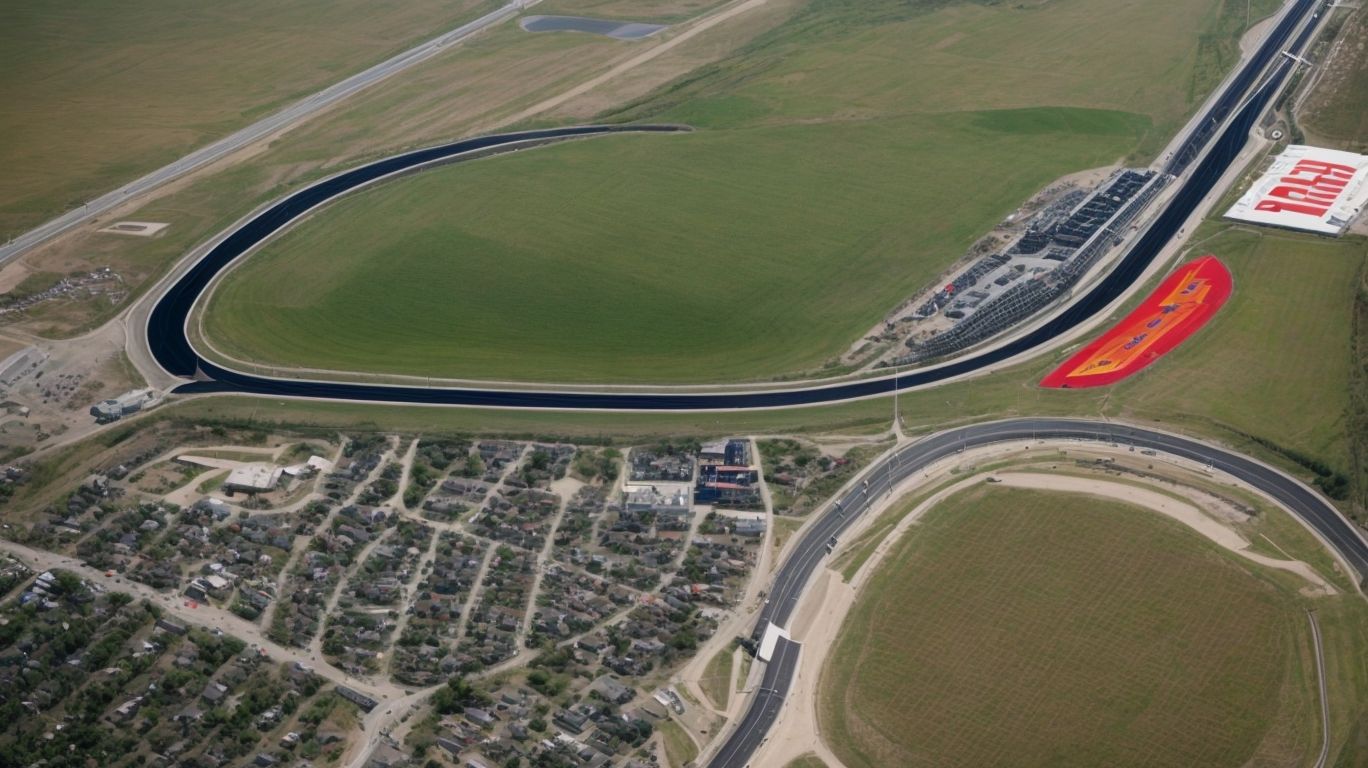
What Nascar Tracks Are No Longer Used?
NASCAR tracks hold a special place in the hearts of racing enthusiasts, but what happens when these iconic tracks are no longer in use?
From safety concerns to financial troubles, there are various reasons why NASCAR tracks stop being used.
Explore some examples of no longer used NASCAR tracks, such as North Wilkesboro Speedway and Riverside International Raceway. Delve into what happens to these tracks once they are no longer in use, whether they are demolished, repurposed, or abandoned.
Discuss efforts to revive some of these tracks, giving hope to fans of the sport. Uncover the past, present, and future of these historic racing venues.
Key Takeaways:
What Are NASCAR Tracks?
NASCAR tracks are specialized circuits used for hosting NASCAR races, including short tracks and speedways that have played a significant role in the history of NASCAR racing.
One of the defining characteristics of NASCAR tracks is their diversity. From the iconic Daytona International Speedway, known for its high banks and thrilling finishes, to the tight turns of Martinsville Speedway, each track presents a unique challenge to drivers. These tracks hold a special place in NASCAR lore, with legendary moments etched into their asphalt. Tracks like Talladega Superspeedway, famous for its pack racing and the unpredictability of restrictor plate races, have become fan favorites due to the excitement they offer.
Why Do NASCAR Tracks Stop Being Used?
NASCAR tracks cease to be used due to various reasons, such as safety concerns, declining interest, and financial troubles, leading to their abandonment and eventually becoming forgotten relics of racing history.
One of the primary factors contributing to the disuse of NASCAR tracks is the ongoing safety issues that have plagued these venues. In the past, some tracks gained notoriety for their challenging layouts, lack of safety barriers, and high-speed crashes that put drivers at risk.
Dwindling audience engagement has played a significant role in the decline of these tracks. As spectator numbers dwindled, the financial viability of hosting races at these venues became increasingly unsustainable, prompting many to be left derelict and unused.
Financial challenges further exacerbated the fate of these abandoned tracks; maintaining these expansive facilities, keeping up with modern safety standards, and meeting the demands of hosting major racing events have proven too costly for many historic NASCAR tracks.
Safety Concerns
Safety concerns are paramount in NASCAR tracks due to high-speed racing, track design challenges, and the need for constant improvements to protect drivers and spectators alike.
Throughout the history of NASCAR, several incidents have highlighted the crucial importance of safety on the tracks. From the tragic loss of Dale Earnhardt in 2001 at Daytona to numerous high-speed crashes, the risks involved in stock car racing are ever-present. In response, NASCAR has implemented various safety innovations over the years, including the introduction of the SAFER barrier, mandatory use of HANS devices, and improved vehicle designs. These advancements aim to minimize the impact of collisions and enhance driver protection.
Lack of Interest
NASCAR tracks may fall out of use due to declining interest from fans, changing preferences, and the emergence of alternative entertainment options that draw audiences away from traditional racing events.
Historically, NASCAR tracks were once revered as the epitome of American racing culture, attracting thousands of passionate fans to witness high-speed thrills and pulse-pounding action. In recent years, fan demographics have shifted, with younger generations showing less enthusiasm for NASCAR’s traditional format.
The rise of digital entertainment platforms, social media, and e-sports has contributed to this decline, providing fans with diverse and instant entertainment options that compete with live racing events. This changing landscape poses significant challenges for NASCAR tracks, requiring innovative strategies to engage and retain a new breed of motorsport enthusiasts.
Financial Troubles
Financial challenges often plague NASCAR tracks, with operating costs, maintenance expenses, and revenue generation posing significant hurdles that can lead to closures or abandonment of once-thriving tracks.
Operating a NASCAR track involves a myriad of expenses, including track maintenance, safety upgrades, marketing campaigns, and event organization. Generating revenue primarily depends on ticket sales, sponsorships, concessions, and merchandise. NASCAR tracks also face competition from other entertainment options, impacting attendance and profitability.
Developing innovative revenue streams such as hosting non-racing events, concerts, or festivals can help diversify income sources. Cost management is crucial, with tracks constantly seeking ways to optimize operations, reduce overheads, and maximize efficiency to remain financially sustainable.
What Are Some Examples of No Longer Used NASCAR Tracks?
Several NASCAR tracks, such as North Wilkesboro Speedway, Riverside International Raceway, and Nashville Fairgrounds Speedway, have become iconic examples of abandoned tracks that were once vibrant hubs of racing activity.
These tracks hold a rich history in the world of NASCAR. North Wilkesboro Speedway, nestled in the hills of North Carolina, hosted its first race in 1949 and witnessed decades of thrilling competitions among legendary drivers. Riverside International Raceway in California was known for its challenging road course layout and saw intense battles on its twists and turns. The Nashville Fairgrounds Speedway, steeped in tradition, was a beloved venue for both drivers and fans alike.
Despite their historical significance, these tracks faced various challenges leading to their closure. Financial difficulties, changing interests in racing venues, and shifts in NASCAR’s scheduling priorities all contributed to their abandonment. While they may no longer echo with the roar of engines, the memories and legacies of these tracks continue to live on in the hearts of racing enthusiasts.
North Wilkesboro Speedway
North Wilkesboro Speedway, a historic NASCAR track in North Carolina, stands as a poignant reminder of a bygone racing era, now abandoned and longing for a revival of its former glory.
The track, which opened in 1947, holds a special place in NASCAR’s history, hosting unforgettable races and legendary drivers. Iconic events such as the First Union 400 and the Mountain Dew Southern 500 left indelible marks on the sport’s legacy. The tight turns and unique layout of the Speedway challenged racers and thrilled spectators for decades, creating memories that still resonate with fans today.
After hosting its final NASCAR race in 1996, the Speedway fell into disrepair, a silent witness to the march of time and progress in the sport. In recent years, efforts have emerged to either restore the track to its former glory or repurpose it for new uses, showcasing the enduring allure and heritage of this historic racing venue.
Riverside International Raceway
Riverside International Raceway, once a premier NASCAR venue known for its challenging road course layout, now remains abandoned, a ghostly testament to the fleeting nature of racing circuits.
Located in Riverside, California, the raceway held its first event in September 1957. Over the years, it hosted a wide array of races, including NASCAR, Formula One, and sports car events, attracting racing enthusiasts from around the world. The track’s unique features, such as its fast straightaways combined with challenging turns, made it a favorite among drivers seeking both speed and skill. Memorable moments include the ‘Times Grand Prix’ and the ‘Motor Trend 500’, which showcased the best of motorsport talent.
Despite its popularity, Riverside International Raceway faced financial struggles in the late 1980s, eventually leading to its closure in July 1989. The increasing urbanization of the area, coupled with rising operating costs, contributed to its demise. Today, the remnants of the once-thriving raceway stand as a solemn reminder of its storied past, evoking nostalgia among those who remember its glory days.
Nashville Fairgrounds Speedway
Nashville Fairgrounds Speedway, a beloved NASCAR track steeped in racing history, now lies dormant, a silent witness to the changing landscape of motorsports and the challenges faced by traditional racing venues.
Founded in 1904, the Nashville Fairgrounds Speedway quickly became a staple in the world of stock car racing. The track’s rich heritage includes hosting prestigious races such as the NASCAR Winston Cup Series and the American Speed Association events. Legendary drivers like Richard Petty and Darrell Waltrip have left their mark on the track, solidifying its place in racing lore. The Speedway’s cultural impact on the Nashville community is undeniable, bringing together generations of fans who cheered on their favorite drivers under the Tennessee sun.
Ontario Motor Speedway
Ontario Motor Speedway, a once-thriving NASCAR facility that showcased high-speed racing action, now stands abandoned, a silent witness to the passage of time and the changing landscape of motorsports.
Despite its current state of disrepair, the track was an iconic venue that hosted a range of popular events, attracting racing enthusiasts from far and wide. Built in the late 1960s, the design of Ontario Motor Speedway was a marvel of engineering, featuring a unique configuration that allowed for thrilling races and record-breaking speeds.
The Speedway boasted a dynamic calendar of races, such as the California 500 and the Miller High Life 500, cementing its status as a hub for motorsport excitement. Financial difficulties and shifting audience preferences eventually led to its demise, forcing its closure in the late 1980s.
Trenton Speedway
Trenton Speedway, a historic NASCAR venue renowned for its unique oval track design, now remains abandoned, a silent relic of past racing glories and the evolving landscape of motorsports.
Open in 1900 as a world-class racing facility, Trenton Speedway quickly became a mecca for motorsport enthusiasts, hosting a myriad of exhilarating races that captivated audiences and showcased the talents of legendary drivers. The track’s architectural distinctiveness lay in its one-mile, high-banked oval that provided a thrilling and challenging course for competitors. Notable races such as the Trenton 200 and the Trenton 300 attracted top-tier drivers and fervent fans, creating an electrifying atmosphere at the venue.
What Happens to No Longer Used NASCAR Tracks?
No longer used NASCAR tracks face varying fates, including demolition, repurposing for non-racing purposes, or abandonment, each path reflecting the unique challenges and opportunities associated with these iconic racing venues.
These transformations can be influenced by a myriad of factors such as economic considerations, urban development projects, or even environmental concerns.
Preservation efforts often come into play when the track holds historical significance or sentimental value to the community. Some defunct tracks have been refurbished into museums, parks, or other public spaces, allowing them to retain a piece of their racing heritage while serving new purposes. The evolution of these tracks showcases the dynamic nature of our expanding landscapes and the adaptability of these once-thriving centers of speed and excitement.
Demolition
The demolition of no longer used NASCAR tracks involves the dismantling of structures, removal of track surfaces, and reclamation of land, marking the end of an era for these once-vibrant racing venues.
During the process of track demolition, environmental factors play a crucial role. Special care is taken to handle hazardous materials such as petroleum-based products, rubber residue, and other pollutants that may have accumulated over years of racing activities.
- Contaminated soil remediation
- Waste management protocols
- Protection of local flora and fauna
are integral parts of the site clearance phase. The challenges of site clearance extend beyond the physical structures; preserving the natural ecosystem and preventing environmental damage are key priorities.
Once the land has been cleared and cleaned, discussions about the future of these historic racing landmarks arise. Communities often grapple with the decision to erase these tracks from the landscape, weighing the significance of their racing history against the potential for new development and economic growth. The implications of erasing these tracks go beyond renovation; they represent the shifting dynamics in the world of motorsports and the evolving needs of society.
Repurposing
Repurposing no longer used NASCAR tracks involves transforming these facilities into new spaces for diverse activities, such as commercial developments, recreational facilities, or community centers, breathing new life into these iconic locations.
Track repurposing is an innovative approach that not only preserves the historical significance of these tracks but also creates opportunities for economic revitalization within communities.
One successful example of venue transformation is the conversion of a former racetrack into an outdoor amphitheater, hosting concerts and cultural events, attracting a new audience. This adaptive reuse not only honors the site’s racing heritage but also provides a unique entertainment venue for the public to enjoy.
Repurposing tracks comes with its challenges, including environmental concerns, zoning regulations, and financial investment. Despite these hurdles, the benefits of repurposing initiatives are significant, ranging from job creation and increased tourism to improved community engagement and enhanced property values.
By adapting these tracks for alternative uses, communities can experience a range of potential outcomes, from fostering creativity and innovation in urban planning to promoting sustainability and preservation of historic landmarks. Track redevelopment projects offer a glimpse into the possibilities of repurposing underutilized spaces, demonstrating the transformative power of adaptive reuse in shaping vibrant and dynamic places for generations to come.
Abandonment
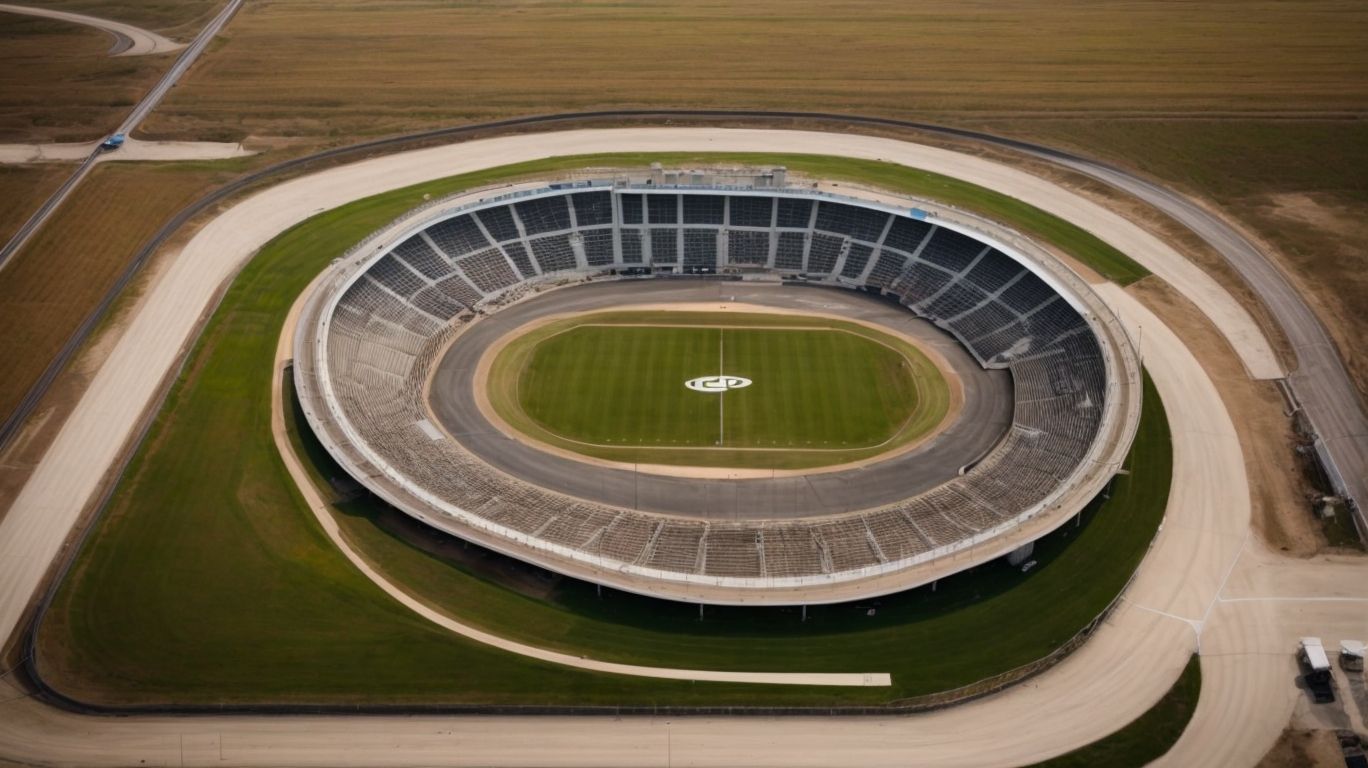
The abandonment of NASCAR tracks signifies the end of racing activities at these venues, leaving behind empty grandstands, overgrown tracks, and a sense of nostalgia for the days when these tracks echoed with the roar of engines.
Track abandonment not only poses significant challenges for maintaining these once-thriving locations but also raises questions about their cultural significance and historical preservation. The decaying structures, rusting fences, and fading sponsor banners paint a vivid picture of neglect and decline. Preserving the heritage of these racing landmarks becomes crucial to honor the sport’s rich history and the memories of the drivers who once circled these tracks. The potential for repurposing these venues as museums, event spaces, or recreational facilities offers a glimmer of hope amidst the desolation of abandoned tracks.
Are There Plans to Bring Back Any No Longer Used NASCAR Tracks?
Efforts are underway to revive iconic NASCAR tracks like North Wilkesboro Speedway, Nashville Fairgrounds Speedway, and Riverside International Raceway, rekindling hopes of a nostalgic return to the glory days of racing history.
In recent years, there has been a resurgence of interest in restoring these once-thriving tracks back to their former grandeur. Community support has played a pivotal role in these restoration projects, with local residents, racing enthusiasts, and various organizations coming together to bring these venues back to life.
The revival of these historic tracks not only aims to preserve their rich heritage but also presents an opportunity to reintroduce them into the modern racing circuit. Bringing back these iconic venues can reignite the passion and excitement that defined the golden era of NASCAR, creating a bridge between the sport’s illustrious past and promising future.
Efforts to Revive North Wilkesboro Speedway
Ongoing efforts to revive North Wilkesboro Speedway, a cherished NASCAR track with a rich racing heritage, signify a collective drive to restore this iconic venue to its former glory and reestablish it as a prominent fixture in the racing calendar.
The restoration initiatives focused on North Wilkesboro Speedway have seen remarkable community involvement, with local volunteers, racing enthusiasts, and businesses joining hands to rejuvenate the track. The track, originally opened in 1949, holds immense historical significance as one of the oldest racing venues in NASCAR’s history, hosting memorable events that have left a lasting impact on the sport.
The potential reintroduction of North Wilkesboro Speedway to the NASCAR circuit excites fans and industry insiders, as it not only honors the track’s legacy but also brings a sense of nostalgia and tradition back to the modern racing scene. The revival of this iconic venue could spark a renewed interest in grassroots racing and provide a unique blend of history and competition for both drivers and spectators.
Potential Return of Nashville Fairgrounds Speedway
The potential return of Nashville Fairgrounds Speedway, a beloved NASCAR track steeped in racing history, sparks optimism for its revival and reintegration into the racing landscape, evoking nostalgia for fans and drivers alike.
Having hosted its first race in 1958, the Nashville Fairgrounds Speedway quickly became a staple in the NASCAR circuit, attracting top drivers and enthusiastic spectators. Its unique short track configuration, challenging turns, and historic grandstands hold a special place in the hearts of racing enthusiasts. The community fervently supports the track’s resurgence, recognizing its cultural significance and economic potential for the city. Hurdles such as infrastructure updates, regulatory approvals, and competition from modern tracks must be overcome to ensure a successful revival.
Rumored Revival of Riverside International Raceway
The rumored revival of Riverside International Raceway, a legendary NASCAR track renowned for its challenging road course, ignites excitement among racing enthusiasts, hinting at a possible return of this iconic venue to the motorsports arena.
Speculations have been swirling within the racing community about the potential resurrection of this historic racetrack, which holds a special place in the hearts of many fans. The memories of adrenaline-filled races at Riverside International Raceway, where legendary drivers navigated its intricate corners and thrilling straights, evoke nostalgia for a bygone era. One cannot forget the epic battles between motorsport titans that unfolded on this hallowed ground, leaving spectators in awe of the skill and bravery exhibited on the track.
The unique features of Riverside International Raceway, such as its challenging elevation changes, fast sweeping turns, and treacherous corners, set it apart from other circuits of its time. Drivers were pushed to their limits, testing their mettle against the demanding nature of the track, making every race a spectacle of skill and strategy. The community’s keen interest in reviving this historic venue speaks volumes about the enduring legacy of Riverside International Raceway and the impact it had on the world of motorsports.
Frequently Asked Questions
What Nascar Tracks Are No Longer Used?
The following FAQ’s will provide information on Nascar tracks that are no longer in use.
Which Nascar tracks have been discontinued?
There are several Nascar tracks that have been discontinued over the years. Some notable ones include North Wilkesboro Speedway, Rockingham Speedway, and Texas World Speedway.
Why were these Nascar tracks discontinued?
Many of these Nascar tracks were discontinued due to financial struggles, low attendance, or the inability to make necessary updates and improvements to the facilities.
Are there any plans to bring back these discontinued Nascar tracks?
While there have been talks and rumors about bringing back some of these discontinued Nascar tracks, there are currently no official plans to do so.
Can these discontinued Nascar tracks still be used for other racing events?
In some cases, these discontinued Nascar tracks have been repurposed for other racing events or other types of events such as concerts or festivals.
Are there any Nascar tracks at risk of being discontinued in the future?
At this time, there are no confirmed reports of any current Nascar tracks being at risk of being discontinued. However, the sport is always evolving and changes can happen at any time.
Is there a list of all discontinued Nascar tracks?
Yes, there are several lists available online that provide a comprehensive list of all the Nascar tracks that are no longer in use.