How Do Motogp Teams Work?
Ready to dive into the exciting world of MotoGP teams? From the roles within a team to the strategies for race day, this article covers everything you need to know about how MotoGP teams operate.
Learn how teams select their riders, prepare for races, develop their bikes, and handle setbacks like injuries and mechanical failures. Explore the key components of a MotoGP bike and the rules and regulations that govern these high-speed teams.
Key Takeaways:
What Is MotoGP?
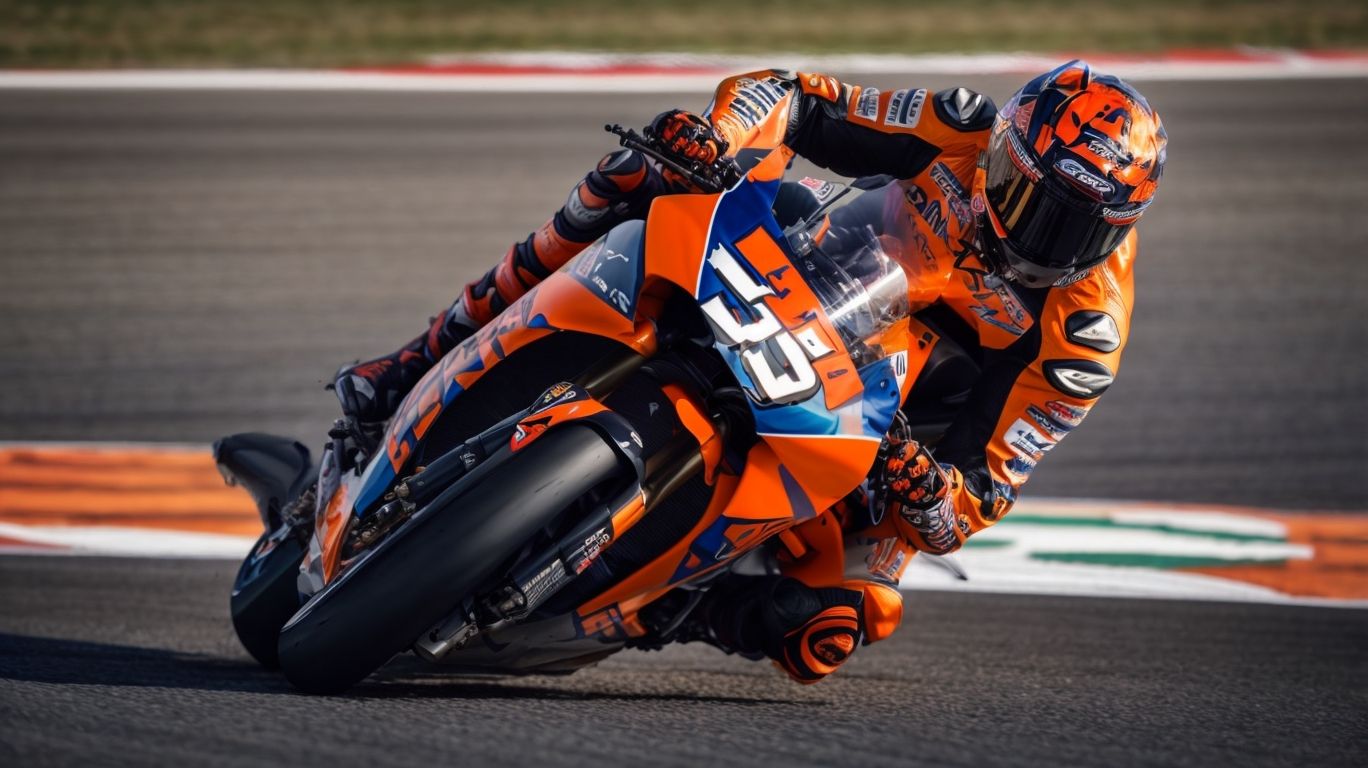
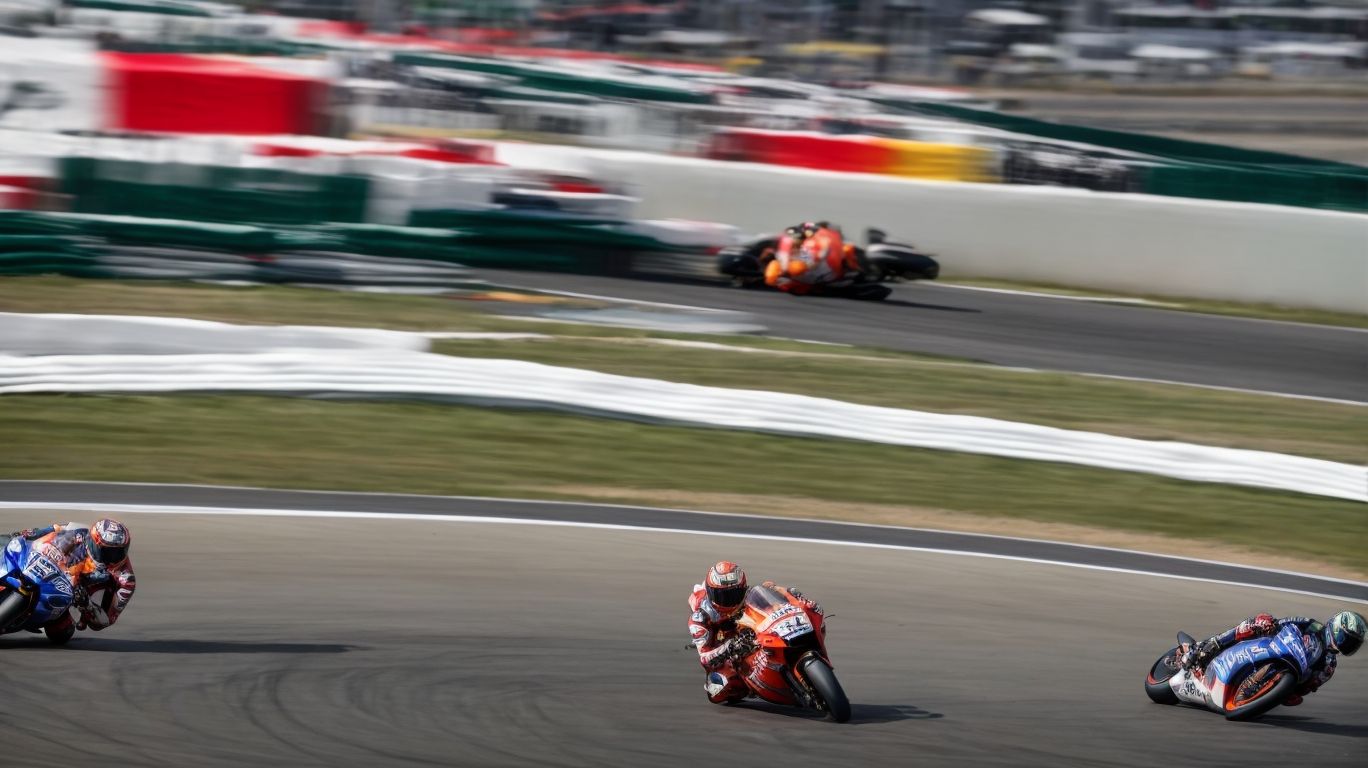
MotoGP is the premier class of motorcycle road racing that features high-speed races held on various circuits around the world, where top teams and riders compete in a thrilling atmosphere.
This elite racing series is known for pushing the boundaries of speed and technology, with bikes capable of reaching mind-boggling velocities. The competition is fierce, with riders pushing themselves and their machines to the limit in pursuit of victory. Every race is a spectacle, drawing in fans from all corners of the globe to witness the adrenaline-pumping action firsthand.
How Do MotoGP Teams Work?
In MotoGP, teams operate as sophisticated entities managing logistics, strategizing, and optimizing performance with a mix of engineers and strategists, comprising both factory teams and satellite teams.
Factory teams, commonly affiliated directly with motorcycle manufacturers, benefit from exclusive access to cutting-edge technology, engineering support, and significant financial backing. These teams serve as the pinnacle of MotoGP competition, pushing the boundaries of innovation and performance. On the other hand, satellite teams, though not directly tied to manufacturers, play a crucial role by leveraging their expertise in adapting available equipment and maximizing performance potential.
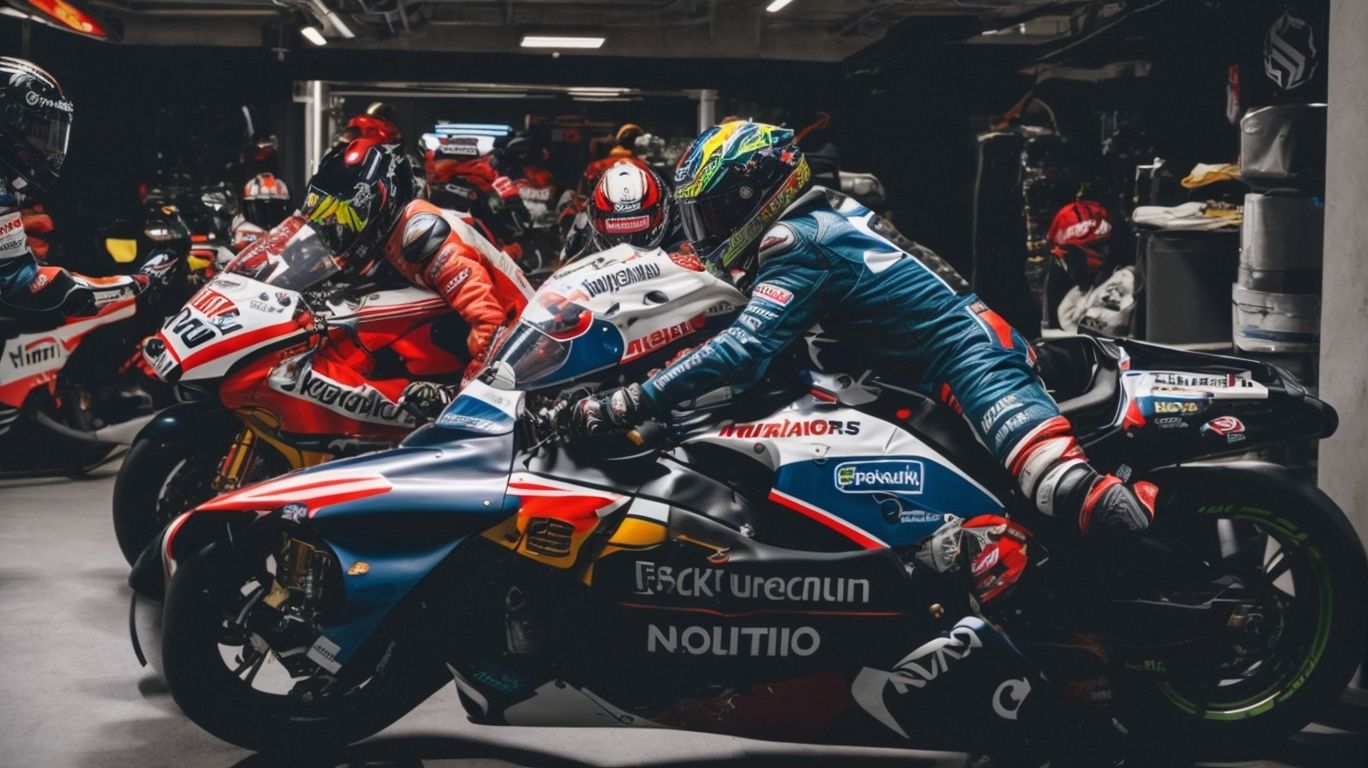
The seamless coordination between crew members, engineers, data analysts, and riders within these teams is paramount to achieving success on the race track. Each team meticulously plans every aspect of the race weekend, from bike setup and tire selection to strategic pit stops and data analysis. The collective efforts of these specialized individuals harmonize to create a well-oiled machine that competes at the highest level of motorcycle racing.
What Are The Different Roles In A MotoGP Team?
A MotoGP team comprises various roles essential for success, including engineers who enhance bike performance, riders who master the track, and support staff who ensure seamless operations.
Engineers in a MotoGP team are responsible for developing, testing, and fine-tuning the bikes to enhance performance. They meticulously analyze data, collaborate with manufacturers, and utilize cutting-edge technology to optimize every aspect of the racing machine.
Riders possess unparalleled skills on the track, pushing the limits of speed, agility, and precision. They interpret feedback from engineers, adjust their riding style, and make split-second decisions that can determine victory or defeat.
The support staff, including mechanics, strategists, and logistics personnel, work tirelessly behind the scenes. They maintain the fleet of bikes, plan race strategies, coordinate travel logistics, and ensure that the team operates like a well-oiled machine.
What Is The Team Hierarchy In MotoGP?
The team hierarchy in MotoGP typically involves a management structure led by a team manager who oversees the coordination of technical personnel, riders, and support staff for optimal team performance.
Team managers in MotoGP play a crucial role in ensuring smooth operations within the team. They are responsible for not only strategizing and coordinating race activities but also managing the technical side of things, overseeing the engineers and mechanics to ensure that the bikes are performing at their best. Team managers act as a bridge between the riders and the support personnel, facilitating effective communication and collaboration among team members.
How Do Teams Choose Their Riders?
MotoGP teams carefully select riders based on a combination of strategic considerations, past performances, and compatibility with the team’s racing philosophy to enhance their competitive edge.
Regarding rider selection, teams delve deep into a rider’s track record, analyzing not just their wins but also their consistency, adaptability, and ability to handle high-pressure situations. The rider’s adaptability to different bikes and circuits plays a crucial role in the decision-making process. Teams often look for riders whose skills complement the strengths and weaknesses of the current lineup, fostering a balanced team dynamic.
How Do MotoGP Teams Prepare For Races?
MotoGP teams meticulously prepare for races through extensive practice sessions, tire selection, fuel management, and strategic planning to optimize performance on race days.
During practice sessions, riders focus on fine-tuning their bikes, adjusting suspension settings, and analyzing data to find the perfect setup for the upcoming race. They meticulously review track conditions, weather forecasts, and performance data to determine the most suitable tire choices. Fuel strategies play a crucial role, with teams calculating the optimal fuel load to maintain speed without compromising performance. On race day, teams employ tactical maneuvers such as overtaking maneuvers, drafting, and pit-stop timing to gain a competitive edge over opponents.
What Is The Role Of The Team Manager?
The team manager in MotoGP plays a pivotal role in overseeing team operations, fostering effective communication, and ensuring seamless coordination among all team members for optimal performance.
One of the key responsibilities of the team manager is to strategize and plan race day operations, ensuring that all logistical aspects are taken care of, from coordinating with the technical crew to managing pit stops efficiently. Their role also involves acting as a liaison between the riders and engineers, bridging any gaps in understanding and relaying important feedback.
In addition, the team manager plays a crucial part in cultivating a positive team environment, where collaboration and mutual support thrive. They often organize team-building activities and encourage open communication channels to enhance camaraderie and trust among team members.
How Do Teams Develop And Test Their Bikes?
MotoGP teams engage in continuous bike development and rigorous testing processes led by engineers to enhance performance, optimize aerodynamics, and ensure reliability on the track.
These engineers play a pivotal role in analyzing data from track tests and simulations to refine every aspect of the bike’s setup. They delve into power delivery systems, suspension dynamics, and electronic controls, aiming to strike the perfect balance for top-notch performance. The aerodynamics experts focus on reducing drag and enhancing stability, often collaborating closely with engineers to translate wind tunnel findings into on-track advantages.
What Are The Strategies For Race Day?
On race day, MotoGP teams implement strategic plans focused on optimizing performance, managing fuel consumption, and making critical decisions on tire selection to adapt to changing track conditions.
Performance optimization is a key element of these strategic plans, with teams meticulously fine-tuning the setup of their bikes to ensure maximum speed and agility on the track. Fuel management strategies are crucial, as every ounce of fuel consumed affects the bike’s weight and performance, requiring teams to calculate the optimal fuel load for the race duration.
Regarding tire selection, teams carefully analyze factors such as track temperature, surface grip, and expected weather conditions to choose the most suitable tire compound. The right tire choice can make a significant difference in performance, providing the necessary traction and stability for riders to push their limits without compromising safety.
What Are The Key Components Of A MotoGP Bike?
MotoGP bikes consist of several key components crucial to performance, including the engine for power, aerodynamics for speed, and specialized tires for traction and handling on the track.
One of the most vital elements of a MotoGP bike is the engine. These high-performance machines are equipped with powerful engines that deliver exceptional acceleration and top speeds. The engines are finely tuned to provide the riders with precise control and instant response on the track.
The aerodynamic features on MotoGP bikes play a critical role in optimizing speed and stability. From the sleek bodywork to the strategically placed winglets, every aspect is designed to reduce drag and increase downforce, enhancing overall performance.
What Is The Role Of The Engine?
The engine in a MotoGP bike is a critical component that delivers power and performance, impacting acceleration, top speed, and overall race competitiveness.
One of the most crucial elements of a MotoGP bike, the engine plays a pivotal role in determining the outcomes of races. The power generated by the engine directly affects the bike’s acceleration, allowing riders to reach breathtaking speeds in a matter of seconds. A well-tuned engine contributes significantly to achieving remarkable top speeds, enabling riders to outperform their competitors on long straights.
The relentless pursuit of engineering excellence in MotoGP engines is aimed at creating machines that not only meet but surpass the performance demands of this high-octane sport. Advanced technologies integrated into these engines continuously push the boundaries of what is mechanically possible, resulting in bikes that are finely tuned racing beasts. Riders rely heavily on the engine not only for power delivery but also for its responsiveness and reliability in the face of intense competition.
How Do Teams Optimize The Aerodynamics Of The Bike?
MotoGP teams focus on optimizing the aerodynamics of their bikes to enhance speed, stability, and handling characteristics, utilizing advanced design techniques and wind tunnel testing for performance gains.
One essential aspect of aerodynamic optimization in MotoGP is the utilization of winglets on the motorcycles. These small aerodynamic structures, often located near the front or rear of the bike, help in generating downforce, enhancing stability at high speeds. Teams carefully sculpt the bodywork and fairings of the bikes to minimize drag, allowing for improved straight-line speed. In the constant pursuit of shaving off valuable milliseconds, MotoGP engineers analyze data from sensors and telemetry to fine-tune every aerodynamic element, seeking the perfect balance between speed, stability, and control.
What Are The Different Types Of Tires Used In MotoGP?
MotoGP teams utilize a variety of tire types with different compounds and profiles to suit track conditions, optimize performance, and achieve the desired level of grip for competitive racing.
Teams in the premier class of motorcycle racing have access to a range of slick, intermediate, and wet tires designed to handle dry, damp, and wet conditions on the track. Slick tires, ideal for dry tracks, provide maximum grip due to their smooth surface and minimal tread pattern. On the other hand, intermediate tires strike a balance between slicks and wet tires, offering grip in partially wet conditions. Wet tires feature deep treads and softer compounds to displace water and maintain traction in rainy weather.
How Do Teams Handle Injuries And Setbacks?
MotoGP teams have established protocols to address injuries, handle setbacks, and manage mechanical failures during races, ensuring the safety of riders and the operational continuity of the team.
One crucial element of these safety protocols is the meticulous pre-race checks conducted on every aspect of the bike, from tires to brakes, to spot any potential issues before they escalate. If there is an injury, medical teams are strategically positioned around the track, ready to provide immediate assistance. Contingency plans also play a significant role, with teams ready to adapt strategies on the fly in response to changing race conditions or unforeseen challenges.
What Are The Protocols For Dealing With Injuries?
In MotoGP, teams follow strict protocols for dealing with injuries, focusing on rapid medical response, rider safety, and adherence to established safety standards to mitigate risks during races.
These protocols are crucial for ensuring the well-being of the riders and the smooth operation of the races. As soon as an injury occurs, the medical team springs into action, equipped with state-of-the-art medical supplies and trained personnel ready to provide immediate care. Safeguarding the health of the riders is paramount, and every precaution is taken to address injuries efficiently to minimize any potential impact on the race outcome. The MotoGP community takes immense pride in their commitment to upholding the highest safety standards, constantly refining and updating their procedures to align with the latest advancements in medical technology.”
How Do Teams Handle Mechanical Failures During Races?
When facing mechanical failures during races, MotoGP teams rely on contingency plans, quick repairs, and strategic decisions to address issues promptly and minimize the impact on race performance.
In the high-octane world of MotoGP, where split-second decisions can make or break a race, teams understand the critical nature of managing mechanical failures effectively. By having robust contingency plans in place, teams can swiftly respond to unexpected issues without losing precious time on the track. Quick repairs are essential, with pit crews working tirelessly to get the bikes back in optimal condition as swiftly as possible.
Strategic decisions also play a crucial role in navigating through mechanical failures; teams must balance the need for repairs with the importance of staying competitive. Tactical adjustments, such as altering riding styles or tweaking bike setups, can help mitigate disruptions and keep the team in the running for a podium finish.
What Are The Rules And Regulations For MotoGP Teams?
MotoGP teams must adhere to strict rules and regulations governing aspects like championship eligibility, travel logistics, booking arrangements, and customs compliance to ensure fair competition and operational compliance.
Within the regulatory framework of MotoGP, teams are required to meet specific criteria to participate in the championship, ensuring a level playing field for all competitors. This includes adhering to travel logistics guidelines, which dictate how teams navigate between race locations, book accommodations, and transport equipment efficiently. Strict booking procedures are in place to manage team resources effectively, securing necessary arrangements on time. Customs regulations must be followed meticulously to prevent any delays or issues at international borders, maintaining the integrity of the competition.
Frequently Asked Questions
How Do Motogp Teams Work?
The teams in MotoGP consist of a group of people who work together to support their rider in the races. These teams are crucial in achieving success in the highly competitive sport of MotoGP. Here are some frequently asked questions about how these teams operate.
What is the role of the team manager in a MotoGP team?
The team manager is responsible for overseeing the overall operations of the team. They are in charge of making decisions regarding the team’s strategy, rider selection, and budget management. They also handle the team’s relationships with sponsors and other stakeholders.
How do team members communicate during a race?
Communication is key during a MotoGP race. The team members communicate with each other using radio communication. The rider receives instructions and feedback from the team manager and other team members while on the race track.
What is the role of the crew chief in a MotoGP team?
The crew chief is the head technician of the team. They work closely with the rider to develop and fine-tune the race bike according to their preferences. They are responsible for making technical decisions and adjustments during a race to optimize the bike’s performance.
How are team sponsors chosen and what do they provide?
Team sponsors are carefully chosen by the team manager based on their brand image and alignment with the team’s values. Sponsors provide financial support and often supply the team with equipment, gear, and other resources necessary for competing in MotoGP races.
How do teams prepare for a MotoGP race?
Teams prepare for a MotoGP race through extensive testing, practice sessions, and data analysis. They study the track and weather conditions, make adjustments to the bike, and strategize with the rider to ensure the best possible performance during the race.
What happens if a rider gets injured during a race?
If a rider gets injured during a race, the team’s medical staff will attend to them immediately. The team manager and crew chief may also make adjustments to the bike to accommodate the rider’s injury. If the injury is too severe, the team may have a reserve rider who can step in and finish the race.