Why is Suzuki Leaving Motogp?
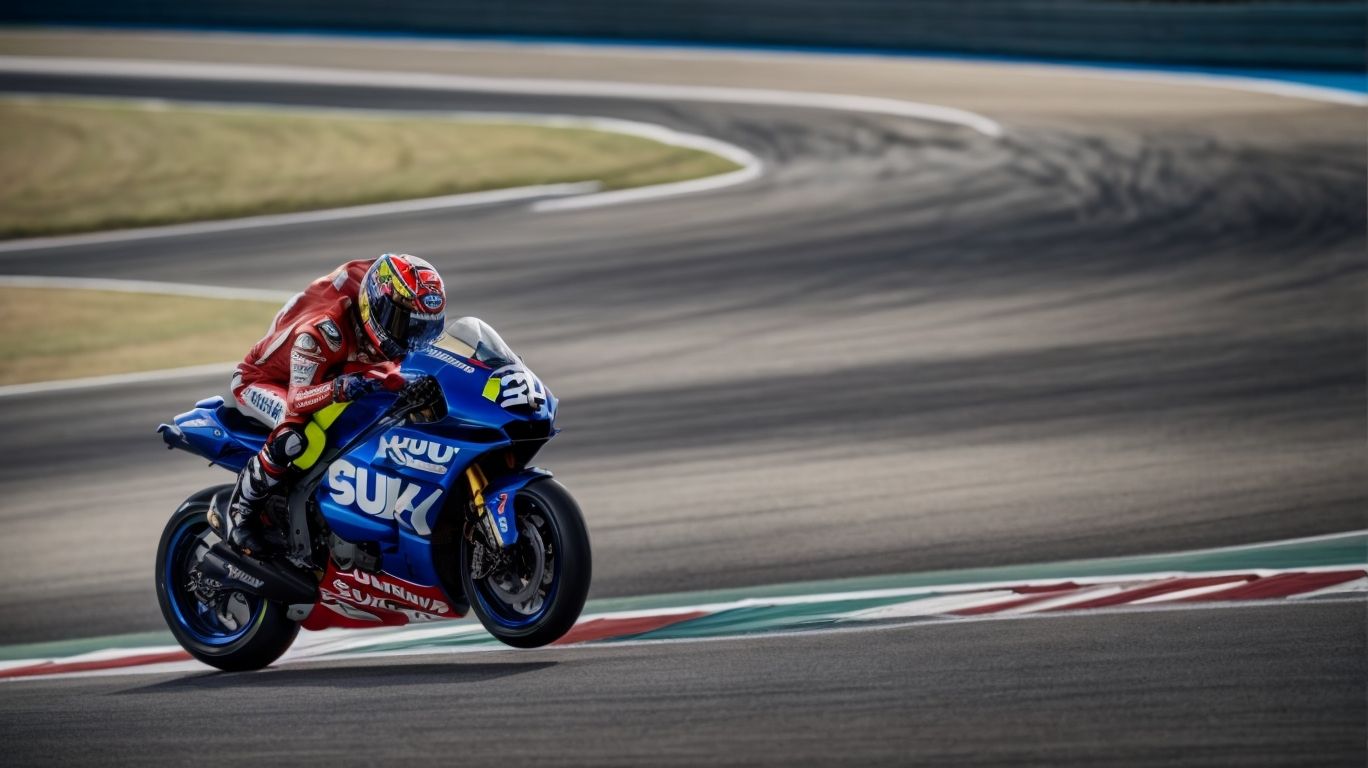
Suzuki, a prominent name in the world of MotoGP, has recently announced its departure from the racing scene.
Several factors, from financial constraints to a lack of desired results on the track, have influenced this decision.
Suzuki’s shift towards electric vehicles has also played a role in this exit.
In this article, we explore the impact of Suzuki’s departure on the team, riders, and the sport as a whole, as well as reactions from fans, competitors, and industry experts.
We will also delve into Suzuki’s future in MotoGP, considering potential returns, future plans, and the impact on sponsorships and partnerships.
Join us as we uncover the reasons behind Suzuki’s departure and what it means for the future of MotoGP.
Key Takeaways:
Who is Suzuki?
Suzuki is a renowned Japanese automotive manufacturer that has made significant contributions to the motorcycle industry.
Established in 1909, Suzuki’s journey in the motorcycle sector dates back to the early 1950s with the launch of their first motorized bike. Over the years, Suzuki has become synonymous with high-performance motorcycles, particularly excelling in the sportbike and racing segments. Suzuki’s highly successful presence in competitive racing events, such as MotoGP and MotoAmerica, has cemented its reputation as a top player in the industry.
With a global network of manufacturing facilities and distribution channels, Suzuki has a strong foothold in key markets worldwide. The company’s diverse product lineup includes not only sportbikes but also cruisers, scooters, and off-road motorcycles, catering to a wide range of riders.
What is MotoGP?
MotoGP is the premier class of motorcycle road racing sanctioned by the FIM, known for its high-speed races and top-tier competitors such as Marc Marquez and Maverick Vinales.
This thrilling racing series features cutting-edge technology and adrenaline-filled competitions that captivate audiences around the world. With races held on iconic tracks like Circuit de Barcelona-Catalunya and Circuit de Mugello, MotoGP showcases the ultimate test of skill and speed for riders.
Notable teams like Honda and Yamaha dominate the championship, constantly pushing the boundaries of innovation in motorcycle racing. Suzuki, another key player, has also made significant strides in recent years, challenging the traditional powerhouses.
The global fan base of MotoGP is immense, with millions of enthusiasts following every race and supporting their favorite riders. The series continues to gain popularity, attracting new viewers through exciting partnerships with organizations like MotoAmerica.
Why is Suzuki Leaving MotoGP?
Suzuki’s decision to exit MotoGP stems from a combination of market trends and financial considerations, signaling a strategic shift in the company’s racing priorities.
One of the main drivers behind Suzuki’s withdrawal from the MotoGP circuit was the escalating costs associated with competing at the highest level. The investment required to develop and maintain competitive bikes, fund research and development, and support top-tier riders like Alex Rins and Joan Mir presented a significant financial burden.
Market dynamics, such as the evolving landscape of motorcycle racing and the proliferation of new technologies, also played a crucial role in Suzuki’s decision-making process. As the industry continues to evolve, manufacturers are constantly evaluating their strategies to stay competitive and relevant on the global stage.
Financial Reasons
The financial reasons behind Suzuki’s MotoGP departure highlight the complexities of sustaining a competitive edge in a demanding racing environment.
Suzuki’s decision to leave MotoGP stemmed from a combination of factors, including the challenges of securing lucrative sponsorships and dealing with stringent budget constraints. Running a top-tier racing team in MotoGP involves substantial costs, from developing cutting-edge technology to paying for travel, logistics, and team personnel. Amidst the fierce competition in MotoGP, Suzuki faced the uphill battle of balancing performance needs with financial sustainability. The pressures of fulfilling their MotoGP contract and meeting the standards set by the factory involved further added to their financial burdens.
Lack of Results
Suzuki’s decision to leave MotoGP was influenced by a string of lackluster results in recent seasons, showcasing the intense competition and performance demands in the championship.
One of the standout instances of Suzuki’s struggles was during the 2011 season, where they faced numerous technical issues and struggled to keep up with the pace of their competitors.
This surge of challenges continued to haunt Suzuki, pushing them to consistently strive for improvements amidst the cutthroat world of MotoGP.
Shift in Focus to Electric Vehicles
Suzuki’s departure from MotoGP aligns with its strategic pivot towards electric vehicles, reflecting the industry-wide shift towards sustainable and eco-friendly transportation solutions.
With increasing global focus on reducing carbon emissions, Suzuki’s move signals its commitment to embracing environmentally conscious technologies in a bid to contribute towards a greener future. This decision also underscores the changing landscape of the automotive industry, where electric vehicles are gaining significant traction and disruption.
By prioritizing electric mobility, Suzuki is not only aligning itself with evolving consumer preferences but also positioning itself as a forward-thinking player in the competitive automotive market. This strategic shift not only emphasizes sustainability but also highlights the company’s adaptability and willingness to navigate towards cleaner, more efficient modes of transportation.
What is the Impact of Suzuki’s Departure?
Suzuki’s departure from MotoGP will have significant repercussions across the racing community, affecting teams, riders, and the overall dynamics of the championship.
The absence of Suzuki from MotoGP could potentially alter the competitive landscape within the series. With one less powerhouse in the mix, other teams might have a chance to rise to the occasion and challenge for the top spots. This shift in dynamics could lead to a more unpredictable and thrilling racing season, keeping fans on the edge of their seats.
Moreover, rival manufacturers like Honda and Yamaha will now need to reassess their strategies in light of Suzuki’s exit. They may need to adapt their development plans and resource allocation to account for the changing dynamics and potential power vacuum left by Suzuki.
On the Team
The departure of Suzuki from MotoGP will create a void in the team lineup, requiring adjustments in strategies, resources, and team dynamics to compensate for the loss.
As one of the longstanding participants in the racing circuit, Suzuki’s withdrawal will not only impact its own squad but also send ripples across the entire paddock. The absence of Suzuki will disrupt the established dynamic of competition and collaboration within the MotoGP realm, leaving both fans and insiders curious about how the remaining teams will adapt to this significant change.
On the Riders
For riders like Alex Rins and Joan Mir, Suzuki’s departure means navigating potential changes in career trajectories, sponsorships, and competitive opportunities within MotoGP and other racing series.
With Suzuki’s withdrawal, riders who once had the backing of a strong team now find themselves in a challenging position, having to rethink their future in the sport. Alex Rins and Joan Mir, both young talents with promising careers ahead, will need to actively seek out new contracts, sponsorships, or racing partnerships in order to continue competing at the highest level. This abrupt change not only impacts the riders individually but also puts pressure on the entire team to secure new alliances to stay in the competitive MotoGP landscape.
On the Sport
Suzuki’s departure will reverberate through MotoGP, reshaping the competitive landscape, influencing rival strategies, and prompting discussions on the sustainability of factory involvements in the sport.
With Suzuki bowing out of MotoGP, the vacuum left by the esteemed Japanese manufacturer raises questions about the future balance of power among the remaining contenders. The absence of Suzuki’s renowned engineering prowess will undoubtedly impact technological advancements in the sport and force other teams to step up their game to fill the void. The departure of a key player like Suzuki could potentially trigger a domino effect in terms of rule changes and the strategic decisions made by other manufacturers, further amplifying the anticipation for the upcoming seasons.
What Are the Reactions to Suzuki’s Departure?
Suzuki’s decision to leave MotoGP has elicited varied responses from fans, competitors, and industry experts, reflecting the significance of the move within the racing community.
Fans, while saddened by the departure, are grateful for the memories and victories Suzuki brought to MotoGP over the years. Rival teams such as Ducati and Yamaha see this as both a loss and an opportunity to recalibrate their strategies in the upcoming seasons. Notably, riders like Marc Marquez express respect for Suzuki’s legacy in the championship, acknowledging the competitive edge they brought to the track.
The MotoGP paddock, including key figures like Livio Suppo, is abuzz with discussions on the implications of Suzuki’s exit. Many speculate on the reasons behind the move and how it might reshape the dynamics of the entire grid. Amidst the uncertainty, there is a shared sentiment of nostalgia for the Suzuki era, with hopes for a future comeback.
From Fans
Fans of Suzuki in MotoGP have expressed a mix of disappointment, nostalgia, and anticipation for the team’s future endeavors, showcasing their emotional attachment to the racing brand.
Many fans took to social media platforms and fan forums to share their heartfelt sentiments on Suzuki’s exit. One fan wrote, ‘It’s hard to imagine the MotoGP grid without the iconic blue and white colors of Suzuki.’ Another fan expressed concern, saying, ‘I hope the team’s legacy and spirit continue to live on in the races to come.’ The loyalty and unwavering support displayed by fans highlight the deep connection they feel towards Suzuki as more than just a racing team, but a symbol of passion and excellence.
From Competitors
Competing teams and riders have responded to Suzuki’s departure with a mix of respect, rivalry, and strategic considerations, acknowledging the impact of the team’s absence on the MotoGP grid.
Rival manufacturers, such as Ducati and Yamaha, view Suzuki’s exit as both an opportunity and a challenge. For Ducati, it could mean one less competitor to face on the track, potentially improving their chances in races. Conversely, Yamaha might see this as a shift in the competitive landscape, requiring them to reassess their strategies to stay ahead in the championship standings.
From Industry Experts
Industry experts and analysts have offered insights into Suzuki’s MotoGP exit, citing market trends, financial pressures, and the evolving landscape of motorcycle racing as key factors driving the decision.
Various industry insiders, including Dorna Sports officials, team managers, and MotoGP commentators, have chimed in on the unexpected departure of Suzuki from the prestigious motorsport competition. While some believe that the intensifying competition and the shift in consumer preferences towards electric vehicles played a role in Suzuki’s decision, others point to the economic challenges faced by the company in the wake of global events like the pandemic.
These developments are not only reshaping the MotoGP landscape but also sending ripples through the broader motorcycle industry, forcing stakeholders to reassess their strategies and adapt to the changing times.
What is Suzuki’s Future in MotoGP?
The future of Suzuki in MotoGP remains uncertain, with speculations ranging from a potential return to innovative partnerships or sponsorships that could redefine the team’s racing trajectory.
One exciting possibility for Suzuki in MotoGP is a strategic comeback aimed at reclaiming their former glory on the racing circuit. If Suzuki decides to re-enter the MotoGP arena, it could signify a bold move to regain their competitive edge and challenge the current dominant teams. Collaborations with other racing entities, such as technical partnerships with renowned manufacturers or teams, could open up new avenues for technological advancements and enhanced performance.
Potential Return
Speculations about Suzuki’s potential return to MotoGP have sparked discussions about the team’s legacy, strategic considerations, and the dynamics of reentry into the competitive racing arena.
When analyzing the likelihood of Suzuki making a comeback to MotoGP, it becomes evident that various factors play into this significant decision. Market conditions, such as the demand for skilled riders and fan engagement, weigh heavily on the team’s deliberations. Regulatory changes and advancements in racing technology also shape the landscape of MotoGP, potentially creating both opportunities and challenges for Suzuki. The timing of this potential return is crucial, as the competitive field continues to evolve, requiring meticulous planning and strategic foresight from the team’s management.
Future Plans
Suzuki’s future plans in MotoGP could involve collaborations with other teams, technological innovations, or strategic partnerships that leverage the company’s expertise and heritage in motorcycle racing.
One potential strategy Suzuki may consider is intensifying their focus on research and development projects, aiming to push the boundaries of motorcycle engineering and performance. This could involve investing in cutting-edge technologies and exploring new design approaches to enhance their racing bikes’ competitiveness.
Suzuki might also explore marketing endeavors to maintain a strong presence in the racing community. By creating engaging content, partnering with influential figures in the MotoGP world, and organizing fan events, they can cultivate a loyal fanbase and strengthen brand loyalty.
Impact on Sponsorships and Partnerships
Suzuki’s departure from MotoGP will likely impact existing sponsorships, partnerships, and collaborative ventures within the racing ecosystem, necessitating renegotiations and brand realignments.
This major shift could significantly alter the landscape of engagements in the racing world, prompting a ripple effect across associated entities. For instance, Suzuki’s exit may require LCR Honda to reassess their marketing strategies and seek new partners to fill the void left by Suzuki’s departure. Long-standing relationships that were intertwined with Suzuki’s presence may now face challenges in maintaining their visibility and competitive edge without the support of a key player like Suzuki. As the MotoGP environment adapts to these changes, teams and sponsors will need to strategize and recalibrate to navigate the evolving dynamics of the sport.
Frequently Asked Questions
Why is Suzuki leaving MotoGP?
Suzuki has decided to leave MotoGP due to financial constraints and a shift in priorities towards their road bike division.
Will Suzuki return to MotoGP in the future?
There is no guarantee that Suzuki will return to MotoGP in the future, but they have not ruled out the possibility.
How long has Suzuki been in MotoGP?
Suzuki has been in MotoGP for a total of 18 consecutive seasons, since their return in 2015.
What is the reason behind Suzuki’s financial constraints?
Suzuki has faced financial challenges due to the COVID-19 pandemic and the overall economic impact on the automotive industry.
What will happen to Suzuki’s current MotoGP riders?
Suzuki’s current riders, Alex Rins and Joan Mir, are expected to move on to other teams for the 2022 season.
How will Suzuki’s departure affect the MotoGP Championship?
Suzuki’s departure will leave a gap in the MotoGP grid and potentially impact the competitiveness of the championship. It also opens up opportunities for other teams to potentially join the series.