How Many Motogp Races Are There in a Year?
If you’re a fan of high-speed motorcycle racing, then you’ve probably heard of MotoGP.
But do you know how many races are held in a MotoGP season? And where are these races hosted?
This article will delve into all the details you need to know about MotoGP, from the qualifying process to the current champions.
Buckle up and get ready to explore the adrenaline-pumping world of MotoGP racing!
Key Takeaways:
What is MotoGP?
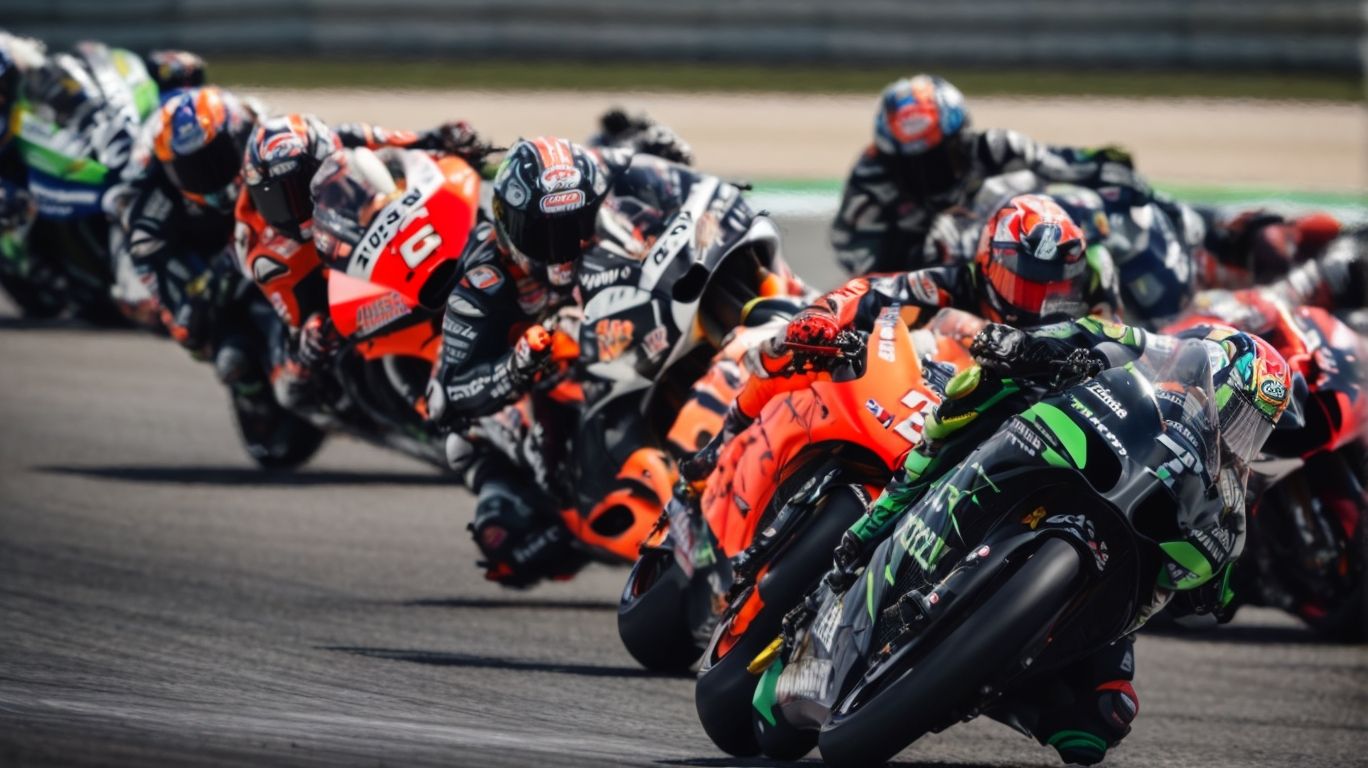
MotoGP is the premier class of motorcycle road racing events held on road circuits across the globe, featuring the fastest riders and cutting-edge bikes.
Originating in Europe in the late 1940s, MotoGP has evolved into a global phenomenon, captivating audiences with its adrenaline-fueled races. With a history steeped in tradition, MotoGP races are held on various circuits, each with its unique challenges, from the iconic twists and turns of Circuit de Barcelona-Catalunya to the high-speed straights of the Mugello Circuit in Italy.
Participating teams, including powerhouse names like Yamaha, Ducati, and Honda, compete fiercely to clinch the championship, pushing the boundaries of technology and performance. The bikes utilized in MotoGP races are equipped with advanced engineering, capable of reaching mind-boggling speeds exceeding 350 km/h, making it a thrilling spectacle for both riders and spectators alike.
How Many Races are There in a MotoGP Season?
A MotoGP season typically consists of a series of races held at various tracks around the world, with each race contributing to the overall championship standings.
The number of races in a MotoGP season usually ranges between 18 to 20, spread out across different countries. These races are crucial as they determine the points awarded to riders based on their finishing positions. Each race presents a unique challenge with varying track conditions, weather, and competition level, making the season unpredictable and thrilling for both fans and participants. The outcome of each race directly impacts the riders’ positions in the championship, creating intense rivalries and showcasing the skill and determination of the top riders in the sport.
What are the Different Types of Races in MotoGP?
The Different Types of Races in MotoGP include Grand Prix events featuring the MotoGP class, as well as races for Moto2 and Moto3 categories that showcase emerging talents.
In MotoGP, premier class riders compete on cutting-edge prototypes, pushing the limits of speed and technology. The Moto2 category utilizes 600cc four-stroke engines, providing a platform for riders to transition to the top tier. Conversely, Moto3 focuses on developing young riders with 250cc single-cylinder machines, emphasizing skill and racecraft.
Each class offers a unique racing experience, with diverse strategies and skill sets required to succeed. The high-stakes nature of MotoGP races, combined with the thrill of up-and-coming talent in Moto2 and Moto3, creates a dynamic and captivating spectacle for motorsport enthusiasts worldwide.
Which Countries Host MotoGP Races?
MotoGP races are hosted in countries across the world, with each nation offering unique tracks and landscapes for the thrilling events.
From the historic Circuito de Jerez in Spain to the high-speed Silverstone Circuit in the UK, MotoGP showcases a wide array of tracks that challenge riders and captivate spectators. Countries like Italy, Qatar, Malaysia, and Japan are just a few among the diverse list of locations that welcome these adrenaline-pumping races. The cultural significance of these international events goes beyond just motorsport, as they bring together people from different backgrounds, uniting them in their passion for speed and competition.
What is the Most Popular MotoGP Race?
The Most Popular MotoGP Race is a highly contested title, with several events such as the Circuit of The Americas in the United States and the iconic races held in Japan vying for the top spot.
One of the legendary races in the MotoGP calendar is the Italian Grand Prix held at Mugello Circuit, known for its fast and exhilarating corners that test the limits of riders. The iconic Circuit de Barcelona-Catalunya in Spain hosts another eagerly awaited event, drawing passionate fans who create a vibrant atmosphere. The historic British Grand Prix at Silverstone and the Grand Prix of Valencia in Spain offer thrilling competition and stunning racing moments that leave spectators in awe.
How Many MotoGP Races are Held in Each Country?
The number of MotoGP races held in each country varies, with some nations hosting multiple events throughout the season to showcase their passion for motorcycle racing.
In the world of MotoGP, the distribution of races is strategically planned to provide a global platform for riders and fans alike. Countries such as Spain, Italy, and Qatar are prominent in this sport, hosting multiple races to cater to the fervent audience. The Spanish Grand Prix, for instance, traditionally held in Jerez or Barcelona, is a cherished event that showcases the iconic rivalry between top riders.
Italy, known for its rich racing history, welcomes enthusiasts to iconic circuits like Mugello and Misano. Meanwhile, Qatar kickstarts the season with the spectacular floodlit race at Losail International Circuit, setting the tone for the thrilling battles ahead.
Which Country has the Most Races in a Season?
The Country that has the Most Races in a MotoGP season often rotates based on the calendar, with nations like America, India, and Japan historically featuring prominently in the championship.
Other countries such as Spain, Italy, and Malaysia are also known to be favorites for hosting multiple races in a MotoGP season. These nations boast a rich motorsport culture, passionate fan base, top-tier racing circuits, and favorable climatic conditions that make them ideal destinations on the MotoGP calendar. The diversity of tracks across these countries adds an element of unpredictability to the championship, challenging riders and teams with varying terrains and technical demands.
What is the Schedule of MotoGP Races?
The Schedule of MotoGP Races is meticulously planned out each season, encompassing a diverse range of circuits and events to test the skills of riders and teams.
Each MotoGP season typically consists of around 20 races held in various countries across the globe, offering a dynamic mix of challenges for the riders. The schedule kicks off with the Qatar Grand Prix in March, followed by a series of races in countries like the USA, Spain, Italy, and Japan.
Track diversity is a key highlight, with circuits ranging from iconic tracks like Circuit de Barcelona-Catalunya and Assen TT Circuit to newer venues such as the Chang International Circuit in Thailand.
MotoGP races are structured over weekends, featuring practice sessions, qualifying rounds, and the main race on Sunday, providing fans with a thrilling and intense racing experience.
When is the First Race of the Season?
The First Race of the MotoGP Season marks the beginning of an exciting journey for riders and fans, setting the tone for the intense competition that lies ahead.
Months of rigorous training, technological advancements, and strategic planning culminate in this highly anticipated event as riders gear up to showcase their skills and machines on the track. The energy surrounding this momentous occasion reverberates through the paddock, with teams fine-tuning their bikes and optimizing strategies for the challenges that await. Fans eagerly await the adrenaline-fueled action, eagerly anticipating the clash of titans and the thrilling display of speed and precision that characterize MotoGP races.
When is the Last Race of the Season?
The Last Race of a MotoGP Season often culminates in a thrilling finale, where championship titles are decided and memorable moments are etched into the history of the sport.
The anticipation and nerves among riders and fans alike reach a fever pitch as the final showdown approaches. Rivalries that have simmered throughout the season come to a head, with adrenaline-fueled battles on the track determining the ultimate victor. Every turn, every overtaking maneuver, and every strategic pit stop hold the potential to shift the entire course of the championship standings.
As the stakes couldn’t be higher, the pressure to perform at peak levels is immense. The margin for error is razor-thin, and one wrong move can shatter dreams and alter destinies. The atmosphere is electric, with a mix of excitement, tension, and raw emotion palpable in the air.
Are There Any Breaks in the Season?
Breaks in the MotoGP Season offer riders and teams valuable time to regroup, strategize, and recharge before the next phase of intense competition begins.
These breaks in the MotoGP calendar serve as crucial junctures for riders to analyze their performance, review strategies, and ensure their physical and mental well-being. It’s not just about resting but also about fine-tuning techniques, studying competitors, and enhancing overall racecraft.
The hiatus provides teams with the opportunity to refine bike setups, address any mechanical issues, and evaluate data collected from previous races. It’s a period where the entire ecosystem of MotoGP can recalibrate, learn, and grow for the challenges that lie ahead.
How Do Riders Qualify for MotoGP Races?
Riders Qualify for MotoGP Races through a rigorous process that evaluates their skills, speed, and consistency on the track to ensure the most competitive field.
In a typical MotoGP qualifying session, riders have a limited time frame to set their fastest laps. The starting grid positions are crucial, as they can significantly impact a rider’s race strategy and chances of success. To secure a top position, riders must push their bikes to the limit, navigating corners with precision and maximizing acceleration on the straights.
Qualifying sessions are intense, with riders facing immense pressure to perform. Factors like weather conditions, bike setup, and traffic on the track can all influence a rider’s ability to set a competitive lap time.
What is the Qualifying Process?
The Qualifying Process in MotoGP involves timed sessions where riders aim to secure the fastest lap times to earn advantageous starting positions on the grid for the race.
In MotoGP, the qualifying process is a crucial aspect of race weekend dynamics. It is divided into multiple stages, typically starting with Q1 and Q2 sessions. During these timed sessions, riders push their limits to extract the maximum performance from their motorcycles and themselves.
Strategies vary among riders, with some opting for early fast laps to secure a spot in Q2 directly, while others strategically plan to set their best times towards the end of the session when track conditions may be more optimal.
Riders also carefully manage their tire usage, balancing the need for grip with the longevity required for consistency over multiple laps. The art of slipstreaming, where a rider trails another to gain aerodynamic advantage on straights, is another tactic frequently employed to gain precious tenths of a second.
How Many Riders Participate in Each Race?
The Number of Riders Participating in Each MotoGP Race typically ranges between 20 to 25 competitors, creating a dynamic and challenging field for every event.
The composition of these rider numbers adds to the competitive nature of MotoGP races, where talented riders from various nations and backgrounds come together to test their skills.
Each rider brings a unique style and approach to the race, contributing to the diversity of participants on the grid.
This diversity not only showcases the global appeal of MotoGP but also influences the race dynamics, as different riding styles and strategies clash on the tracks.
Who are the Current MotoGP Champions?
The Current MotoGP Champions represent the pinnacle of excellence in motorcycle racing, showcasing outstanding skills and teamwork to secure prestigious titles.
Among them, Marc Marquez stands out as a dominant force, having clinched multiple championship wins in recent years. His fearless riding style and exceptional speed have propelled him to the top of the sport.
On the team front, Ducati has been a formidable contender, with their innovation and technological advancements pushing the boundaries of performance. Riders like Andrea Dovizioso have displayed remarkable consistency and strategic prowess on the track.
In the dynamic world of MotoGP, competition is fierce, with riders from various manufacturers pushing each other to the limits, creating a thrilling spectacle for fans worldwide.
Frequently Asked Questions
How Many Motogp Races Are There in a Year?
There are typically 19-20 races in a Motogp season.
How many rounds are there in a Motogp season?
There are 19-20 rounds in a Motogp season, each consisting of a race.
What is the average number of Motogp races per season?
The average number of Motogp races per season is 19-20.
Are there any exceptions to the number of races in a Motogp season?
Yes, there have been occasions where a season has had less than 19 races due to unforeseen circumstances or scheduling conflicts.
How many races are there in a Moto2 season?
There are typically 18-19 races in a Moto2 season, one less than the Motogp season.
Is the number of Motogp races consistent every year?
No, the number of races can vary from year to year depending on changes in the schedule or other factors.