What is the Lean Angle in Motogp?
In the high-speed world of MotoGP racing, lean angle plays a crucial role in determining a rider’s performance on the track.
We explore the importance of lean angle in MotoGP, including how it affects cornering speed, traction, and tire wear.
Dive into the factors that influence lean angle, the risks associated with high lean angles, and how riders train to increase their lean angle.
Discover the different types of lean angle in MotoGP and how it varies between riders in the sport.
Key Takeaways:
What Is Lean Angle in MotoGP?
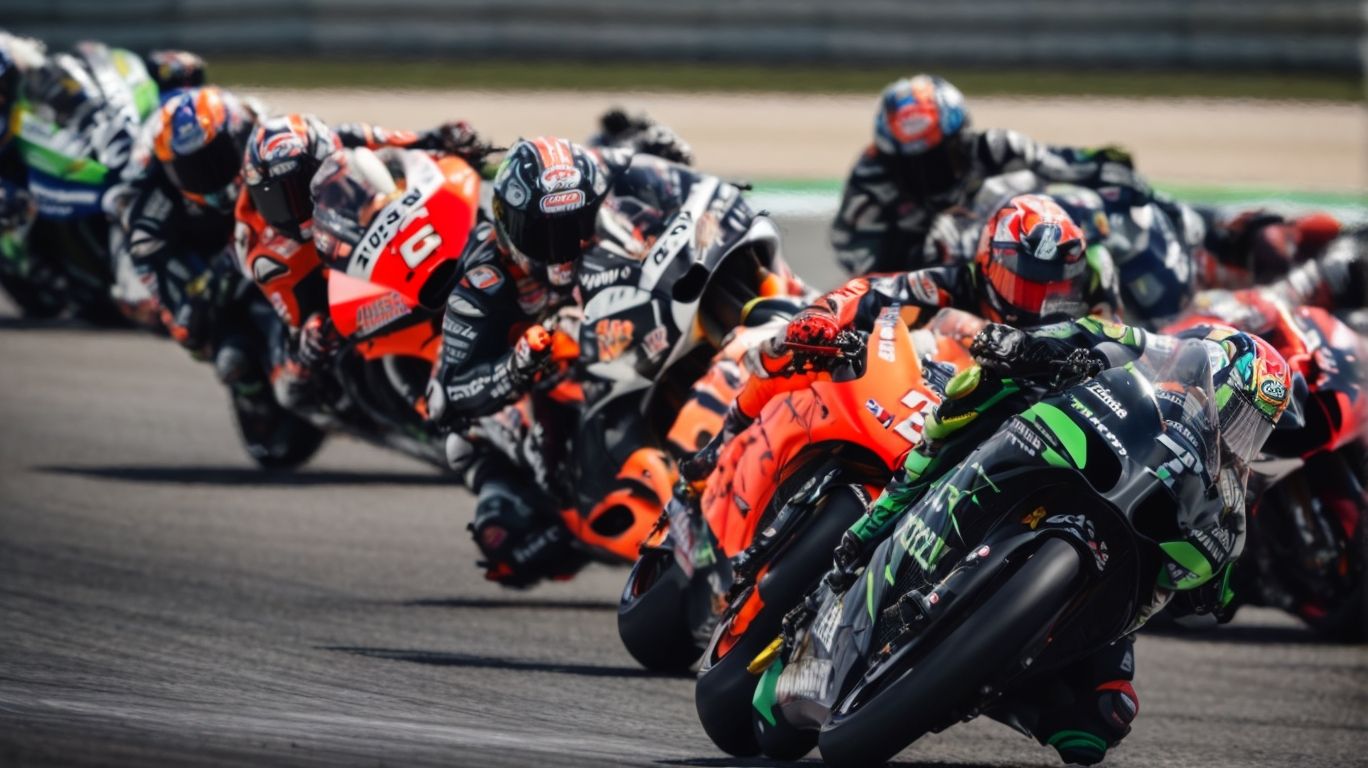
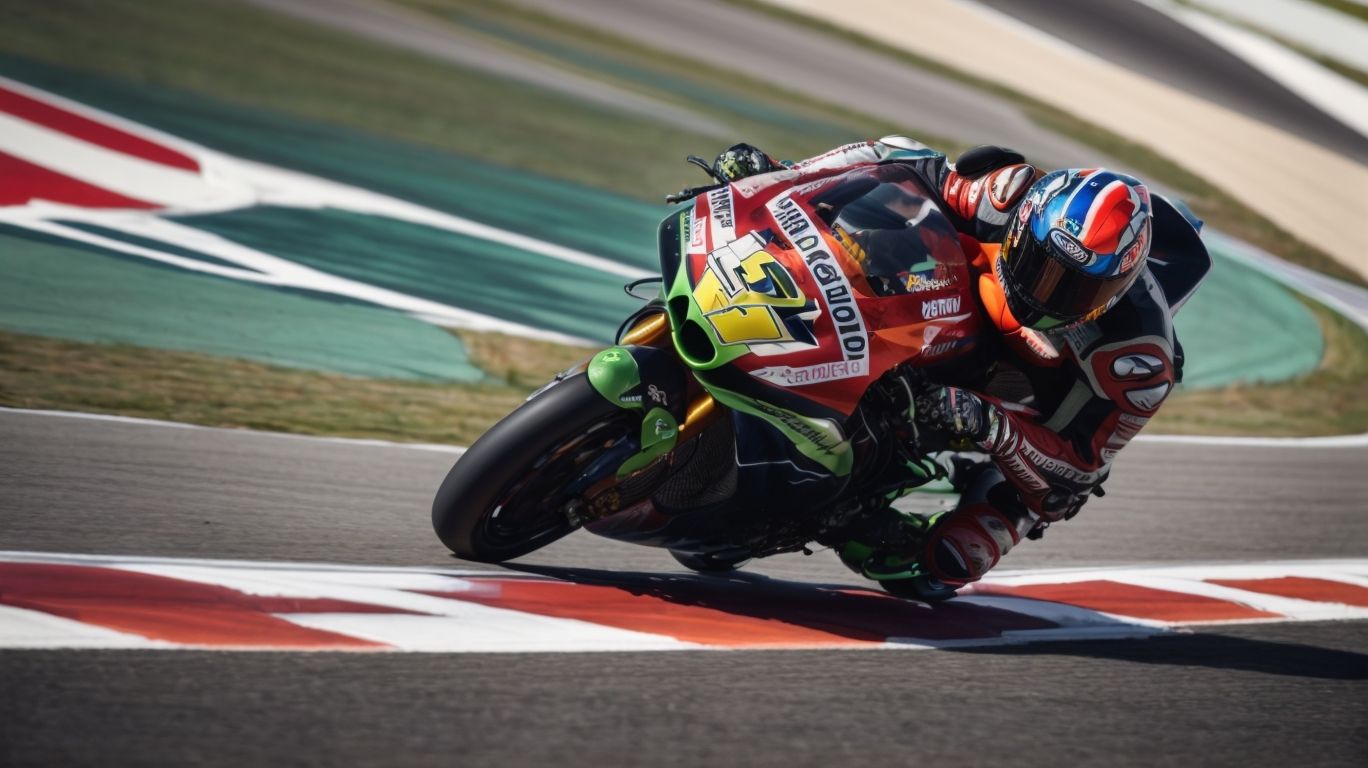
Lean angle in MotoGP refers to the angle at which motorcycles lean into corners while maintaining balance and control.
Mastering the art of lean angle is crucial for MotoGP riders as it directly impacts their cornering speed and overall performance on the track. The ability to lean the bike at extreme angles not only allows for faster entry and exit speeds but also enhances traction through the turns.
During high-speed cornering, riders must find the perfect balance between maintaining a tight line and pushing the limits of their lean angle to maximize their speed.
Lean angle plays a vital role in determining the difference between a successful overtaking maneuver and a missed opportunity, making it a defining factor in MotoGP races.
How Is Lean Angle Measured in MotoGP?
In MotoGP, lean angle is measured using advanced technology that tracks the degree of tilt of the motorcycle during cornering.
These precision instruments capture data in real-time, providing detailed insights into how riders position their bikes in turns. The data collected includes parameters like roll, pitch, and yaw angles, which are crucial for understanding rider dynamics.
Sophisticated data analysis techniques are applied to extract meaningful information from the vast amount of gathered data. These analyses help teams optimize setup, improve performance, and enhance rider safety.
Why Is Lean Angle Important in MotoGP?
Lean angle plays a crucial role in MotoGP due to its direct impact on cornering speed, traction levels, and tire wear during high-speed maneuvers.
When a rider leans into a turn, they are not just aiming to get through the corner – instead, they are optimizing their bike’s handling and performance. The optimal lean angle allows for tighter cornering radius, which leads to higher cornering speeds while maintaining traction. Maneuvering at the edge of the tire’s contact patch tests the rider’s skill and bike’s capabilities, making lean angle a key factor in racing strategy and overall success in MotoGP.
Cornering Speed
Cornering speed in MotoGP is determined by various factors, including lean angle, as riders aim to carry maximum speed through turns.
Optimizing the lean angle in MotoGP is crucial for achieving the perfect balance between maintaining traction and reducing lateral forces on the bike. Riders skillfully adjust their body position and bike lean to navigate through corners with precision and speed. By leaning the bike at the right angle, riders can increase their cornering speed, enabling them to exit corners faster and ultimately shave valuable seconds off their lap times.
Traction
Traction in MotoGP is heavily influenced by the lean angle of the motorcycle, with the contact patch of the rubber tire playing a critical role in maintaining grip.
When a MotoGP rider leans into a corner, the tire’s contact patch shifts its surface area, adapting to the varying angle with the asphalt. This adjustment of the contact patch is crucial, as it directly affects the amount of friction between the tire and the road.
Maximizing traction demands a delicate balance between the tire composition, road surface conditions, and the angle at which the motorcycle leans. This synergy is what allows MotoGP riders to push the limits of grip while racing at breakneck speeds.
Tire Wear
Tire wear in MotoGP is closely linked to lean angle, with riders pushing the limits to achieve maximum performance, sometimes scraping the tire surface with a credit card-like edge.
When MotoGP riders lean their bikes into turns, the tires are subjected to immense stress due to the extreme angles. This aggressive maneuvering exerts uneven pressure on the tire, causing significant wear. The high-speed nature of MotoGP racing and the rigorous demands of cornering at apex speeds further accelerate tire degradation.
To manage tire wear effectively, riders employ various techniques, including adjusting their body position on the bike to optimize weight distribution. Precise throttle control and smooth cornering are essential strategies to reduce excessive wear on the tires.
What Factors Affect Lean Angle in MotoGP?
Several factors influence lean angle in MotoGP, including track conditions, rider technique, and the setup of the motorcycle’s chassis.
Track-specific challenges play a crucial role in determining the lean angle achieved by MotoGP riders. Each circuit presents its own unique characteristics, such as the number of corners, the type of surface, and the level of grip available. Rider-centric variables, like body position, throttle control, and braking technique, further impact how far a rider can lean into a turn. Technical adjustments to the chassis settings, such as suspension tuning and tire pressures, can optimize the motorcycle’s performance at extreme lean angles.
Track Conditions
Track conditions have a significant impact on lean angle in MotoGP, with variables like surface grip and corner camber affecting how riders approach corners.
When the track is hot and the grip level is high, riders can lean their bikes more aggressively into corners and carry higher speeds through the apex. Conversely, on a wet track where grip is limited, riders have to adjust their lean angles to avoid losing traction and potentially crashing.
The camber of a corner also plays a crucial role, as a positive camber can help the bike turn more easily, while a negative camber can make it more challenging to find the right line. Environmental factors such as wind direction and temperature further add complexity to the equation, requiring riders to constantly adapt their lean angles for optimal performance.
Rider Technique
Rider technique is paramount in determining lean angle in MotoGP, as skilled riders use body positioning and throttle control to navigate corners with precision and speed.
Engineers meticulously craft MotoGP bikes with cutting-edge technology and aerodynamics to enhance handling and performance in high-speed maneuvers. Balance becomes a delicate dance between man and machine, where the slightest shift in weight can make a significant impact on the bike’s trajectory.
Bike Setup
The setup of the motorcycle’s chassis is crucial for optimizing lean angle in MotoGP, with adjustments to suspension, geometry, and ergonomics influencing rider performance.
Properly tuning the chassis of a MotoGP bike can make a monumental difference in how a rider tackles corners on the race track. The suspension settings play a vital role in handling bumps and dips, allowing for smooth and controlled maneuvers. Tweaking the geometry of the bike can impact its agility and stability during high-speed cornering, ensuring that the rider can maintain their line with precision.
What Are the Risks of High Lean Angle in MotoGP?
High lean angles in MotoGP pose risks such as increased likelihood of crashing and loss of control, especially when pushing the limits of performance.
Excessive lean angles can lead to what is known as ‘tucking the front,’ where the front wheel loses traction suddenly, causing the rider to go down. This is one of the most common types of crashes in motorcycle racing and can have serious implications. Riders must toe the line between achieving optimal performance through lean angles and avoiding the perilous consequences of going too far.
Crashing
Crashing is a significant risk of high lean angles in MotoGP, as exceeding the optimal tilt can lead to loss of traction and control, resulting in accidents.
In the world of MotoGP, where riders push the boundaries of physics in pursuit of victory, high lean angles are both a skillful display of precision and a perilous gamble. When riders aggressively lean into corners, teetering on the edge of control, the margin for error narrows to a razor-thin line. The slightest miscalculation or unforeseen obstacle can spell disaster, sending the bike skidding across the asphalt in a heart-stopping sequence.
Loss of Control
Loss of control is a critical concern with high lean angles in MotoGP, as reduced traction limits the rider’s ability to steer and maneuver effectively through corners.
When a MotoGP rider pushes their bike to extreme lean angles, the margin for error narrows significantly. At such limits, the slightest miscalculation can lead to loss of grip, sending the bike into a slide or causing a violent highside. These scenarios demand split-second reflexes and expert technique to prevent spills and maintain control. Regaining traction on a MotoGP bike, especially mid-corner, requires delicate throttle control, body positioning adjustments, and a deep understanding of the bike’s behavior at the edge of grip.
How Do Riders Train to Increase Lean Angle in MotoGP?
Riders in MotoGP undergo specialized training programs that focus on enhancing lean angle capabilities through targeted gym workouts and balance and coordination drills.
MotoGP riders follow a rigorous training routine to ensure they are physically prepared for the demands of leaning into corners at high speeds. This involves a combination of strength training to build muscle endurance and stability, along with flexibility exercises to maintain agility on the bike.
Riders often work on specific balance exercises to improve their ability to shift their weight effectively during cornering, which is crucial for maintaining control and maximizing performance on the track.
Gym Workouts
Gym workouts play a crucial role in rider preparation for increasing lean angle in MotoGP, focusing on strength, flexibility, and core stability.
Strength-building exercises are essential to help riders develop the necessary muscle power to maintain balance and control during high-speed cornering, enabling them to lean further without losing control. Flexibility routines are equally important as they allow for fluid movement on the bike, helping riders achieve optimal body positioning for navigating tight corners efficiently.
- Core stability training also plays a key role in enhancing a rider’s ability to maintain control over the bike when executing sharp turns. A strong and stable core helps distribute weight effectively, aiding in controlled and precise movements during challenging corners.
Balance and Coordination Drills
Balance and coordination drills are essential components of rider training to increase lean angle proficiency in MotoGP, emphasizing control, agility, and precision.
The provided text is already correctly formatted with the
tag enclosing the content and tags used for bold formatting within the paragraph. No further formatting changes are required.
On-Track Practice
On-track practice sessions are vital for riders to hone their lean angle techniques in MotoGP, allowing them to test limits, refine skills, and optimize cornering strategies.
Track time provides MotoGP riders with the opportunity to push their boundaries and find the optimal balance between speed and control, crucial for mastering the art of leaning into corners with precision.
Feedback analysis plays a significant role in identifying areas for improvement, helping riders understand their performance and make necessary adjustments to their riding style.
Iterative refinement through continuous on-track sessions allows riders to gradually enhance their lean angle proficiency, implementing lessons learned from each cornering experience to achieve greater agility and speed on the racetrack.
What Are the Different Types of Lean Angle in MotoGP?
In MotoGP, lean angle is categorized into different types, including maximum lean angle for extreme cornering, average lean angle for consistent performance, and minimum lean angle for stability.
Maximum lean angle, often referred to as the ‘chicken wing’ lean, plays a crucial role in allowing MotoGP riders to navigate tight corners at incredible speeds without losing control. This extreme lean angle enables the motorcycle to maintain traction and stability while taking the sharpest turns on the track.
Average lean angle is the bread and butter of MotoGP cornering, as it determines how smoothly a rider can maintain speed through a sequence of corners. Riders aim to find the balance between pushing the bike towards the apex while ensuring they have enough grip to accelerate out of the turn efficiently.
On the other hand, minimum lean angle, known as the ‘safety margin’ lean, provides riders with a safety buffer during straight-line acceleration and braking. While not as flashy as maximum lean angles, this minimal lean angle allows riders to maintain control and stability even in challenging conditions.
Maximum Lean Angle
Maximum lean angle in MotoGP represents the extreme tilt achieved by riders during aggressive cornering maneuvers to extract maximum performance and speed.
In the high-stakes world of MotoGP, where milliseconds make the difference between victory and defeat, mastering the art of leaning the motorcycle to its limits is of paramount importance.
Riders push themselves and their machines to the edge, leaning the bike towards the tarmac more than conventional wisdom would deem possible. This extreme tilt allows them to take corners at astonishing speeds, defying the laws of physics with their skills and precision.
Average Lean Angle
Average lean angle in MotoGP reflects the consistent tilt maintained by riders across corners to ensure stable and efficient performance throughout the race.
In MotoGP, achieving the optimal lean angle is crucial for navigating the diverse array of corners on the track. From the sweeping curves to tight hairpins, riders must adapt their body position and bike lean to maintain balance and control.
The lean angle directly impacts the grip levels of the tires, as excessive lean can overload the tire and lead to a loss of traction, while insufficient lean can hinder the bike’s ability to negotiate the turn smoothly.
Cornering speed is heavily influenced by the lean angle, with riders aiming to carry as much speed as possible without compromising stability or safety.
Minimum Lean Angle
Minimum lean angle in MotoGP represents the least amount of tilt required by riders to maintain stability and control during slower corners or straight-line acceleration.
Managing stability, traction, and steering responsiveness play crucial roles in achieving optimal performance on the track. By carefully controlling the bike’s lean angle, riders can enhance their ability to negotiate tight corners with precision and speed. The minimal lean angle serves as a delicate balance between pushing the bike to its limits without losing grip, ensuring that the rider can maintain control even at low speeds. This skill is honed through years of training and experience, making MotoGP riders some of the most skilled motorcyclists in the world.
How Does Lean Angle Differ Between Riders in MotoGP?
Lean angle variations between riders in MotoGP stem from individual riding styles, techniques, and comfort levels with extreme tilting during cornering.
Riders like Marc Marquez are known for their aggressive leaning approach, pushing the limits of their bikes’ traction to gain a competitive edge. On the other hand, riders such as Valentino Rossi maintain a more balanced and smooth lean, relying on experience and precise control rather than pure aggression. These different strategies not only reflect the riders’ personalities but also their understanding of track conditions, tire grip, and bike setup.
Frequently Asked Questions
What is the Lean Angle in Motogp?
The Lean Angle in Motogp refers to the angle at which a motorcycle leans while taking a turn on a race track.
How is the Lean Angle measured in Motogp?
The Lean Angle is measured using sensors attached to the motorcycle that track the angle of the bike at different points during a turn.
Why is the Lean Angle important in Motogp?
The Lean Angle is important in Motogp because it directly affects the speed at which a rider can take a turn. A greater lean angle allows for higher speeds, but also poses a higher risk of crashing.
What is the maximum Lean Angle achieved in Motogp?
The maximum Lean Angle achieved in Motogp is around 64 degrees, which has been achieved by riders such as Valentino Rossi and Marc Marquez.
How do Motogp riders train to improve their Lean Angle?
Motogp riders train to improve their Lean Angle by practicing on the track and using specialized equipment such as a lean-angle measuring machine, which helps them understand their body positioning and adjust it for better performance.
Can the Lean Angle be adjusted during a race in Motogp?
Yes, the Lean Angle can be adjusted during a race in Motogp by the rider shifting their body weight and adjusting their body positioning on the motorcycle to achieve a different angle.