Who is Dorna in Motogp?
Dorna is a key player in the world of MotoGP, involved in various aspects of organizing and promoting the sport.
Leading figures like CEO Carmelo Ezpeleta and Managing Director Javier Alonso guide Dorna in managing television rights, developing safety regulations, and supporting young talent, crucially shaping the MotoGP landscape.
Dorna has made significant impacts on the sport, increasing its global reach and popularity.
Controversies and criticisms, including allegations of monopoly and disputes with teams and riders, have sparked debates within the MotoGP community.
Explore the history, key milestones, key figures, impacts, and controversies surrounding Dorna in MotoGP in this article.
Key Takeaways:
History of Dorna in MotoGP
Dorna Sports, based in Madrid, Spain, has played a pivotal role in the evolution of MotoGP, with its inception tied to Bridgepoint Capital’s ownership.
Dorna Sports was founded in 1988 and quickly became a leading promoter of motorcycle racing events worldwide. In 1992, the company acquired the commercial and television rights for MotoGP, marking a significant turning point. Under Bridgepoint Capital’s guidance, Dorna Sports expanded its global reach, enhancing the sport’s visibility and popularity. The ownership transitions over the years have been instrumental in shaping the organization’s strategic direction and ensuring the continued success of MotoGP.
How Did Dorna Become Involved in MotoGP?
Dorna Sports’ involvement in MotoGP traces back to its acquisition by CVC Capital Partners, marking a significant shift in the management and commercial rights of the World Championship.
This transition of ownership from CVC Capital Partners to Dorna Sports brought about a pivotal change in how MotoGP was managed and monetized. With this acquisition, Dorna Sports gained full control over the commercial rights of MotoGP, allowing them to steer the direction of the World Championship and its financial operations.
The impact of this sale was not merely limited to the organizational structure but also reverberated through various aspects of MotoGP’s ecosystem. This change signaled a new era for the sport, with Dorna Sports taking the helm in shaping its future trajectory and overall commercial strategies.
Key Milestones and Achievements of Dorna in MotoGP
Dorna Sports has achieved significant milestones in securing and managing the commercial rights of MotoGP, navigating competition concerns and regulatory scrutiny, particularly with the European Commission.
One of the key accomplishments of Dorna Sports is its success in negotiating lucrative TV rights deals for MotoGP, ensuring that the sport reaches a global audience. The organization’s strategic approach to addressing competition concerns has not only bolstered the popularity of MotoGP but also led to increased revenues and brand visibility.
Adapting to evolving regulatory challenges, Dorna Sports has demonstrated agility and resilience, implementing innovative solutions to comply with changing laws and regulations while maintaining the essence of MotoGP. The organization’s ability to adeptly navigate complex legal landscapes has cemented its reputation as a leading commercial rights manager in the motorsport industry. Through proactive engagement with stakeholders and a commitment to transparency, Dorna Sports continues to set benchmarks for managing MotoGP’s commercial rights, setting a standard for the industry as a whole.”
What Does Dorna Do in MotoGP?
Dorna Sports actively engages in organizing and promoting MotoGP races worldwide, while strategically managing TV rights and upholding Dorna Values that define its approach.
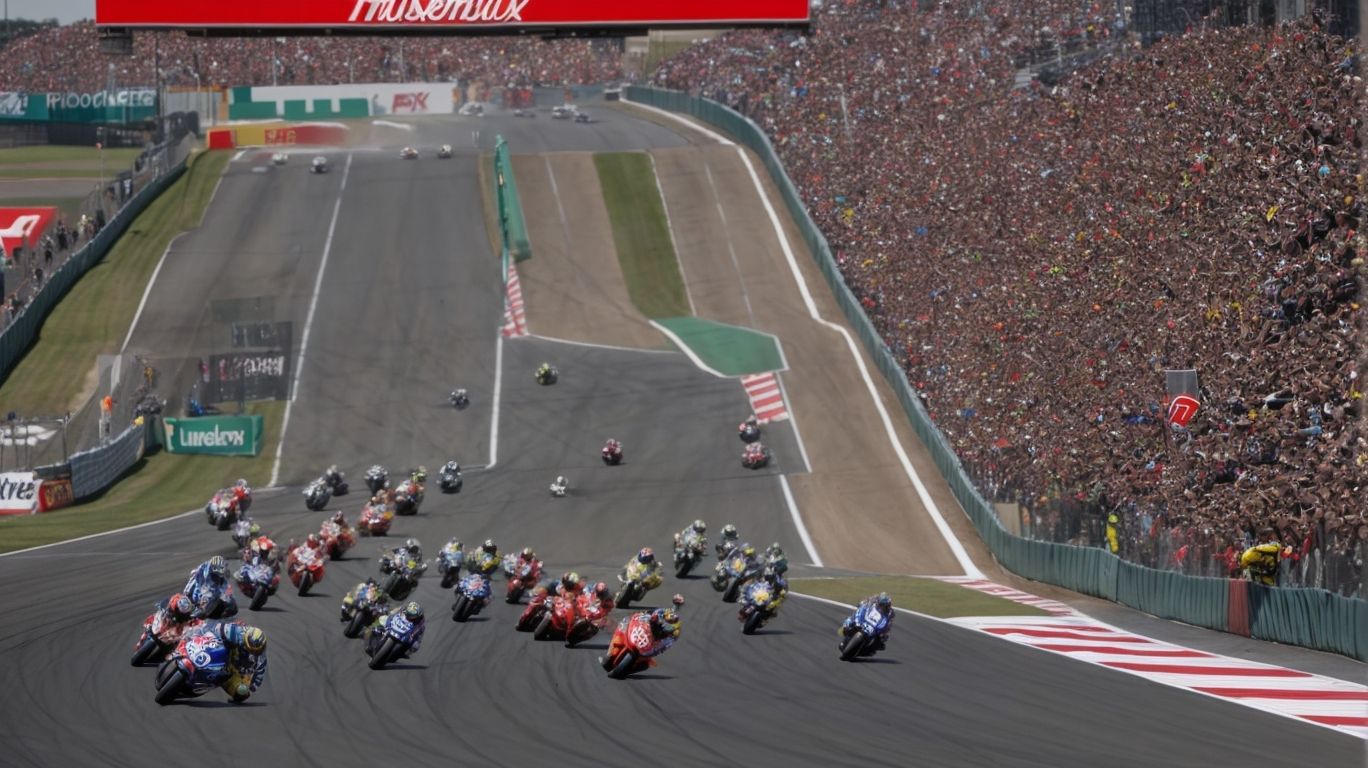
By meticulously coordinating each MotoGP event, Dorna ensures seamless operations and top-notch experiences for both spectators and participants. Dorna Sports leverages its global reach to promote races to a diverse audience across continents, fostering a vibrant community of racing enthusiasts worldwide.
One of the key factors contributing to MotoGP’s success is Dorna’s adept management of TV rights. This enables them to negotiate broadcasting deals with major networks, maximizing the visibility of races and engaging fans across various platforms.
Organizing and Promoting Races
Dorna Sports takes a proactive approach in organizing and promoting MotoGP races, fostering sponsorships and ensuring global exposure for the championship.
One of the key strategies employed by Dorna to enhance the global reach of MotoGP races is through securing partnerships with multinational corporations and regional brands, thereby increasing visibility and financial support for the championship. Through targeted marketing efforts and innovative digital platforms, Dorna has successfully heightened the fan engagement levels, attracting a diverse audience from various corners of the world. The introduction of themed events and interactive experiences during race weekends has further elevated the overall spectator experience, solidifying MotoGP’s position as a premier motorsport event globally.
Managing Television and Media Rights
Dorna Sports plays a pivotal role in managing the television and media rights of MotoGP, ensuring optimal ownership distribution and maximizing exposure across various platforms.
With a dedicated focus on global reach, Dorna Sports employs strategic distribution strategies to ensure that MotoGP content is accessible to audiences worldwide. By negotiating broadcast deals with networks in different regions, they secure prime airtime slots for races and related programming, tapping into diverse markets and demographics.
Ensuring ownership control in media rights management is essential for Dorna Sports to uphold the value and integrity of the MotoGP brand. By maintaining a firm grip on these rights, they can carefully curate the content distribution, safeguarding the exclusivity and quality of the viewer experience.
Developing and Implementing Safety Regulations
Dorna Sports places a strong emphasis on developing and implementing safety regulations in MotoGP, reflecting its commitment to social responsibility within the motorsport industry.
One of the key initiatives by Dorna is their collaboration with the FIM (Fédération Internationale de Motocyclisme) to continuously assess and update safety protocols. This partnership has led to the introduction of groundbreaking measures such as improved helmet standards, enhanced track design guidelines, and stricter regulations on rider gear. Dorna’s proactive approach in prioritizing safety has significantly reduced the number of serious injuries and fatalities in MotoGP over the years.
Supporting and Promoting Young Talent
Dorna Sports actively supports and promotes young talent in MotoGP, collaborating with organizations like Two Wheels for Life to nurture the next generation of riders.
One of the key initiatives led by Dorna in talent identification and development is the MotoGP Rookies Cup, a platform where young riders showcase their skills and potential. Through this program, emerging talents receive crucial mentorship, coaching, and exposure to professional racing circuits. Dorna’s commitment to fostering new stars extends beyond just the track. They have established partnerships with educational institutions to provide academic support and career guidance, ensuring that promising riders have a well-rounded development journey.
Who Are the Key Figures in Dorna?
Within Dorna Sports, key figures such as CEO Carmelo Ezpeleta, Managing Director Javier Alonso, and Secretary General Mike Trimby play integral roles in steering the organization’s motorsport department.
These leaders bring a wealth of experience and expertise to the table. Carmelo Ezpeleta, recognized for his visionary approach, has been the driving force behind Dorna’s strategic direction, shaping the future of MotoGP and other racing series. Javier Alonso’s operational acumen ensures seamless execution of initiatives, from race planning to broadcast deals. Mike Trimby, with his meticulous attention to detail, oversees regulatory matters, maintaining the sport’s integrity.
Carmelo Ezpeleta – CEO of Dorna Sports
Carmelo Ezpeleta, as the CEO of Dorna Sports, has been instrumental in guiding the organization through ownership transitions and strategic sales that have shaped the future of MotoGP.
Under his leadership, Dorna Sports has witnessed remarkable growth and global recognition within the world of motorcycle racing. Known for his strategic vision and innovative approach, Ezpeleta has introduced numerous initiatives to enhance the fan experience, increase viewership, and attract top-tier sponsors to MotoGP.
His commitment to promoting competitiveness while ensuring safety standards has earned him respect within the racing community and among stakeholders worldwide.
Javier Alonso – Managing Director of Dorna Sports
Javier Alonso, serving as the Managing Director of Dorna Sports, oversees critical functions such as sponsorship acquisition and media rights management, contributing to the organization’s global exposure.
Alonso’s adept leadership has proven instrumental in securing key sponsorships for Dorna Sports, aligning the company with prestigious brands and increasing revenue streams. His knack for negotiating and cultivating partnerships has led to strategic alliances that have significantly boosted the organization’s visibility in the competitive sporting landscape. Under Alonso’s guidance, Dorna Sports has effectively managed media rights, ensuring optimal distribution and broadcasting deals that have expanded the reach of the company’s events worldwide. His innovative approach and deep understanding of the industry have solidified Dorna Sports’ position as a major player in the motorsports arena.
Mike Trimby – Secretary General of IRTA (International Road-Racing Teams Association)
Mike Trimby’s role as the Secretary General of IRTA, a key association within the motorsport realm, underscores his influence in facilitating sponsorships and promoting collaboration within the industry.
Trimby’s adept handling of diplomatic negotiations and fostering alliances with stakeholders has been instrumental in creating a conducive environment for road-racing teams to thrive. His strategic maneuvers in securing crucial sponsorships have injected vitality into the motorsport sector, elevating the profile of the sport globally. Trimby’s unwavering dedication and keen insight into the intricacies of the industry have not only strengthened the ties between various entities but also paved the way for innovative partnerships that drive the evolution of road racing.
How Has Dorna Impacted MotoGP?
Dorna Sports has significantly impacted MotoGP by expanding its global reach, enhancing safety standards, and fostering the development of young talents within the championship.
One of the key initiatives that Dorna Sports introduced to elevate safety standards in MotoGP was the implementation of the airbag suit technology, which has proven to be a game-changer in protecting riders during crashes. This innovative safety measure has significantly reduced the risk of serious injuries and enhanced the overall safety profile of the sport.
- Dorna Sports’ efforts in nurturing emerging talents include establishing the Asia Talent Cup and the British Talent Cup, providing a platform for young riders to showcase their skills on an international stage. These initiatives not only cultivate future stars in the sport but also contribute to the diversity and competitiveness of MotoGP.
Increased Global Reach and Popularity of MotoGP
Dorna Sports’ initiatives have led to a substantial increase in the global reach and popularity of MotoGP, driven by strategic sponsorships and TV rights agreements that enhance visibility.
By securing sponsorships with prominent brands across various industries, Dorna has not only boosted the financial backing of MotoGP but also elevated the championship’s visibility on a global scale. These partnerships extend beyond mere financial support, often involving collaborative marketing efforts that further amplify the sport’s presence across different regions.
In addition, Dorna’s strategic approach to negotiating TV rights deals has ensured that MotoGP races are broadcasted to a vast audience worldwide, reaching millions of viewers who might not have previously been exposed to motorcycle racing. This extensive media coverage has played a pivotal role in enhancing the championship’s international appeal and fostering a dedicated fan base in diverse corners of the globe.
Improved Safety Standards and Regulations
Dorna Sports’ commitment to improving safety standards and regulations in MotoGP reflects its dedication to social responsibility and the well-being of riders, teams, and fans.
In recent years, Dorna Sports has implemented a range of safety initiatives aimed at reducing risks and promoting a secure environment on and off the track. These efforts include stringent helmet regulations, mandatory safety gear requirements, track inspections, and continuous research and development into advanced safety technologies.
By placing a strong emphasis on safety, Dorna not only prioritizes the protection of individuals but also recognizes the significance of sustainability in the long-term success of MotoGP. The adoption of comprehensive safety protocols has not only improved the sport’s image but has also attracted fans and sponsors who value a responsible and safe racing environment.
Development and Promotion of Young Talents
Dorna Sports’ focus on developing and promoting young talents in MotoGP has paved the way for future stars, with collaborations such as Two Wheels for Life nurturing emerging riders.
One of the key initiatives by Dorna to support young talents is the MotoGP Academy, providing a structured pathway for aspiring racers to hone their skills and gain exposure on the global stage. Through this program, talented individuals are nurtured from an early age, ensuring a continuous influx of fresh talent into the MotoGP circuit.
Along with the MotoGP Academy, Dorna has also introduced the Rookies Cup, a platform where young riders showcase their abilities and compete in a professional environment. This competitive series serves as a breeding ground for future champions, creating a pipeline of skilled riders poised to make an impact in the championship.
Controversies and Criticisms Surrounding Dorna in MotoGP
While Dorna Sports has brought positive changes to MotoGP, controversies surrounding competition concerns and regulatory issues have sparked criticism, particularly involving interactions with the European Commission.
One of the major criticisms faced by Dorna Sports in MotoGP is the perceived lack of fair competition practices, with some stakeholders claiming that certain teams or riders are favored over others, affecting the overall competitiveness of the sport.
Regulatory challenges related to rule changes and technical specifications have led to disputes and debates within the MotoGP community, raising questions about the transparency and consistency of decision-making processes.
To address these criticisms, Dorna Sports has implemented measures such as open forums and stakeholder consultations to improve communication and enhance trust among the various parties involved in the sport.
Monopoly in MotoGP
The perceived monopoly of Dorna Sports in MotoGP has raised questions about ownership practices and potential questionable conduct, sparking debates within the motorsport community.
Many critics have accused Dorna Sports of wielding excessive power and control over MotoGP, influencing decisions that may not always align with the best interests of the sport. Allegations of favoritism towards certain teams or riders have only fueled these concerns, creating an air of mistrust around the organization.
The handling of broadcasting rights, race scheduling, and revenue distribution has come under scrutiny, with some claiming that these practices have tilted the competitive landscape in favor of a select few. Such accusations have dented the reputation of MotoGP as a truly fair and open championship, leading to calls for increased transparency and accountability within the industry.
Handling of Rule Changes and Disputes
The management of rule changes and disputes by Dorna Sports has been a point of contention, with criticisms directed at the organization’s handling of regulatory amendments and conflicts within the championship.
One instance that sparked considerable debate was the controversial decision to introduce a new technical rule that restricted the use of a specific component in the motorcycles, affecting the performance of certain teams. This move led to accusations of favoritism and unfair advantage, deepening the rift between stakeholders and triggering heated discussions.
To address such conflicts and enhance transparency, Dorna Sports could consider establishing a clearer framework for decision-making processes, involving input from all parties and ensuring thorough communication of the rationale behind rule changes. Implementing regular forums or feedback sessions with teams and riders can also foster a more collaborative approach to managing disputes and fostering a spirit of unity within the MotoGP community.
Relationship with Teams and Riders
Dorna Sports’ interactions with teams and riders in MotoGP have been scrutinized, particularly concerning ownership changes and sales that have influenced the dynamics between stakeholders in the championship.
These ownership transitions and sales not only impact the financial landscape of MotoGP but also play a crucial role in shaping the competitive atmosphere within the sport. With new owners come new strategies, priorities, and visions for the championship. This can lead to shifts in power dynamics among teams and riders, influencing partnerships, sponsorships, and the overall direction of the sport.
Frequently Asked Questions
Who is Dorna in Motogp?
Dorna is a Spanish sports management and media company that holds the exclusive rights to manage the MotoGP World Championship, as well as other major motorsport events.
What is Dorna’s role in Motogp?
Dorna is responsible for organizing, promoting, and managing all aspects of the Motogp World Championship, including race events, TV broadcasting, sponsorship, and marketing.
When did Dorna become the owner of Motogp?
Dorna first became the owner of Motogp in 1992, when it signed a contract with the Fédération Internationale de Motocyclisme (FIM) to take over the rights for 10 years.
How did Dorna acquire the rights to Motogp?
Dorna acquired the rights to Motogp through a bidding process in which it offered the highest amount of money to the FIM, beating out other competing companies.
What changes has Dorna made to Motogp since becoming the owner?
Dorna has made several changes to Motogp since becoming the owner, including introducing new technical regulations, adding new circuits to the calendar, and implementing a new scoring system.
Is Dorna involved in other motor racing series?
Yes, Dorna also holds the rights to manage other major motorsport events such as the World Superbike Championship, the FIM CEV Repsol Championship, and the Asia Talent Cup.