What is Overtake in F1?
Have you ever wondered what overtaking in Formula 1 is all about?
We will explore the importance of overtaking in F1, how it is measured, and the rules and regulations that govern it.
From DRS to tyre strategies, we’ll dive into the various techniques used to make successful overtakes on the track.
Join us as we discuss the challenges of overtaking, different types of maneuvers, and how drivers can improve their skills in this high-speed sport.
Key Takeaways:
What is Overtake in F1?
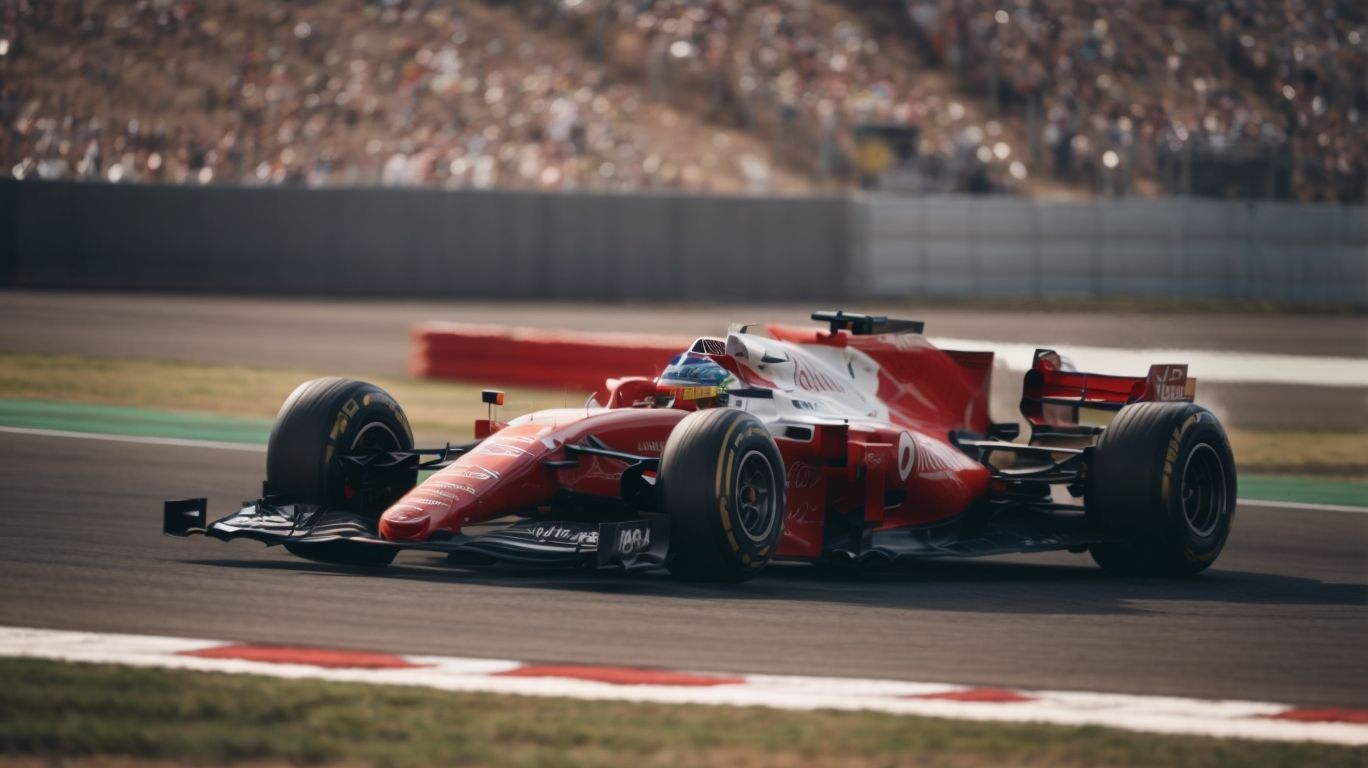
Overtaking in Formula 1 refers to the strategic maneuver where one driver passes another competitor’s car during a race on the designated track.
It is a critical aspect of every Formula 1 race, showcasing the drivers’ skill, timing, and decision-making abilities.
Overtaking requires a delicate balance of speed, precision, and awareness of the surrounding cars. Factors such as aerodynamics, tire condition, and track layout play a significant role in determining the success of an overtake. Drivers often use DRS (Drag Reduction System) zones strategically to gain an advantage and execute an overtake.
The dynamic nature of Formula 1 races keeps fans on the edge of their seats, as each overtaking maneuver can change the course of the race.”
Why is Overtaking Important in F1?
Overtaking plays a crucial role in Formula 1 as it provides drivers with the opportunity to gain positional advantage, showcase their speed, execute strategic moves on corners, and potentially secure a competitive edge over rivals.
How is Overtaking Measured in F1?
Overtaking in Formula 1 is measured through a combination of systems and technologies monitored by the FIA and race directors, including the use of advanced technology such as the overtake button.
DRS (Drag Reduction System)
The Drag Reduction System (DRS) in Formula 1 is a mechanism that offers the trailing car an aerodynamic advantage, allowing it to reduce drag and increase speed, thus facilitating overtaking maneuvers with the approval of the FIA.
This system is strategically deployed during races at certain zones on the track, known as DRS zones, usually on long straights. When a driver is within one second of the car ahead at a specific detection point, they are permitted to open the DRS. By opening the DRS, the rear wing of the car moves to reduce drag, making it easier for the trailing car to close the gap and attempt an overtake.
To maintain fairness and prevent excessive advantage, DRS usage is restricted in some situations. For instance, it cannot be used during the first two laps of a race or immediately after a safety car period. The system has revolutionized overtaking in Formula 1, adding an additional element of strategy for teams and drivers to consider when planning their race tactics.
KERS (Kinetic Energy Recovery System)
The Kinetic Energy Recovery System (KERS) in Formula 1 harnesses energy generated during braking to provide a power boost, enabling drivers to gain speed advantages and potentially facilitate overtaking maneuvers within the regulations set by the FIA.
By utilizing KERS, drivers can strategically deploy this stored energy at key moments during a race to outmaneuver opponents. This additional power injection not only offers a competitive edge but also contributes to the overall excitement of Formula 1 races by creating more dynamic on-track battles.
The implementation of KERS has revolutionized the way teams approach race strategies, with careful consideration given to optimizing its usage for maximum impact on performance. The system’s emphasis on energy efficiency aligns with the sport’s continuous efforts towards sustainability and innovation.
Tyre Strategies
Tyre strategies in Formula 1 play a vital role in determining the optimal times for pit stops, cornering speeds, and leveraging the use of the overtake button to gain advantages on the track, especially during overtaking opportunities.
In terms of pit stops, tire strategies are not just about changing worn-out tires; they are meticulously planned to ensure that the team maximizes the time spent in the pit lane for the greatest competitive edge. The choice of when to pit can make or break a race, with factors like track temperature, tire degradation rate, and the behavior of competitors taken into consideration.
Tire strategies heavily influence a driver’s cornering performance. The type of tire compound chosen for a stint affects how well a car can tackle corners, impacting lap times and overall race pace. Drivers must adapt their driving style to the grip levels provided by their tires, especially as they wear down during a race.
Utilizing the overtake button strategically is another critical aspect of tire strategies. Teams must decide when to activate this boost of power, considering factors like track position, timing of pit stops, and the condition of their tires. Deploying the overtake button at the right moment can be the key to successfully overtaking a competitor, gaining a crucial position on the track, or defending against an attack from behind.
What are the Rules and Regulations for Overtaking in F1?
The rules and regulations governing overtaking in Formula 1 are carefully defined by the FIA and race stewards to ensure fair competition, prioritize safety, and maintain the integrity of overtaking maneuvers during races.
In terms of overtaking in Formula 1, drivers must adhere to a strict set of guidelines.
One crucial aspect of overtaking rules is that a driver attempting to pass another must do so cleanly and without making sudden or dangerous maneuvers. This is to prevent accidents and collisions that could endanger not only the drivers involved but also others on the track.
Safety is paramount in Formula 1 racing, and any violation of overtaking regulations can result in penalties such as time penalties, grid penalties, or even disqualification from the race.
What are the Different Types of Overtaking Maneuvers in F1?
In Formula 1, drivers employ various overtaking maneuvers, including executing passes on the outside or inside of corners, optimizing apex speeds, and strategically positioning their cars to outmaneuver opponents during races.
Slipstreaming
Slipstreaming in Formula 1 involves closely following another car to reduce air resistance, gain a speed advantage, and prepare for an overtaking maneuver during strategic race moments.
By tucking into the slipstream of the car ahead, the trailing driver benefits from reduced drag, allowing them to pick up extra speed without expending as much energy. This tactic requires exceptional precision and timing, as drivers must position themselves strategically to capitalize on the increased pace. As the trailing driver accelerates in the slipstream, they create a pressure differential behind the leading car, which can aid in setting up a successful overtaking opportunity at critical points on the track.
Out-braking
Out-braking is a common overtaking technique in Formula 1 where a driver brakes later than their opponent into a corner, aiming to carry higher speeds through the turn and secure a pass on the track.
This strategic move requires precision, as late braking can make the difference between successfully overtaking or losing position. By optimizing braking points and mastering the art of trail braking, drivers can manipulate their car’s weight transfer to maximize corner speeds, gaining a crucial advantage over competitors. Another key element in executing a successful out-braking maneuver is maintaining control and stability under heavy braking forces, often pushing the limits of tire grip and vehicle dynamics.
Divebombing
Divebombing in Formula 1 refers to a bold overtaking move where a driver aggressively dives down the inside of a corner to surprise their opponent, aiming to secure a pass while risking potential contact.
This daring maneuver requires impeccable timing and precision, as any miscalculation can lead to disastrous outcomes such as collisions or spins. By executing a divebomb, the driver can catch their rival off guard, gaining a positional advantage and potentially forcing them to yield. However, the risks of divebombing are significant, with the close proximity of cars increasing the chances of incidents.
On the flip side, successful divebombs can result in spectacular overtaking moments that showcase a driver’s skill and determination. The strategic use of this maneuver can disrupt an opponent’s rhythm, creating opportunities for position gains and strategic advantages on the track.
Wheel-to-wheel Racing
Wheel-to-wheel racing in Formula 1 involves side-by-side battles between drivers, where they navigate the track at high speeds, strategically positioning their cars to outmaneuver opponents and execute overtaking moves through close, competitive racing.
It is during these exhilarating moments that drivers truly showcase their skill, precision, and nerve as they push their cars to the limit, often mere inches apart from each other. Every move becomes a calculated risk, with split-second decisions determining the outcome of a race. Strategic driving plays a paramount role in these battles, with drivers having to anticipate their rivals’ moves while defending their position.
The thrill of wheel-to-wheel racing lies in the intensity of the competition, as drivers jostle for track position, searching for any possible gap to surge ahead. Spectators are captivated by the spectacle of these fierce duels, where every overtaking maneuver is a testament to the unpredictability and excitement that defines Formula 1 racing.
What are the Challenges of Overtaking in F1?
Overtaking in Formula 1 presents drivers with significant challenges, including aerodynamic limitations, complex track layouts that affect passing opportunities, and strategic considerations related to pit stops that impact race positions.
Aerodynamics
Aerodynamics play a critical role in overtaking challenges in Formula 1, as turbulent airflows, downforce variations, and drag effects can hinder a driver’s ability to follow closely and execute successful passes, especially in high-speed corners.
When a car gets too close to the vehicle in front, it enters the disturbed airflow region, disrupting the aerodynamic balance and reducing the downforce. This sudden loss of downforce compromises grip, making it harder for the pursuing driver to maintain control and execute overtaking maneuvers.
Managing these airflow disruptions and downforce changes effectively is essential for drivers looking to make strategic passes, especially on tracks where aerodynamic efficiency is paramount.
Track Layout
The layout of the track in Formula 1 races significantly affects overtaking opportunities, with factors such as corner configurations, apex angles, and straight sections influencing driver strategies and the execution of overtaking maneuvers.
Formula 1 tracks are meticulously designed to test the skill and agility of drivers, with each corner carefully crafted to challenge their precision and control. Corner variations play a crucial role in creating overtaking opportunities, as drivers must carefully navigate different types of turns to set up successful passes. The positioning of apexes determines the optimal racing line, influencing when and where drivers can make their move. The lengths of straight sections on a track dictate the acceleration zones, where drivers can gain speed to attempt overtakes.”
Pit Stops
Pit stops pose strategic challenges for overtaking in Formula 1, as timing, efficiency, and positioning during stops can significantly impact a driver’s race position, adding complexity to overtaking maneuvers and race strategies.
These strategic pit stops are not just about changing tires and refueling; they require meticulous planning and split-second decision-making. Drivers must calculate the optimal moment to pit, considering factors like tire degradation, track position, and potential traffic upon rejoining the race.
Time management becomes crucial during stops, as any delay can cost valuable seconds and positions. Moreover, tactical positioning in the pit lane can either propel a driver ahead of competitors or leave them vulnerable to being overtaken.
How Can Drivers Improve Their Overtaking Skills?
Formula 1 drivers can enhance their overtaking skills through dedicated practice, experience on the race track, understanding the nuances of their cars, and analyzing data to refine their strategies for effective passing maneuvers.
In terms of practice, repetition is key; the more laps a driver completes, the better they grasp the ideal lines and braking points for overtaking. Track familiarity plays a crucial role in anticipating opportunities to overtake and recognizing challenging sections where patience is essential. Understanding the dynamics of their cars, such as aerodynamic performance, power delivery, and tire management, enables drivers to make calculated overtaking moves.
Analyzing data, including telemetry, video footage, and opponent behaviors, provides insights to fine-tune approach angles, timing, and execution during overtaking attempts. Successful overtaking is a multifaceted skill that requires a blend of experience, technique, and strategic thinking, all honed through dedicated efforts and continuous learning.”
Practice and Experience
Practice and experience are fundamental components for Formula 1 drivers to master overtaking techniques, as repetitive drills, on-track exposures, and race simulations can enhance their confidence, decision-making abilities, and competitive edge during overtaking maneuvers.
Consistent training builds muscle memory that allows drivers to execute overtaking moves instinctively, reacting swiftly to opportunities on the track. The more familiar a driver is with a circuit, the better they can anticipate corners and plan overtakes strategically. Real-world race scenarios provide invaluable practice under pressure, helping drivers refine their overtaking strategies by learning from each encounter. By continuously honing their skills through these varied experiences, drivers can adapt to different situations, outmaneuver opponents, and elevate their performance on the track.
Understanding the Car and Track
A comprehensive understanding of the car’s capabilities, track dynamics, corner intricacies, and strategic planning is essential for Formula 1 drivers looking to optimize their overtaking opportunities and execute successful passes during races.
Knowledge of the car’s aerodynamics, power delivery, and tire management is crucial to assessing when to attack or defend during races. This technical expertise allows drivers to tailor their driving approach based on their car’s strengths and weaknesses, maximizing overtaking chances.
Analyzing each corner’s characteristics is vital. Cornering speeds, entry and exit points, and apex positioning play a significant role in setting up overtaking maneuvers. By studying the track layout and nuances of each turn, drivers can anticipate where to make strategic overtakes.
Analyzing Data and Strategies
Analyzing race data, performance metrics, overtaking strategies, and leveraging advanced technologies can enable Formula 1 drivers to fine-tune their approach, optimize speed advantages, and adapt tactical maneuvers for successful overtaking outcomes.
By looking into race data and driver performance, professionals in the Formula 1 industry can gain valuable insights into individual strengths and weaknesses, enabling targeted improvements. Utilizing cutting-edge technologies, such as predictive modeling and real-time telemetry, enables drivers to make split-second decisions based on precise data feedback.
This data-driven approach allows for continuous speed assessments, helping drivers stay ahead of the competition. Strategic planning based on historical data can uncover patterns and trends that inform smarter overtaking strategies during races.
Frequently Asked Questions
What is Overtake in F1?
Overtake in F1 refers to a situation where a driver successfully passes another driver and gains a higher position in a race.
How is an overtake executed in F1?
In F1, an overtake is usually executed by a driver approaching the car in front at a higher speed, using their car’s aerodynamics and DRS (Drag Reduction System) to reduce drag and gain an advantage.
What is DRS in F1?
DRS stands for Drag Reduction System and it is a feature in F1 cars that can be activated by the driver to reduce drag on the car, allowing for higher speeds and easier overtaking.
When can drivers use DRS in F1?
In F1, drivers can only activate DRS during designated DRS zones on the track, which are determined by the race officials and usually located on long straights where overtaking is possible.
Does every F1 race allow for overtaking?
No, not every F1 race allows for overtaking. Some circuits are designed in a way that makes overtaking difficult, while others have designated DRS zones to encourage overtaking.
What are some key strategies for overtaking in F1?
Some key strategies for overtaking in F1 include taking advantage of DRS zones, timing the overtaking move correctly, and using the slipstream of the car in front to gain a speed advantage.