
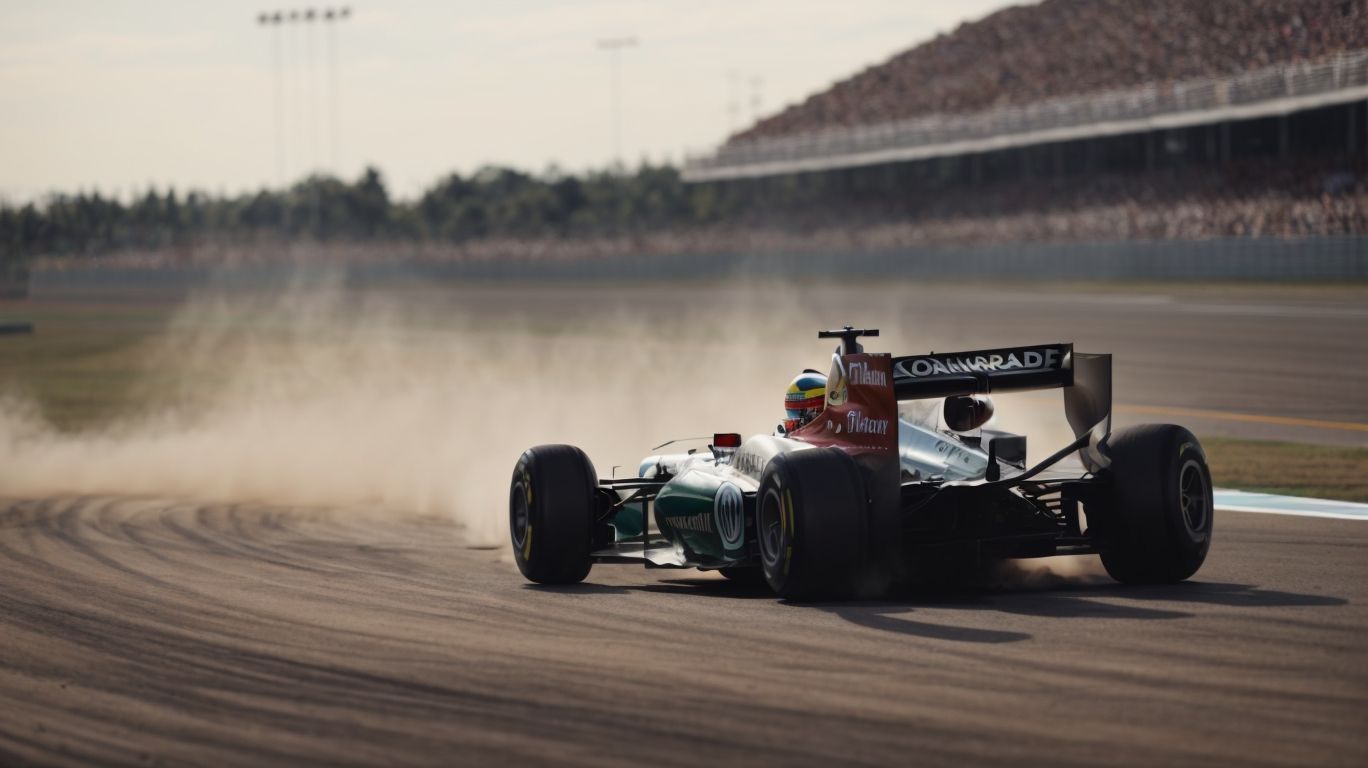
What is Dirty Air in F1?
Dirty air in F1 refers to the turbulent air that is left behind a car as it moves around the track. This air is filled with aerodynamic disturbances that can significantly impact the performance of other cars following closely behind.
In this article, we will explore how dirty air affects F1 racing, the strategies teams use to deal with it, the safety concerns it raises, and the innovative solutions being developed to combat this challenge in the future.
Key Takeaways:
What is Dirty Air in F1?
Dirty air in F1 refers to the turbulent wake of airflow behind a Formula 1 car that disrupts the aerodynamic performance of following cars on the track.
This phenomenon significantly impacts the ability of trailing cars to cleanly navigate corners and maintain close proximity to the car in front. The disturbed air reduces the downforce and grip available to the following driver, leading to increased understeer and decreased overall performance. When a car enters this dirty air zone, it experiences a loss of front-end grip, making it challenging for the driver to brake late or carry speed through corners.
How Does Dirty Air Affect F1 Racing?
Dirty air significantly affects F1 racing by reducing the downforce levels of cars following another car, making it harder for drivers to maintain control and overtake due to the loss of aerodynamic performance.
The phenomenon of dirty air in Formula 1 can lead to various challenges for drivers attempting to pass their rivals on the track. When a car is in the wake of another, it experiences disrupted airflow, resulting in a reduction of downforce, which is crucial for maintaining grip and stability. This downforce reduction can compromise the car’s cornering ability and overall performance, forcing drivers to adapt quickly to handle the decreased control.
The concept of slipstreaming becomes intricate in such conditions. As a driver tries to close the gap to the car in front, they enter turbulent air known as the ‘dirty air,’ which disturbs the dynamics of their own car, making it unpredictable and less responsive to steering inputs. The need to strategically time overtaking maneuvers becomes paramount, as drivers must compensate for the aerodynamic challenges posed by the disrupted airflow.
What is the Aerodynamics of F1 Cars?
The aerodynamics of Formula 1 cars play a crucial role in optimizing the airflow around and through the vehicle to enhance performance, stability, and cornering capabilities.
One of the key aspects of F1 aerodynamics is the concept of downforce, which refers to the force that pushes the car down onto the track, increasing grip and stability at high speeds. Achieving the right balance of downforce is essential for maintaining control and maneuverability through corners.
Wind tunnels are commonly used by F1 teams to test and refine aerodynamic designs, allowing aerodynamicists to analyze the flow of air over the car’s surfaces. These tests help in optimizing the car’s aerodynamic efficiency within the strict regulations set by the FIA.
How Does Dirty Air Affect the Aerodynamics of F1 Cars?
The presence of dirty air in F1 racing disrupts the aerodynamic performance of cars, affecting crucial elements such as cooling systems, engine efficiency, brake duct functionality, and overall aero balance.
Dirty air can have a significant impact on the cooling systems of Formula 1 cars, as it disrupts the airflow required to keep the engine and other components at optimal temperatures. This disruption can lead to overheating issues, affecting the overall performance of the vehicle. In terms of engine efficiency, the presence of dirty air can reduce the intake of clean, oxygen-rich air, negatively impacting combustion and power output. Engine mapping may need adjustments to compensate for these effects.
The functioning of brake ducts can be compromised by dirty air, affecting their ability to cool the brakes efficiently. This can result in brake fade and reduced braking performance during races. Engineers often need to fine-tune the aero balance of the car to counteract the disturbances caused by dirty air, ensuring stability and optimal handling through corners.
What Are the Strategies to Deal with Dirty Air in F1?
To counter the challenges posed by dirty air in F1, drivers and teams employ various strategic approaches such as maximizing overtaking opportunities, strategic pit stops, and effective tire management.
One key strategy often seen in Formula 1 races is the use of aerodynamic slipstreams to reduce the impact of dirty air when trailing a competitor closely. By staying in the slipstream, a driver can benefit from reduced drag and increased straight-line speed, aiding in overtaking maneuvers.
In addition, teams carefully plan their pit stops to strategically utilize clean air when fitting fresh tires or making adjustments to the car. These pit stop decisions can make a significant difference in a race’s outcome, especially in balancing track position with tire degradation.
Moreover, strategic tire conservation plays a crucial role in managing the effects of dirty air. Drivers must find the right balance between pushing hard for performance while also preserving tire life to maintain competitive pace throughout the race.
Overtaking
Overtaking in F1 requires skillful maneuvering, strategic use of slipstream for a speed advantage, and precise positioning to outmaneuver the rival car in turbulent airflow conditions.
Drivers in Formula 1 must possess a deep understanding of the aerodynamic forces at play during overtaking maneuvers. Utilizing the slipstream effectively not only provides a speed boost but also disrupts the airflow for the trailing car, making it harder for them to defend their position. The challenge lies in finding the right moment to execute the overtake without falling into the trap of dirty air, which can compromise aerodynamic grip and stability.
Pit Stops
Pit stops serve as strategic intervals during F1 races to address tire wear, optimize performance, and comply with race regulations, offering teams a critical opportunity to manage the impact of dirty air on their car’s performance.
When a driver enters the pits, the team swiftly changes the worn-out tires, ensuring that the car maintains optimal grip and speed on the track. These lightning-fast tire changes are a result of meticulous planning, coordination, and specialized equipment used by the pit crew.
Pit stops allow teams to refuel the car, make necessary mechanical adjustments, and collect vital race data to fine-tune their strategies. Adhering to strict regulatory guidelines while executing these rapid pit stops is crucial to avoid penalties and maintain a competitive edge over rivals.
Tire Management
Effective tire management in F1 involves balancing aerodynamic optimization with track conditions to ensure consistent performance and grip levels despite the disruptive effects of dirty air.
Managing tires in Formula 1 is crucial as they are the only point of contact between the car and the track, ultimately impacting the overall performance. Aerodynamic optimization plays a significant role in this process, as it affects how the tires interact with the air flow around the car, influencing their temperature and wear rate.
- Track-specific adjustments further enhance tire performance by adapting to the unique characteristics of each circuit. Elements such as cornering speeds, elevation changes, and surface roughness must be considered to optimize tire usage.
- Constant monitoring of tire wear and degradation is necessary to make informed pit stop decisions and adjust the car’s setup accordingly. The high-speed nature of F1 racing demands precision in managing tire wear throughout the race.
- Understanding the aerodynamic challenges posed by following another car closely, known as dirty air, is essential for maintaining tire performance. Strategies like creating setups that minimize the impact of turbulent air on the tires are key to overcoming this challenge.
What Are the Safety Concerns of Dirty Air in F1?
The presence of significant dirty air in F1 raises safety concerns related to reduced visibility, increased risk of accidents due to impaired aerodynamic performance, and adverse effects on driver performance and decision-making.
In Formula 1, when a car follows closely behind another, it enters into the ‘dirty air,’ which is turbulent air disturbed by the leading car. This disrupts the airflow over the following car’s aerodynamics, reducing its grip and stability. As a consequence, the trailing driver faces challenges in maintaining control, especially in high-speed corners where aerodynamic efficiency is crucial for maintaining downforce.
Reduced Visibility
Reduced visibility caused by dirty air in F1 can create hazardous racing atmosphere conditions where drivers may struggle to anticipate track obstacles and make split-second decisions under compromised visual clarity.
When a driver follows another closely on the track, the turbulent air from the leading car can drastically reduce the downforce and disturb the airflow over the following car, leading to a loss of grip and aerodynamic efficiency. This phenomenon, known as dirty air, not only affects a driver’s ability to see clearly but also impacts the handling and performance of the car. As a result, drivers find themselves in a challenging position, having to adapt their driving style to cope with sudden changes in grip levels and reduced control over their vehicles.
Increased Risk of Accidents
Dirty air elevates the risk of accidents in F1 races, akin to the challenges faced in NASCAR racing, where aerodynamic disturbances can lead to unexpected spins, collisions, and challenges in maintaining control through corners.
These aerodynamic disruptions not only affect the driver’s handling of the car but also pose a significant threat to safety on the track. In Formula 1, the intricate design of the cars can make them susceptible to turbulent air from competitors, resulting in reduced downforce and stability.
Aerodynamic stability is crucial for drivers as it impacts their ability to brake effectively, navigate tight corners, and maintain high speeds without risking accidents. Safety measures, such as mandatory use of the HANS device and implementation of virtual safety cars, play a vital role in minimizing the consequences of aerodynamic instability and reducing collision risks.
Impact on Driver Performance
Dirty air negatively impacts driver performance in F1, as showcased by challenges faced by teams like Williams F1 Racing, where aerodynamic inefficiencies hinder lap times, cornering speeds, and overall race competitiveness.
When drivers encounter turbulent air flowing off competing cars, it disrupts the smooth flow of air over their own car, affecting downforce levels crucial for high-speed cornering and braking stability. In the case of Williams F1 Racing, these aerodynamic issues put strain on drivers, reducing their confidence in pushing the limits of their vehicles. As a consequence, lap times suffer, compromising the team’s ability to compete at the front of the grid and secure valuable championship points.
How Do F1 Teams Work to Reduce Dirty Air?
F1 teams employ various strategies to minimize the effects of dirty air, including meticulous car design adjustments, track-specific optimization, and compliance with aerodynamic regulations to enhance racing performance.
One of the key aspects that teams focus on is the modification of the car’s aerodynamics to reduce the impact of turbulent air from cars in front. By tweaking the front and rear wing angles, teams aim to create clean airflow over and around the car, improving handling and reducing drag.
Teams analyze each race track’s layout to tailor their setups accordingly. Factors such as cornering speeds, straights, and altitude play a vital role in determining the optimal aerodynamic setup for maximum performance.
Strict adherence to the aerodynamic regulations set by the governing body ensures fair competition among teams while encouraging innovative solutions to overcome aerodynamic challenges.
Car Design
Car design optimizations in F1 involve collaboration with aerodynamicists to implement innovations like double diffusers, streamline engine airflow, and adjust aerodynamic balance to counter the effects of dirty air and enhance overall racing performance.
These collaborations are essential in harnessing the expertise of aerodynamic specialists to fine-tune the vehicle’s design for optimal performance on the race track. The integration of double diffusers has been a game-changer, enhancing downforce and improving airflow management, allowing for better grip and stability in high-speed corners. Advancements in engine airflow enhancements have significantly boosted power output, giving drivers a competitive edge when accelerating out of turns and down the straights.
Track Design
Track design considerations in F1, exemplified by circuits like Monza and Spa, play a pivotal role in aerodynamic optimization and mitigating dirty air effects by incorporating features that promote overtaking opportunities and reduce aerodynamic disturbances.
Monza, famous for its high-speed straights and historic significance, challenges teams to find a balance between top speed and cornering grip, emphasizing the importance of aerodynamic efficiency.
On the other hand, Spa Francorchamps’s undulating terrain and varied corners demand a versatile setup that can handle both fast sweeps and tight chicanes, showcasing the adaptability of modern F1 cars.
Regulations
F1 regulations, including the significant 2009 change in regulations, guide teams in optimizing aerodynamics to reduce dirty air impacts, ensuring fair competition and encouraging innovation within specified aerodynamic parameters.
These regulations set the framework for how teams design their cars, driving advancements in aerodynamic performance while adhering to strict guidelines. The 2009 update, in particular, aimed to enhance overtaking opportunities by reducing the turbulent wake created by cars, commonly known as ‘dirty air.’
By carefully balancing performance and safety, regulations challenge engineers to find creative solutions that comply with the mandated parameters, fostering a culture of constant improvement and efficiency in the pursuit of victory.
What Are the Future Innovations to Combat Dirty Air in F1?
Future innovations in Formula 1 aim to revolutionize dirty air management through pioneering technologies such as active aerodynamics, Drag Reduction Systems (DRS), and the adoption of alternative fuels to enhance racing sustainability and performance.
Active aerodynamics stands out as a game-changer in the pursuit to minimize turbulence and optimize airflow around the cars during races. By dynamically adjusting elements like wings and diffusers, these systems can adapt to the track conditions and enhance vehicle stability, leading to smoother airflow and reduced drag.
The integration of DRS technology allows drivers to adjust the rear wing’s angle on straights to reduce drag and increase speed, fostering more overtaking opportunities. These advancements pave the way for not just faster cars, but a more competitive and engaging racing experience on the circuit.
Formula 1’s transition towards sustainable fuels marks a significant step towards achieving environmental goals without compromising performance. The utilization of biofuels and synthetic fuels not only reduces emissions but also ensures greater fuel efficiency, pushing the boundaries of eco-friendly racing further. Embracing these cutting-edge solutions not only shapes the future of motorsports but also sets a powerful example for sustainable innovation across the automotive industry.
Active Aerodynamics
Active aerodynamics in F1, utilizing advanced tools like SimScale, enable real-time adjustments to car components for optimal aerodynamic performance, mitigating the effects of dirty air and enhancing overall race competitiveness.
These active aerodynamic systems in Formula 1 have revolutionized the way teams approach optimizing the car’s performance. By leveraging tools such as SimScale for simulation-driven optimizations, teams can fine-tune the aerodynamics of their cars with precision and speed, giving them a competitive edge on the track.
The ability to make real-time adjustments to crucial components based on data analysis during races has significantly improved the car’s responsiveness to changing conditions and challenges posed by the turbulent wake from other cars. This innovation not only enhances performance but also ensures that teams stay competitive even in the most demanding races.
Drag Reduction Systems
Drag Reduction Systems (DRS) in F1 provide drivers with enhanced slipstream opportunities and adjustable brake ducts to minimize drag, enabling strategic overtaking maneuvers and aerodynamic balance adjustments amidst dirty air conditions.
One of the core functions of a Drag Reduction System is to allow drivers to open a flap on the rear wing, reducing aerodynamic drag and thus increasing straight-line speed when within one second of the car in front.
This strategic advantage aids in creating the necessary slipstream effect, allowing the trailing car to travel faster and potentially make a successful overtaking move.
The adjustable nature of DRS not only impacts speed but also assists in managing brake temperatures through modified ducts, maintaining performance while preserving tire life during intense racing battles.
Alternative Fuels
The adoption of alternative fuels in F1 not only promotes eco-friendly racing practices but also influences engine performance, aero balance adjustments, and minimizes tyre wakes to reduce the environmental impact of dirty air on racing dynamics.
Alternative fuels are gradually becoming a focal point in the pursuit of sustainable racing technologies within the Formula 1 landscape. One of the significant implications is their role in enhancing engine capabilities by offering cleaner combustion processes that can improve both power output and fuel efficiency. These fuels contribute to the aerodynamic balance of the cars, aiding in the management of airflow around the vehicle and supporting stable handling at high speeds. The utilization of alternative fuels helps in mitigating the adverse effects of tyre wakes, which are prominent in the wake of the car’s motion under racing conditions.
Frequently Asked Questions
What is Dirty Air in F1?
Dirty Air in F1 refers to the turbulent and disrupted airflow caused by a leading car on the track. This can negatively affect the performance and handling of the cars following closely behind.
Why is Dirty Air a problem in F1?
In F1, aerodynamics plays a crucial role in the performance of the cars. When a car is following closely behind another, the dirty air from the leading car disrupts the airflow and reduces the downforce, making it difficult for the following car to maintain its speed and handling.
How does Dirty Air affect the handling of an F1 car?
Dirty Air creates an unsteady and unpredictable flow of air, making it difficult for the car to maintain its grip and cornering capabilities. This can result in a loss of downforce, reduced speed, and an increased risk of accidents.
Can Dirty Air affect the race strategy in F1?
Yes, Dirty Air can affect the race strategy in F1. If a car is unable to follow closely behind and overtake another car due to the disrupted airflow, it may have to rely on different pit stop strategies or wait for an opportunity to pass on a straighter section of the track.
How do F1 teams try to minimize the effects of Dirty Air?
F1 teams use various techniques to minimize the effects of Dirty Air, such as adjusting the car’s aerodynamics, using DRS (Drag Reduction System) to reduce drag, and changing the race strategy to avoid following closely behind another car for an extended period.
Is there any rule in F1 to prevent Dirty Air from affecting races?
Currently, there are no specific rules in F1 to prevent Dirty Air from affecting races. However, the FIA (Fédération Internationale de l’Automobile) continuously works with teams to find solutions that can improve the aerodynamics and reduce the impact of Dirty Air on races.


