
How Much Do F1 Mechanics Earn?
Have you ever wondered how much Formula One (F1) mechanics earn?
We will explore the salary range for F1 mechanics and the factors that can affect their earnings.
From the average salary for F1 mechanics to the comparison with other motorsport mechanics, we will delve into the world of F1 mechanics’ compensation.
We will discuss the benefits, perks, career advancement opportunities, and the education and training requirements for those aspiring to become F1 mechanics.
Let’s uncover the exciting world of F1 mechanics!
Key Takeaways:
What is Formula One (F1)?
Formula One (F1) is the highest class of international auto racing for single-seater Formula racing cars, sanctioned by the Fédération Internationale de l’Automobile (FIA).
The history of Formula One traces back to the inaugural season in 1950, making it one of the oldest racing championships globally. Since its inception, F1 has evolved into a premier global sporting event, captivating millions of fans worldwide with its high-speed races and cutting-edge technology. The sport’s popularity has soared, attracting top-notch drivers and iconic race cars from renowned manufacturers.
What Does a F1 Mechanic Do?
A F1 mechanic plays a critical role in ensuring the performance and reliability of Formula 1 cars during races and testing.
These highly skilled professionals are responsible for meticulously maintaining various components of the car, such as the engine, suspension, and aerodynamics, to maximize performance on the track. They are adept at making precise setup adjustments based on data analysis and driver feedback to optimize the car’s handling and speed.
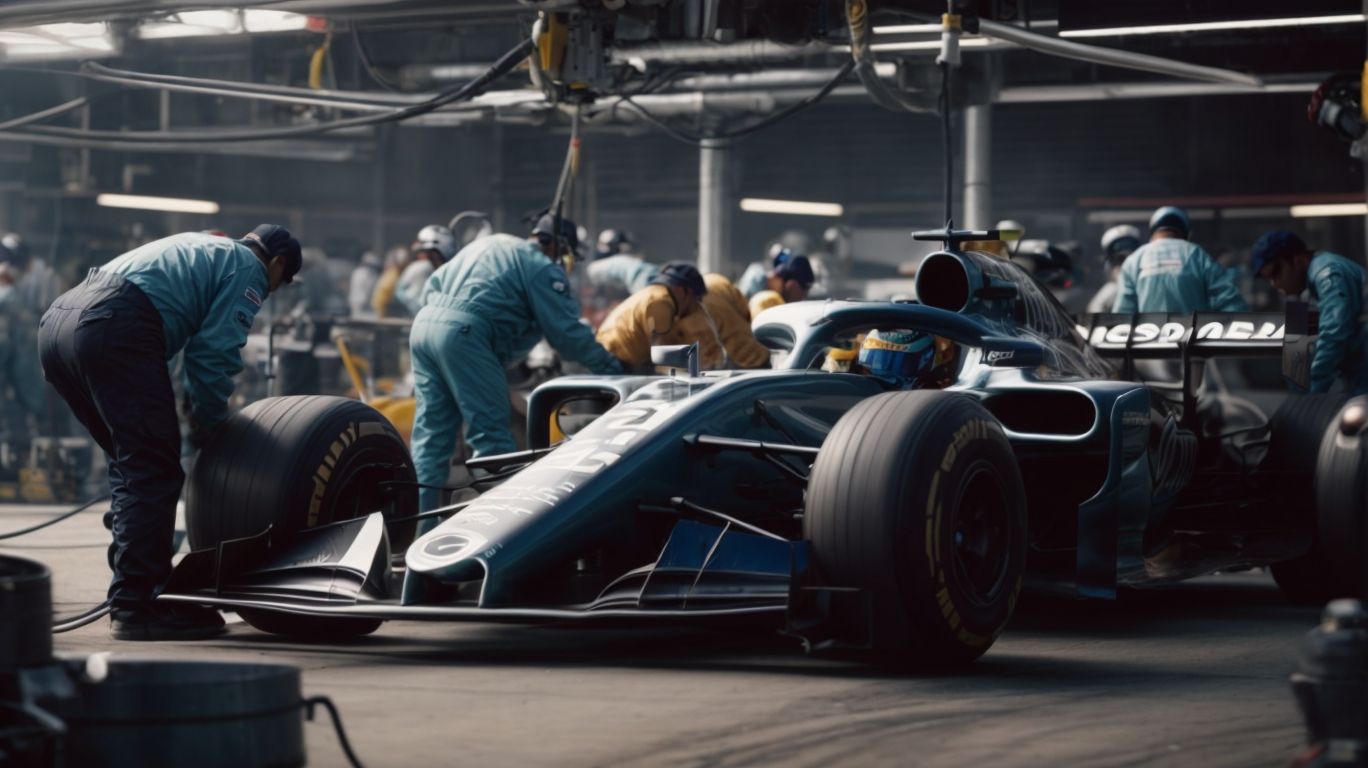
During pit stops, F1 mechanics execute lightning-fast tire changes, wing adjustments, and fuel refills with precision and speed, shaving valuable seconds off the team’s overall race time. Teamwork is crucial in the high-pressure environment of Formula 1 races, with mechanics working seamlessly with engineers, strategists, and other crew members to ensure a synchronized and efficient operation.
How Much Do F1 Mechanics Earn?
F1 mechanics have the potential to earn competitive salaries based on their experience, performance, and the specific F1 team they work for.
Team success is a crucial factor in determining the earning potential of F1 mechanics. The performance of the team directly impacts the financial resources available for salaries and bonuses. Additionally, individual skills play a significant role in how much a mechanic can earn. Highly skilled mechanics with expertise in areas like aerodynamics or engine mechanics are often in high demand and can command higher salaries.
The demand for experienced F1 mechanics is also influenced by the broader industry trends. Mechanics willing to travel extensively and work long hours during the race season are often rewarded with higher pay to compensate for their dedication and the challenging nature of the job.
What Factors Affect F1 Mechanics’ Salaries?
Several factors impact F1 mechanics’ salaries, including their level of experience, the team’s performance, and the overall financial stability of the Formula 1 industry.
Another significant factor affecting F1 mechanics’ earnings is the presence of performance bonuses. Depending on the team’s performance in races, mechanics who contribute to successful outcomes may receive additional monetary rewards.
Job roles within the team hierarchy play a crucial role in determining salaries. A Chief Mechanic, for instance, typically earns more due to their higher level of responsibility and expertise in managing the technical aspects of the car.
Lucrative sponsorship deals and partnerships that teams secure can indirectly impact mechanics’ earnings. Successful deals can translate into increased revenue for the team, potentially leading to better pay for all team members.
How Does Experience Affect F1 Mechanics’ Salaries?
Experience is a key determinant of F1 mechanics’ salaries, with seasoned professionals earning higher pay due to their expertise, problem-solving abilities, and track record of success.
Seasoned F1 mechanics who have spent years honing their craft are often rewarded with more substantial pay packages, reflective of their value to the team. Longevity with an F1 team not only demonstrates loyalty but also signifies a deep understanding of the intricacies of the high-pressure racing environment. The ability to troubleshoot swiftly during pit stops and deliver impeccable performance under intense stress further cements their importance.
Those mechanics who have specialized in areas such as aerodynamics, engine tuning, or suspension systems command a premium in the industry. Their technical prowess is invaluable in gaining crucial milliseconds on the track, ultimately translating into race wins for the team.
What is the Average Salary for F1 Mechanics?
The average salary for F1 mechanics varies depending on factors such as job role, team budget, and individual performance, with estimates ranging from entry-level wages to substantial remuneration for senior positions.
Junior mechanics typically start with a salary at the lower end of the spectrum, often around $40,000 to $60,000 per year, coupled with responsibilities such as basic maintenance tasks and support roles within the F1 crew.
On the other hand, senior mechanics who have garnered significant experience and skills can command salaries in the range of $80,000 to $120,000 annually, handling complex repairs, strategic decision-making, and overseeing junior team members.
Specialized positions within an F1 team, like the chief mechanic or engine specialist, may see salaries exceeding $150,000 per year due to their critical roles in the team’s success.
How Do F1 Mechanics Compare to Other Motorsport Mechanics?
F1 mechanics stand out among other motorsport mechanics due to the demanding nature of Formula 1 racing, the intricate construction of F1 cars, and the high-pressure environment of Grand Prix events.
Their roles in the pit lane involve lightning-fast precision in executing crucial repairs, adjustments, and maintenance on the vehicles, often under immense time constraints.
Formula 1 mechanics must possess an unparalleled level of technical expertise to understand and fine-tune the highly complex aerodynamics, engine systems, and suspension setups of these cutting-edge racing machines.
Their ability to work efficiently and accurately contributes significantly to the success of the entire racing team, making them vital cogs in the wheel of Formula 1 competition.
What is the Salary Range for Other Motorsport Mechanics?
The salary range for motorsport mechanics outside of Formula 1 varies depending on the racing series, team budgets, and competitive levels, with technicians in lower-tier competitions typically earning less than their counterparts in high-profile events.
While technicians in Formula E or World Endurance Championship might enjoy more stable incomes due to their teams’ relatively larger budgets and sponsorships, those working in smaller regional racing circuits like dirt track or autocross often face greater financial uncertainties.
Construction skills are highly valued across all motorsport disciplines, as mechanics often need to fabricate or modify parts to suit the specific requirements of their vehicles, further influencing their earning potential.
What are the Differences in Job Responsibilities between F1 and Other Motorsport Mechanics?
The job responsibilities of F1 mechanics differ from those in other motorsport categories, showcasing a higher level of technical complexity, performance demands, and strategic agility inherent to Formula 1 racing.
While technicians in alternative racing circuits primarily focus on maintenance and repairs, F1 mechanics play a multi-faceted role that encompasses intricate vehicle set-ups, real-time adjustments during races, and rapid problem-solving under immense pressure.
The specialized skills required in Formula 1 demand a deep understanding of the intricate engineering involved, as well as the ability to collaborate seamlessly with crew members, drivers, and engineers to optimize team performance and achieve success on the track.
What Are the Benefits and Perks of Being an F1 Mechanic?
Being an F1 mechanic comes with a plethora of benefits and perks, including opportunities for global travel, exposure to cutting-edge technology, and the satisfaction of contributing to a team’s success on the race track.
As an integral part of an F1 team, you will have the chance to work closely with top engineers and drivers, gaining invaluable experience and insight into the intricate world of Formula 1 racing. This hands-on exposure can significantly boost your skills and open doors to various career progression paths within the motorsport industry. The collaborative nature of the job also provides incredible networking opportunities, allowing you to forge connections with key players in the F1 world, further enhancing your professional development.
What Are the Career Advancement Opportunities for F1 Mechanics?
F1 mechanics have diverse career advancement pathways, including roles as Chief Mechanics, technical directors, and team managers, offering opportunities for professional growth, increased responsibilities, and higher pay grades.
As F1 mechanics progress in their careers, they often transition from hands-on mechanical roles to more strategic leadership positions. Chief Mechanics oversee the entire technical operation, ensuring optimal performance of the car on race days. Technical directors manage the design and development of vehicles, constantly striving for innovation and efficiency in the ever-evolving world of motorsport. Team managers coordinate various aspects of a racing team, from logistics to operations, balancing budget constraints with performance objectives to achieve success on the track.
What Are the Education and Training Requirements for F1 Mechanics?
Becoming an F1 mechanic typically requires a blend of formal education in automotive engineering, hands-on technical training, and practical experience in motorsport environments to excel in the competitive world of Formula 1 racing.
To succeed in this high-pressure and dynamic field, aspiring F1 mechanics often start by pursuing a relevant degree in mechanical engineering or automotive technology to gain a strong foundation in theoretical concepts. Gaining hands-on experience through internships or work placements with racing teams can provide valuable insights into the intricate performance and construction aspects of Formula 1 cars.
Acquiring specialized certifications related to motorsport engineering or high-performance vehicle maintenance can enhance credibility and open doors to exciting career opportunities within the industry. Apprenticeships with established F1 teams offer a chance to hone practical skills under the mentorship of seasoned professionals, allowing individuals to develop their expertise in areas such as aerodynamics, vehicle dynamics, and data analysis.
What Types of Certifications are Required for F1 Mechanics?
F1 mechanics often need certifications in automotive engineering, race car technology, and safety standards to ensure compliance with FIA regulations and maintain the high performance and safety standards expected in Formula 1.
These certification programs play a crucial role in equipping mechanics with the necessary skills and knowledge to handle the intricate machinery and high-speed vehicles that define the world of Formula 1. By obtaining certifications in these specific areas, mechanics demonstrate their competence in areas such as engine diagnostics, aerodynamics, and material science, which are essential for optimizing the performance of race cars.
Certifications also underscore the importance of following stringent safety protocols designed to protect both the drivers and the entire racing team. This emphasis on safety is paramount in Formula 1, where the slightest technical oversight can have serious consequences on the track.
What are the Top Schools for Motorsport Engineering and Technology?
Several renowned educational institutions offer specialized programs in motorsport engineering and technology, providing students with the knowledge, skills, and practical experience required to pursue careers as F1 mechanics and industry professionals.
These institutions, such as the renowned universities known for their strong motorsport engineering curriculum, have established esteemed collaborations with top racing teams and constructors. Their programs often focus on cutting-edge technologies, aerodynamics, vehicle dynamics, and materials science, preparing students for the challenges of the rapidly evolving motorsport industry.
Through industry partnerships, students get hands-on experience and internships with leading teams in various racing series. Many graduates from these institutions have gone on to secure positions in Formula 1 teams, contributing to race wins and advancements in vehicle construction and design.
How Can Someone Become a F1 Mechanic?
To become an F1 mechanic, individuals need to pursue educational qualifications in automotive engineering, gain hands-on experience in motorsport environments, and showcase technical proficiency and teamwork skills to secure opportunities within Formula 1 teams.
After obtaining relevant academic credentials, aspiring F1 mechanics should focus on networking within the industry. Attending motorsport events, such as the Grand Prix, can provide valuable exposure and connections. Establishing relationships with seasoned professionals and current F1 crew mechanics can open doors to potential opportunities.
Practical training is essential in honing the skills needed to excel in the competitive world of Formula 1. Collaborating with experienced mechanics and technicians, participating in specialized workshops, and working on race cars directly contribute to developing expertise in handling the high-performance vehicles of F1 teams.
Frequently Asked Questions
How much do F1 mechanics earn?
F1 mechanics can earn anywhere from $50,000 to $200,000 per year, depending on their experience, skill level, and the team they work for.
Do F1 mechanics receive bonuses or incentives?
Yes, some F1 mechanics may receive bonuses or incentives based on their team’s performance, as well as individual achievements or contributions.
Is there a significant difference in salary between mechanics on different F1 teams?
Yes, there can be a significant difference in salary between mechanics on different F1 teams, as top-performing teams often have higher budgets and can offer higher salaries.
How do F1 mechanic salaries compare to other motorsport industries?
F1 mechanics tend to earn higher salaries compared to mechanics in other motorsport industries due to the high level of skill and expertise required for this elite racing category.
Are there opportunities for F1 mechanics to increase their earnings?
Yes, there are opportunities for F1 mechanics to increase their earnings by advancing to higher positions within the team or moving to a higher-performing team.
Do F1 mechanics receive any additional benefits or perks?
F1 mechanics may receive additional benefits or perks such as travel allowances, health insurance, and access to exclusive events and experiences within the F1 industry.


