
What Makes F1 So Special?
Have you ever wondered how Formula 1, the pinnacle of motorsport, came to be? From its humble beginnings to the high-stakes competition we see today, the history of Formula 1 is filled with key moments that have shaped the sport.
What makes Formula 1 so special? From the speed and technology to the international appeal and glamour, there are many factors that set Formula 1 apart.
Join us as we explore the history, teams, drivers, and future of this iconic sport.
Key Takeaways:
History of Formula 1
The storied history of Formula 1 dates back to the early 20th century, marked by remarkable innovations and legendary rivalries that have shaped the sport into what it is today.
How Did Formula 1 Begin?
The inception of Formula 1 can be traced back to the emergence of organized racing events that brought together skilled drivers and innovative teams in a quest for speed and supremacy.
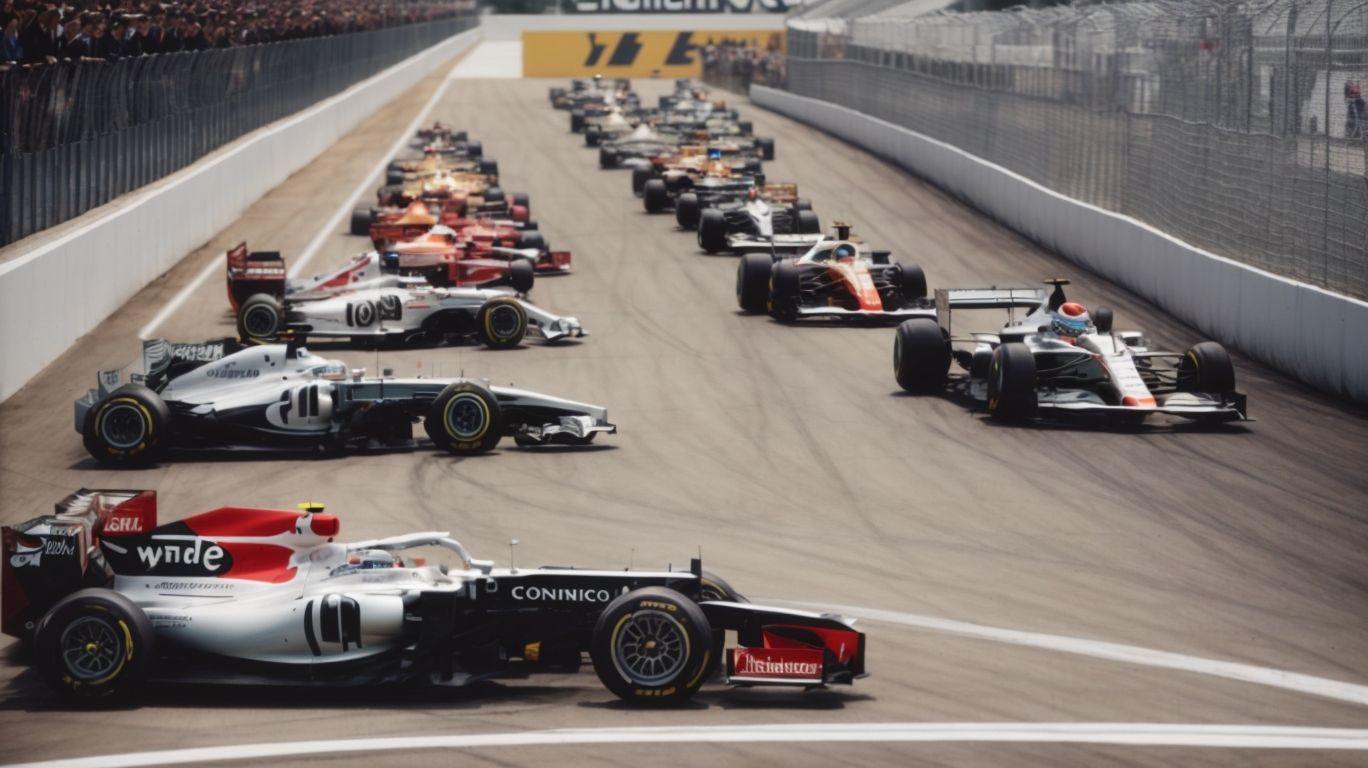
These early races, often held on makeshift tracks or public roads, showcased the adrenaline-fueled battles between daredevil drivers pushing the limits of their machines. The evolution of Formula 1 from these early days saw the development of iconic circuits like Monza, Silverstone, and Monaco, adding a touch of glamour and danger to the sport.
The competitive spirit among drivers and teams grew stronger with each passing year, giving rise to fierce rivalries that captivated audiences worldwide. Names like Senna, Prost, Schumacher, and Hamilton became synonymous with excellence and determination in the high-octane world of Formula 1.
What Are the Key Moments in the History of Formula 1?
Throughout its rich history, Formula 1 has witnessed pivotal moments that have defined its evolution as a premier motorsport Championship, captivating global audiences with thrilling races and historic achievements.
One of the most groundbreaking milestones in Formula 1’s history was the introduction of turbocharged engines in the late 1970s, revolutionizing the sport’s technical landscape and boosting speeds to unprecedented levels. Technological advancements like active suspension systems in the 1990s further showcased the relentless pursuit of innovation that characterizes F1.
Iconic rivalries, such as the legendary battles between Ayrton Senna and Alain Prost, not only captivated fans but also elevated the sport’s drama and intensity to new heights. These fierce competitor duels continue to be celebrated as cornerstones of F1 lore.
What Makes Formula 1 So Special?
Formula 1 stands out as a global phenomenon that stirs intense emotions and fuels the passion of millions of fans worldwide, transcending borders and cultures with its unique blend of speed, precision, and raw excitement.
Speed and Technology
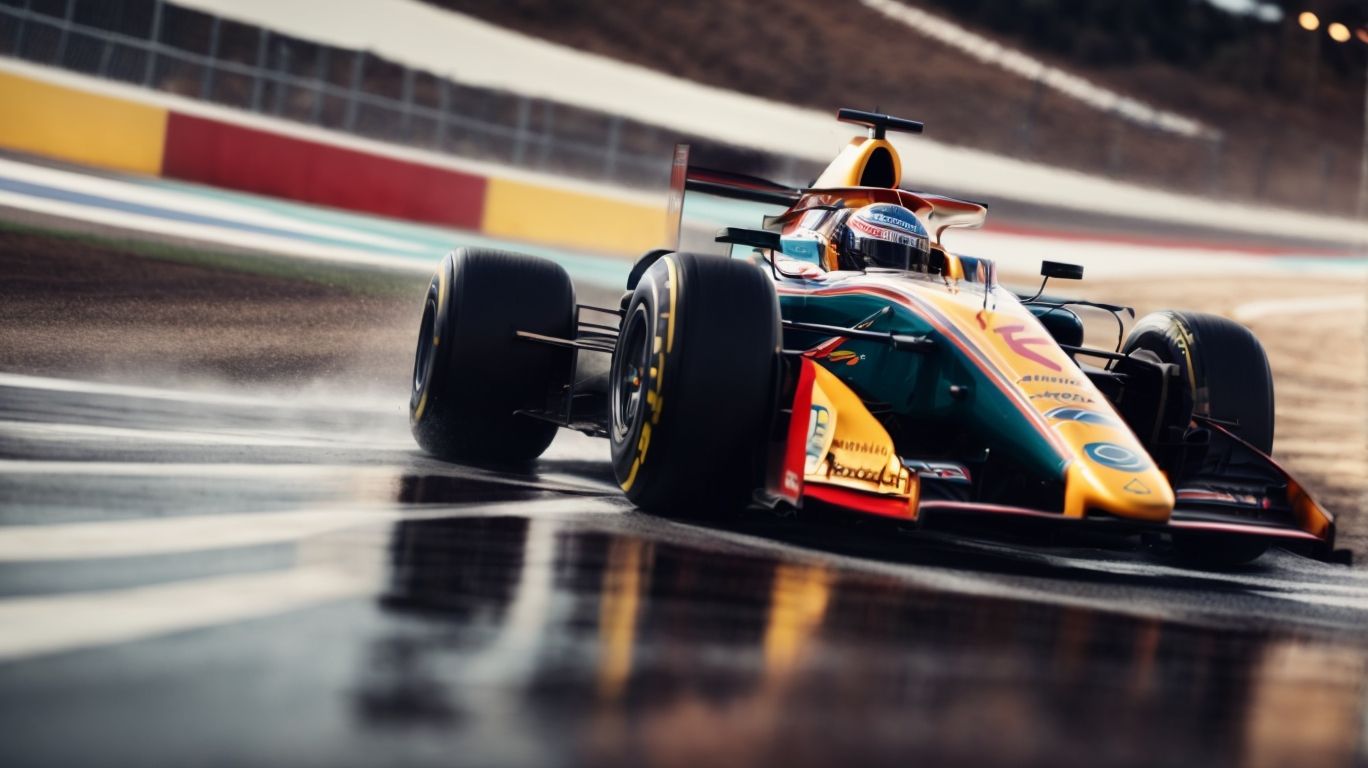
Formula 1 is synonymous with blistering speed and cutting-edge technology, where engineers push the boundaries of innovation to create the fastest racing cars on the planet.
The role of engineers in Formula 1 is paramount, as they constantly strive to enhance performance through cutting-edge advancements. From aerodynamics to power units, every aspect of F1 cars undergoes meticulous design and testing to ensure maximum speed and efficiency. The evolution of speed in Formula 1 has been a testament to human ingenuity and technological progress, with cars reaching mind-boggling velocities thanks to constant innovations. Technological breakthroughs such as hybrid power units and advanced materials have revolutionized the sport, showcasing the relentless pursuit of speed and performance in the world of Formula 1.
International Appeal
Formula 1’s international appeal transcends boundaries, captivating viewers and fans from diverse corners of the globe who are united by their love for the adrenaline-fueled spectacle of racing.
With its extensive coverage and live broadcasts in over 180 countries, Formula 1 has become a unifying force, bringing together people from all walks of life to share in the thrill of speed, cutting-edge technology, and daring maneuvers on the track.
From the bustling streets of Monaco to the scenic landscapes of Silverstone, the Formula 1 calendar crisscrosses the world, offering a unique blend of culture and competition that resonates with fans globally.
Glamour and Prestige
Formula 1 exudes glamour and prestige, with its high-profile events, star-studded audiences, and luxurious settings adding a touch of sophistication to the world of motorsport.
It is not just a race; it is a symbol of elegance and opulence, where drivers battle on the most exclusive tracks worldwide. The Monaco Grand Prix, for instance, is renowned for its scenic street circuit dotted with luxury yachts and upscale boutiques. Celebrities flock to the British Grand Prix at Silverstone, mingling with racing aficionados in a magical atmosphere.
High-Stakes Competition
Formula 1 thrives on high-stakes competition, fierce rivalries, and the intricate teamwork that defines the dynamic interplay between drivers, teams, and strategists.
In the heart of the Formula 1 world, drivers push the limits of speed and skill, each aiming to outperform their rivals on the track. It’s not just about individual talent but also about the collaborative efforts within a team, from engineers fine-tuning the car to strategists planning race tactics.
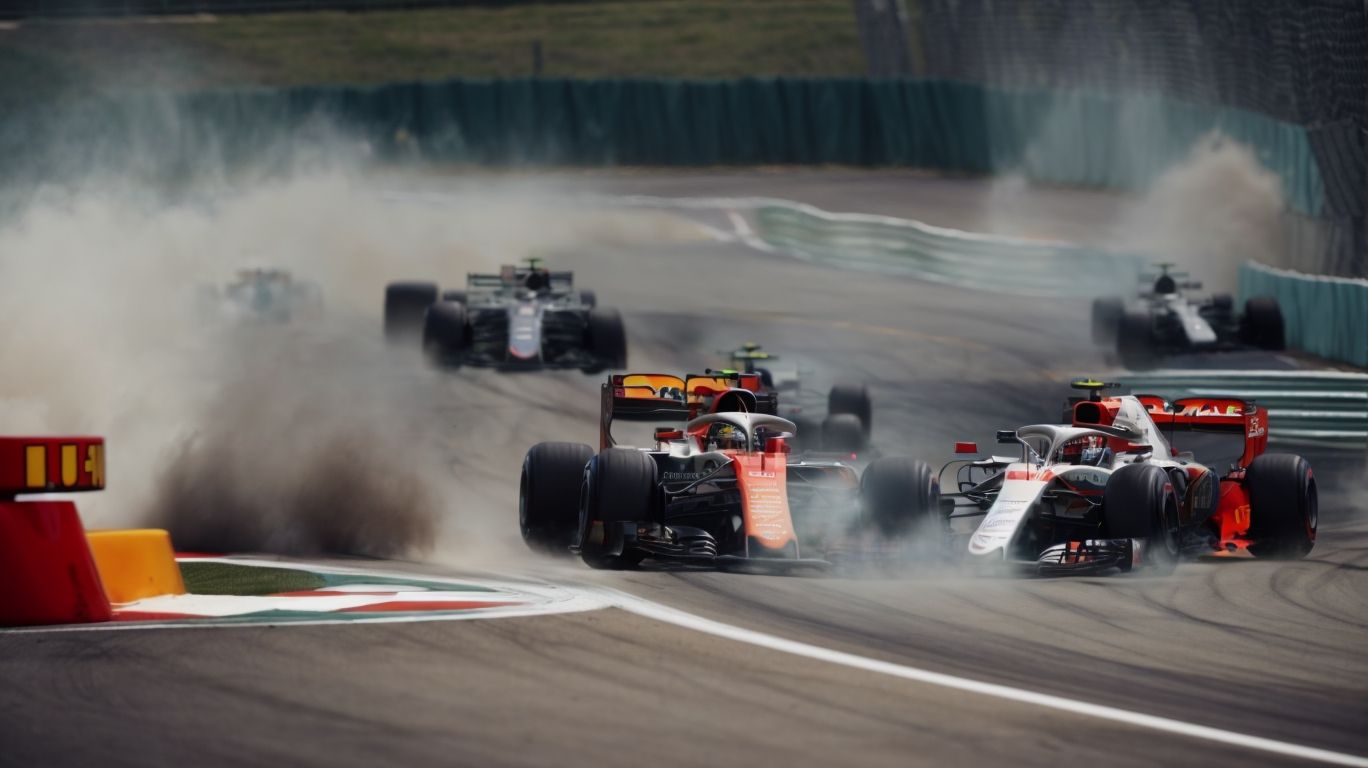
The high-pressure environment adds to the allure of Formula 1, where split-second decisions can make or break a race. Rivalry fuels the sport, with every lap bringing a new chapter in the ongoing battle for supremacy among teams and drivers.
Unique Race Tracks
Formula 1 boasts a repertoire of unique race tracks that challenge drivers with their diverse layouts, elevating the sport’s appeal through innovative circuit designs and evolving track technologies.
These tracks come in various forms – from classic, high-speed circuits like Monza and Silverstone to modern, technical street circuits such as Singapore and Monaco.
The evolution of Formula 1 tracks has seen a shift towards incorporating more elevation changes, tight corners, and lengthy straights, demanding a diverse skill set from drivers.
Technology plays a crucial role in track design, with advancements in simulation software allowing engineers to create more challenging and exciting layouts that push the limits of both man and machine.
The Teams and Drivers of Formula 1
The backbone of Formula 1 lies in its dynamic teams and talented drivers who compete at the highest level to claim the coveted Championship titles, showcasing teamwork, skill, and determination on the race track.
Who Are the Top Teams in Formula 1?
In Formula 1, the landscape of top teams is ever-evolving, with innovative strategies, technological advancements, and strategic collaborations shaping the competitive dynamic of the sport.
These top teams consistently push the boundaries of engineering excellence and aerodynamic precision, utilizing cutting-edge technology to gain that crucial edge on the track. Their evolution from traditional racing outfits to multi-faceted global brands showcases how they have adapted to a changing landscape, embracing sustainability initiatives and fostering talent from diverse backgrounds. The collaborative efforts between engineers, designers, and drivers in these teams illustrate a harmonious blend of skill and expertise, propelling them towards the pinnacle of racing success.
Who Are the Top Drivers in Formula 1?
The roster of top drivers in Formula 1 features a global lineup of talent, each with their unique skills, rivalries, and contributions to the thrilling narrative of motorsport excellence.
One of the most iconic rivalries in Formula 1 history is between Ayrton Senna and Alain Prost, two legends who battled fiercely on the track, delivering unforgettable moments for fans worldwide. Their intense competition not only showcased their exceptional driving abilities but also elevated the sport to new heights.
Another key figure in the sport is Michael Schumacher, whose dominance and record-breaking achievements made him a living legend in the world of motorsport. Schumacher’s precision, consistency, and drive for perfection set new standards for future generations of drivers.
The Future of Formula 1
The future of Formula 1 holds a promise of continued evolution, sustainable practices, and innovative advancements that will shape the sport’s trajectory towards a more dynamic, engaging, and environmentally conscious future.
What Changes Can We Expect in the Future of Formula 1?
The future of Formula 1 is poised for groundbreaking changes in technological advancements, regulations, and fan engagement strategies that will revolutionize the sport and elevate the viewer experience to new heights.
Technological advancements in Formula 1 are set to introduce innovations like hybrid powertrains and improved aerodynamics, enhancing performance and sustainability. The aero regulations will focus on reducing turbulence, making overtaking easier and races more exciting for spectators. Fan engagement strategies will leverage virtual reality experiences and interactive platforms, bringing viewers closer to the action than ever before. These developments aim to make Formula 1 more accessible, inclusive, and thrilling for fans across the globe.
How Will Formula 1 Continue to Evolve and Stay Special?
Formula 1’s journey of evolution and uniqueness hinges on a commitment to innovation, sustainability, and fan engagement that will ensure the sport’s enduring appeal and its status as a global motorsport phenomenon.
- One key aspect being explored for future development in Formula 1 is the integration of cutting-edge technology to push the boundaries of performance and safety.
- Sustainability practices play a pivotal role in shaping the sport’s trajectory, with initiatives focusing on reducing carbon footprint and promoting environmental consciousness within the racing community.
- The introduction of fan-centric initiatives, such as interactive digital experiences and enhanced live events, aims to create a stronger emotional connection between F1 enthusiasts and the sport itself.
Frequently Asked Questions
What Makes F1 So Special?
Formula One, or F1, is known as the pinnacle of motorsport racing. Here are some frequently asked questions about what makes it so special.
What is Formula One?
Formula One is a type of open-wheeled auto racing that features high-performance, single-seat cars. It is considered the top tier of international motorsport racing.
What makes F1 different from other racing series?
F1 stands out for its cutting-edge technology, high-speed races, and global appeal. It also has a long history of prestige and glamour, attracting some of the best drivers and teams in the world.
How fast do F1 cars go?
F1 cars can reach speeds of up to 230mph (370km/h) on certain tracks, making them some of the fastest racing cars in the world. Their acceleration, braking, and cornering abilities are also incredibly impressive.
Why is F1 so popular?
F1’s popularity can be attributed to its combination of speed, skill, and excitement. The races are full of unpredictable moments and intense rivalries, making it a thrilling experience for both drivers and spectators.
What is the role of technology in F1?
Technology plays a crucial role in F1, with teams investing millions of dollars in research and development to gain a competitive edge. From aerodynamics to engine performance, every aspect of the car is constantly evolving and pushing the limits of what is possible.
How does F1 impact the automotive industry?
F1 serves as a testing ground for new technologies and innovations, which eventually trickle down to consumer cars. Many safety features, such as seat belts and carbon fiber construction, were first introduced in F1 before being implemented in road cars. F1 also has a huge influence on car design and marketing, with manufacturers using the sport to showcase their brand and products.