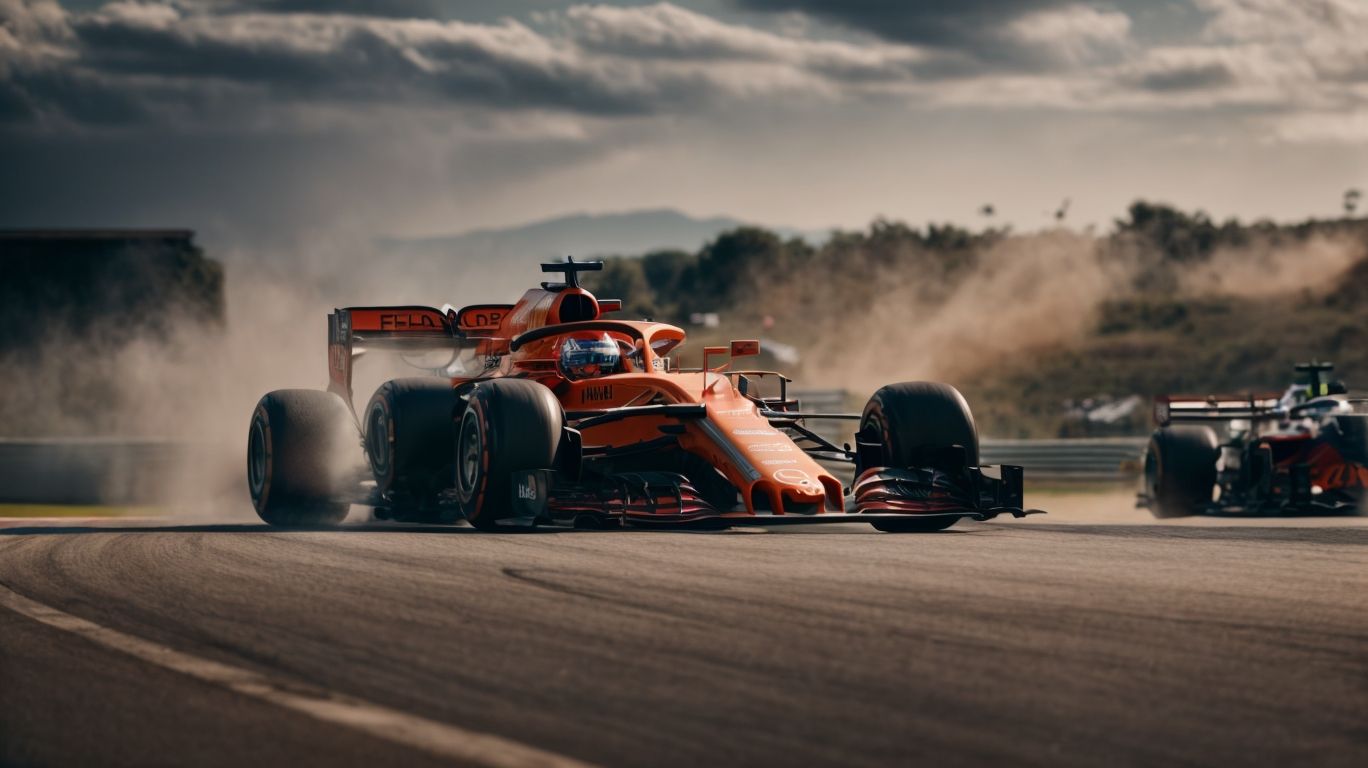
Do F1 Teams Make Their Own Cars?
Formula 1 (F1) is a sport that captivates millions of fans around the world with its high-speed races and cutting-edge technology.
Have you ever wondered how F1 cars are actually made? We will explore the design and manufacturing processes behind these incredible machines.
We will also delve into whether F1 teams make their own cars, the regulations they must adhere to, the benefits and challenges of doing so, and how teams collaborate in car production.
Get ready for an inside look at the fascinating world of F1 car manufacturing.
Key Takeaways:
What Is Formula 1 (F1)?
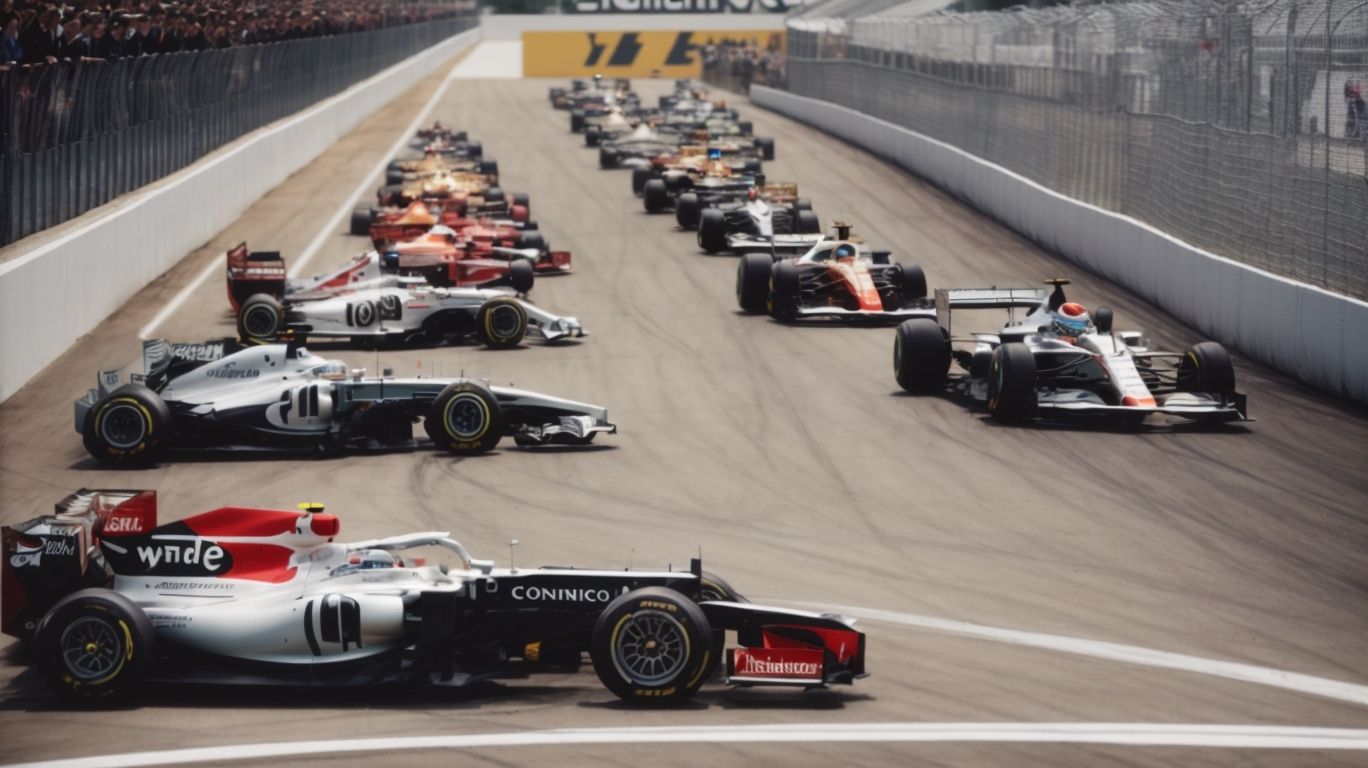
Formula 1, commonly known as F1, is the pinnacle of motorsport racing, featuring high-performance open-wheel race cars.
With its roots dating back to the 1950s, Formula 1 has evolved into a globally recognized sport that attracts millions of fans worldwide. The heart-pounding races not only showcase the skill and precision of the drivers but also push the boundaries of technology and engineering. Speed is a defining element of F1, as cars can reach speeds of over 200 mph, making it one of the fastest racing series in the world. Innovation plays a vital role in Formula 1, with teams constantly striving to develop cutting-edge technologies to gain a competitive edge on the track.
How Are F1 Cars Made?
The creation of F1 cars involves a meticulous process that combines advanced design, precision manufacturing, and rigorous testing protocols.
In terms of aerodynamics, engineers leverage wind tunnels and computational fluid dynamics (CFD) simulations to optimize the car’s bodywork, wing angles, and airflow management. The use of composite materials like carbon fibre in the chassis and bodywork is crucial for achieving a lightweight yet strong structure, enhancing both performance and safety on the track.
The chassis construction is a critical aspect, as it provides the framework that supports the engine, suspension, and aerodynamic elements. Utilizing CAD (Computer-Aided Design) software allows for precise modeling of components and systems before physical production, aiding in faster prototyping and refinement.
What Are the Design and Manufacturing Processes for F1 Cars?
The design and manufacturing processes for F1 cars are governed by strict regulations and involve state-of-the-art technologies and tools.
In terms of compliance with regulations, F1 teams meticulously adhere to the guidelines set by the Fédération Internationale de l’Automobile (FIA) to ensure fair competition and safety standards. As the construction of an F1 car requires precision engineering, aerodynamic testing plays a crucial role in achieving optimal performance.
Teams utilize advanced wind tunnels to simulate the airflow around the car, enabling engineers to fine-tune the design for maximum downforce and minimal drag. This iterative process involves analyzing data collected from these tests to make continuous improvements.
Do F1 Teams Make Their Own Cars?
In Formula 1, teams have the option to either design and manufacture their own cars or purchase them from external constructors.
Teams in Formula One adopt varying strategies when it comes to car production. Some opt for in-house design and manufacturing capabilities, where they have complete control over every aspect of the car’s development process, allowing for customization and innovation. On the other hand, certain teams choose to collaborate with external constructors, leveraging their expertise and resources to acquire competitive cars. The decision to pursue in-house production or external collaboration is often influenced by factors such as budget constraints, technological capabilities, and long-term team goals.
What Are the Regulations for F1 Car Production?
The regulations governing F1 car production are aimed at ensuring fair competition, safety standards, and technological development within the sport.
The given text is already enclosed within
tags and contains a tag for bold formatting. Since the text is concise and does not require further paragraph breaks, it is formatted correctly as it is.
What Are the Different Approaches to F1 Car Production?
F1 teams employ various strategies when it comes to car production, leveraging technology advancements and competitive intelligence to gain an edge on the track.
One of the key elements crucial in F1 car production is the rigorous testing undergone to ensure optimal performance and safety standards. Each component, from the aerodynamics to the engine power, is meticulously scrutinized through wind tunnel testing, simulations, and real-world track testing. The materials used in the construction of these machines are carefully selected to balance lightweight properties with durability, enhancing both speed and resilience. The innovative nature of F1 engineering continuously pushes boundaries, leading to breakthroughs in design methodologies and technological applications.
What Are the Benefits of Making Your Own F1 Car?
Making your own F1 car offers teams advantages such as complete control over design, enhanced performance customization, and opportunities for innovation and differentiation.
By creating their own cars, F1 teams can tailor every aspect to their specific needs, fine-tuning to maximize performance on different tracks and in various weather conditions. This level of customization allows teams to make strategic decisions based on their understanding of the car’s capabilities and potential.
Producing their own cars often results in cost efficiencies, as teams can optimize resources and strategies without being bound by external factors or suppliers.
Importantly, this approach stimulates innovation within the team, pushing boundaries to develop cutting-edge technologies and solutions for the sport. By standing out with unique designs and functionalities, teams can attract sponsorships, fans, and media attention, ultimately enhancing their brand value and competitiveness.
Control Over Design and Performance
Having control over the design and performance of an F1 car enables teams to tailor every aspect to their specific requirements and strategic goals.
This enablement extends to various critical areas of F1 car development, such as aerodynamics, engine capabilities, and chassis dynamics. The art of design and performance control in Formula 1 racing involves a delicate dance between innovation and customization.
Aerodynamics play a crucial role in maximizing speed and handling, with teams constantly fine-tuning wing designs and airflow management. Engine capabilities are optimized through meticulous calibration of power output and efficiency, pushing the boundaries of performance. Chassis dynamics focus on achieving the perfect balance between stability and agility, ensuring optimal handling on different track layouts.
Cost Savings
Developing their own F1 car can lead to significant cost savings for teams by reducing reliance on external suppliers and streamlining the production process.
By bringing the production in-house, teams have more control over the quality and customization of components, ultimately improving the overall performance of the car on the track. This also enables teams to optimize resource management by aligning production schedules with specific racing needs and minimizing excess inventory.
Implementing efficient resource allocation strategies is crucial for achieving cost-efficiency in car manufacturing. In-house production allows teams to invest in specialized equipment that caters directly to their design requirements, reducing the need for costly adaptations or compromises.
Ability to Innovate and Differentiate
Creating their own F1 car allows teams to drive innovation, experiment with new technologies, and establish a unique identity that sets them apart from competitors.
Developing custom F1 cars presents an array of innovation opportunities for teams in the motorsport industry. By crafting their own vehicles, teams can delve into cutting-edge technologies such as hybrid powertrains, advanced aerodynamics, and precision engineering to enhance performance on the track. These innovations not only boost a team’s competitive advantage but also showcase their engineering prowess to fans and sponsors.
Designing a personalized F1 car offers branding advantages that can elevate a team’s visibility and marketability. Through iconic livery designs, distinctive aerodynamic features, and unique sponsor partnerships, successful F1 teams can create a strong brand image that resonates with audiences worldwide. This branding strategy can foster fan loyalty, attract lucrative sponsorships, and establish a strong emotional connection with supporters, further solidifying the team’s position in the highly competitive F1 landscape.
What Are the Challenges of Making Your Own F1 Car?
While making your own F1 car offers benefits, it also presents challenges such as high costs, technical expertise requirements, and the need to navigate complex and evolving regulations.
Developing F1 cars in-house demands substantial financial investments due to the cutting-edge technology required, the high-performance materials needed, and the intensive research and development processes involved. In addition, finding and retaining skilled personnel, from engineers to technicians and aerodynamicists, poses a continual challenge in a competitive industry where expertise is in high demand.
Staying compliant with the strict regulations set by the FIA (International Automobile Federation) demands meticulous attention to detail and resources to ensure that every aspect of the car design adheres to safety, performance, and environmental standards that are constantly evolving. This necessitates a dedicated team focused on regulatory compliance and the ability to swiftly adapt to new rules imposed by the sport’s governing body.
High Costs and Resources Required
The high costs and extensive resources demanded by in-house F1 car production pose significant financial challenges for teams, requiring strategic resource allocation and budget management.
When deciding to manufacture F1 cars internally, teams must carefully assess the budgetary constraints involved. A detailed budget plan tailored to the specific needs of car production is vital to ensure financial stability. Cost containment measures become crucial in the process, with a focus on optimizing expenditure without compromising the quality and performance of the vehicles. Strategies for reducing overhead costs, negotiating favorable supplier contracts, and streamlining production processes all play a key role in managing expenses efficiently.
Technical Expertise and Knowledge Needed
Developing F1 cars demands a high level of technical expertise and specialized knowledge across various disciplines, necessitating a skilled workforce and continuous learning initiatives.
Interdisciplinary competencies are crucial for F1 development, bridging aerodynamics, mechanics, electronics, and data analytics. Teams must recruit top talents globally, leveraging diverse skill sets for innovation. Establishing robust talent acquisition strategies ensures a strong foundation for success.
Consistent training programs enable teams to stay at the forefront of technological advancements, enhancing their adaptability and performance. Keeping pace with industry trends and regulations requires a multifaceted approach, with continuous professional development serving as a key driver for team capabilities.
Constantly Evolving Rules and Regulations
Navigating the ever-evolving landscape of F1 rules and regulations presents a formidable challenge for teams, requiring constant adaptation and compliance to maintain competitiveness.
The changes in regulations, whether related to aerodynamics, power units, or safety standards, significantly influence how teams approach the design and engineering of their cars. Technical directives issued by the FIA act as guidelines that teams must adhere to, pushing them to find innovative solutions within the regulatory framework. Competitive pressures to gain a competitive edge drive teams to explore every possible avenue for performance improvement while staying within the boundaries set by the rules. This dynamic environment demands not only precision in execution but also the creativity and flexibility to interpret and apply the rules effectively.
How Do F1 Teams Collaborate in Car Production?
Collaboration plays a vital role in F1 car production, with teams engaging in partnerships, sharing technology and knowledge, and outsourcing certain components to optimize performance and efficiency.
These collaborative strategies are crucial for F1 teams to stay competitive and push the boundaries of innovation in the high-stakes world of racing. By forming strategic partnerships with specialized suppliers, teams can access cutting-edge technology and expertise that might not be available in-house.
Technology exchanges between teams help in cross-pollination of ideas and best practices, fostering a culture of continuous improvement and agility in adapting to rapidly evolving racing regulations.
Partnerships and Supplier Relationships
Forming strategic partnerships and fostering strong supplier relationships are common practices in F1 car production, enabling teams to leverage external expertise, resources, and technologies for mutual benefit.
Collaborative initiatives in the Formula 1 world extend beyond just the racing track, as teams recognize the value of collective efforts in pushing the boundaries of performance. Through collaborative partnerships and supplier engagements, F1 teams tap into a diverse pool of knowledge and capabilities, fueling a culture of innovation and continuous improvement. This approach not only streamlines the development processes but also reduces costs through shared resources and centralized research and development. By combining forces with key industry players, teams can accelerate the pace of technological advancements and gain a competitive edge in the ever-evolving world of motorsports.
Sharing of Technology and Knowledge
Sharing technology and knowledge among F1 teams fosters a culture of innovation, continuous learning, and collective progress within the competitive ecosystem of Formula 1 racing.
In the high-stakes world of F1 car production, sharing insights on cutting-edge technologies, advanced materials, and aerodynamic advancements is crucial. Through collaborative initiatives, teams exchange best practices, research findings, and engineering solutions that propel the industry forward. This exchange not only enhances the performance of individual teams but also fuels industry-wide advancements, driving strategic synergies and pushing the boundaries of what’s possible in Formula 1.
Outsourcing of Certain Components
Outsourcing specific components in F1 car production allows teams to focus on core competencies, optimize resource utilization, and access specialized expertise for critical elements of their racing machines.
Strategic outsourcing practices in Formula 1 involves meticulously selecting suppliers to entrust the production of components like engines, tires, and aerodynamic parts. This enables teams to tap into the unique skills and technologies offered by external partners. By doing so, teams can free up internal resources, reduce production costs, and accelerate innovation through collaboration with industry leaders in specialized areas. Quality control measures are paramount, with stringent inspections and performance tests conducted to ensure that outsourced components meet the exacting standards of F1 racing.
Frequently Asked Questions
Do F1 Teams Make Their Own Cars?
Yes, F1 teams are responsible for designing and constructing their own cars.
What is the purpose of F1 teams making their own cars?
The purpose is to have unique and competitive cars that can outperform other teams on the track.
Do F1 teams have complete control over the design of their cars?
Yes, F1 teams have complete control over the design, as long as it follows the regulations set by the FIA (Fédération Internationale de l’Automobile).
Can F1 teams buy cars from other teams?
No, F1 teams are not allowed to buy cars from other teams. Each team must design and construct their own car.
How long does it take for an F1 team to make a car?
The process of designing and constructing an F1 car can take up to 6-8 months, depending on the team’s resources and budget.
Are there any restrictions on the materials F1 teams can use to make their cars?
Yes, the FIA has strict regulations on the materials that can be used in F1 cars, including safety standards and weight restrictions.