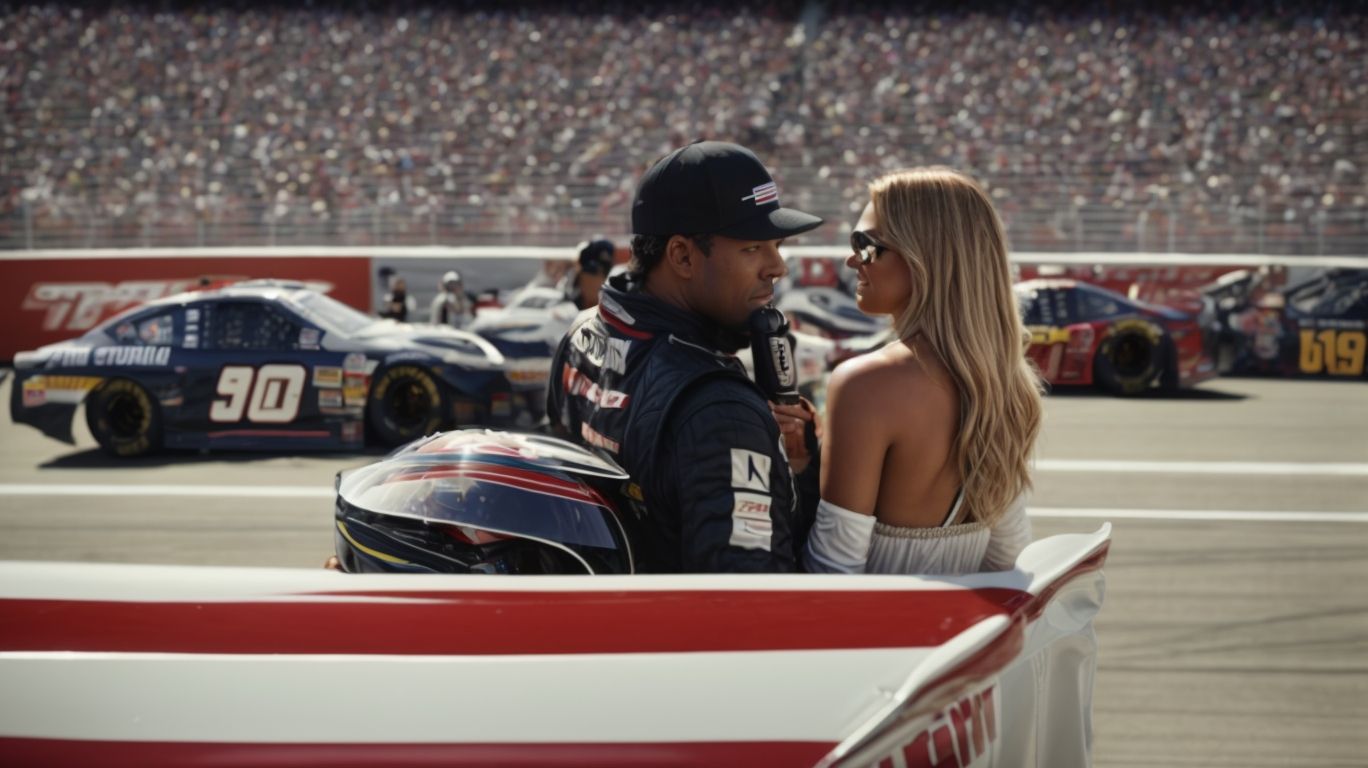
Is Nascar a Good Career?
Are you a fan of high-speed racing and adrenaline-pumping competition? Have you ever wondered what it takes to become a NASCAR driver?
We explore the world of NASCAR, from the skills and qualities needed to succeed in the sport, to the risks and challenges that come with being a driver.
We also discuss the benefits of pursuing a career in NASCAR, as well as the pros and cons of this exciting and demanding profession.
Buckle up and get ready to learn all about the fast-paced world of NASCAR racing!
Key Takeaways:
What is NASCAR?
NASCAR, the National Association for Stock Car Auto Racing, is a prominent company in the auto racing industry.
Established in 1948 by Bill France Sr., NASCAR has grown from its humble beginnings to become one of the most recognized names in motorsports. The organization’s roots lie in the southern United States, where stock car racing captured the hearts of many Americans. NASCAR helped popularize the sport and brought it to a wider audience, showcasing thrilling races, talented drivers, and iconic tracks.
Under the leadership of current CEO Jim France, the organization has continued to evolve, introducing new rules, safety measures, and marketing strategies to attract fans and sponsors. NASCAR’s influence extends beyond the racetrack, shaping the culture of auto racing and inspiring future generations of drivers.
How Do You Become a NASCAR Driver?
Becoming a NASCAR driver requires a strategic approach to racing, participation in events, securing sponsorships, and catching the attention of key figures like Jim France, the CEO of NASCAR.
For aspiring drivers, the journey into the NASCAR world is often marked by a relentless pursuit of speed, skill, and sponsorship. Securing sponsorships is crucial, as these financial backers not only provide the necessary funding but also open doors to top-tier racing events. The thrill of competitive racing fuels their determination as they navigate through various racing circuits, starting from local races and gradually progressing to regional and national events, all while honing their craft and building valuable relationships within the industry.
Start Racing at a Young Age
To kickstart a career in NASCAR, aspiring drivers often begin racing at a young age, honing their skills on tracks in Florida and other racing hotspots.
Starting racing at a young age not only allows drivers to develop their driving abilities but also fosters a deep passion for the sport. Racing in Florida, known for its diverse tracks and competitive environment, provides a challenging yet rewarding experience for up-and-coming drivers. The skills acquired through early exposure to racing, such as fast decision-making, adaptability to various track conditions, and understanding the logistics of the sport, are invaluable in the demanding world of NASCAR. Employees in the racing sector, from mechanics to crew chiefs, benefit greatly from their hands-on experiences, learning to troubleshoot technical issues, collaborate under pressure, and strategize for optimal performance.
Join a Racing Series
Joining a recognized racing series, such as NASCAR, provides drivers with exposure to diverse tracks, challenges, and opportunities to showcase their talent, leading to potential revenue growth and staff expansion.
By participating in high-profile races under the NASCAR banner, drivers have the chance to attract major sponsors and secure lucrative endorsements, elevating their status in the racing community. Not only does this series offer a platform for athletes to compete at a professional level, but it also opens doors to a network of experienced mentors and industry insiders who can provide invaluable guidance and support.
The thrill of driving on iconic tracks and the adrenaline rush of fierce competition in front of large fan bases are unparalleled experiences that can catapult a driver’s career to new heights. The financial rewards from prize money, advertising deals, and merchandise sales can significantly bolster a driver’s income potential.
Network and Gain Sponsorship
Networking within the NASCAR community and securing sponsorships are crucial steps for drivers aiming to leverage advanced technology, organizational support, and financial backing to enhance their racing careers.
Networking in NASCAR goes beyond just building connections; it’s about creating opportunities for growth and success. Securing sponsorships acts as a gateway to accessing cutting-edge technology, gaining strong backing from organizations, and obtaining the crucial financial support needed to stay competitive in the fast-paced world of racing.
The role of technology in NASCAR cannot be underestimated. From advanced performance analytics to simulation tools, technology plays a vital part in enhancing a driver’s skills and optimizing race strategies.
What Are the Skills and Qualities Needed to Succeed in NASCAR?
Success in NASCAR requires a unique blend of driving skills, physical fitness, mental toughness, and effective teamwork and communication, shaping the job requirements, work hours, and salary potential in this high-performance culture.
Regarding driving skills, NASCAR drivers must possess exceptional control over their vehicles, navigating tight corners at high speeds while managing drafting and overtaking maneuvers with precision. The physical demands of the sport necessitate top-tier fitness levels to endure grueling races in extreme conditions, often reaching triple-digit temperatures inside the car. Mental toughness plays a crucial role in staying focused and making split-second decisions under intense pressure, with races often decided by fractions of a second. Teamwork and communication are equally vital, as drivers rely on pit crews and spotters to execute seamless pit stops and provide critical race information.
Driving Skills
Mastering driving skills is fundamental for NASCAR employees aiming to navigate various tracks, adapt to different car designs, and excel in diverse championship formats.
Each track in NASCAR presents unique challenges, demanding drivers to showcase their adaptability, technical prowess, and strategic planning. From tight ovals to sweeping road courses, diversity in track configurations tests drivers’ abilities to the fullest.
The ability of drivers to understand and quickly adjust to the nuances of various car designs is crucial for their success. The adaptability in handling differences in aerodynamics, suspension, and engine performance is a testament to their expertise.
Regarding championship formats, drivers must not only exhibit consistency and speed but also strategic thinking and risk management to secure the overall victory. Understanding the nuances of playoff systems, points allocations, and elimination rounds is paramount for sustaining success throughout the season.
Physical Fitness
Maintaining peak physical fitness is essential for NASCAR professionals to endure the rigorous demands of races, enhance employee retention rates, and improve overall performance on the track.
In the fast-paced world of NASCAR, drivers need to possess exceptional stamina, strength, and agility to navigate through long and grueling races. Endurance training plays a crucial role in ensuring they can withstand hours of high-speed driving under extreme conditions. Prioritizing physical health among team members not only fosters a sense of camaraderie but also promotes employee well-being and overall job satisfaction. By investing in fitness programs and regular exercise regimes, NASCAR teams can boost productivity and enhance the overall race performance.
Mental Toughness
NASCAR drivers must cultivate mental toughness to withstand the pressures of high-speed racing, fan expectations, and the intensity of playoff formats, ensuring consistent performance under challenging conditions.
When you consider the fast-paced nature of NASCAR races, the mental resilience of drivers becomes a crucial factor in their success. Fans eagerly wait for their favorite drivers to not only showcase their skills on the track but also to exhibit unparalleled mental toughness when faced with obstacles and setbacks. The playoff scenarios add an additional layer of pressure, where drivers have to stay focused amidst the heightened intensity of the championship battle.
The ability to maintain composure during pivotal moments can make or break a driver’s chances of clinching victory. In such a competitive environment, where milliseconds can determine the outcome, having a strong mindset can truly be the differentiating factor between success and defeat. Derby has proven time and again that mastering the art of mental toughness is not just a skill but a necessity in a sport as demanding as NASCAR. As the engines roar and the crowd cheers, a driver’s mental fortitude shines through, embodying the essence of true resilience on the racetrack.
Teamwork and Communication
Effective teamwork and communication are vital in NASCAR, enabling drivers to collaborate seamlessly with their crew members, strategize for success, and navigate the dynamics of regional series with precision and coordination.
Within the high-speed world of NASCAR, every second counts, and the synergy between the driver and their team can make all the difference between victory and defeat. The crew’s ability to communicate effectively ensures that pit stops are executed flawlessly, tire changes are swift, and strategies are adjusted on the fly to adapt to the ever-changing race conditions. This level of coordination demands not only skill and expertise but also a deep understanding of each other’s roles and a shared commitment to achieving the ultimate goal of crossing the finish line first.
What Are the Risks and Challenges of Being a NASCAR Driver?
Being a NASCAR driver entails facing inherent risks such as high injury probabilities, financial burdens, and time commitments, reflecting the challenges prevalent in the auto racing industry, sponsorship deals, and race participation.
One of the foremost risks NASCAR drivers encounter is the physical toll the sport takes on their bodies. The high-speed nature of racing increases the chances of severe injuries, from concussions to fractures, which can have long-lasting effects on a driver’s career and overall well-being.
This risk is compounded by the financial pressures drivers face. Securing sponsorships is crucial for funding a race season, and with the competitive landscape of NASCAR, attracting and retaining sponsors can be a constant uphill battle.
Plus the financial strain, the time commitments demanded by NASCAR are immense. Drivers spend countless hours training, practicing, and traveling, leaving little room for personal lives or other pursuits.
High Risk of Injury
NASCAR drivers face a high risk of injuries due to the intense nature of races, the competitive championship formats, and the physical demands of stock car driving.
Race intensity in NASCAR is off the charts, with drivers pushing their cars to the limit in speeds exceeding 200 mph, often in close quarters with other competitors. This not only requires incredible focus and precision but also elevates the probability of high-impact collisions.
The championship pressures add another layer of stress, as drivers strive to perform consistently over a grueling season, battling not just on the track but also mentally and emotionally for the coveted title.
The physical strains on the body from enduring hours of intense G-forces, extreme temperatures inside the car, and the need for quick reflexes put immense strain on the driver’s physical well-being.
Financial Burden
Navigating the financial burdens in NASCAR requires prudent revenue management, strategic sponsorships, and cost-effective car designs to sustain a competitive edge in the racing industry.
Effective revenue management in NASCAR involves a delicate balance of maximizing income sources while minimizing expenses. Teams rely heavily on sponsorships, merchandising, and prize money to bolster their financial standing. Partnering with corporate sponsors and securing long-term contracts are crucial for financial stability.
Optimizing car designs is essential for improving performance while keeping costs in check. Innovation in aerodynamics, engine efficiency, and materials plays a significant role in enhancing speed and handling, all while adhering to strict budget constraints.
Time Commitment
The time commitment in NASCAR, especially for drivers engaged in international series, demands effective time management strategies, supportive staff members, and a balanced approach to racing and personal time.
Participating in multiple racing series across different regions or countries can pose a significant challenge for NASCAR drivers due to the demanding schedules and travel requirements. Juggling races, testing sessions, sponsor obligations, and personal commitments requires careful planning and coordination.
The support of a dedicated team is crucial in handling the logistical aspects of racing in international series. From travel arrangements to technical preparations, having a reliable crew can alleviate some of the time-related pressures on drivers.
Striking a balance between their professional racing responsibilities and personal life is essential for drivers to avoid burnout and maintain peak performance on the track. Finding time for rest, training, and relationships is key to sustaining long-term success in the competitive world of NASCAR.
What Are the Benefits of Being a NASCAR Driver?
Becoming a NASCAR driver offers significant benefits such as high earnings potential, fame, recognition, and the opportunity to engage with a passionate fan base, reflecting the unique culture and rewards of the racing industry.
One of the key advantages of pursuing a career in NASCAR is the potential for substantial financial rewards. NASCAR drivers have the opportunity to earn impressive salaries through prize money, sponsorships, and endorsements. The influx of endorsements and sponsorships can open up various income streams, elevating their financial status significantly.
The fame and recognition that come with being a NASCAR driver are unparalleled. These drivers become household names, with fans eagerly following their every race and cheering them on during competitions. They often enjoy a level of celebrity status that extends beyond the racing world, leading to numerous opportunities for public appearances, media features, and brand collaborations.
Interacting with fans is another notable aspect of being a NASCAR driver. The passionate fan base of NASCAR creates a unique relationship dynamic, where drivers connect with supporters through autograph sessions, meet-and-greets, and fan events. This direct engagement helps in building a strong bond with the audience and fostering loyalty among fans, further enhancing the overall experience of being a part of the NASCAR community.
High Earnings Potential
NASCAR drivers have a high earnings potential attributed to successful races, lucrative contracts, and endorsements, particularly in the competitive United States racing market.
Regarding earnings from races, NASCAR drivers can rake in significant amounts through a combination of prize money, performance bonuses, and sponsor incentives. This income stream is further boosted by lucrative contract negotiations with racing teams and sponsors, where experienced drivers often secure multi-million dollar deals. Endorsement deals also play a crucial role in a driver’s financial success, with top performers attracting partnerships with major brands seeking to capitalize on their popularity and on-track achievements.
Fame and Recognition
NASCAR drivers enjoy fame and recognition through the thrill of playoffs, exposure in Europe and other international markets, and the admiration of fans worldwide, showcasing the global impact of NASCAR racing.
One of the defining aspects of NASCAR racing is the intense playoff experiences that captivate audiences around the world. The high-stakes competitions and dramatic finishes during playoff events elevate the fame of drivers, making each race a spectacle filled with excitement and suspense. The international exposure of NASCAR driving brings a whole new level of recognition, as drivers showcase their skills on a global stage, reaching fans across continents.
Opportunities for Sponsorship and Endorsements
NASCAR drivers have abundant opportunities for lucrative sponsorships and endorsements, leveraging fan support, market presence, and connections in regions like Mexico to secure rewarding business partnerships.
Engaging with fans is at the core of NASCAR sponsorships. The sport offers a unique platform for brands to connect directly with a passionate audience that actively supports their favorite drivers.
These partnerships extend beyond logo placements on cars, with interactive experiences, merchandise collaborations, and social media activations. The reach of NASCAR extends far beyond the track, providing sponsors with opportunities to tap into diverse markets and demographics.
The international appeal of NASCAR opens up doors for cross-border collaborations, with drivers being able to foster relationships with companies and fans worldwide.
Is NASCAR a Good Career Choice?
Deciding whether NASCAR is a good career choice involves weighing the pros, such as playoff opportunities and technological advancements, against the cons, including industry challenges and competitive pressures.
Participating in NASCAR can offer drivers a chance to compete in the thrilling playoff races that determine the series champion, providing a high-stakes environment to showcase their skills. The constant technological innovations in the sport, from aerodynamics to engine performance, also present exciting challenges and opportunities for advancement.
Navigating the complexities of the industry, such as securing sponsorships, managing team dynamics, and coping with the physical demands of the sport, can be daunting tasks for aspiring drivers. The fiercely competitive landscape in NASCAR means that success is never guaranteed, requiring a combination of talent, strategy, and resilience to thrive in this fast-paced environment.
Pros of Being a NASCAR Driver
The benefits of being a NASCAR driver include diverse race experiences, growth opportunities within the industry, and the chance to interact with a wide range of fans, reflecting the dynamic nature of NASCAR careers.
When you step into the world of NASCAR driving, you are not just entering a sport; you are embarking on a thrilling journey that offers a blend of adrenaline-pumping races and constant challenges that push you to hone your skills. The thrill of speeding around those iconic oval tracks, feeling the rush of the wind, and the roar of the crowd as you navigate through each turn—there’s truly nothing quite like it. NASCAR drivers also have the advantage of a highly supportive community, both within the racing fraternity and among the dedicated fans who cheer them on, adding a sense of camaraderie to the competitiveness.
Cons of Being a NASCAR Driver
Challenges of being a NASCAR driver may include issues with employee retention, car design complexities, and the demanding nature of the racing environment, showcasing the hurdles faced in professional auto racing.
Employee retention in NASCAR teams can often pose a significant challenge, with drivers, mechanics, and engineers frequently changing teams. This constant turnover can disrupt team dynamics and communication, affecting overall performance. The intricacies of car design in NASCAR demand constant innovation and adaptation to stay competitive. From aerodynamics to engine performance, every detail plays a crucial role in determining a driver’s success on the track.
The intense pressure of the racing environment further adds to the challenges. NASCAR races are unforgiving, with split-second decisions and high-speed maneuvers required. Drivers must navigate the track while managing tire wear, fuel consumption, and strategy, all while maintaining focus in a high-stakes, adrenaline-fueled atmosphere.
Conclusion
In conclusion, NASCAR stands as a leading force in the auto racing industry, blending innovation, competition, and a rich culture to engage audiences worldwide.
This iconic organization has not only revolutionized the way we view auto racing but has also set the bar for technological advancements in the industry. The constant pursuit of speed, efficiency, and safety features in NASCAR vehicles has not only made races more exhilarating but has also driven innovations that trickle down to everyday road vehicles. With its strict regulations and emphasis on fair play, NASCAR has cemented itself as the pinnacle of competition, where drivers showcase their skills and teams push the boundaries of engineering.
Frequently Asked Questions
Is Nascar a Good Career?
Yes, Nascar can be a very lucrative and exciting career path for those interested in racing and motorsports.
What skills are required for a career in Nascar?
A successful career in Nascar requires a combination of driving skills, physical fitness, and technical knowledge of cars and racing tactics.
Are there any educational requirements for a career in Nascar?
While there are no specific educational requirements, many Nascar drivers have a background in auto mechanics or engineering, and a high school diploma is typically preferred.
Can anyone become a Nascar driver?
While anyone can try to become a Nascar driver, it takes a lot of dedication, hard work, and talent to make it to the professional level.
What is the average salary for a Nascar driver?
The average salary for a Nascar driver varies greatly, but top drivers can earn millions of dollars per year through race winnings and sponsorships.
What are the physical demands of a career in Nascar?
Nascar drivers must be in top physical shape, as races can last for hours and require intense concentration and endurance behind the wheel.