Can I Buy a Motogp Bike?
Are you a thrill-seeker looking to take your love for speed to the next level?
You may be wondering if you can buy a MotoGP bike and hit the track like the pros.
We will discuss what a MotoGP bike is, how much it costs, and the requirements for owning one.
Explore where you can purchase a MotoGP bike, factors to consider before buying, and whether you can use it on public roads.
So, gear up and get ready to dive into the world of MotoGP bikes!
Key Takeaways:
What Is a Motogp Bike?
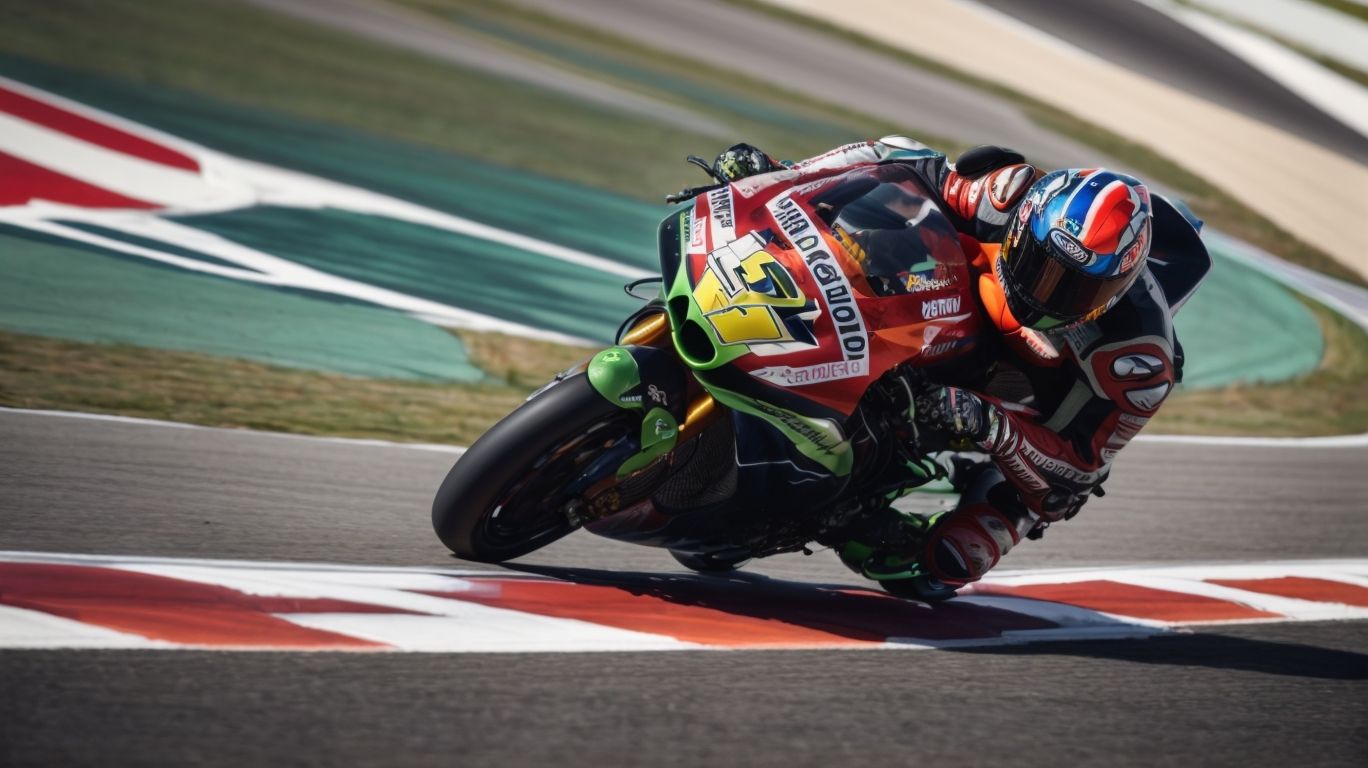
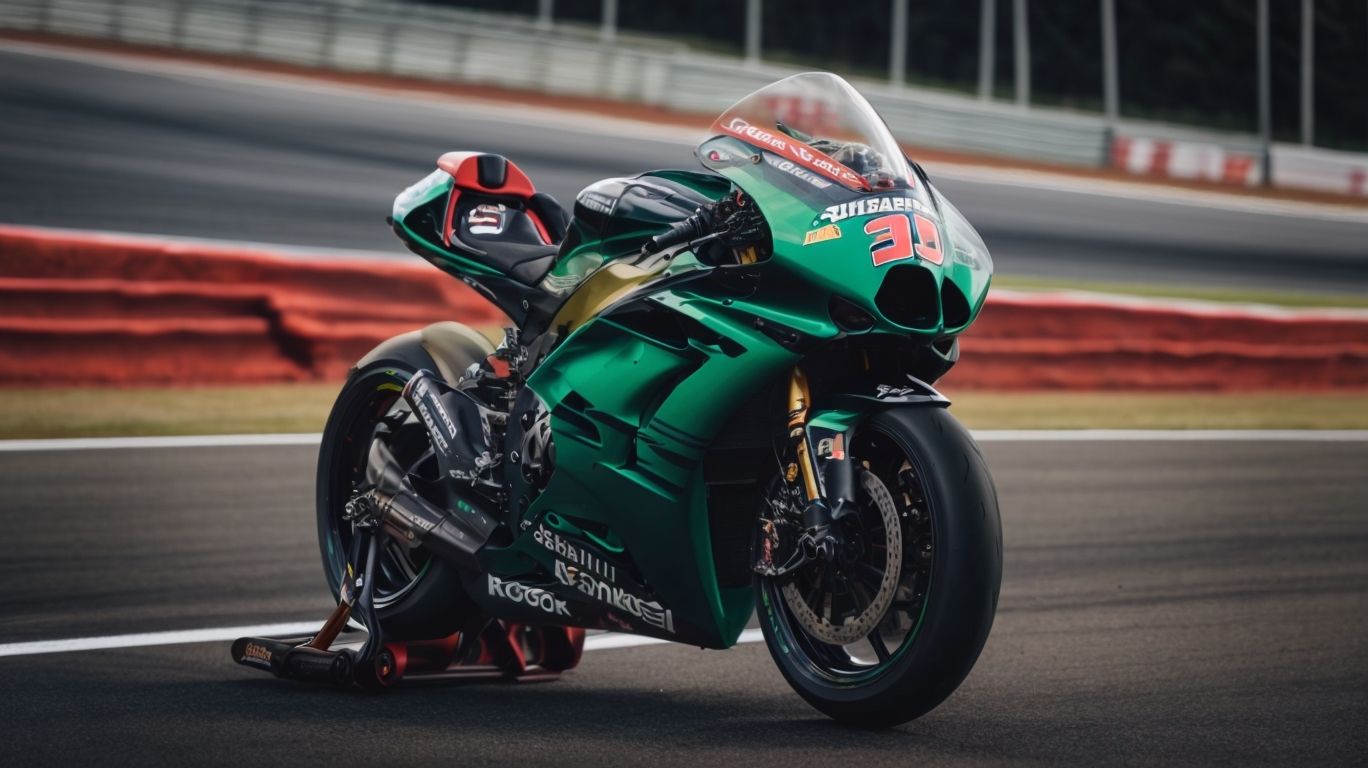
A MotoGP bike is a high-performance racing motorcycle specifically designed for competition in the MotoGP championship, featuring cutting-edge technology, incredible speed capabilities, and a rich history in the world of motorcycle racing.
These bikes are the pinnacle of engineering excellence, incorporating state-of-the-art materials like carbon fiber and titanium to achieve optimal speed and agility on the track. The aerodynamic designs of MotoGP bikes are finely tuned through wind tunnel testing, ensuring maximum performance. Advanced electronic systems such as traction control, launch control, and anti-wheelie functions provide riders with precise control during intense races.
The Moto2 and Moto3 categories serve as stepping stones for young riders, utilizing slightly modified production-based engines in purpose-built racing chassis. These classes act as a testing ground for future MotoGP stars, showcasing the talent and potential of up-and-coming racers before they reach the premier class. MotoGP bikes, although highly specialized for racing, often inspire advancements in production motorcycle technology, driving innovation in the industry as a whole.
How Much Does a Motogp Bike Cost?
The cost of a MotoGP bike can vary significantly, often reaching exclusive and limited price tags, especially for sought-after models at auctions or from specialized collections.
Several factors contribute to the high pricing of MotoGP bikes. One key aspect is their exclusivity, with only a limited number of these race machines produced each year. This scarcity drives up demand among avid collectors and racing enthusiasts, pushing the prices to extraordinary levels.
The auctions for iconic MotoGP bikes also play a crucial role in determining their market value, as the adrenaline-fueled bidding wars often result in record-breaking sales. Bikes from renowned riders’ personal collections command premium prices due to their historical significance, adding another layer of value to these exceptional machines.
What Are the Requirements for Owning a Motogp Bike?
Owning a MotoGP bike comes with specific requirements, including holding a valid racing license, possessing the necessary safety gear, and having a solid understanding of the bike’s mechanics.
Maintaining a racing license is crucial as it showcases the rider’s competence and adherence to safety regulations on the track. Investing in top-notch safety equipment such as a reinforced racing suit, helmet, gloves, and boots is essential to protect oneself during intense races. Understanding the intricacies of the bike’s mechanics, like suspension settings and engine tuning, plays a pivotal role in ensuring optimal performance and longevity of the MotoGP bike.
Racing License
Obtaining a racing license is essential for owning and riding a MotoGP bike, ensuring that riders meet the necessary safety and skill standards to handle these high-performance machines.
A racing license serves as a testament to a rider’s proficiency and knowledge of the sport, indicating that they have undergone rigorous training and have the required experience to safely navigate the demanding tracks and circuits.
To qualify for a racing license, riders must demonstrate a high level of competence in various aspects such as cornering, braking, and racing tactics. Meeting these qualifications not only enhances rider safety but also contributes to the overall competitiveness of events, ensuring that only skilled riders, such as the esteemed MotoGP World Champion Joan Mir, participate in races at this elite level.
Safety Gear
Proper safety gear is crucial when owning a MotoGP bike, with items like helmets, leathers, and gloves being essential to protect riders during high-speed races and practices.
These safety essentials not only enhance the rider’s performance but also provide a critical barrier against potential injuries. The helmet, designed to absorb impact and provide head protection, is a non-negotiable piece of gear for any MotoGP enthusiast. High-quality leathers offer abrasion resistance and help in sliding rather than catching on the tarmac, reducing the risk of serious harm. Complemented by durable gloves that ensure a secure grip and shield hands from road debris, this gear is a rider’s armor on the track.
Mechanical Knowledge
Having a solid understanding of the mechanics of MotoGP bikes is vital for owners, as these high-performance machines require technical expertise to maintain and optimize their speed and performance.
Regarding MotoGP bike technology, owners must grasp the intricate details of advanced systems such as electronic aids, suspension setups, and aerodynamics. Technology plays a crucial role in enhancing performance and ensuring safety on the track.
Deep knowledge about the intricacies of engines is essential for owners to troubleshoot issues and fine-tune power delivery. Keeping up with the latest trends in research and development is also imperative in order to stay competitive in the fast-paced world of motorcycle racing.
Where Can I Buy a Motogp Bike?
MotoGP bikes can be acquired from various sources, including directly from manufacturers, private sellers, or through specialized auctions that cater to collectors and enthusiasts.
When considering buying a MotoGP bike, opting for purchasing directly from the manufacturers, such as Ducati, Yamaha, or Honda, can offer the assurance of authenticity and quality. These brand-new bikes often come with warranties and the latest technology advancements, tailored to meet the demands of professional riders and avid fans alike.
On the other hand, buying from private sellers may provide a more personalized experience, enabling negotiation on price and potentially uncovering unique customization options.
Directly from Manufacturers
One option to buy a MotoGP bike is directly from manufacturers like Ducati, Honda, or Yamaha, providing buyers with the assurance of authenticity and quality.
When purchasing from these renowned manufacturers, enthusiasts benefit from a direct link to the expertise and innovation that goes into crafting these racing machines. Buyers can also customize their bikes to match the exact specifications and preferences of professional riders, creating a unique and personalized experience.
Buying from authorized sources ensures that the MotoGP bikes meet the highest safety and performance standards set by the manufacturers themselves. This direct purchase option offers enthusiasts a sense of exclusivity, knowing they are getting a genuine product straight from the source.
From Private Sellers
Another avenue for obtaining a MotoGP bike is through private sellers, who may offer unique models, custom builds, or bikes with racing provenance, adding a personal touch to the purchase.
Private sellers can provide a more intimate buying experience, allowing enthusiasts to connect with individuals who share their passion for these high-performance machines. Within this niche market, collectors like Phil Morris are known for their specialized collections, sometimes including rare or race-winning bikes that hold historical significance in the world of MotoGP racing.
Buying from a private collection can also offer the chance to own a piece of motorcycle racing history, with each bike telling a story of speed, skill, and innovation on the track. Plus the allure of owning a MotoGP bike, dealing directly with private sellers can sometimes lead to valuable insights about maintenance, upgrades, or even future investment opportunities.
From Auctions
Participating in auctions is a thrilling way to acquire MotoGP bikes, with events hosted by renowned auction houses like Bonhams offering a platform to bid on exclusive and historic racing machines.
Attending these auction events is like stepping into a world where the legacy of champions and the adrenaline of high-speed racing converge. The anticipation in the air as each MotoGP bike takes the center stage is palpable, with collectors and enthusiasts vying for the chance to own a piece of motorsport history.
What sets these auctions apart is the authenticity and provenance of the motorcycles up for bidding. Each bike carries its unique story, from roaring down the legendary tracks to symbolizing the pinnacle of engineering excellence.
What Are the Factors to Consider Before Buying a Motogp Bike?
Before investing in a MotoGP bike, several key factors should be considered, such as budget constraints, ongoing maintenance costs, and the availability of spare parts for these high-performance machines.
When diving into the realm of MotoGP bikes, it’s crucial to establish a clear budget right from the start. These cutting-edge racing machines aren’t just where the purchase cost ends; one must factor in the long-term maintenance expenses which can sometimes be substantial.
Planning ahead and ensuring that you have enough resources to cover not only the initial purchase but also the upkeep is paramount. The availability of spare parts plays a vital role in the overall ownership experience. Without easy access to components and replacements, a seemingly small repair can dent your wallet and keep you off the track longer than anticipated.
Budget
Determining a suitable budget is a crucial step in the process of buying a MotoGP bike, as these high-performance machines can come with significant price tags that need to be carefully managed.
When setting your budget, it’s important to consider not only the initial purchase price of the MotoGP bike but also the ongoing costs of maintenance, insurance, and any customization or upgrades you may want to make. MotoGP bikes are precision-engineered racing machines that require specialized care and attention, which can add to the overall ownership expenses. Understanding the total cost of ownership is essential to avoid any financial surprises down the road.
Maintenance Costs
Understanding the maintenance costs associated with owning a MotoGP bike is essential, as the advanced technology, specialized components, and high-performance chassis can require meticulous care and periodic servicing.
Additionally,
- regular maintenance is crucial to ensure that the intricate engine, suspension system, and braking components are functioning at their peak levels.
- Neglecting maintenance can lead to increased repair costs down the line, as minor issues left unaddressed can escalate into major problems requiring expensive fixes.
- In MotoGP bikes, where precision and performance are paramount, investing in routine check-ups, oil changes, fluid top-ups, and component inspections is a wise decision to safeguard your ownership experience and prolong the lifespan of your machine.
Availability of Parts
Checking the availability of spare parts is a critical factor before purchasing a MotoGP bike, given the specialized components, high-tech materials like titanium and carbon fibre, and unique engines used in these racing machines.
Motorcycle enthusiasts who own MotoGP bikes understand the intricate nature of these powerful machines. The engines alone are engineering marvels, finely tuned for maximum performance, making them highly demanding in terms of maintenance.
Regarding repairs, the need for precisely manufactured parts is paramount. The utilization of advanced materials like titanium and carbon fibre in MotoGP bikes raises the stakes even higher, as sourcing these specialized components can be a challenge. Riders need access to a reliable supply chain of parts to ensure their bikes remain in top condition for races.
Can I Use a Motogp Bike on Public Roads?
Using a MotoGP bike on public roads is typically restricted due to legal regulations, safety considerations, and the performance capabilities that may exceed road usage limits.
Legally speaking, most countries have strict regulations regarding the use of MotoGP bikes on public roads. These regulations often stem from safety concerns and the high-performance nature of these machines, which are designed for the racetrack rather than everyday street use. The unparalleled speed and agility of MotoGP bikes can pose a significant risk to riders and other road users, especially in typical urban or suburban settings where sudden acceleration and sharp cornering may not be viable.
Legal Restrictions
Legal restrictions prevent the use of MotoGP bikes on public roads, as these racing machines are designed for track use and may not comply with street-legal requirements and safety regulations.
One of the main reasons MotoGP bikes cannot be used on public roads is due to their specialized design for high-speed racing circuits. These bikes are built for optimized performance on smooth tracks, with lightweight materials and aerodynamic shapes that prioritize speed over comfort or street-safety features. Engine configurations in MotoGP bikes are specifically tailored for track conditions, providing extreme power and acceleration levels that are simply too potent for regular street use.
Safety Concerns
Safety concerns arise when considering using MotoGP bikes on public roads, as the high-speed capabilities, track-oriented design, and specialized safety equipment may pose risks in regular traffic conditions.
It is crucial to recognize that MotoGP bikes are finely tuned machines meant for racing on controlled tracks, where every aspect is optimized for performance. Speed limitations are one of the primary concerns when transitioning these bikes to public roads. Their immense power and acceleration can quickly surpass legal speed limits, making them challenging to handle in typical urban or rural settings.
The design characteristics of MotoGP bikes, such as aggressive riding positions, slick tires, and minimal safety features, are not suited for daily road use. The lightweight and aerodynamic bodywork that enhances speed on the track can also make the bike less stable in unpredictable traffic conditions.
Equally significant is the use of protective gear like helmets when riding a MotoGP bike on public roads. While riders on tracks have the advantage of extensive safety measures and medical support, road riders must rely on their own precautions to mitigate risks. Wearing a high-quality, properly-fitted helmet can mean the difference between a minor mishap and a life-threatening accident.
Performance Limitations
Performance limitations restrict the practical use of MotoGP bikes on public roads, given their record-breaking speeds, racing lineage, and specialized engine configurations such as V-2 and V-4 layouts.
The speed capabilities of MotoGP bikes are unmatched in the racing world, with top speeds reaching well over 200 mph. This incredible velocity makes them extremely dangerous and impractical for everyday road use, where speed limits and safety considerations are paramount. The V-4 engine configuration, a hallmark of MotoGP bikes, delivers exceptional power and torque, designed for the demands of high-speed racing circuits rather than city streets or highways.
How Can I Prepare for Owning a Motogp Bike?
Preparing for the ownership of a MotoGP bike involves acquiring specialized skills and knowledge, which can be achieved through attending racing schools, practicing on similar bikes, and mastering essential racing techniques.
Racing schools play a crucial role in honing your riding abilities and understanding the nuances of high-performance motorcycles. These schools offer structured training programs led by experienced instructors, covering everything from cornering techniques to bike setup.
Gaining practical experience on bikes with a comparable power-to-weight ratio can provide valuable insight into handling the speed and power of a MotoGP bike. This hands-on approach allows you to familiarize yourself with the responsiveness and dynamics of high-performance machines.
Studying racing strategies and techniques employed by professional riders can enhance your decision-making skills on the track, helping you anticipate maneuvers and optimize your performance during competitive races.
Attend Racing Schools
Enrolling in racing schools can provide valuable insight and training for individuals preparing to own a MotoGP bike, offering exposure to Moto2, Moto3, and track environments to enhance racing skills.
By immersing oneself in a racing school setting, riders can develop a deeper understanding of the nuances of Moto2 and Moto3 racing, gaining key insights into the strategies and techniques employed by professional riders.
The opportunity to familiarize oneself with different track layouts and conditions can be invaluable for honing racing techniques and improving lap times.
Through hands-on experience, aspiring bike owners can refine their skills in bike setup, handling, braking, and cornering, ultimately building confidence in maneuvering high-performance machines on the track.
Practice on Similar Bikes
Practicing on bikes with comparable performance characteristics, like Yamaha TD2 or TD3 models, can help individuals familiarize themselves with the demands of owning and riding MotoGP bikes.
These bikes are not only powerful but also require a deep understanding of high-performance engines. By honing your skills on such bikes, riders can develop a precise feel for handling the complexities of MotoGP machines. Riding bikes similar to these models allows enthusiasts to grasp the intricacies of cornering, acceleration, and braking with greater finesse.
By dealing with engines that mirror the high-performance aspects of MotoGP bikes, riders can learn to appreciate the nuances of engine tuning, power delivery, and overall mechanics better. This hands-on experience can significantly boost one’s confidence in handling the speed and agility required in MotoGP races.
Get Familiar with Racing Techniques
Familiarizing yourself with advanced racing techniques, inspired by MotoGP championship standards and legendary riders like Valentino Rossi, is essential for mastering the nuances of handling a MotoGP bike.
Learning from the best in the business like Rossi, with his impeccable skills on the track, can provide invaluable lessons for aspiring racers. Rossi’s ability to read the race, make split-second decisions, and push the limits of both himself and his machine is a testament to the level of skill required in MotoGP.
Understanding the intricacies of apexes, braking points, cornering techniques, and bike control is paramount to success in such a high-paced and competitive environment.
Frequently Asked Questions
Can I buy a Motogp Bike?
Yes, you can buy a Motogp bike if you have the necessary funds and meet the requirements set by the manufacturer.
What is the price of a Motogp bike?
The price of a Motogp bike can vary depending on the manufacturer, but on average they can cost around $5 million.
Are Motogp bikes street legal?
No, Motogp bikes are not street legal as they are specifically designed for racing and do not meet the requirements for regular road use.
Can anyone ride a Motogp bike?
No, Motogp bikes are exclusively used by professional racers who have gone through extensive training and have the necessary skills and experience.
Why are Motogp bikes so expensive?
Motogp bikes are highly advanced, custom-made machines with top-of-the-line technology and materials, which contribute to their high price.
Can I customize a Motogp bike?
No, Motogp bikes are already optimized for racing and are not meant to be customized. Any modifications can affect the performance and safety of the bike.