
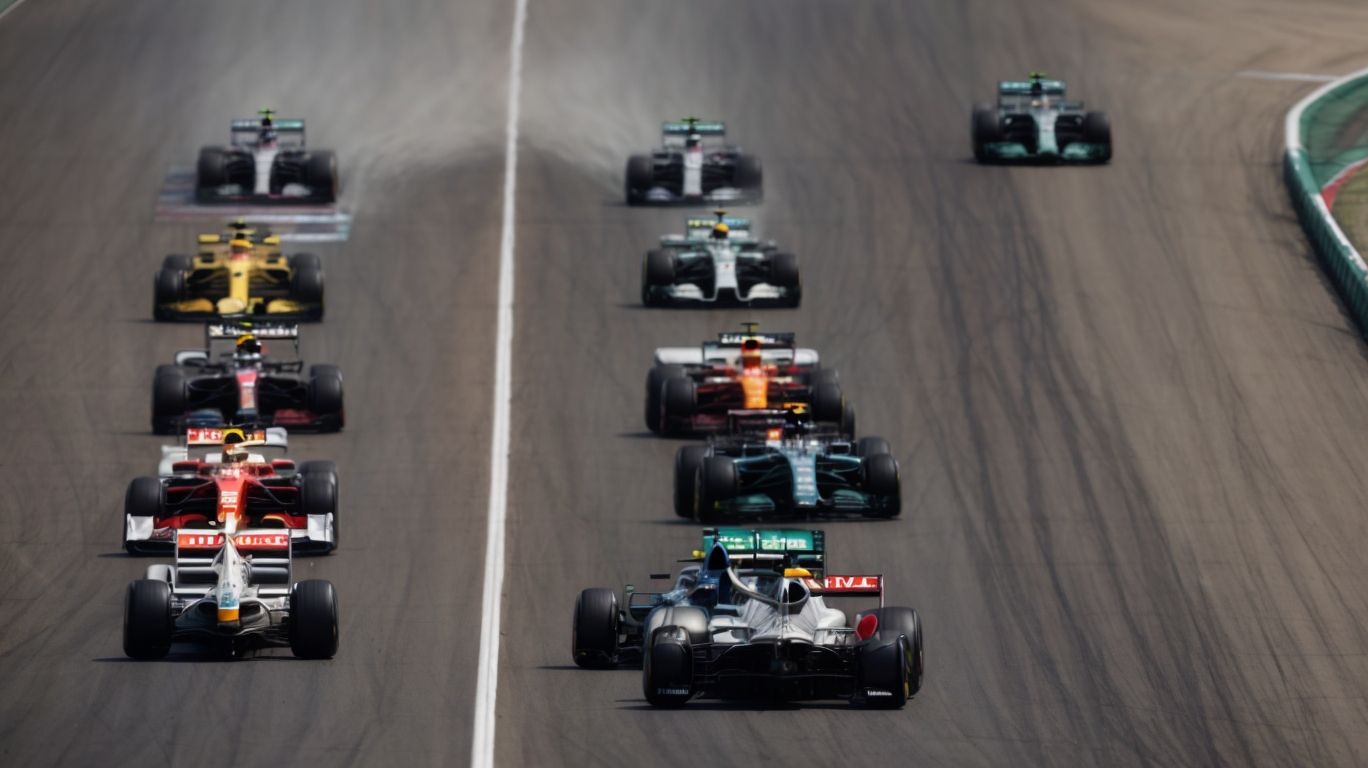
Do All F1 Drivers Come From F2?
Are you curious about the relationship between F1 and F2?
In this article, we explore the structure and purpose of both racing series.
We discuss whether all F1 drivers come from F2, the typical path for F1 drivers, and other racing series that can lead to F1.
We delve into the factors contributing to becoming an F1 driver, such as financial support, driver development programs, networking, talent, and skill.
Join us as we uncover the world of F1 and F2 racing!
Key Takeaways:
What is the Relationship Between F1 and F2?
The relationship between F1 and F2 is crucial in nurturing and developing talented drivers who aspire to compete at the highest level of motorsport.
F2 serves as a vital stepping stone for drivers aiming to ascend to Formula One due to the close alignment in core principles, focus on cutting-edge technological advancements, and fostering an intense competitive spirit that are synonymous between these two prestigious racing series.
Notable talents like George Russell and Charles Leclerc have successfully made the transition from F2 to F1, showcasing how the skills honed in the feeder series can translate to success in the pinnacle of motorsport.
Emerging victorious in the F2 championship acts as a definitive springboard for drivers, propelling them towards a potential F1 title and solidifying their status among the elite in the world of racing.
What is F2?
F2, officially known as the FIA Formula 2 Championship, is a premier racing series designed to cultivate young racing talents and provide them with a platform to showcase their skills on an international stage.
The FIA, or the Federation Internationale de l’Automobile, plays a crucial role in governing the championship, setting the standards for safety, fair play, and competition. With its stringent regulations and oversight, the FIA ensures that F2 races are not only thrilling but also safe for drivers and spectators alike. F2 has a long history of attracting top-tier drivers, many of whom have gone on to achieve success in Formula 1 and other elite racing competitions. The competitive nature of F2 races often leads to spectacular on-track battles, making it a favorite among motorsport enthusiasts.
What is the Purpose of F2?
The primary purpose of F2 is to identify and nurture exceptional driving talent, providing a structured pathway for aspiring racers to advance their careers and seize opportunities in the competitive realm of motorsport.
By acting as a talent incubator, F2 plays a crucial role in not just discovering young drivers but also in honing their skills and preparing them for the intense demands of professional racing. This championship serves as a proving ground where drivers can showcase their abilities in high-pressure environments, catching the eye of influential figures within the industry.
With a clear progression path towards Formula One, F2 acts as a stepping stone for promising talents, allowing them to gain valuable experience at a level just below the pinnacle of motorsport. This strategic positioning of F2 within the motorsport landscape creates a dynamic platform where young racers can attract the attention of top-tier teams and sponsors, propelling them towards achieving their ultimate goal of competing in Formula One.
How is F2 Structured?
F2 is structured around cutting-edge technology, high-performance cars, competitive teams, and the relentless pursuit of victory, creating a thrilling environment where drivers push the limits of speed and strategy.
In the realm of F2 racing, technological advancements play a pivotal role in shaping the performance of the cars. Advanced aerodynamics, sophisticated engine systems, and state-of-the-art materials contribute to the incredible speeds reached on the track. Engineering teams work tirelessly to optimize every aspect of the car, from suspension setups to tire compounds, seeking that competitive edge. The strategic elements come into play not only during races but also in the development and testing phases, where data analytics and simulations guide decision-making.
What is F1?
Formula One (F1) stands at the pinnacle of motorsport, renowned for its cutting-edge technology, stringent regulations, star-studded grid featuring top teams like Mercedes and Ferrari, and unparalleled performance standards.
At the heart of F1 lies a perfect blend of engineering marvels and human skill, where drivers like Charles Leclerc and George Russell showcase exceptional talent and determination. The sport’s constant pursuit of speed and precision pushes teams to innovate, from aerodynamics to hybrid power units, fostering a culture of excellence. The tight regulations not only challenge engineers to find the slightest edge but also enforce safety standards that ensure fierce competition on the track.
What is the Purpose of F1?
The primary purpose of Formula One (F1) is to crown the world’s best driver and team through a combination of cutting-edge technology, strategic prowess, and exceptional performance, culminating in the coveted championship title.
Advanced technology plays a pivotal role in F1, with teams constantly innovating to gain a competitive edge. From aerodynamics to hybrid power units, every aspect of the cars is meticulously designed for maximum performance. The strategic depth required to excel in races is immense, with split-second decisions and perfect execution being the difference between victory and defeat. Winning the championship is the ultimate goal in F1, driving teams and drivers to push their limits and showcase their skills on the track.
How is F1 Structured?
Formula One (F1) is meticulously structured around strict regulations governing the sport, a diverse array of competitive teams vying for supremacy on the grid, and a relentless pursuit of technological innovation to gain a competitive edge on the track.
The regulatory framework that oversees F1 races is overseen by the Fédération Internationale de l’Automobile (FIA), ensuring that safety standards, fair competition, and sporting integrity are maintained. Teams such as Mercedes, Ferrari, and Red Bull Racing bring together some of the brightest minds in engineering, design, and strategy to orchestrate their quest for victory.
Before each race, the grid is formed through a series of qualifying sessions, where drivers push their cars to the limit to secure the best starting positions. Technological advancements in areas such as data analytics and aerodynamics play a crucial role in enhancing the performance of F1 cars, enabling them to reach unprecedented speeds and cornering capabilities.
Pit strategies, informed by real-time data and simulations, are meticulously planned and executed during races, often determining the outcome of competitions. The synergy between man and machine, combined with strategic decision-making, elevates F1 racing to a pinnacle of sporting excellence where every millisecond matters.
Do All F1 Drivers Come From F2?
While many Formula One drivers, such as Mick Schumacher, Nyck de Vries, and Oscar Piastri, have emerged from F2, not all F1 racers follow this trajectory, showcasing diverse paths to reaching the pinnacle of motorsport.
Some drivers like Lewis Hamilton and Max Verstappen made their way into F1 through non-traditional routes, skipping F2 altogether. Hamilton’s early success in karting catapulted him directly into F1, while Max Verstappen’s exceptional performance in Formula 3 led to his rapid promotion to F1. These instances demonstrate that raw talent and exceptional skill can sometimes override the conventional progression through Formula 2.
The emergence of driver development programs, such as the Ferrari Driver Academy and the Red Bull Junior Team, has become a common pathway to groom young talents for the demanding world of Formula One. These programs provide a structured environment for drivers to hone their skills, gain crucial experience, and eventually secure seats in F1 teams.
What is the Typical Path for F1 Drivers?
The typical path for aspiring F1 drivers begins with karting at a young age, followed by intensive talent development programs, meticulous preparation, and a data-driven approach to honing skills on and off the track.
Starting their journey in karting provides young drivers with the fundamental skills necessary for the high-speed world of Formula 1. This grassroots level is where they learn the basics of racing, including handling, strategy, and racecraft. From there, talented individuals catch the eye of scouts and talent identification programs run by major racing teams and academies. These programs offer a gateway to professional motorsport, providing coaching, resources, and exposure.
As they advance, aspiring drivers commit themselves to rigorous physical and mental training routines to withstand the demands of driving at the pinnacle of motorsport. Endless hours are spent in the gym, on simulators, and analyzing data from past races to fine-tune their performance. The use of cutting-edge data analytics has become a cornerstone of driver development, helping them understand areas of improvement and optimize their approach.
Are There Exceptions to This Path?
While the traditional path to F1 involves intense competition, sponsorship opportunities, and strategic career planning, exceptions exist where drivers carve unique trajectories to secure their place in the future of motorsport.
Some drivers, like Fernando Alonso, broke into the F1 scene at a young age without following the typical progression through junior formulas. Alonso’s talent shone early, catching the attention of F1 teams and sponsors, catapulting him directly into the elite racing series. Similarly,
- Romain Grosjean
- Kevin Magnussen
managed to secure seats in F1 through unconventional routes such as alternative racing series, showcasing the diverse paths that can lead to success in the sport. The influx of drivers from varied backgrounds adds an element of unpredictability to the competitive landscape of Formula 1, challenging the established norms and creating opportunities for unique talents to thrive.
What Other Racing Series Can Lead to F1?
Plus F2, aspiring F1 drivers can pave their way through alternative racing series such as Formula 3, IndyCar, Formula E, and the World Endurance Championship, each offering unique challenges and opportunities.
Formula 3 serves as a crucial step before drivers transition to higher-level series, emphasizing the development of racecraft and technical skills. With competitive grids and close racing, Formula 3 tests drivers’ capabilities to adapt to different tracks and strategies.
On the other hand, IndyCar stands out for its high-speed oval racing, demanding immense bravery and precision from drivers. It offers a mix of road and street courses, providing a versatile platform for drivers to showcase their talents.
Formula E, known for its electric-powered cars, not only promotes sustainability but also challenges drivers to manage energy efficiently throughout races, adding a unique strategic element.
Meanwhile, the World Endurance Championship features endurance races with multiple drivers per team, requiring teamwork, consistency, and durability over long-distance events.
What is F3?
F3, also known as the FIA Formula 3 Championship, serves as a crucial stepping stone for young drivers looking to climb the motorsport ladder, compete for victories, and manage the escalating costs associated with professional racing.
As one of the key feeder series in the world of motorsport, F3 provides a platform for emerging talents to showcase their skills and gain valuable experience on their journey towards the upper echelons of racing. F3 plays a pivotal role in shaping the careers of aspiring drivers by offering a competitive environment where they can hone their craft, learn racecraft strategies, and prove their mettle against top-notch opposition.
The championship not only tests the abilities of drivers behind the wheel but also teaches them the importance of securing victories to advance in their careers. Success in F3 can open up doors to higher tiers of motorsport, such as Formula 2 and ultimately Formula 1, for those who demonstrate exceptional talent and determination.
What is IndyCar?
IndyCar stands as a prominent open-wheel racing series renowned for its high-performance drivers, stringent regulations, fierce competition, and thrilling on-track performances that captivate motorsport enthusiasts worldwide.
Each IndyCar race is a showcase of talent and technology, where drivers expertly maneuver their cars at breakneck speeds on diverse circuits ranging from ovals to road courses.
Notable races like the iconic Indianapolis 500 and the Long Beach Grand Prix add glamour and prestige to the calendar, drawing massive crowds and global TV audiences eager to witness the adrenaline-fueled battles on the track.
IndyCar’s regulatory framework ensures safety and fairness, with strict rules governing technical specifications, race procedures, and conduct on the track. Racing teams invest heavily in cutting-edge technology and aerodynamics to gain that crucial edge over competitors, pushing the boundaries of innovation in pursuit of victory.
What is Formula E?
Formula E represents the future of motorsport, combining cutting-edge technology, strategic racing, and a sustainable vision by featuring electric cars that race on urban street circuits worldwide.
One of the key technological advancements in Formula E cars is the regenerative braking system, which allows the vehicles to recover and store energy during braking. This innovative technology not only enhances the overall efficiency of the cars but also plays a crucial role in extending the battery life throughout the race.
Regarding the strategic considerations in Formula E, drivers and teams have to carefully manage their energy reserves. Balancing speed with energy consumption is a critical aspect of the races, where drivers need to find the optimal racing line and power mode to stay competitive without running out of energy before the finish line.
Formula E is not just about racing; it is about driving change in the world of motorsport. By promoting sustainable technologies and raising awareness about environmental issues, Formula E serves as a pioneer in shaping the future of environmentally conscious racing. With its unique blend of innovation, competition, and sustainability, Formula E is paving the way for a greener and more exciting future in motorsport.
What is the World Endurance Championship?
The World Endurance Championship offers a diverse racing experience across challenging tracks, demanding top-tier performance from drivers and teams, while presenting exciting opportunities for participants to showcase their skills and shape the future of endurance racing.
Drivers competing in the World Endurance Championship face a unique set of challenges, as they must not only possess exceptional driving skills but also demonstrate strategic planning, stamina, and teamwork to conquer the grueling races that often extend beyond 6 hours. The championship, which includes iconic events like the 24 Hours of Le Mans, serves as a breeding ground for innovation in technology and racecraft.
Endurance racing demands not only speed but also consistency, adaptability, and resilience – qualities that set it apart from other forms of motorsport. Participants in the championship are constantly pushed to their limits, both mentally and physically, requiring a deep understanding of vehicle dynamics, fuel management, tire wear, and race strategy.
What Other Factors Contribute to Becoming an F1 Driver?
Becoming an F1 driver requires a combination of financial support, participation in driver development programs, effective networking, and the demonstration of exceptional talent both on and off the track.
Securing financial backing is often a significant obstacle for aspiring drivers, as the costs associated with competing at the highest level of motorsport are substantial. Plus personal financial resources, sponsorship deals and partnerships with companies are crucial to fund the expensive equipment, travel, and team support needed in Formula 1.
Engaging in structured driver development initiatives is another key aspect. Many drivers start their careers in karting or junior formula series before moving up the ranks. Programs offered by F1 teams or development academies provide valuable coaching, training, and exposure to the competitive landscape of professional racing.
Building professional networks within the motorsport industry is essential for gaining visibility and opportunities. Establishing relationships with team principals, race engineers, sponsors, and other key figures can open doors for testing sessions, reserve driver positions, or even race seats in F1.
Showcasing exceptional talent through consistent performance is ultimately what sets successful drivers apart. Consistency in delivering strong results, adapting to different tracks and conditions, and handling pressure with grace are all crucial attributes that attract the attention of team owners and talent scouts.
Financial Support
Financial support plays a pivotal role in the journey to F1, with sponsors, teams, and investors providing crucial funding to cover the exorbitant costs associated with racing at such high speeds and in intensely competitive environments.
Given the substantial investment required for cutting-edge technology, aerodynamics, engineering teams, and high-performance equipment, financial support becomes a lifeline for F1 aspirants striving to excel in the world of motorsport. Securing sustainable funding is not just about securing one-time deals but establishing long-term partnerships that can ensure the stability and growth of a team. This support not only impacts the design and development of the cars but also plays a key role in securing top-tier drivers who can elevate a team’s performance on the track.
Driver Development Programs
Driver development programs offered by F1 teams and academies play a vital role in identifying and nurturing talented individuals, providing them with the necessary preparation, strategic guidance, and mentoring to excel in the competitive world of motorsport.
These programs serve as a cornerstone for aspiring drivers, offering a structured pathway towards professional racing careers. Through rigorous training regimens, simulation exercises, and access to state-of-the-art facilities, participants are immersed in a high-performance environment that simulates the pressures of top-tier racing.
- Driver academies, such as the Red Bull Junior Team or the McLaren Young Driver Program, are instrumental in honing the skills of young talents through close mentorship by experienced drivers and coaches.
Networking and Connections
Networking and establishing valuable connections within the motorsport industry can significantly impact an aspiring F1 driver’s career trajectory, providing access to sponsors, competitive opportunities, and a clear pathway to advancement in the sport.
These connections can serve as gateways to crucial sponsorships that are essential for funding a driver’s career progression. By developing relationships with industry insiders and seasoned professionals, aspiring drivers gain valuable insights, mentorship, and potential career opportunities. Collaborating with experienced individuals can also offer unique learning experiences and exposure to different facets of the sport, contributing to a well-rounded skill set and enhanced marketability.
Leveraging networks can help navigate the intricacies of motorsport, such as understanding contractual agreements, negotiating deals, and maximizing exposure. With the right connections, drivers can access strategic pathways that lead to coveted positions within competitive teams, shaping their journey towards achieving success in the ultra-competitive world of Formula 1.
Skill and Talent
The core foundation of every successful F1 driver lies in their innate talent, honed skills, competitive spirit, and strategic acumen that enable them to navigate high-speed races, fierce competition, and strategic maneuvers on the track.
Formula One drivers are not just individuals behind the wheel; they are masterful technicians honing their craft to perfection. Their speed is unmatched, pushing the limits of what seems achievable. Alongside their raw talent, these drivers possess an exceptional ability to analyze every aspect of their racing strategy, from tire management to aerodynamics, in milliseconds.
It’s not merely about speed; it’s about outthinking, outmaneuvering, and outpacing opponents in every twist and turn of the race. Only through dedication, practice, and an unwavering commitment to excellence can these drivers dominate the intensely competitive world of F1.
Conclusion
The journey to becoming an F1 driver is a dynamic and multifaceted process that requires dedication, talent, strategic planning, and seizing opportunities that pave the way for a promising future within the world of motorsport.
One of the pivotal aspects in the quest for success in Formula One lies in the attainment of superlicenses. These licenses not only grant access to compete in F1 but also serve as a testament to a driver’s skill and commitment. Securing a superlicense is a significant milestone, opening doors to a world of possibilities within the realm of professional racing.
Aspiring F1 drivers have a myriad of pathways to explore, from karting championships to junior formula series, each offering unique challenges and learning opportunities. Making strategic decisions at each juncture, such as selecting the right teams and competitions to participate in, plays a crucial role in shaping a driver’s career trajectory.
Frequently Asked Questions
Do All F1 Drivers Come From F2?
Are all Formula 1 drivers required to come from Formula 2?
No, it is not a requirement for all F1 drivers to come from F2. Some drivers may come from other racing series or have no prior experience in F2.
Do All F1 Drivers Come From F2?
Are there any current F1 drivers who did not come from F2?
Yes, there are currently several F1 drivers who did not come from F2. They may have come from other racing series or had a different path to F1.
Do All F1 Drivers Come From F2?
Is F2 the only path to become an F1 driver?
No, F2 is not the only path to become an F1 driver. Some drivers may come from lower racing series, while others may have connections or sponsorships that help them enter F1 directly.
Do All F1 Drivers Come From F2?
Does having experience in F2 give a driver an advantage in F1?
Not necessarily. While F2 allows drivers to gain experience and showcase their skills, it is not a guarantee for success in F1. Many factors, such as car performance and team dynamics, also play a role in a driver’s success in F1.
Do All F1 Drivers Come From F2?
Are F2 drivers automatically promoted to F1?
No, F2 drivers are not automatically promoted to F1. They still need to showcase their skills and attract the attention of F1 teams in order to receive a seat in the top racing series.
Do All F1 Drivers Come From F2?
Are there any successful F1 drivers who never competed in F2?
Yes, there are several successful F1 drivers who did not compete in F2. Some drivers may have started in lower racing series or had a different path to F1, yet still achieved great success in the top racing series.


