
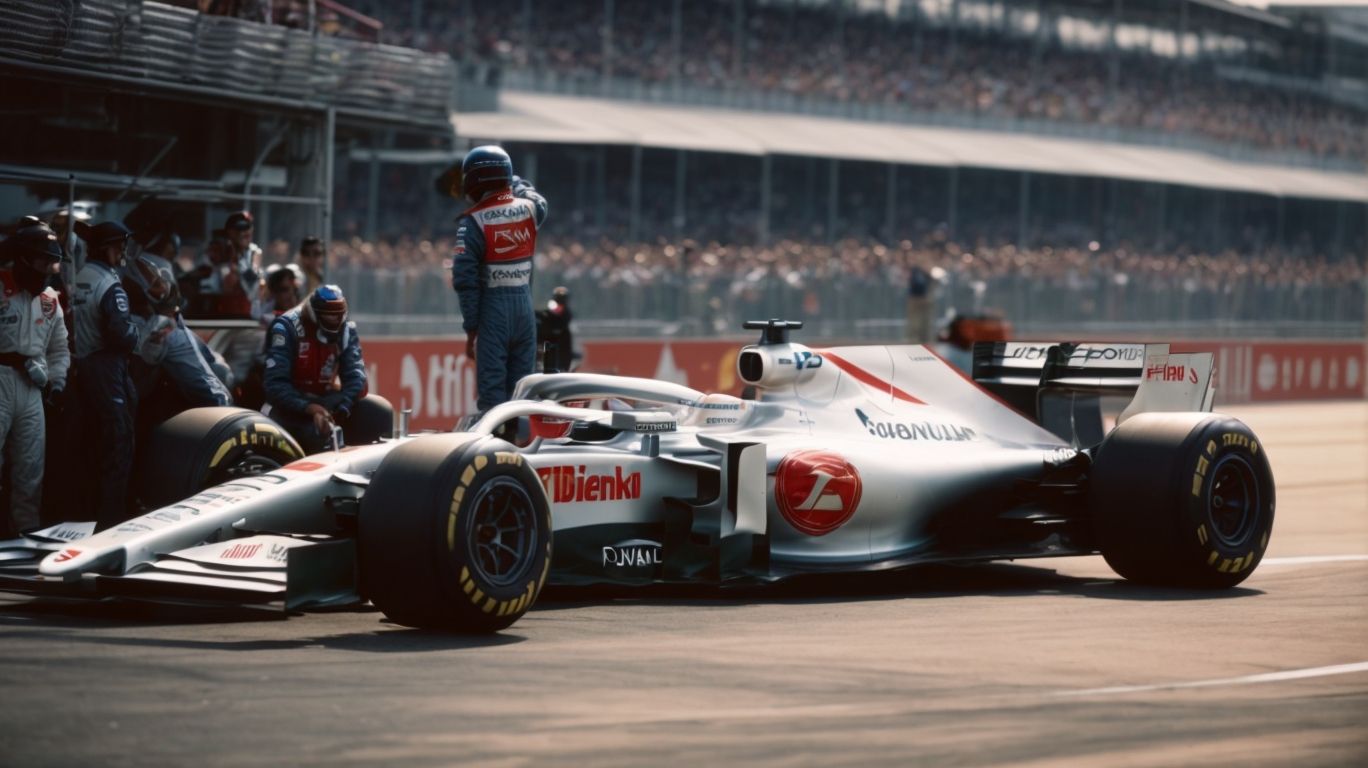
What Do F1 Drivers Wear?
Have you ever wondered what Formula 1 drivers wear during races, practice sessions, and even non-race events?
From the high-speed races on the track to the press conferences and award ceremonies off the track, F1 drivers are always dressed to impress.
We will explore the different gear and attire worn by F1 drivers, including the purpose of race suits, the materials they are made of, and why drivers wear different gear during practice and qualifying sessions.
Let’s take a closer look at what goes into the wardrobe of these elite athletes.
Key Takeaways:
What is F1 Racing?
Formula 1 (F1) racing is the highest class of single-seater auto racing sanctioned by the Fédération Internationale de l’Automobile (FIA), featuring the world’s best drivers competing in technologically advanced race cars.
Originally established in 1950, Formula 1 has evolved into a global phenomenon, captivating millions of fans worldwide with its thrilling races and iconic circuits like Monaco, Silverstone, and Monza.
The championship is renowned for its intense rivalries, historic moments, and cutting-edge engineering innovations that continuously push the boundaries of speed and performance.
Drivers in Formula 1 are considered elite athletes, showcasing exceptional skill, precision, and bravery as they navigate high-speed corners and challenging circuits.
The FIA plays a crucial role in ensuring safety, fairness, and technical regulations within the sport, overseeing the prestigious Grand Prix events that determine the world champion.
What are the Requirements for F1 Drivers?
For aspiring Formula 1 drivers, meeting specific requirements is essential, including obtaining a Super Licence, adhering to age limits, and complying with rigorous safety regulations and demanding travel schedules.
For secure a coveted Super Licence, drivers must have accumulated a set number of points in specified championships over the previous three seasons. They must be at least 18 years old, showcasing a level of skill and professionalism that ensures their readiness for the high speeds and intense competition of Formula 1 circuits.
Age restrictions serve to safeguard the well-being of drivers, recognizing the physically and mentally demanding nature of the sport. Safety protocols are meticulously implemented to minimize risks, with drivers undergoing extensive training and conditioning to handle the demands of fast-paced races.
What are the Physical Requirements for F1 Drivers?
F1 drivers must maintain peak physical condition to endure the high speeds and G-forces experienced during races, with considerations for weight management, safety equipment like helmets, gloves, and shoes, to ensure optimal performance and safety on the track.
Weight management is crucial for F1 drivers as a lighter weight can enhance the car’s performance. The safety gear worn by drivers, such as biometric gloves and specialized helmets, plays a vital role in protecting them from potential injuries in case of accidents.
Regarding footwear, F1 drivers rely on shoes made of lightweight, durable materials that offer grip and sensitivity to feel the pedals’ feedback. These specialized shoes are designed to enhance the driver’s connection with the car, allowing for precise control and swift responses during high-speed maneuvers.
What are the Mental Requirements for F1 Drivers?
Along with physical prowess, F1 drivers must possess exceptional mental fortitude to navigate the intense pressures, safety concerns, and demanding travel schedules inherent in the sport, requiring unwavering focus, resilience, and the ability to manage stress effectively.
One of the key aspects of mental fortitude for F1 drivers is their ability to undergo rigorous mental training programs that help them strengthen their focus and maintain concentration levels during high-stress situations on the track. By employing various coping strategies and techniques recommended by performance psychology experts, drivers can enhance their mental resilience and remain composed under immense pressure. This mental resilience not only aids in making split-second decisions during races but also ensures drivers can effectively manage the mental and emotional toll that comes with competing at the pinnacle of motorsport.
What Do F1 Drivers Wear During Races?
During races, F1 drivers don a specialized racing suit, helmet, Nomex fireproof undergarments, gloves, and shoes, all designed to provide maximum protection and enhance performance on the track.
The helmet is one of the most critical components of an F1 driver’s attire, safeguarding their head from potential impacts during high-speed races. Made from advanced materials like carbon fiber and equipped with visors to shield the eyes from debris and wind, helmets also feature air vents for ventilation and communication systems for team coordination.
The Nomex fireproof undergarments worn by drivers act as a crucial layer of defense against fire hazards, as they are designed to resist flames and provide valuable seconds in case of a fire incident. These undergarments, made of aramid fibers, offer exceptional heat and flame resistance while maintaining comfort and breathability for the driver.
Racing gloves serve multiple purposes, enhancing grip on the steering wheel and gear shifts, providing protection to the hands in case of impact, and offering an additional layer of fire resistance. Crafted from durable materials like leather and featuring anti-slip technology, these gloves are tailored to each driver’s specific preferences and needs, ensuring optimal performance and safety on the track.
What is the Purpose of the Race Suit?
The race suit worn by F1 drivers serves as a crucial safety feature, offering protection from fire and abrasions, while tear-offs on the visor help maintain visibility, although issues like tear-offs problems can pose challenges during races.
Race suits in Formula 1 are meticulously designed to be more than just flashy attires; they are engineered to protect the drivers in the event of high-speed crashes or fire emergencies. Constructed from advanced fire-resistant materials such as Nomex, these suits act as a second skin that shields the drivers from extreme heat and potential impact. The incorporation of tear-offs on the helmet visor ensures that drivers have a clear line of sight amidst the chaos of the race, swiftly peeling away dirty layers that could obstruct their vision.
What Materials are Race Suits Made of?
Race suits in Formula 1 are crafted from advanced materials like Nomex, providing exceptional fire resistance and durability, while gloves and shoes are also designed with safety and performance in mind.
Formula 1 race suits, known for their high-tech construction, are typically made of multiple layers of specialized fabrics to ensure maximum protection for drivers in the event of a fire. Nomex, a synthetic material developed by DuPont, is a popular choice due to its ability to withstand high temperatures without melting or igniting.
Along with the race suits, safety is paramount in every aspect of an F1 driver’s attire. Gloves are often made from flame-retardant materials like aramid fibers, offering crucial protection for the hands in case of a fire-related incident. Similarly, shoes used in Formula 1 are not only designed for optimal performance on the track but are also equipped with fire-resistant materials to safeguard the driver’s feet.
Brands like Sparco and Puma are at the forefront of developing innovative safety gear for F1 drivers, continually pushing the boundaries of material technology to enhance both safety and performance. These companies work in close collaboration with FIA safety regulations to meet stringent standards and ensure that drivers are well-protected in all racing conditions.
Do F1 Drivers Wear Undergarments with their Race Suits?
F1 drivers wear specialized fireproof undergarments beneath their race suits to provide an additional layer of protection, enhancing safety measures and mitigating the risks associated with high-speed racing.
These undergarments are designed to not only protect the driver in case of fire incidents but also to reduce friction between the skin and the outer suit, allowing for better mobility and comfort during long races.
Advancements in technology have led to the incorporation of biometric gloves that can monitor the driver’s vital signs and body temperature, ensuring optimum performance while racing.
The innovative safety features in these undergarments are crucial elements in the overall safety gear ensemble of an F1 driver, contributing significantly to their confidence and focus on the track.
What Other Protective Gear Do F1 Drivers Wear?
Along with race suits and undergarments, F1 drivers utilize advanced helmets equipped with the HANS system, adhering to stringent safety regulations to ensure maximum head protection and reduce the risk of injuries in high-impact scenarios.
Helmets are a crucial component of a driver’s safety gear, designed with cutting-edge technology to withstand the immense forces experienced during high-speed races. These helmets are constructed using lightweight materials yet incredibly durable to provide the necessary protection. They feature impact-absorbing layers and advanced visor systems to shield the driver’s face from debris and wind forces. The integration of a High-Angle New Style (HANS) system further enhances safety by reducing the risk of head and neck injuries in crashes by minimizing excessive movement and distributing forces evenly over the neck. This safety innovation has revolutionized the way drivers are protected, and its effectiveness is well-documented in preventing serious head trauma.
What Do F1 Drivers Wear During Practice and Qualifying Sessions?
During practice and qualifying sessions, F1 drivers typically wear similar gear to race days, including racing suits, helmets, gloves, and shoes, albeit with certain adjustments for comfort and flexibility during these specific sessions.
While the racing suits remain consistent for safety reasons, some drivers may opt for slightly lighter versions or ones with additional ventilation to handle the intense physical demands of the practice sessions. Racing helmets are a crucial element of the gear, customized to each driver’s head shape and often featuring aerodynamic designs specific to their team. Over the years, advancements in technology have allowed for lighter and more streamlined helmet designs, aiding in aerodynamic efficiency.
Do F1 Drivers Wear the Same Gear During Practice and Qualifying Sessions?
While F1 drivers maintain a similar gear setup for practice and qualifying sessions as race days, minor adjustments may be made to enhance comfort and flexibility, ensuring optimal performance during these critical stages of the race weekend.
During practice and qualifying rounds in Formula 1, drivers carefully assess their gear selection to achieve the perfect balance between speed and control. The gear ratio is crucial in optimizing acceleration and top speed while navigating the twists and turns of the track. Comfort modifications, such as seat positioning and pedal adjustments, play a vital role in enabling drivers to focus solely on their performance. Consistency across different sessions is key, as drivers aim to fine-tune their skills and familiarize themselves with the track conditions, all while considering the demanding travel logistics and meticulous race preparation involved.
Why Do F1 Drivers Wear Different Gear During Practice and Qualifying Sessions?
F1 drivers opt for varying gear setups during practice and qualifying sessions to address specific performance needs, adapt to changing track conditions, and fine-tune their equipment for optimal speed and control, reflecting the strategic nuances of each session.
During practice rounds, drivers may experiment with different gear ratios to find the ideal balance between acceleration and top speed on different sections of the track. These adjustments are crucial as they aim to extract the maximum performance from their vehicles while navigating through numerous corners and straightaways.
Car setups play a vital role in determining the effectiveness of gear ratios, influencing how power is delivered and distributed to the wheels across various scenarios.
What Do F1 Drivers Wear During Non-Race Events?
At non-race events like press conferences, sponsorship engagements, and award ceremonies, F1 drivers adopt a more formal attire, showcasing team branding, sponsor partnerships, and personal style while maintaining a professional and polished image.
During press conferences, F1 drivers often opt for tailored suits in team colors or attire that reflects their personal style, emphasizing sophistication and professionalism.
At sponsorship commitments, they elegantly display sponsor logos on smart casual outfits, striking a balance between corporate representation and personal flair.
For celebratory occasions like trophy presentations, drivers usually don sharp tuxedos or formal suits, radiating confidence and gracefulness on camera. These appearances also present opportunities for brand endorsements, where outfits play a vital role in aligning with sponsor aesthetics and creating a cohesive branding message.
What Do F1 Drivers Wear During Press Conferences?
During press conferences, F1 drivers opt for sophisticated attire that reflects team branding and personal style, projecting a professional image while engaging with media and fans in a polished and presentable manner.
It is crucial for the drivers to strike a balance between representing their respective teams and showcasing their individual fashion sense. The outfits they choose during these events often incorporate subtle team colors or logos to maintain a visual connection with their racing entities without compromising on their personal style. This sartorial choice not only conveys professionalism but also reinforces their commitment to their team’s values and ethos. Their attire plays a significant role in building a strong personal brand and making a lasting impression on fans and sponsors alike.
What Do F1 Drivers Wear During Sponsorship Events?
For sponsorship events, F1 drivers showcase attire that prominently displays sponsor logos, aligns with brand aesthetics, and reinforces the visual identity of partner collaborations, demonstrating a commitment to sponsor relationships and brand representation.
These clothing choices are carefully curated to reflect the endorsement deals signed by the drivers, ensuring that the logos of key sponsors are strategically placed for maximum visibility and impact. By integrating sponsor branding seamlessly into their outfits, drivers not only fulfill contractual obligations but also contribute to the overall marketing strategies of the sponsoring companies.
The attention to detail in their attire, from the color coordination to the positioning of logos, plays a significant role in maintaining brand alignment and visual coherence, thus enhancing the professional image during events and creating a cohesive visual narrative that resonates with fans and partners alike.
What Do F1 Drivers Wear During Award Ceremonies?
During award ceremonies, F1 drivers dress elegantly in formal attire to receive trophies, celebrate achievements, and exude sophistication, embodying the spirit of victory and excellence in the presence of fellow competitors, team members, and fans.
Their style choices at these events often reflect their success on the track, with tailored suits, crisp shirts, and polished shoes forming a key part of their aesthetic. The championship victories and numerous podium finishes that they proudly showcase evoke a sense of accomplishment and distinction. Post-race celebrations see these drivers at their sartorial best, epitomizing the perfect blend of athleticism and grace in their appearances.
Frequently Asked Questions
What Do F1 Drivers Wear?
Do F1 drivers wear special clothing while racing?
Yes, F1 drivers wear specialized clothing designed for safety and performance.
What Do F1 Drivers Wear?
What is the purpose of the clothing worn by F1 drivers?
The clothing worn by F1 drivers serves multiple purposes, including fire protection, aerodynamics, and branding.
What Do F1 Drivers Wear?
Are F1 drivers required to wear a specific uniform?
Yes, F1 drivers must wear a uniform consisting of a race suit, gloves, boots, and a helmet.
What Do F1 Drivers Wear?
What materials are used to make F1 driver’s race suits?
F1 race suits are made from fire-resistant materials such as Nomex, which can withstand extreme temperatures.
What Do F1 Drivers Wear?
Do F1 drivers wear different race suits for different weather conditions?
Yes, F1 drivers may wear different race suits depending on the weather conditions, such as a lighter suit for hot races and a thicker suit for colder races.
What Do F1 Drivers Wear?
Do F1 drivers wear any safety equipment under their race suits?
Yes, F1 drivers wear fire-resistant undergarments, such as a balaclava and socks, for an added layer of protection.


