What is F1 Hybrid Era?
The F1 Hybrid Era has transformed the world of Formula 1 racing, introducing new technologies and regulations that have shaped the sport in recent years.
From the introduction of turbocharged engines to the implementation of energy recovery systems, the F1 Hybrid Era has brought about significant changes that have both benefited and critiqued by fans and experts alike.
In this article, we will explore the origins of the F1 Hybrid Era, its impact on the sport, and what the future may hold for Formula 1 racing.
Key Takeaways:
What is F1 Hybrid Era?
The F1 Hybrid Era refers to a significant period in Formula One racing characterized by the integration of advanced hybrid technology into the power units of the race cars.
During this era, the hybrid technology revolutionized the sport by not only enhancing the cars’ performance but also promoting sustainability and efficiency. The implementation of hybrid power units allowed for greater energy recovery during braking, resulting in increased power output and improved fuel efficiency. This shift towards hybrid technology marked a pivotal moment in the evolution of Formula One, showcasing the sport’s commitment to innovation and environmental responsibility.
When Did the F1 Hybrid Era Begin?
The F1 Hybrid Era began in Formula One during a revolutionary period when hybrid technology was introduced to redefine the power units of the race cars.
This pivotal change took place in 2014, with the introduction of the new power unit regulations in Formula One. The shift towards hybrid technology not only aimed to make the sport more environmentally conscious but also to enhance the performance and efficiency of the cars on the track. This marked a significant departure from the traditional V8 engines to the more advanced and eco-friendly V6 turbo hybrid power units used today. The integration of hybrid systems in the power units brought about a new era of competitiveness and technological innovation in Formula One, captivating both fans and engineers alike.
What Are the Changes in F1 During the Hybrid Era?
The F1 Hybrid Era brought about significant changes in Formula One racing, including the introduction of turbocharged engines, implementation of Energy Recovery Systems (ERS), and the dominance of manufacturers like Mercedes, Ferrari, and Red Bull.
These alterations revolutionized the sport, with the turbocharged engines offering a blend of power and efficiency that pushed drivers to adapt their driving techniques. The integration of ERS systems added another layer of complexity, requiring teams to master energy management strategies to optimize performance on the track. Mercedes, Ferrari, and Red Bull emerged as powerhouses during this era, showcasing engineering prowess and technological innovations that set new standards for competition in Formula One.
Introduction of Turbocharged Engines
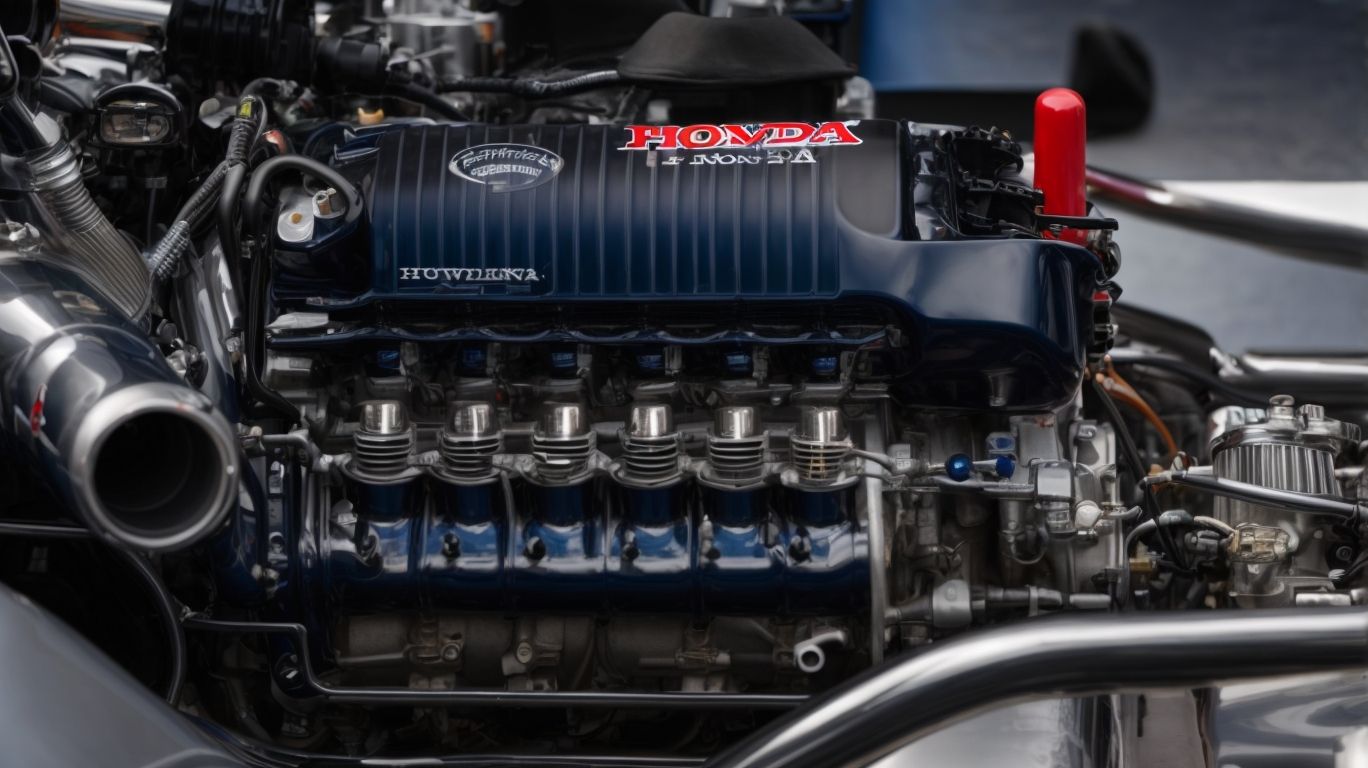
The introduction of turbocharged engines in Formula One marked a pivotal shift from traditional V8 engines to more efficient and powerful V6 engines.
This transition represented a significant technological leap in the world of motorsport, as the V6 engines offered a perfect balance between power and fuel efficiency. The use of turbochargers allowed for increased power outputs while maintaining relatively smaller engine sizes. This change not only improved the overall performance of the cars but also challenged the engineering prowess of teams to optimize the design and performance of these engines.
- One of the most notable advantages of V6 turbocharged engines was their improved torque delivery, providing drivers with enhanced acceleration out of corners, crucial in Formula One where every millisecond counts.
- The shift to V6 engines also led to advancements in hybrid technology, as teams started incorporating energy recovery systems to further boost power and efficiency.
- The reduced fuel consumption of V6 turbocharged engines aligned with Formula One’s sustainability goals, promoting a more environmentally friendly approach to racing.
Implementation of Energy Recovery Systems
The implementation of Energy Recovery Systems (ERS) in Formula One revolutionized the sport by integrating hybrid technology to enhance power output and fuel efficiency.
ERS systems play a crucial role in the overall optimization of a race car’s power unit. By converting kinetic energy generated during braking into usable electrical energy, ERS systems provide an extra boost of power for acceleration, ultimately improving the car’s performance on the track. This innovative technology not only increases efficiency by reducing fuel consumption, but it also adds an exciting element to the strategic aspect of racing as teams strive to maximize their ERS usage for a competitive edge.
Restriction on Fuel Usage
Fuel usage restrictions imposed during the F1 Hybrid Era aimed to optimize power unit efficiency, enhance race strategies, and promote sustainability in Formula One racing.
These regulations set limits on the amount of fuel each car could consume per race, forcing teams to devise innovative fuel-saving techniques and strategic fuel management. This not only challenged the engineers to develop more efficient power units but also added an intriguing tactical element to races, where teams had to balance performance with fuel conservation.
The emphasis on fuel efficiency aligned with broader sustainability initiatives in motorsport, showcasing Formula One’s commitment to reducing its environmental impact. The Hybrid Era marked a significant shift towards greener technology and raised awareness about the importance of sustainability in the highly competitive world of racing.
Introduction of Hybrid Power Units
The introduction of hybrid power units in Formula One ushered in a new era of performance, blending traditional combustion engines with cutting-edge hybrid technology for enhanced power and efficiency.
This hybrid technology has not only revolutionized the power output of Formula One cars but also significantly impacted their overall performance on the track. By combining the instantaneous torque delivery of electric engines with the raw power of combustion engines, teams have been able to achieve unprecedented levels of acceleration and speed.
The integration of hybrid power units has forced teams to push the boundaries of engineering, leading to advancements in energy recovery systems, aerodynamics, and overall vehicle design. This technological evolution has not only made the sport more exciting for fans but has also become a testing ground for future road car innovations.
What Are the Benefits of the F1 Hybrid Era?
The F1 Hybrid Era has brought about numerous benefits to Formula One, including increased efficiency, enhanced performance, and the integration of cutting-edge technology into race car design.
This era marks a significant shift towards sustainability and environmental consciousness in the sport. With the introduction of hybrid power units, teams have been able to maximize fuel efficiency without compromising on speed and power. The development of energy recovery systems has not only made the cars faster but also more environmentally friendly. The focus on hybrid technologies has paved the way for advancements in road car technologies, creating a positive ripple effect beyond the race track.
Increased Efficiency and Sustainability
The F1 Hybrid Era has led to increased efficiency and sustainability in Formula One, with advancements in power output and fuel utilization driving a more environmentally conscious approach to racing.
One of the key benefits of the F1 Hybrid Era is the significant increase in power output achieved through the combination of internal combustion engines and energy recovery systems. This not only enhances the overall performance of the cars on the track but also showcases technological advancements that can be applied to the mainstream automotive industry. The emphasis on fuel efficiency has not only reduced the environmental impact of Formula One racing but has also paved the way for more sustainable practices within the sport.
Improved Performance and Speed
The F1 Hybrid Era has significantly improved performance and speed in Formula One races, showcasing the technological advancements that have enhanced the competitiveness and excitement of the sport.
These advancements have revolutionized the way cars are designed and operated on the track, resulting in quicker lap times and more thrilling races. The incorporation of hybrid power units has not only increased speeds but also promoted sustainability in Formula One, aligning with the global push towards environmental consciousness. The implementation of energy recovery systems has introduced a strategic element to racing, where drivers must manage their power usage throughout a race, adding a new layer of complexity and excitement to the sport.
Cost Reduction for Teams
The F1 Hybrid Era has brought about cost reduction benefits for teams in Formula One, promoting financial sustainability and encouraging competitive balance across the championship.
“
With the introduction of hybrid power units, teams have seen a significant decrease in operational costs, particularly in terms of fuel consumption and engine development. By maximizing the efficiency of the power units, teams have been able to stretch their budgets further, allocating resources to other critical areas such as aerodynamics and chassis development. This shift has not only enhanced the overall competitiveness of the championship but also fostered innovation and technological advancements within the sport.
What Are the Criticisms of the F1 Hybrid Era?
Despite its advancements, the F1 Hybrid Era has faced criticisms related to controversial issues, technological complexities, and concerns regarding the impact on race dynamics.
One of the main criticisms of the F1 Hybrid Era is centered around the environmental impact of the hybrid engines. While they are more fuel-efficient and technologically advanced, some argue that the focus on hybrid technology takes away from the traditional essence of raw power and sound that fans associate with Formula One racing. The high costs associated with developing and maintaining these complex power units have led to concerns about the financial sustainability of smaller teams, further widening the gap between the top teams and the rest of the grid.
Lack of Engine Sound
One of the key criticisms faced by the F1 Hybrid Era is the perceived lack of engine sound, with traditional enthusiasts expressing concerns over the quieter and less visceral auditory experience.
This shift has sparked debates among fans and critics alike, who argue that the thunderous roar of the previous era’s engines added a unique character that is now missing.
While advancements in hybrid technology have undoubtedly propelled Formula One into a more sustainable future, some argue that this has come at the cost of sacrificing the raw, ear-splitting noise that has long been synonymous with the sport.
The essence of Formula One racing, many believe, has been diminished by this shift towards quieter, more environmentally friendly power units.
Complexity of Technology
The complexity of technology introduced during the F1 Hybrid Era has been a subject of criticism, with concerns raised over the intricate systems, software integration, and maintenance challenges posed to teams.
Teams in Formula 1 have faced a monumental task in adapting to the cutting-edge technology brought in by the Hybrid Era. These advanced systems require a high level of precision and expertise to operate efficiently, pushing teams to constantly refine their technical skills and knowledge base. The intricate software integration further adds to the complexity, demanding seamless communication between various components for optimal performance.
Technical staff have been under immense pressure to stay ahead of the curve, ensuring that the intricate systems function harmoniously to extract every bit of performance from the cars. This strong emphasis on technology has shaped a new era in F1 where continuous innovation and adaptability are keys to success.
Dominance of Certain Teams
The dominance of certain teams during the F1 Hybrid Era has raised concerns over competitive balance, team performance differentials, and the impact on the overall championship outcomes.
Many F1 enthusiasts have expressed frustration at the apparent lack of parity amongst the teams, which has led to a predictable pattern of results. Critics argue that the dominance of a few select teams not only reduces the excitement and unpredictability of races but also undermines the competitive spirit of the sport.
This imbalance in performance has also sparked debates about the influence of financial resources and technological advantages, with some suggesting that certain teams have an unfair advantage over others.
How Has the F1 Hybrid Era Affected the Sport?
The F1 Hybrid Era has had a profound impact on Formula One, influencing technical debates, race performances, and the strategic utilization of tire compounds to enhance competitiveness.
One of the key aspects of the F1 Hybrid Era is the continuous evolution of car designs to optimize energy efficiency and performance. This era has sparked intense discussions among teams and fans alike regarding the balance between traditional combustion engines and electric power sources, pushing technological boundaries in the quest for speed and sustainability. Tire compounds have become a critical element in race strategies, with teams meticulously analyzing data to determine the most effective tire choices for varying track conditions. The era has ushered in a new era of strategic decision-making and heightened competition on the F1 circuit.
Changes in Racing Strategy
The F1 Hybrid Era has spurred significant changes in racing strategy, leading to increased performance optimizations, strategic unpredictability, and varied approaches to race tactics.
Teams in Formula One have honed their skills to adapt swiftly to the evolving dynamics of the sport, leveraging advanced technologies and strategic maneuvers to gain a competitive edge. The hybrid engines introduced during this era have forced teams to explore new ways of managing power delivery, fuel efficiency, and overall race pace, resulting in a strategic revolution on the track. This era has unveiled a spectrum of diverse race tactics, from aggressive overtaking maneuvers to strategic pit stop decisions, keeping fans on the edge of their seats with the thrilling unpredictability of each race.
Impact on Driver and Team Championships
The F1 Hybrid Era has reshaped driver and team championships in Formula One, with podium finishes, championship standings, and race outcomes reflecting the evolving competitive landscape of the sport.
The introduction of hybrid power units in Formula One marked a significant shift in technical innovation and performance. Teams and drivers had to adapt to the new regulations, which not only influenced the car designs but also impacted race strategies and overall competitiveness. With the focus on hybrid technology, teams with stronger resources and development capabilities gained an edge in the championship battles, while driver skill remained crucial to achieving consistent podium finishes. This era highlighted the importance of a well-rounded approach to racing, balancing technical prowess with on-track performance.
What Does the Future Hold for the F1 Hybrid Era?
The future of the F1 Hybrid Era holds exciting prospects for Formula One, with ongoing advancements in technology, performance enhancements, and the potential for further innovations to drive the sport forward.
With a strong focus on sustainability, the anticipated trajectory of the F1 Hybrid Era in Formula One is set to revolutionize the sport in unprecedented ways. From advancements in energy recovery systems to the integration of hybrid power units, the future promises unparalleled levels of efficiency and performance on the racetrack. Fans can expect to witness cars that are not only faster but also more environmentally friendly, as heightened competition pushes teams to push the boundaries of what is technologically possible. The F1 Hybrid Era is not just about racing; it’s about innovation, pushing the boundaries of engineering, and setting new standards for the automotive industry as a whole.
Frequently Asked Questions
What is F1 Hybrid Era?
The F1 Hybrid Era refers to a specific period in Formula One (F1) racing, which began in 2014 and is ongoing. It is characterized by the use of hybrid power units, incorporating both internal combustion engines and energy recovery systems.
How did the F1 Hybrid Era come about?
The F1 Hybrid Era was introduced in response to global concerns about climate change and the need for more sustainable forms of transportation. As a result, the Fédération Internationale de l’Automobile (FIA) made significant changes to the F1 regulations, promoting the use of hybrid technology in the sport.
What are the main features of the F1 Hybrid Era?
The main features of the F1 Hybrid Era include the use of 1.6-liter V6 turbocharged engines, supplemented by energy recovery systems such as the Kinetic Energy Recovery System (KERS) and the more advanced Hybrid Energy Recovery System (ERS). These systems allow for greater efficiency and reduced fuel consumption, while still maintaining high levels of power and performance.
How has the F1 Hybrid Era impacted racing?
The F1 Hybrid Era has had a significant impact on racing, as it has changed the way teams approach car design, strategy, and racing tactics. It has also brought in new manufacturers, such as Mercedes-Benz and Honda, who have developed advanced hybrid power units specifically for F1 competition.
What challenges has the F1 Hybrid Era presented?
The F1 Hybrid Era has presented several challenges for teams and drivers, as the complex hybrid technology requires a high level of expertise and resources to develop and maintain. It has also resulted in higher costs for teams, which has led to debates about the sustainability of the sport.
Is the F1 Hybrid Era here to stay?
While there have been some discussions about possible changes to the F1 regulations, the F1 Hybrid Era is expected to continue for the foreseeable future. The FIA and F1 governing bodies are committed to promoting sustainable technology and reducing the environmental impact of the sport, making the F1 Hybrid Era an important part of the future of Formula One.