Why Do F1 Drivers Take Ice Baths?
Ever wondered how F1 drivers manage to withstand the intense physical demands of racing?
One secret weapon in their recovery arsenal is the ice bath.
We will explore why F1 drivers swear by ice baths, the benefits they provide, how they work, any potential risks involved, and the proper way to take an ice bath.
If you’re curious about the science behind this icy therapy, buckle up and let’s dive in!
Key Takeaways:
The Physical Demands of F1 Racing
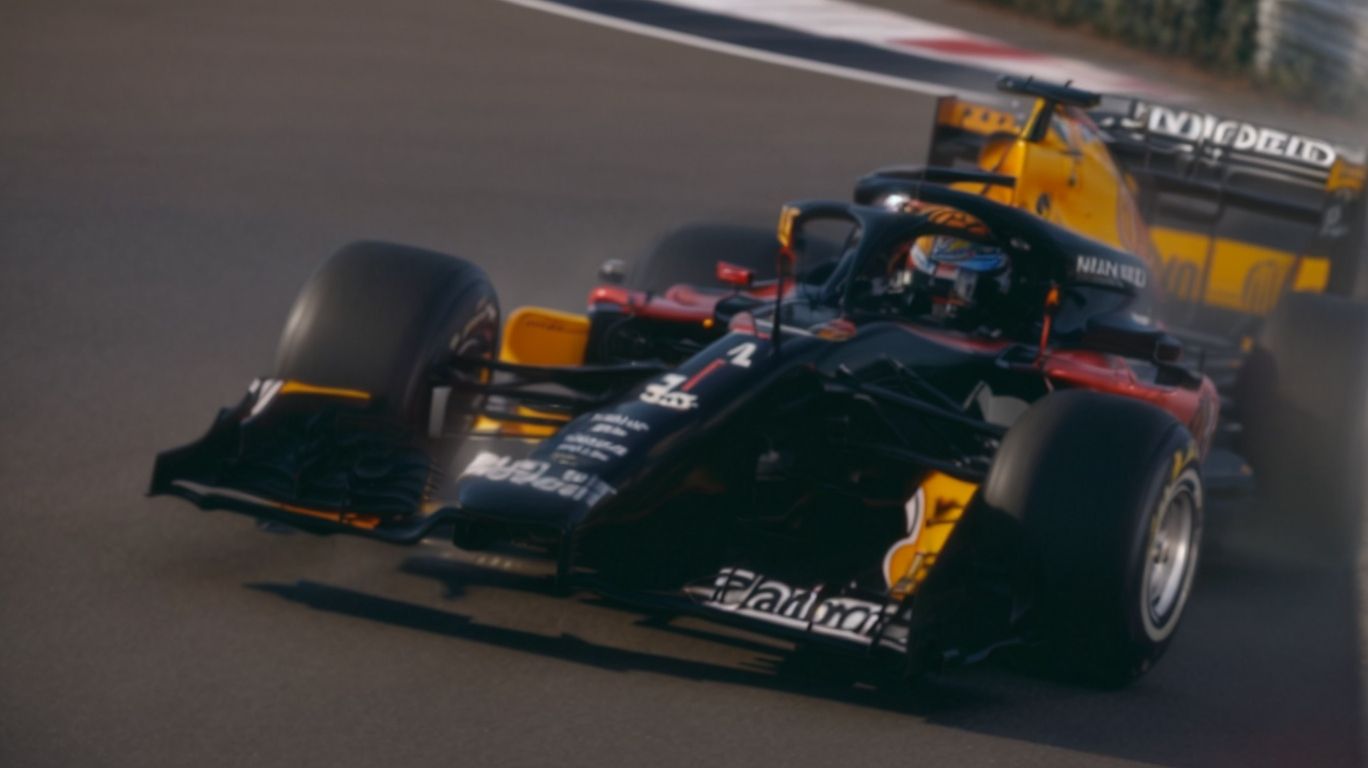
Competing in F1 races such as the Singapore Grand Prix demands peak physical fitness and mental resilience from drivers like Nico Hulkenberg, Kevin Magnussen, and Scuderia Ferrari’s Charles Leclerc. The Marina Bay Street Circuit poses unique challenges with its high heat, humidity, and demanding layout, requiring drivers to maintain exceptional levels of fitness and preparation to endure the extreme conditions.
Drivers must navigate the tight corners and relentless braking zones of the circuit, which place immense strain on their neck and core muscles. The combination of G-forces exerted in every turn tests their cardiovascular endurance to the limit. As the race progresses under the dazzling lights of Singapore, the drivers face dehydration due to profuse sweating, making hydration a critical aspect of their race strategy.
What Is an Ice Bath?
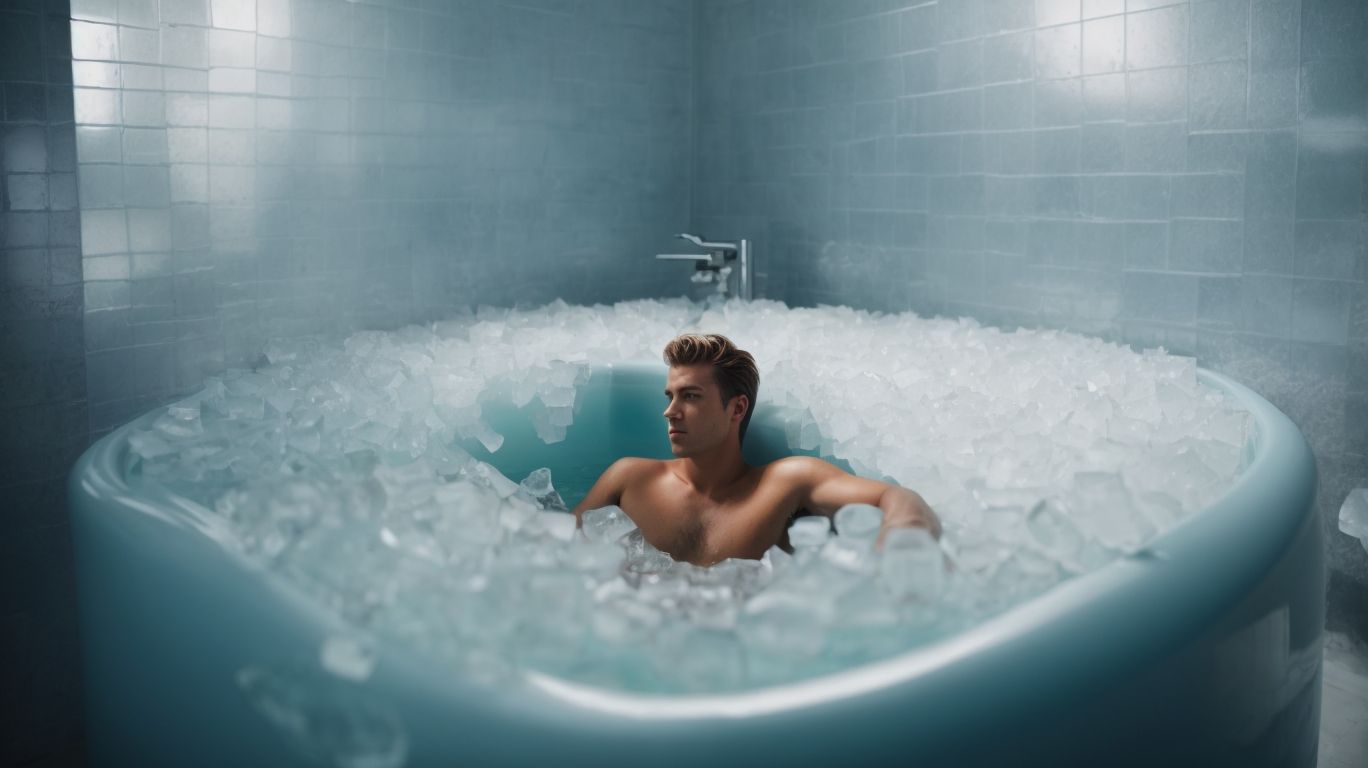
An ice bath, also known as cold water immersion, is a therapeutic practice that involves immersing the body, particularly the lower half, in cold water or ice for a specified duration. This process is commonly used by athletes and individuals seeking muscle recovery and relief from soreness or inflammation.
Ice baths work by constricting blood vessels and reducing metabolic activity, which helps to decrease swelling and tissue breakdown. The cold temperature numbs nerve endings, providing immediate pain relief. Athletes often use ice baths post-exercise to accelerate the recovery process and reduce muscle fatigue.
Beyond sports, cold water immersion is also integrated into physical therapy treatments for various conditions like arthritis, fibromyalgia, and even enhancing general well-being.
Why Do F1 Drivers Take Ice Baths?
F1 drivers, especially those gearing up for hot races like the Singapore Grand Prix, incorporate ice baths into their training regimen for several reasons. The extreme heat and humidity of such races necessitate meticulous preparation, including strategies for muscle recovery, hydration, and acclimatization to the high temperatures.
One of the key benefits of ice baths is their ability to help reduce inflammation and muscle soreness post-exercise. The cold water constricts blood vessels, flushing out waste products and decreasing swelling in the muscles. This process aids in faster recovery times, allowing drivers to bounce back quicker from intense physical exertion.
Ice baths play a crucial role in temperature regulation. By immersing in icy water, drivers lower their core body temperature, helping them better withstand the scorching conditions on the track. The contrast between the extreme cold of the ice bath and the intense heat of the race environment can also improve the body’s ability to adapt, enhancing overall performance.
Hydration is another key aspect that ice baths address. Drivers often experience significant fluid loss during races due to sweating in hot cockpits, making it essential to stay properly hydrated. Ice baths can aid in this by promoting blood flow and circulation, facilitating the delivery of nutrients and oxygen to tired muscles.
F1 drivers complement their ice bath routine with cooling vests and other techniques to optimize their physical preparedness. These additional methods help maintain a stable body temperature during races, reducing the risk of heat-related stress and ensuring peak performance. By combining ice baths with other cooling strategies, drivers can enhance their endurance and focus, crucial elements for success in demanding races like the Singapore Grand Prix.
Reduces Inflammation and Pain
One primary benefit of ice baths for F1 drivers preparing for races like the Singapore Grand Prix is their ability to reduce inflammation and alleviate muscle soreness, enhancing recovery times and easing discomfort. The cold water immersion helps in mitigating the impact of high-intensity training sessions and the physical strains experienced during races.
When drivers engage in intense physical activities, such as the demands of Formula 1 racing and the elaborate training regimens that accompany it, their muscles often undergo stress and micro-tears, leading to inflammation. Ice baths, through the process of vasoconstriction and vasodilation, help manage this inflammation by reducing blood flow to the affected areas, thereby decreasing swelling and discomfort.
This reduction in inflammation not only aids in speeding up the recovery process but also plays a crucial role in enhancing overall performance on the track. The ability of ice baths to lower the metabolic rate of tissues and decrease nerve conduction velocity contributes to managing pain, promoting quicker healing, and maintaining peak physical condition for drivers amidst the grueling race schedules.
Speeds Up Recovery Time
Ice baths play a crucial role in accelerating recovery times for F1 drivers preparing for events like the Singapore Grand Prix. The cold water immersion promotes enhanced circulation, reducing muscle fatigue and aiding in the repair of micro-tears caused by intense physical exertion during training and racing.
Improved circulation resulting from ice baths plays a key role in speeding up the delivery of oxygen and nutrients to the muscles, facilitating quicker recovery and enhancing overall performance. By reducing muscle fatigue, drivers can maintain peak physical condition throughout the demanding race weekend, ensuring optimal focus and endurance behind the wheel. The cold water immersion also helps in constricting blood vessels, decreasing inflammation, and expediting the repair of muscle micro-tears, essential for quick recuperation after intense training sessions and races.
Improves Circulation
Ice baths contribute to enhancing circulation among F1 drivers gearing up for challenging races like the Singapore Grand Prix. The cold water immersion causes blood vessels to constrict initially, then dilate, promoting efficient blood flow, oxygen delivery, and nutrient transport throughout the body.
The vasoconstriction triggered by the icy temperatures drives blood away from the extremities, helping to maintain core body temperature. This process stimulates the circulatory system, leading to improved oxygenation of tissues and enhanced removal of metabolic waste products. As blood vessels constrict and dilate in response to the cold, the body adapts by enhancing its ability to deliver oxygen and nutrients efficiently. This, in turn, aids in reducing inflammation post-race and accelerates the recovery process for these drivers, enabling them to perform at their peak levels in subsequent high-intensity racing conditions.
Increases Mental Alertness
Ice baths have been shown to boost mental alertness and cognitive function, benefitting F1 drivers like those preparing for the rigors of the Singapore Grand Prix. The cold water immersion stimulates neural pathways, sharpens reflexes, and enhances focus, crucial elements for precision driving in high-stakes racing environments.
By immersing themselves in ice baths, drivers engage in a powerful practice that not only resets their physical state but also rejuvenates their neurological functions. The rapid cooling of the body triggers a physiological response that releases endorphins, boosts brain activity, and improves mental sharpness. This enhanced cognitive agility can be a game-changer during intense racing sessions like the Singapore Grand Prix, where split-second decisions and razor-sharp focus are paramount for success.
How Do Ice Baths Work?
Ice baths function through a physiological process involving the constriction of blood vessels, a decrease in metabolic rate, and the release of endorphins. These mechanisms collectively contribute to the therapeutic benefits of cold water immersion, promoting recovery, reducing inflammation, and enhancing overall well-being.
When immersed in an ice bath, the body’s response is immediate—the blood vessels constrict, which helps to limit the blood flow to certain areas, ultimately reducing inflammation and swelling. The decrease in metabolic rate that occurs in response to the cold water helps to conserve energy and can aid in recovery by slowing down tissue breakdown. The release of endorphins, the body’s natural painkillers, induces a sense of well-being and acts as a natural mood enhancer.
Constriction of Blood Vessels
Ice baths induce the constriction of blood vessels, a physiological response that helps in reducing inflammation, managing pain, and promoting recovery for F1 drivers preparing for races under extreme conditions like the Singapore Grand Prix. The vasoconstriction process aids in improving circulation and enhancing the body’s natural healing mechanisms.
During ice baths, the constriction of blood vessels plays a crucial role in regulating the body’s response to intense racing conditions. By triggering vasoconstriction, these cold water immersions help to decrease blood flow to the extremities, diverting it towards vital organs and muscles. This redirection of circulation optimizes oxygen delivery, nutrient supply, and waste removal, essential for peak performance on the track.
Vasoconstriction not only supports faster recovery post-race but also contributes to inflammation reduction by limiting the influx of inflammatory cells to injured tissues. For F1 drivers like those at the Singapore Grand Prix, where the demanding circuit and high humidity intensify physical strain, incorporating ice baths into their routine can be a game-changer in maintaining their edge amidst the grueling competition.
Decrease in Metabolic Rate
Ice baths lead to a decrease in metabolic rate, which aids in recovery, temperature regulation, and physical conditioning for F1 drivers preparing for races like the Singapore Grand Prix. Lower metabolic rates help conserve energy, reduce muscle fatigue, and optimize the body’s response to heat stress during high-intensity activities.
When F1 drivers subject themselves to ice baths, the reduced metabolic rate has profound effects on their performance. Not only does it promote faster recovery between intense training sessions and races, but it also plays a crucial role in managing body temperature during the grueling Singapore Grand Prix. The lowered metabolic rate allows drivers to endure longer periods of physical exertion without succumbing to fatigue, enhancing their overall stamina and endurance.
- By conserving energy through this physiological adaptation, drivers can channel their resources more efficiently, enabling them to push themselves to the limits without hitting the wall.
- This metabolic slowdown also bolsters the body’s ability to cope with extreme environmental conditions, such as the scorching heat and high humidity levels experienced in races like the Singapore Grand Prix.
Release of Endorphins
Ice baths trigger the release of endorphins, the body’s natural painkillers, offering relief and enhancing recovery for F1 drivers preparing for physically demanding races. The endorphin release during cold water immersion assists in managing discomfort, promoting relaxation, and facilitating the body’s adaptive responses to stress.
Endorphins play a crucial role in the well-being of F1 drivers, acting as the body’s internal mechanism to combat pain and elevate mood. When submerged in icy water, the shock induces the production of these feel-good neurotransmitters, which not only dull the sensation of sore muscles but also induce a sense of calmness and mental clarity.
In the competitive world of Formula 1 racing, where split-second decisions and peak physical performance are paramount, the ability to harness the power of endorphins through ice baths can mean the difference between victory and defeat. By enabling drivers to recover faster, cope with stress more effectively, and maintain a competitive edge, this natural pain relief mechanism becomes a valuable asset in their race preparation arsenal.
Are There Any Risks Associated with Ice Baths?
While ice baths offer numerous benefits, there are potential risks associated with their use, especially for F1 drivers navigating extreme conditions like those at the Singapore Grand Prix. It is essential for drivers to take necessary precautions, monitor exposure times, and be aware of safety protocols to avoid issues such as cold-related injuries or adverse reactions.
One of the major risks involved in ice baths for F1 drivers is the potential for hypothermia due to prolonged exposure to extremely cold water. This risk can be mitigated by ensuring that drivers limit their time in the ice bath to the recommended duration, typically around 10-15 minutes. It’s crucial for drivers to gradually acclimatize their bodies to the cold temperatures by starting with shorter sessions and gradually increasing the duration over time.
How to Take an Ice Bath?
The process of taking an ice bath involves several steps to ensure effective muscle recovery and temperature regulation for F1 drivers like those preparing for the challenges of the Singapore Grand Prix. From preparing the ice bath to gradual warming up post-immersion, each phase plays a vital role in maximizing the therapeutic benefits of cold water treatment.
Before immersing in the ice bath, it is essential to have the water temperature between 10-15 degrees Celsius for optimal results. F1 drivers should ensure they are adequately hydrated before and after the ice bath to prevent any adverse effects of the sudden temperature change on the body.
During the immersion, focus on your breathing and try to relax your muscles to enhance the circulation and numb any pain or soreness. It is advisable to stay in the ice bath for around 10-15 minutes, monitoring your body’s response to avoid overexposure.
After the session, gradually warm up by moving and stretching your body gently. Incorporating the use of cooling vests can aid in maintaining the body temperature post-ice bath, aiding in the recovery process.
Prepare the Ice Bath
The initial step in taking an ice bath involves preparing the cold water immersion setup, essential for F1 drivers seeking muscle recovery and thermal regulation before races like the Singapore Grand Prix. Proper ice bath preparation ensures optimal temperature control, comfort, and therapeutic efficacy for athletes undergoing the cooling treatment.
An ice bath is not just about filling a tub with cold water; it requires attention to detail to reap its full benefits. Maintaining the right temperature is crucial, typically between 10-15 degrees Celsius, to promote vasoconstriction and reduce inflammation in the muscles. The comfort of the athlete is also paramount, with the addition of ice cubes or even using a thermometer to ensure the water is at the desired chill level.
Equipment setup is equally important in this process, such as having a timer to track the duration of the ice bath session. Athletes may also find comfort in using a neck pillow or placing towels at the edges of the tub for added support. These small adjustments contribute significantly to the overall experience and effectiveness of the ice bath.
Submerge the Body
Submerging the body in the cold water immersion of an ice bath is a critical phase for F1 drivers enhancing muscle recovery, endurance, and thermal adaptation ahead of races like the Singapore Grand Prix. The immersion process aids in reducing muscle inflammation, regulating core temperature, and promoting physiological adaptations that support improved performance.
The exposure to cold water triggers vasoconstriction, which helps in decreasing muscle soreness and speeding up the recovery process post-race. By subjecting their bodies to extreme temperatures, drivers can also enhance their thermal tolerance, enabling them to acclimate better to the hot conditions within the cockpit during races in locations like Malaysia and Bahrain. This practice not only improves physical resilience but also mental toughness, crucial in handling the intense pressures of Formula 1 competitions.
Stay in for 10-15 Minutes
Maintaining the body in the ice bath for a recommended duration of 10-15 minutes is crucial for F1 drivers aiming to optimize recovery, reduce inflammation, and enhance physical conditioning for events like the Singapore Grand Prix. The prescribed immersion time allows for effective cooling benefits without compromising the body’s natural thermoregulatory mechanisms.
During these 10-15 minutes, the cold water stimulates vasoconstriction, which helps in reducing muscle soreness and accelerating the removal of metabolic waste products. It also aids in decreasing the core body temperature, promoting faster recovery and enhancing circulation.
The controlled cold exposure triggers a process known as thermal adaptation, where the body gradually adapts to extreme temperatures, making it more resilient to heat stress during races like the Singapore Grand Prix. This adaptation can significantly improve an F1 driver’s endurance and focus under high-intensity racing conditions.
Warm Up Gradually
After completing the ice bath session, F1 drivers should engage in a gradual warm-up process to promote muscle relaxation, circulation, and recovery following the cooling treatment. The gradual warming routine aids in easing muscle tension, restoring normal blood flow, and preparing the body for optimal performance in upcoming challenges like the Singapore Grand Prix.
During the warm-up, the body transitions from the cold-induced state to an active one, which is crucial for enhancing muscle flexibility and range of motion. This process helps prevent injuries, as the muscles are more pliable after the initial ice immersion. The increased blood flow resulting from the warm-up also supplies oxygen and nutrients to the muscle tissues, aiding in their recovery and performance readiness.
The gradual warm-up fosters a mental shift, allowing F1 drivers to focus and mentally prepare for the intense physical demands of the race ahead. By gradually building up the heart rate and activating the nervous system, drivers prime themselves for the rigorous challenges and quick reactions required on the demanding circuits.
Frequently Asked Questions
Why do F1 drivers take ice baths?
F1 drivers take ice baths as part of their training and recovery regime. The extreme temperatures help to reduce muscle inflammation and soreness, promoting faster recovery after intense races.
What are the benefits of ice baths for F1 drivers?
Aside from reducing muscle inflammation, ice baths also help to increase blood flow, improve circulation, and boost the immune system. This allows F1 drivers to perform at their best during races and recover quickly after.
When do F1 drivers take ice baths?
F1 drivers typically take ice baths after races or intense training sessions. Some may also take them before races to prepare their bodies for the physical demands of driving at high speeds for extended periods of time.
How long do F1 drivers stay in ice baths?
The duration of time F1 drivers spend in ice baths can vary, but it is typically between 10-20 minutes. This is enough time for the body to experience the benefits of the cold temperature without causing any harm.
Are there any risks associated with F1 drivers taking ice baths?
When done correctly, ice baths are generally safe for F1 drivers. However, it is important to monitor the temperature and duration of time spent in the ice bath to avoid overexposure to the cold, which can lead to hypothermia or other adverse effects.
Do F1 drivers use any other recovery methods besides ice baths?
Yes, F1 drivers often use a combination of recovery methods in addition to ice baths. These may include massage therapy, stretching, and nutrition to help their bodies recover and perform at their best during races.