Do F1 Drivers Need to Be Fit?
Ever wondered what it takes to be an F1 driver? From the intense physical demands to the rigorous training regimen, there’s a lot more to F1 racing than just driving fast cars.
In this article, we will explore the G-forces experienced on the track, the impact of F1 racing on the body, and why F1 drivers need to be in top physical condition.
We’ll also delve into the types of training F1 drivers undergo, their diet and nutrition, and how they prepare both physically and mentally for races.
So buckle up and get ready to uncover the world of F1 racing!
Key Takeaways:
What is F1 Racing?
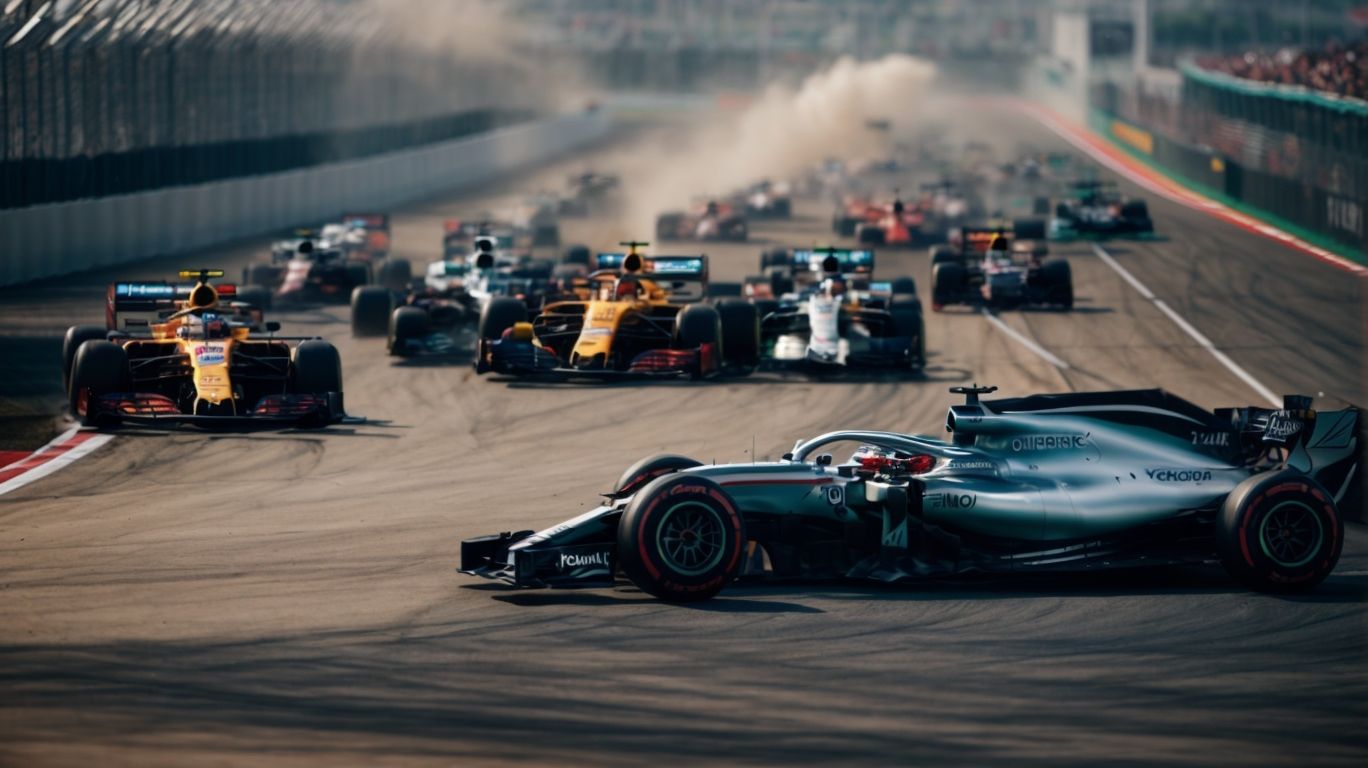
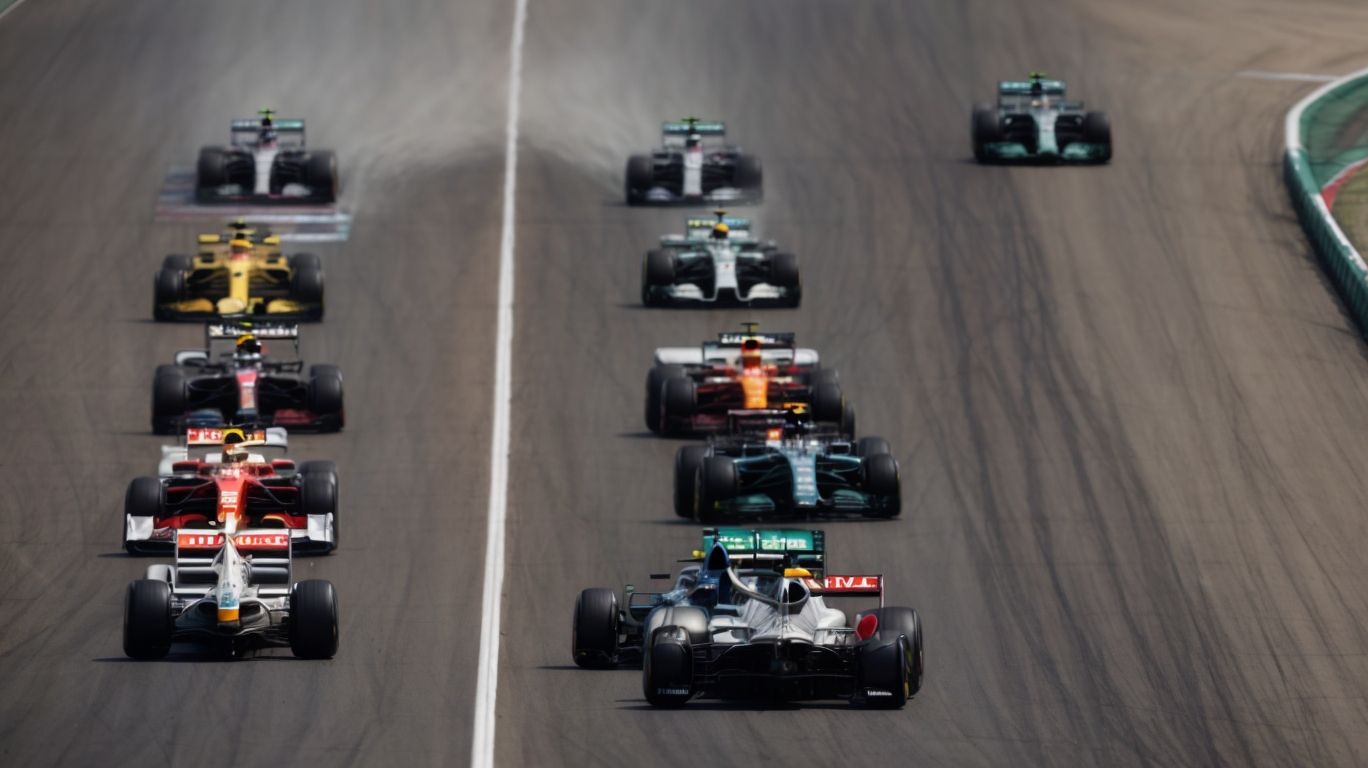
F1 Racing, also known as Formula One Racing, is a premier international auto racing competition that features the world’s top F1 drivers racing high-performance cars on challenging circuits to achieve the fastest lap times.
The history of F1 Racing dates back to the inaugural season in 1950, making it one of the oldest and most prestigious racing series globally. Over the years, F1 has grown into a global phenomenon, captivating audiences worldwide with its blend of cutting-edge technology, speed, and drama on the track. The sport has seen iconic drivers like Lewis Hamilton and Daniel Ricciardo rise to fame, showcasing exceptional skill and determination to win races.
What are the Physical Demands of F1 Racing?
The physical demands of F1 Racing are immense, requiring F1 drivers to maintain peak fitness levels to withstand extreme G-forces, manage their weight effectively, and endure the rigorous conditions of high-speed races that put immense strain on their bodies.
Managing weight is crucial for F1 drivers as even a slight increase can impact aerodynamics and overall performance. The forces experienced during cornering, braking, and acceleration push the human body to its limits, demanding exceptional strength and endurance.
What are the G-forces Experienced in F1 Racing?
The G-forces experienced in F1 Racing subject F1 drivers to intense physical stress, particularly affecting their neck muscles due to the rapid changes in speed and direction during races.
These extraordinary forces can reach up to 5G, meaning the driver feels a pressure equivalent to five times their body weight. This immense strain mainly targets the neck muscles, which have to support and stabilize the head as it rapidly moves within the confines of the helmet. Over the course of a race, the continuous lateral and vertical G-forces challenge the drivers’ muscle endurance, leading to fatigue and increased risk of injury.
How Does F1 Racing Affect the Body?
F1 Racing exerts significant physical demands on the body of F1 drivers, necessitating rigorous training regimens that focus on building muscle strength, endurance, and facilitating quick recovery to cope with the intense requirements of the sport.
One of the core elements of F1 racing is the development of muscle mass, as the drivers need to withstand the high G-forces, rapid acceleration, and deceleration that characterize the sport. To achieve this, drivers usually follow a structured training regimen that includes strength training, cardiovascular exercises, and core workouts to enhance their physical capabilities. Building muscle strength not only helps in steering the high-speed cars but also aids in maintaining stability and reducing the risk of injuries during races.
Along with muscle development, endurance plays a crucial role in F1 racing. Drivers need to have exceptional endurance levels to endure the long, grueling races that can last for hours. Endurance exercises, such as long-distance running, cycling, and swimming, are incorporated into the training routines to boost stamina and sustain focus throughout the race.
Efficient recovery strategies are equally vital in the demanding world of F1 racing. Quick recovery post-race is essential to ensure that the drivers can bounce back and perform optimally in subsequent races. Recovery techniques like ice baths, massages, adequate rest, and proper nutrition are implemented to reduce muscle fatigue, prevent injuries, and enhance overall performance on the track.
Why Do F1 Drivers Need to Be Fit?
F1 drivers need to be exceptionally fit to excel in the sport, as their fitness levels directly impact their conditioning, physical strength, and ability to endure the demanding physical challenges of F1 Racing.
Physical fitness plays a critical role in an F1 driver’s performance on the track. The intense G-forces experienced during high-speed corners and quick accelerations require drivers to have strong core muscles and overall body control. Achieving and maintaining peak condition involves a combination of cardiovascular endurance, muscular strength, and flexibility. Effective training programs tailored to individual drivers focus on bodyweight exercises, cardio routines, and core stabilization to enhance performance and reduce the risk of fatigue or injury. Through consistent training and a commitment to physical health, drivers can maximize their potential on race day.
What Physical Skills are Required for F1 Racing?
F1 drivers must possess a unique set of physical skills that include exceptional balance, speed, and agility, providing them with a competitive advantage on the track.
Having exceptional balance is crucial as drivers need to navigate high-speed corners with precision, requiring a finely-tuned sense of equilibrium.
Their speed proficiency ensures they can react swiftly to changing track conditions, overtaking opponents with calculated speed that can make all the difference in a race.
Agility plays a key role in quick decision-making, allowing drivers to anticipate and adapt to sudden shifts, giving them an edge over competitors.
How Does Fitness Affect Performance in F1 Racing?
Fitness plays a critical role in determining the performance of F1 drivers, influencing factors such as muscle strength, weight management, and the attainment of specific weight targets that optimize speed and agility on the track.
In terms of muscle strength, drivers need to have well-developed musculature to handle the high G-forces experienced during sharp turns and sudden accelerations. The target weight requirements in Formula 1 are crucial as excess weight can slow down the car and affect handling. Achieving and maintaining an optimal weight not only enhances speed but also improves overall agility, allowing drivers to react quickly to changing track conditions.
What Types of Training Do F1 Drivers Do?
F1 drivers engage in a comprehensive training regimen that includes cardio exercises to improve cardiovascular system health, strength training to build muscle, and endurance exercises to enhance stamina and resilience during races.
Cardio exercises, such as running, cycling, and swimming, help drivers increase their heart rate and improve oxygen circulation, crucial for maintaining focus and reducing fatigue during long races.
Strength training involves weightlifting and bodyweight exercises to build muscle mass and enhance overall physical strength, necessary for handling the high G-forces experienced in F1 cars.
Endurance exercises, like long-distance running and interval training, play a vital role in improving a driver’s ability to sustain energy levels and mental focus throughout grueling races, especially during the intense heat inside the cockpit.
Cardiovascular Training
Cardiovascular training is a crucial component of an F1 driver’s workout routine, ensuring that they maintain peak physical condition and endurance to withstand the cardiovascular demands of high-speed racing.
With the intense physical demands of driving at speeds exceeding 200 mph, F1 drivers rely on cardiovascular training to build the stamina required to stay focused for the duration of a race. Not only does this training help them cope with the grueling nature of multiple back-to-back races on the circuit, but it also enhances their recovery time between racing events, allowing them to consistently perform at their best.
The cardiovascular system plays a critical role in ensuring that drivers can cope with the rapid changes in acceleration, deceleration, and G-forces experienced during different phases of a race. This training not only improves their endurance but also contributes to their ability to maintain mental acuity and focus, particularly during long stints on the track.
Strength Training
Strength training forms a vital part of the F1 driver’s fitness regimen, focusing on building muscle mass, enhancing strength, and facilitating quick recovery to support their physical demands both on and off the track.
Utilizing specialized equipment such as weight machines, free weights, and resistance bands, F1 drivers work closely with their trainers to target specific muscle groups essential for optimal performance. By incorporating a variety of exercises like squats, deadlifts, and rows, drivers not only increase their overall strength but also improve their endurance and agility on the circuit.
Endurance Training
Endurance training is essential for F1 drivers, as it enhances their physical conditioning, prepares them for the demands of the racing season, and aids in offseason preparation to maintain peak performance levels.
Endurance training plays a crucial role in ensuring that F1 drivers have the stamina and endurance required to endure lengthy and physically demanding races. By following a specialized training regimen that focuses on cardiovascular fitness and muscular endurance, drivers can improve their overall performance on the track.
Moreover, hydration becomes paramount during endurance training sessions as drivers sweat profusely, requiring them to maintain a proper fluid balance to sustain their energy levels. This emphasis on hydration contributes to enhancing their ability to endure the high-speed and intense nature of Formula 1 races.
What is the Diet of an F1 Driver?
The diet of an F1 driver is meticulously crafted to provide the optimal balance of nutrients, calories, and hydration necessary to fuel their bodies for the high physical and mental demands of racing.
Calorie needs play a crucial role in an F1 driver’s diet, as they require a significant amount of energy to sustain their intense physical exertion and mental focus during races. Weight management is also imperative, as drivers need to maintain their strength-to-weight ratio for optimal performance on the track. Hydration strategies are carefully planned to ensure drivers remain hydrated in the hot and demanding race conditions, often including specialized drinks with electrolytes to replenish fluids and minerals lost through sweat. During the offseason, drivers focus on a well-rounded diet that supports recovery and helps build endurance for the upcoming season.
How Many Calories Do F1 Drivers Need?
F1 drivers require a precise caloric intake tailored to their bodyweight, muscle strength requirements, and energy expenditure during races to ensure optimal performance and sustained energy levels.
For an F1 driver, the intense races demand high energy levels to sustain the constant speed and G-forces experienced on the track. Their bodies act as high-performance machines, requiring meticulous balance in calorie consumption to match the rigorous demands of the sport. Caloric intake plays a pivotal role in fueling the muscles needed for precise control of the car and quick reflexes, ensuring drivers can handle the aerodynamics of the vehicle and maintain top speeds throughout a race.
What Foods Do F1 Drivers Eat?
F1 drivers consume a balanced diet rich in lean proteins, complex carbohydrates, and essential nutrients to support muscle development, aid recovery, and maintain optimal performance both on and off the track.
Hydration plays a crucial role in the performance of F1 drivers, as they need to remain focused and alert during races that can last for hours under intense conditions.
Electrolytes are essential to maintain proper fluid balance and prevent dehydration, which can significantly impact lap times.
Along with fueling themselves with nutrient-dense foods, drivers also prioritize consuming foods that promote muscle support and enhance recovery, such as high-quality fats and antioxidant-rich fruits and vegetables. These dietary choices are carefully tailored to meet the energy demands of racing on demanding circuits, where physical and mental stamina are constantly tested.
How Do F1 Drivers Stay Hydrated?
Staying hydrated is crucial for F1 drivers to maintain peak performance levels, support recovery, and ensure optimal physical and mental function during races, with water being the primary source of hydration for drivers.
Formula 1 drivers push their bodies to extreme limits, enduring high speeds, intense G-forces, and long races that test their physical and mental endurance. Hydration plays a vital role in regulating body temperature, aiding nutrient absorption, and lubricating joints, all essential for drivers to perform at their best. By staying hydrated, drivers can prevent fatigue, enhance concentration, and improve reaction times on the track, contributing to their overall racing success.
How Do F1 Drivers Prepare for Races?
F1 drivers engage in meticulous preparation before races, focusing on physical and mental readiness, strategic nutrition planning, and meticulous warm-up routines to optimize their performance on race day.
During the offseason, drivers prioritize recovery to ensure peak physical condition, working closely with their trainers to tailor fitness programs. They follow nutrition strategies that include carb-loading for endurance, hydration protocols, and timing of meals for sustained energy. Mental preparation plays a crucial role, with drivers engaging in visualization exercises and mindfulness practices to stay focused and calm under pressure.
Physical and Mental Preparation
Physical and mental preparation are paramount for F1 drivers before races, ensuring they are in optimal physical condition and possess the mental fortitude to tackle the challenges of high-speed racing.
For F1 drivers, achieving peak physical fitness is not just about strength and endurance but also about maintaining balance both on and off the track. Drivers need to finely tune their bodies to withstand the immense g-forces and rapid adjustments required during races, demanding a rigorous training regimen that focuses on cardiovascular fitness, muscular strength, and flexibility.
Mental resilience is equally essential, with race-day pressures testing their focus and decision-making abilities. To optimize performance, drivers work closely with sports psychologists to develop coping strategies, visualization techniques, and mindfulness practices that help them stay calm and focused amidst the adrenaline-fueled chaos of the race environment.
Pre-Race Nutrition and Hydration
Pre-race nutrition and hydration play a vital role in ensuring that F1 drivers are adequately fueled, hydrated, and mentally focused for the challenges of the upcoming race, with strategic food choices and hydration plans being key components of their preparation.
For F1 drivers, maintaining optimal performance levels throughout the race requires a meticulous approach to their diet and hydration. The body of an F1 driver is like a high-performance machine that needs to be fueled with the right nutrients and fluids to withstand the physical and mental demands of racing.
Hydration is essential to regulate body temperature and prevent dehydration, especially given the extreme conditions inside the cockpit of an F1 car. Drivers carefully plan their hydration strategies, often incorporating electrolyte-rich drinks to replenish essential minerals lost through sweat.
Warm-Up and Stretching
Warm-up and stretching routines are essential for F1 drivers to optimize their physical performance, prevent injuries, and enhance recovery, ensuring they are physically prepared to push the limits during races.
By incorporating a structured warm-up routine, drivers can effectively increase blood flow to their muscles, promoting oxygen and nutrient delivery essential for sustaining peak performance. Stretching plays a crucial role in enhancing muscle strength, flexibility, and joint mobility, consequently refining the driver’s agility and reaction times on the track.
Proper warm-up and stretching techniques aid in establishing balance and coordination, fundamental for executing precise maneuvers and maintaining control over the high-speed vehicles in F1 races.
Frequently Asked Questions
Do F1 Drivers Need to Be Fit?
Yes, F1 drivers need to be extremely fit in order to compete at the highest level of motorsport. Their physical fitness is crucial for optimal performance and safety on the track.
What type of physical training do F1 drivers do?
F1 drivers undergo rigorous physical training to improve their strength, endurance, and reaction times. This includes activities such as cardio, weightlifting, and specific exercises to target the muscles used for driving.
How does being fit affect an F1 driver’s performance?
Being fit directly impacts an F1 driver’s performance on the track. It allows them to withstand the intense G-forces, maintain focus and concentration for long periods, and react quickly to changing conditions.
Can being fit help prevent accidents in F1 racing?
Yes, being fit can help prevent accidents in F1 racing. A fit driver is less likely to experience fatigue or lose focus during a race, which can decrease the risk of accidents caused by human error.
Is there a specific fitness level required to become an F1 driver?
There are no set requirements for fitness level to become an F1 driver, but most teams prefer drivers who are in top physical condition. This gives them a competitive edge and also reduces the risk of injury.
Are there any physical limitations for F1 drivers?
Yes, there are certain physical limitations for F1 drivers. They must have good eyesight, reflexes, and coordination, as well as a certain level of endurance and strength to withstand the demands of racing. Some drivers may also have height or weight restrictions imposed by their team or the FIA.