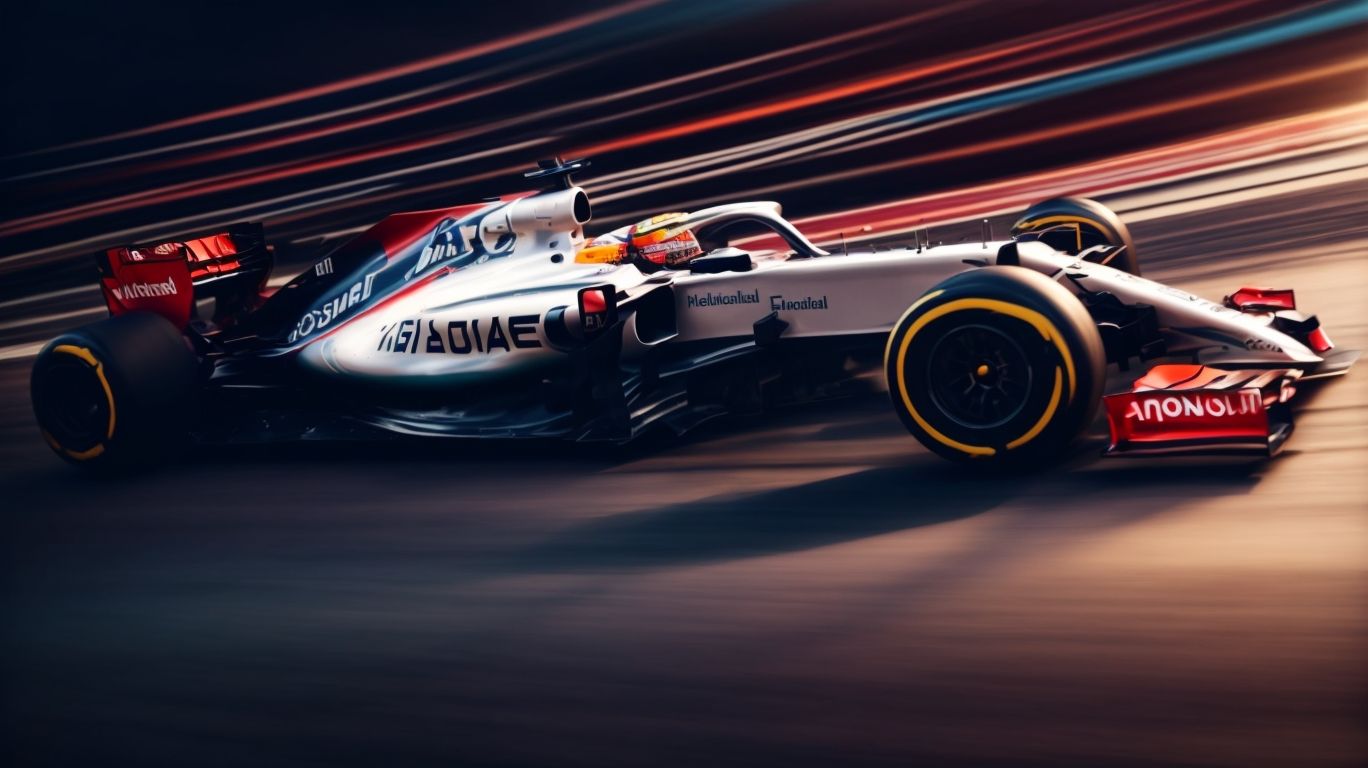
Is F1 the Fastest Car?
Have you ever wondered what makes Formula 1 cars so incredibly fast?
We will explore the origins of F1 racing, the key components that make these cars reach such high speeds, and the regulations that govern their design.
We will also delve into the advantages and disadvantages of F1 cars, including the safety concerns and environmental impacts of this high-octane sport.
So, buckle up and get ready to learn all about the world of Formula 1 racing!
Key Takeaways:
What Is F1?
Formula 1, commonly known as F1, is the pinnacle of motorsport racing, featuring the most advanced cars driven by skilled racing drivers on iconic circuits worldwide in high-stakes races.
Originating in Europe during the 1950s, F1 has a rich history rooted in engineering innovation, fierce rivalries, and legendary champions. The development of cars in F1 has seen remarkable advancements, from aerodynamics to hybrid power units, pushing the boundaries of technology and speed. Talented drivers like Lewis Hamilton, Michael Schumacher, and Ayrton Senna have become household names, their skill and daring maneuvers captivating audiences globally. The legendary circuits of Monaco, Silverstone, and Monza add to the allure of F1, each with its unique challenges and traditions, making every race a spectacle of speed, skill, and adrenaline.
How Did F1 Begin?
The inception of Formula 1 dates back to the 1950s when the Fédération Internationale de l’Automobile (FIA) established a set of rules and regulations to govern high-speed racing competitions, paving the way for the modern era of F1.
Formula 1, known for its cutting-edge technology and adrenaline-filled races, quickly captured the imagination of motorsport enthusiasts worldwide.
With iconic circuits like Monza, Monaco, and Silverstone becoming the battlegrounds for legendary drivers, the sport grew in popularity and prestige.
The FIA, as the governing body of F1, played a pivotal role in ensuring safety standards and fair competition by continually evolving regulations.
This ongoing evolution involves advancements in aerodynamics, hybrid power units, and a push towards sustainable practices to shape the future of Formula 1.
What Makes F1 Cars So Fast?
The astonishing speed of F1 cars can be attributed to cutting-edge aerodynamics, high-performance engines, and advanced technologies that generate immense power and downforce, allowing these vehicles to achieve unparalleled levels of velocity on the track.
Regarding aerodynamics, every curve, angle, and component of an F1 car is meticulously designed to minimize drag and maximize downforce. This includes features such as the front and rear wings, diffusers, and bodywork that work together to ensure the car remains glued to the track at high speeds.
Engine power is another crucial factor in the performance of F1 cars. These machines are powered by highly sophisticated V6 turbo hybrid engines that deliver exceptional power outputs of over 1000 horsepower, propelling them to incredible speeds and enabling lightning-fast acceleration.
The concept of downforce is fundamental in enhancing the grip and stability of F1 cars as they navigate through corners at mind-boggling velocities. The intricate balance between generating enough downforce for cornering while minimizing drag on straightaways is a continuous engineering challenge in the quest for speed and performance.
What Are the Key Components of an F1 Car?
The key components of an F1 car encompass a blend of state-of-the-art technology, innovative advancements, and cutting-edge systems like Kinetic Energy Recovery Systems (KERS) that capture and reuse energy, enhancing both speed and efficiency on the racetrack.
These high-performance vehicles are meticulously designed to incorporate lightweight yet durable materials to maximize speed and maneuverability. The aerodynamics of an F1 car play a crucial role in reducing drag and increasing downforce, allowing the vehicle to hug the track with precision.
Advanced telemetry systems constantly collect data on various performance metrics, providing real-time feedback to engineers and drivers, enabling them to make crucial adjustments during races.
What Are the Regulations for F1 Cars?
F1 cars are subject to stringent regulations and rules set by governing bodies to ensure safety, fair competition, and technological innovation, with specific emphasis on implementing safety measures that safeguard drivers and enhance the overall integrity of the sport.
These regulations cover various aspects of F1 cars, including the engine, chassis, aerodynamics, and more, aiming to create a level playing field and prioritize driver safety. Safety standards in F1 are constantly evolving, with advancements in materials, technology, and research driving improvements in crash protection and driver visibility. The FIA, as the governing body of F1, plays a crucial role in enforcing these regulations and ensuring that teams comply with the stipulated guidelines to maintain a fair and competitive environment on the tracks.
How Fast Can an F1 Car Go?
The top speed of an F1 car can reach astonishing levels, breaking lap records and maintaining high average speeds throughout races, showcasing the unparalleled velocity and performance capabilities of these cutting-edge vehicles.
Formula 1 cars have been known to hit speeds of over 230 mph (370 km/h) on certain tracks, exhilarating spectators with their lightning-fast pace and precision handling.
Record-breaking laps, such as Lewis Hamilton’s incredible pole position at Monza in 2020, where he clocked an astonishing average speed of 164.267 mph (264.363 km/h), emphasize the extraordinary agility and power of these racing machines.
The ability of these cars to navigate tight corners at incredible speeds, with drivers experiencing forces exceeding 5G in some instances, demonstrates the exceptional engineering and aerodynamic prowess that define F1 racing.
What Is the Top Speed of an F1 Car?
The top speed of an F1 car can exceed 200 mph, with skilled drivers pushing the limits of these high-performance vehicles to achieve remarkable velocities on straight stretches of the racetrack.
Formula 1 cars are engineered with cutting-edge technology to reach such astonishing speeds, with aerodynamics playing a crucial role in reducing drag and enhancing stability. Drivers in Formula 1 races must possess exceptional reflexes and precision to navigate corners at high speeds while strategically mastering acceleration on the straights.
Not only do these drivers endure intense physical demands during races, but they also rely on their ability to read the track and make split-second decisions that can make all the difference in reaching maximum velocity. The synergy between man and machine is truly awe-inspiring in the world of F1 racing.
How Does an F1 Car Compare to Other Fast Cars?
In comparison to other fast cars, F1 vehicles stand out for their exceptional speed, rapid acceleration, and advanced engineering that set them apart as the fastest and most technologically advanced racing machines on the planet.
Regarding acceleration capabilities, F1 cars are in a league of their own. The lightning-fast maneuvers around corners, coupled with the ability to go from 0 to 60 mph in under two seconds, demonstrate the sheer power and agility of these high-performance vehicles.
The technological superiority of F1 cars is evident in their aerodynamic design, cutting-edge materials, and state-of-the-art engines that deliver unparalleled performance on the race track.
Compared to other high-speed vehicles like supercars and hypercars, Formula 1 cars have a distinct advantage in terms of speed, handling, and overall performance. The relentless pursuit of excellence in engineering and innovation has cemented F1’s reputation as the pinnacle of motorsport.
What Are the Advantages of F1 Cars?
F1 cars offer a myriad of advantages fueled by cutting-edge technology, continuous advancements, and a glimpse into the future of automotive engineering and high-speed performance.
One of the key areas where Formula 1 cars excel is aerodynamics. Every curve, wing, and fin is meticulously designed to slice through the air with minimal resistance, enhancing speed and handling capabilities on the track. Advancements in materials science have allowed for the creation of ultra-light chassis and components, maximizing performance while maintaining structural integrity. The integration of hybrid power units has revolutionized energy efficiency and sustainability in racing, paving the way for more eco-friendly automotive technologies in the future.
How Do F1 Cars Achieve Such High Speeds?
The extraordinary speeds of F1 cars are made possible through meticulous aerodynamic designs, strategic downforce applications, and cutting-edge technology that optimize performance and velocity on the racetrack.
One of the fundamental concepts in achieving these incredible speeds is the manipulation of airflow around the vehicle. Aerodynamics plays a crucial role in reducing drag and increasing downforce, which pushes the car into the track, enhancing grip and cornering capabilities. Engineers focus on creating streamlined shapes, intricate diffusers, and carefully positioned wings to control the airflow efficiently. This relentless pursuit of aerodynamic efficiency is what distinguishes F1 cars as marvels of modern engineering.
What Makes F1 Cars Different from Regular Cars?
The distinction between F1 cars and regular vehicles lies in their advanced engineering, specialized design for racing, and the ability to outperform conventional cars on demanding circuits under high-speed race conditions.
Formula 1 cars are meticulously crafted with lightweight materials like carbon fiber to optimize speed and enhance aerodynamics, enabling them to reach astonishing velocities exceeding 200 mph on straights. These vehicles feature cutting-edge suspension systems for optimal grip around tight corners, while their powerful engines produce over 800 horsepower, generating enough downforce to keep them glued to the track even while navigating intricate chicanes and fast turns. The precise engineering of F1 cars allows drivers to brake later and accelerate quicker, making them unmatched in agility and performance on race circuits.
What Are the Disadvantages of F1 Cars?
Despite their exceptional performance, F1 cars face challenges related to safety concerns, environmental impacts, and regulatory pressures that stem from their high-speed operations and technological advancements.
One of the key drawbacks associated with F1 cars lies in their intense speed capabilities, pushing the boundaries of physics and engineering. This high velocity not only increases the risk in case of accidents but also poses challenges in designing safety features that can adequately protect drivers during crashes.
The environmental impact of Formula 1 racing is another critical issue. The high fuel consumption, emissions from engines, and waste generated during races contribute to carbon footprint concerns, prompting the need for sustainable practices and greener technologies within the sport.
Regulatory constraints continuously evolve to ensure fair competition, driver safety, and technological innovation in line with the ever-changing dynamics of the sport, adding layers of complexity to the design and performance standards of F1 vehicles.
What Are the Safety Concerns for F1 Cars?
Safety remains a paramount concern in F1 racing, prompting stringent regulations, innovative safety measures, and continuous advancements to protect drivers and enhance the overall safety standards across all Grand Prix events.
One of the key areas where safety has significantly evolved in F1 is through the implementation of advanced crash test protocols and the continuous development of impact-absorbing materials in race cars. These measures aim to minimize the risk of serious injuries in the event of a crash, ensuring that drivers are better protected on the track.
The introduction of Halo, a cockpit protection device, has been a game-changer in F1 safety, providing an extra layer of defense for drivers against flying debris and potential impacts. This innovation reflects the sport’s commitment to prioritizing driver safety above all else.
What Are the Environmental Impacts of F1 Racing?
F1 racing faces challenges regarding its environmental impact, with concerns over carbon emissions, fuel consumption, and sustainability shaping discussions on the sport’s ecological footprint and the need for greener practices.
One major challenge lies in mitigating the carbon footprints left behind by the high-speed cars and extensive events associated with Formula 1. With races taking place across various countries and continents, transportation, logistics, and energy consumption play significant roles in determining the overall environmental impact of the sport.
Implementing sustainable strategies such as using biofuels, hybrid technologies, and promoting energy-efficient practices have become essential focal points for Formula 1 to tread towards a more eco-friendly path. Through partnerships with environmentally conscious organizations and adopting innovative solutions, the sport aims to strike a balance between performance and environmental preservation.
How Do F1 Cars Compare to Other Racing Cars?
When comparing F1 cars to other racing vehicles, the unmatched performance, precision engineering, and exceptional speed capabilities of Formula 1 cars distinguish them as the pinnacle of motorsport technology on the most challenging circuits in the world.
It’s not just the raw power of the F1 cars that sets them apart from their counterparts; the level of aerodynamic efficiency and cutting-edge technological advancements play a vital role in their superiority. The drivers behind the wheel of these machines further amplify this superiority, as they navigate hairpin turns and reach mind-boggling speeds with unparalleled skill and precision.
The circuits that host Formula 1 races are meticulously designed to push both the cars and drivers to the limits, incorporating a blend of straights, corners, and elevation changes that demand peak performance in every aspect. These high-octane races not only showcase the capabilities of the vehicles but also test the mettle of the drivers in a battle of nerves, strategy, and split-second decision-making.
What Are the Differences Between F1 and NASCAR?
The distinctions between F1 and NASCAR are evident in their racing formats, speed dynamics, and overall excitement levels, with Formula 1 emphasizing high-speed precision on road courses while NASCAR showcases thrilling battles on oval tracks.
Formula 1, known for its technologically advanced cars, races on intricate road circuits around the globe, demanding drivers to navigate tight corners and chicanes with precise skill, achieving speeds of over 200 mph on straights.
In contrast, NASCAR cars primarily race on banked oval tracks, where drivers engage in close-quarters battles, often relying on drafting strategies, reaching top speeds of around 200 mph but showcasing a different level of bumping and side-by-side action.
What Are the Differences Between F1 and IndyCar?
The differences between F1 and IndyCar manifest in their fan bases, cost structures, and technical regulations, with Formula 1 attracting a global audience, significant financial investments, and stringent technical specifications compared to IndyCar’s regional appeal, cost-effective setups, and more lenient rulebooks.
Formula 1, renowned for its glitz, glamour, and exotic locations, captures the attention of diverse viewers worldwide, from avid motorsport enthusiasts to casual spectators drawn in by the allure of cutting-edge technology and high-stakes competition. In contrast, IndyCar maintains a dedicated following primarily in North America, with a more grassroots feel and emphasis on accessible racing that resonates with fans seeking a more relatable racing experience.
Financially, F1 teams operate on multi-million-dollar budgets, backed by corporate sponsorships, wealthy investors, and lucrative TV rights deals, enabling them to push the boundaries of innovation and performance. On the other hand, IndyCar teams often rely on cost-sharing models and smaller-scale sponsorships, promoting a more egalitarian ethos within the sport.
Regulatory disparities between the two series further highlight their contrasting approaches, with Formula 1’s strict guidelines governing everything from engine specifications to aerodynamics, fostering a culture of relentless pursuit of excellence. Meanwhile, IndyCar’s more flexible rules encourage innovation and experimentation, allowing for a diverse range of chassis and engine configurations that cater to a variety of racing styles.
Frequently Asked Questions
Is F1 the Fastest Car?
FAQs:
1. What makes F1 cars the fastest cars in the world?
F1 cars are designed to reach incredibly high speeds due to their advanced aerodynamics, lightweight materials, and powerful engines.
2. How fast can an F1 car go?
F1 cars can reach speeds of up to 230 mph (370 km/h) on long straight sections of a race track.
3. Are F1 cars faster than NASCAR or Indy cars?
Yes, F1 cars are typically faster than both NASCAR and Indy cars due to their superior technology and aerodynamics.
4. What is the top speed an F1 car has ever reached?
The fastest recorded speed for an F1 car was set by Juan Pablo Montoya in 2005, at 231.5 mph (372.6 km/h).
5. Are there any regulations on how fast an F1 car can go?
Yes, there are regulations in place to ensure the safety of the drivers and spectators. The FIA sets limits on engine power, aerodynamics, and other factors that can affect the speed of an F1 car.
6. How do F1 cars compare to other high-speed vehicles, like fighter jets?
While F1 cars may reach similar speeds to some fighter jets, they have very different designs and purposes. F1 cars are built for speed and agility on a race track, while fighter jets are designed for aerial combat and maneuverability.